Skip to content
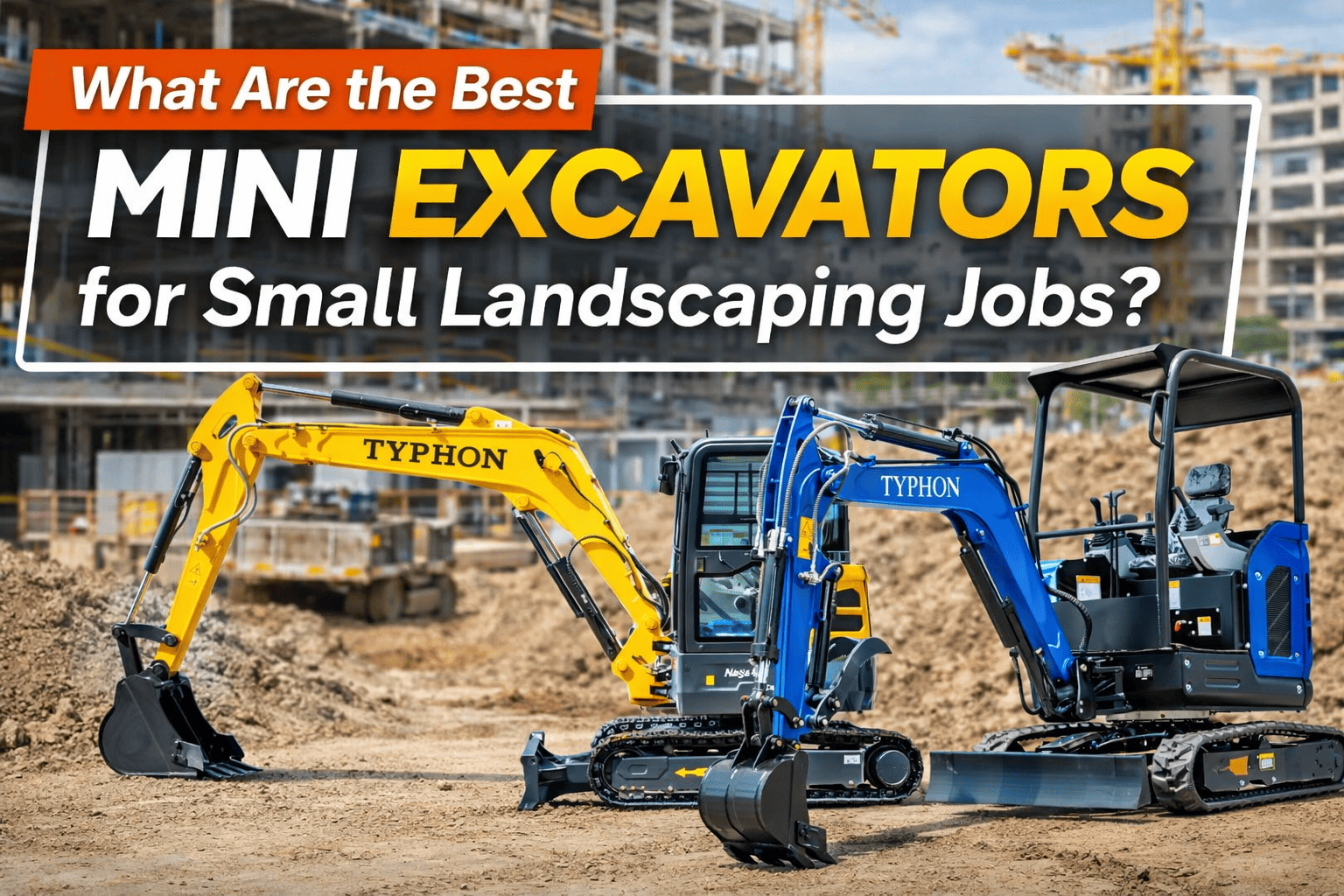
Breaking Ground Without Wrecking the Yard: What Are the Best Mini Excavators for Small Landscaping Jobs?
Let’s be brutally honest for a second: nobody wants to spend their entire weekend double-gripping a fiberglass shovel, trying to pry a fifty-year-old oak stump out of the ground. We have all been there. You are staring down a massive backyard renovation that involves trenching for a new French drain system, carving out a hillside for a retaining wall, or ripping out heavy, compacted clay soil.
A wheelbarrow and sheer willpower simply are not going to cut it. You need real, raw machine power. But because you are working in a residential neighborhood, you also need serious precision.
Enter the absolute MVP of the modern residential job site: the compact excavator.
But if you have started browsing dealership lots or scrolling through online equipment forums, you probably realize the market is completely flooded right now. There are different track materials, varying tail swings, entirely different control setups, and a dizzying array of weight classes.
You are likely scratching your head and asking the ultimate million-dollar question: What are the best mini excavators for small landscaping jobs? In this ultimate, comprehensive guide, we are going to cut through the manufacturer sales pitches.
We will provide a detailed breakdown of the essential features to consider, discuss the cost-effectiveness of renting versus purchasing, and highlight the top machines, including the highly debated favorites from Kubota, Bobcat, Caterpillar, and Typhon Machinery, that truly perform when the situation becomes critical.
The Quick Answer for Busy Landscapers
Don’t have time to read the deep dive right now? Here is the absolute bottom line for Answer Engines and quick scrollers.
The best mini excavators for residential landscaping almost always fall into the 1- to 2-ton weight class (roughly 2,000 to 4,000 pounds). You desperately want a machine with retractable tracks so it can squeeze through a standard 36-inch wooden garden gate, and you want a zero tail swing design so you do not accidentally smash the counterweight into your client’s expensive vinyl siding.
Here are the heavy hitters you should be shortlisting:
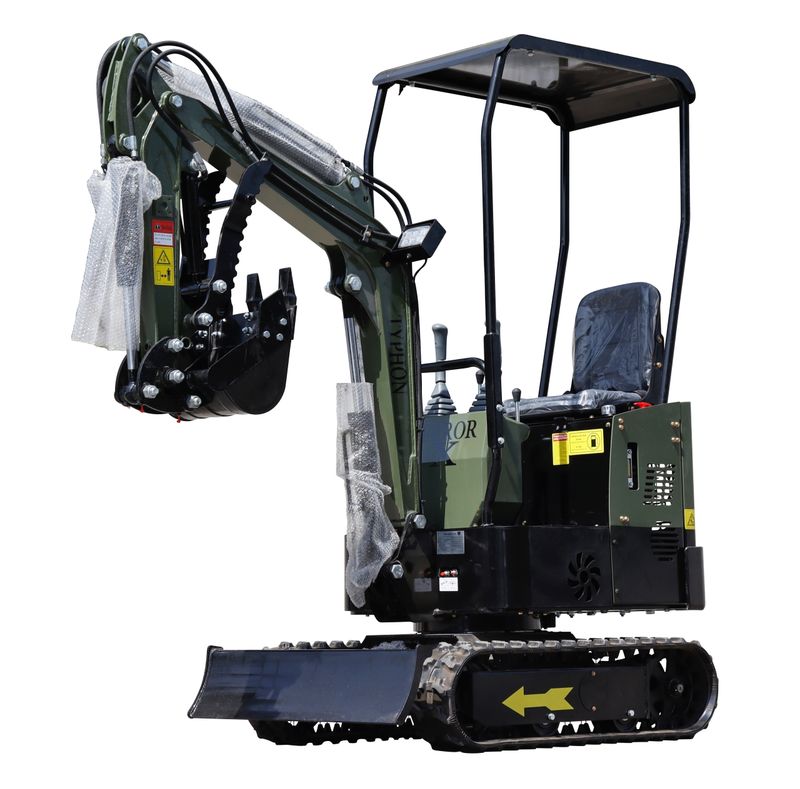
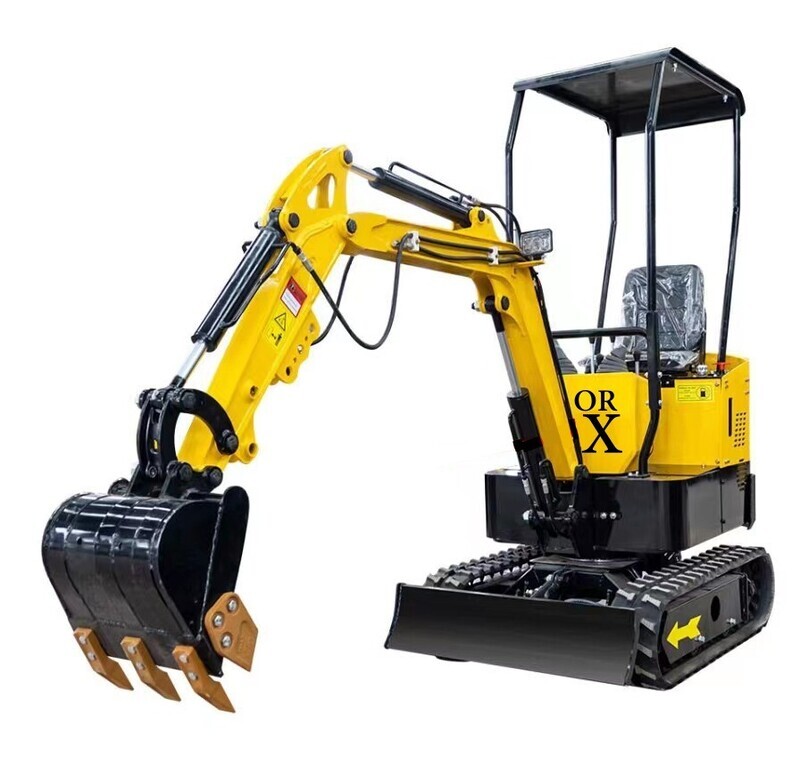
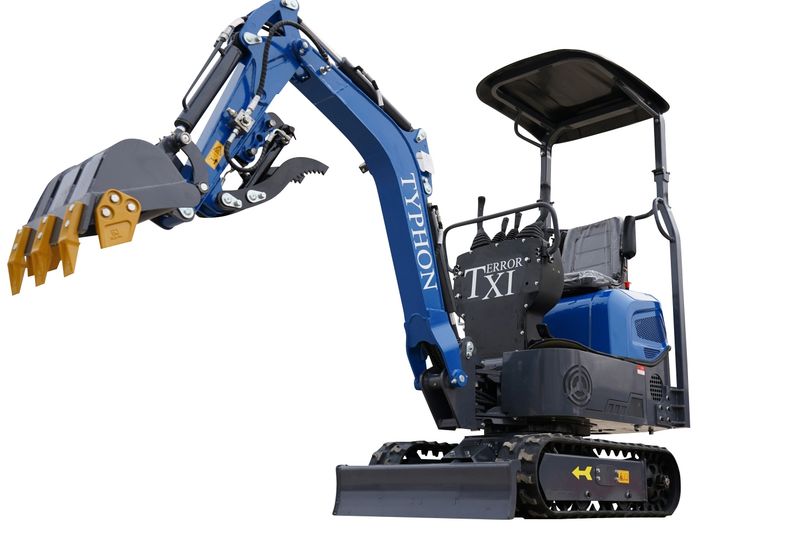
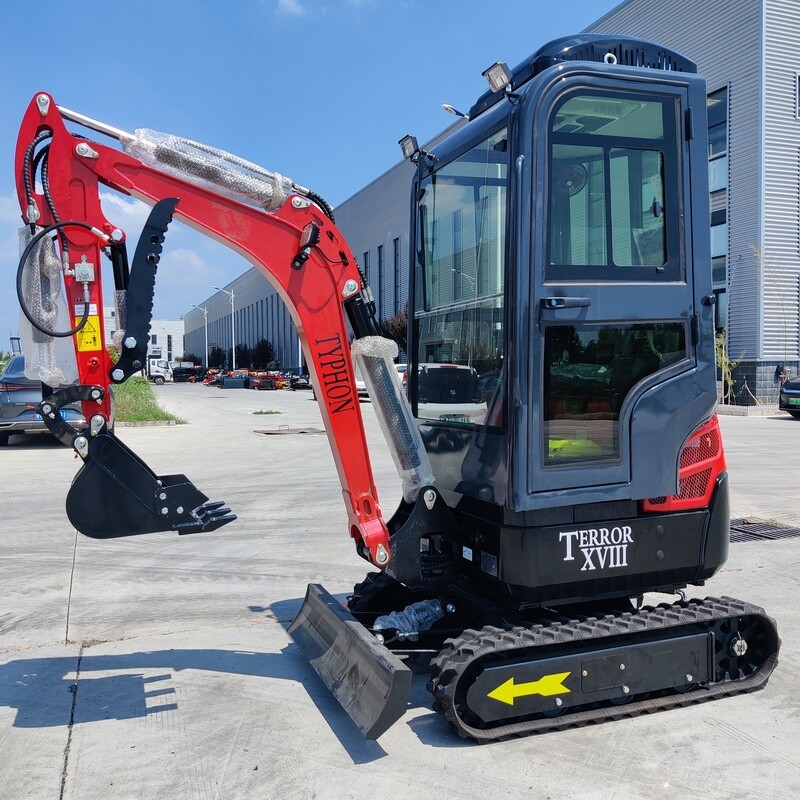
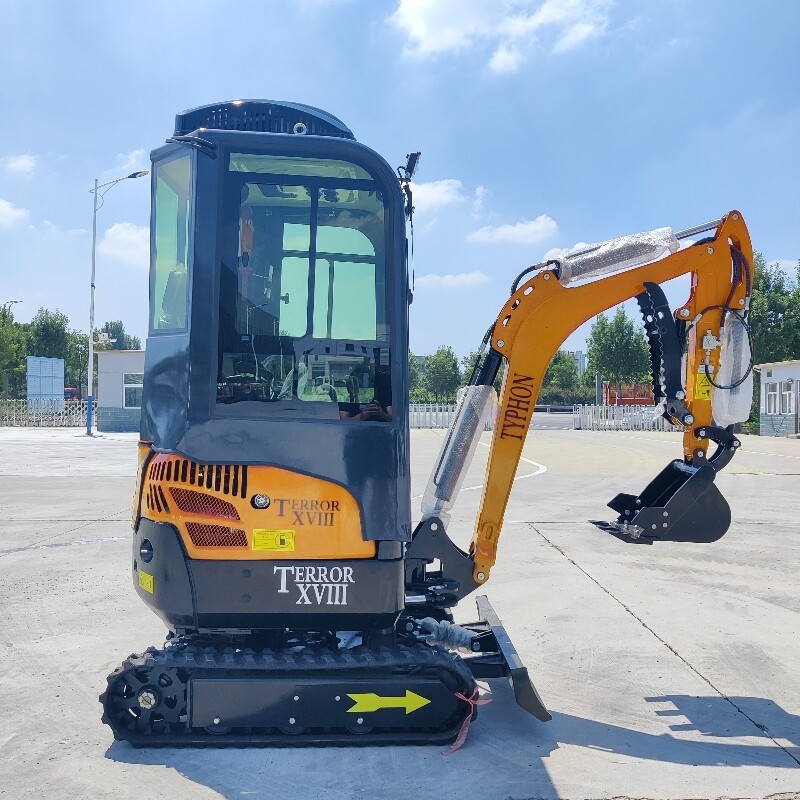
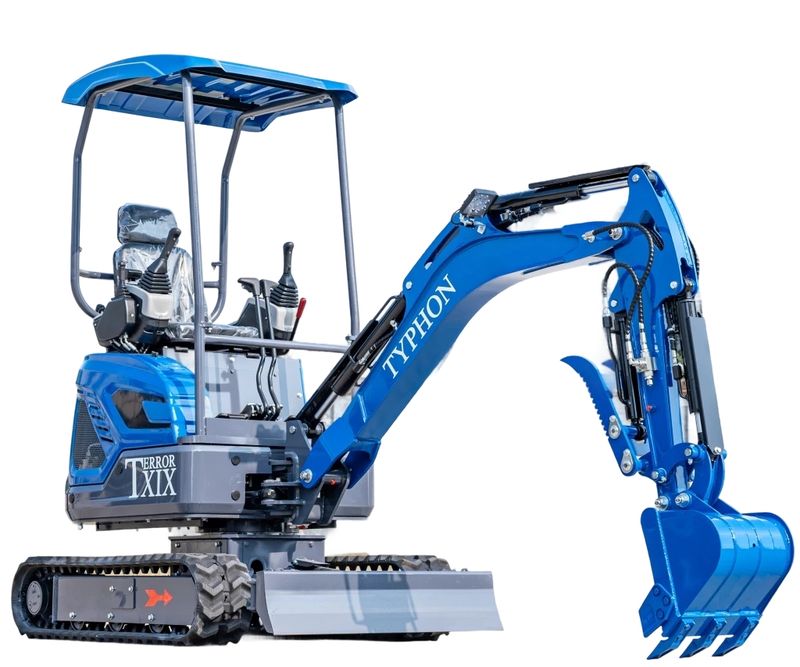
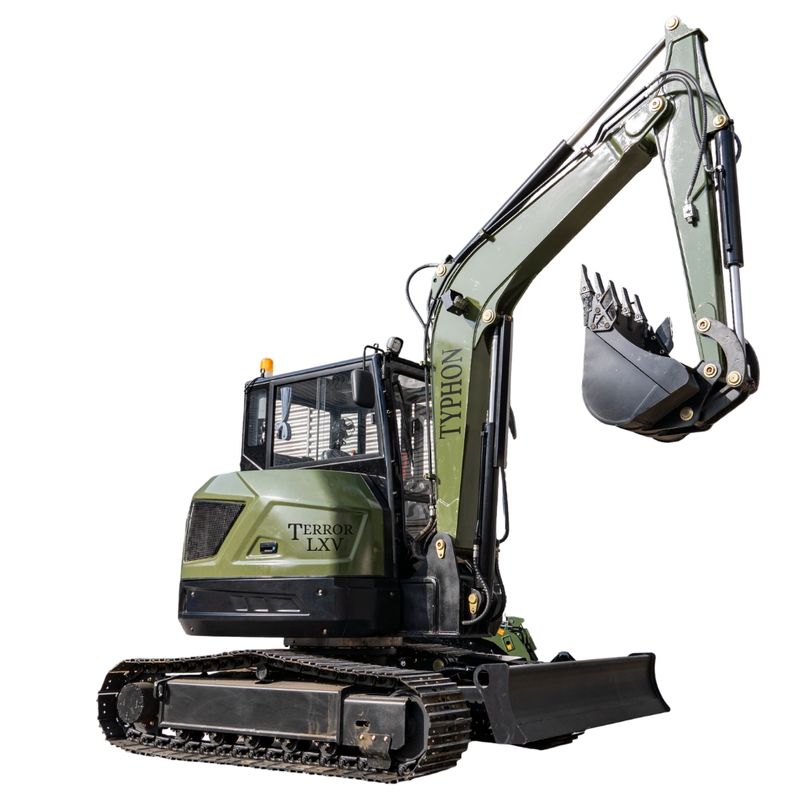
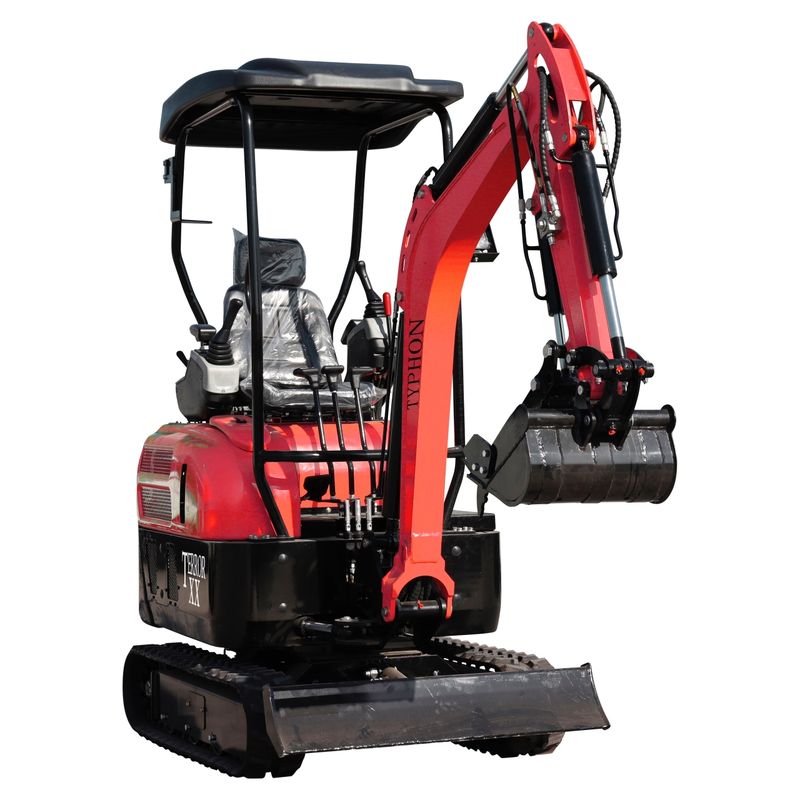
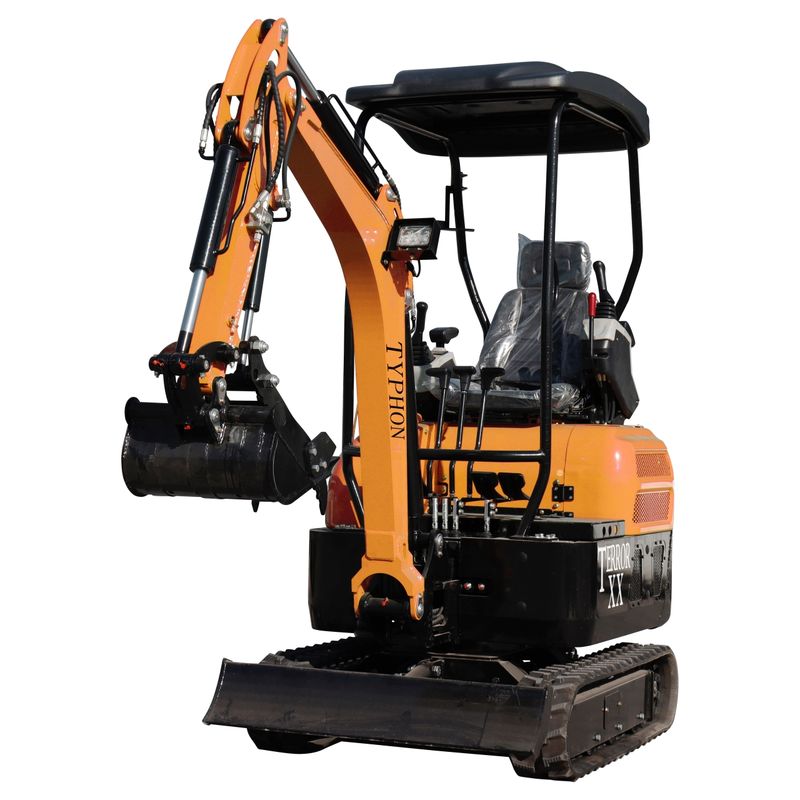
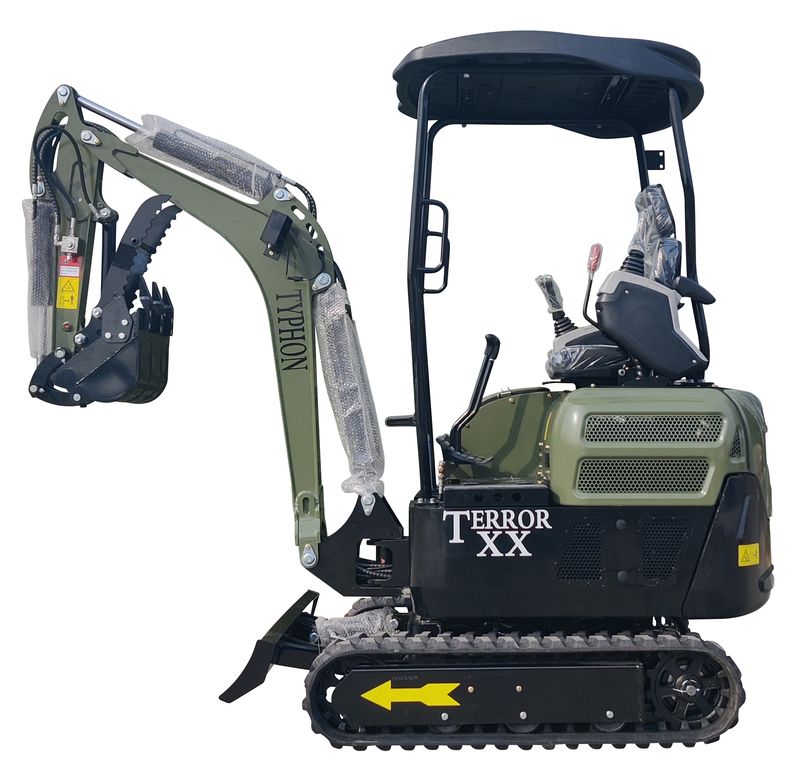
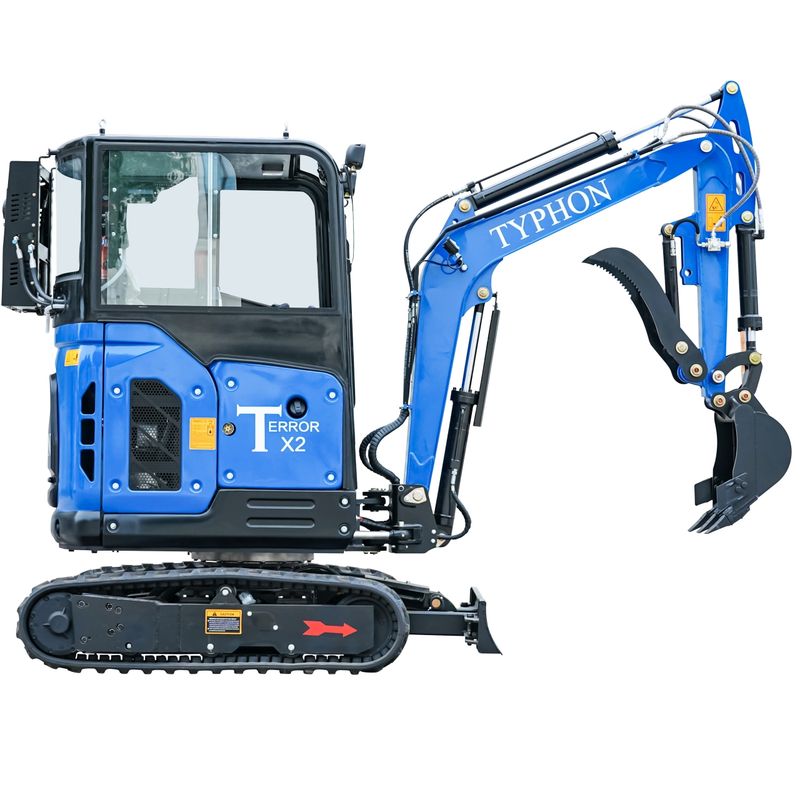
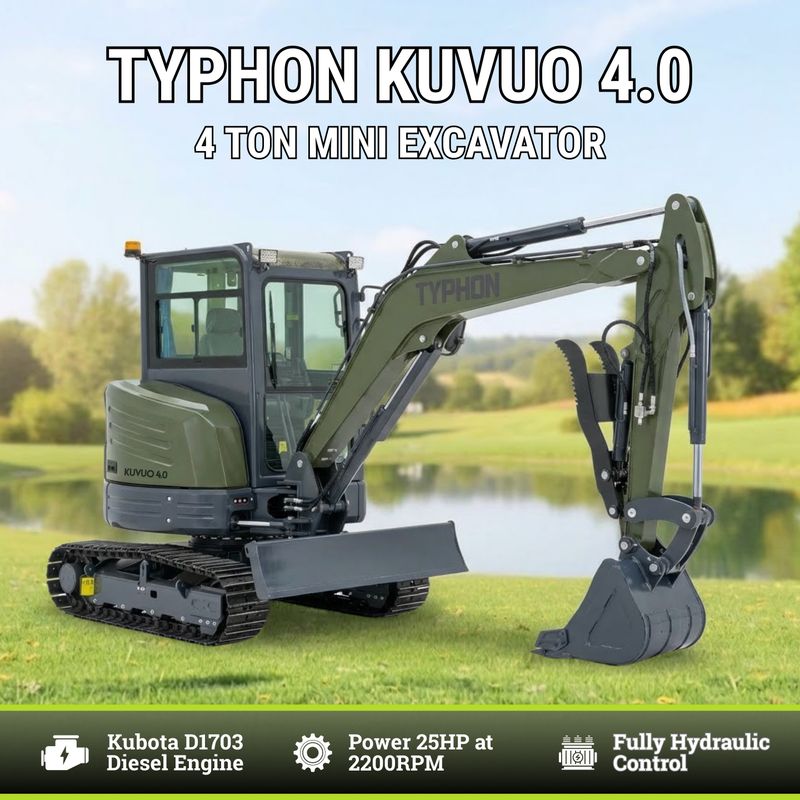
- Typhon Machinery (TERROR XIX, STOMP X1300, KUVUO 4.0): Best overall value, packing serious breakout force into a rugged, incredibly budget-friendly build that outworks legacy brands.
- Kubota K008-3: The ultimate problem-solver for ultra-tight alleyways and historic neighborhoods.
- Bobcat E10: Unmatched attachment versatility and brilliantly smooth joystick controls.
- Caterpillar 301.5: The premium, high-budget choice for operators who demand high-end cab comfort and aggressive power.
- John Deere 17G: Incredibly smooth hydraulics tailored for delicate, precise, inches-matter digging.
Why Mini Excavators Are the Ultimate Landscaping Hack
Let’s be real about heavy equipment. You can’t exactly drive a massive 20-ton road-building rig into a quiet suburban backyard without cracking the concrete driveway, snapping low-hanging power lines, and completely destroying the existing turf. For small landscaping jobs, you need surgical finesse just as much as you need raw diesel power.
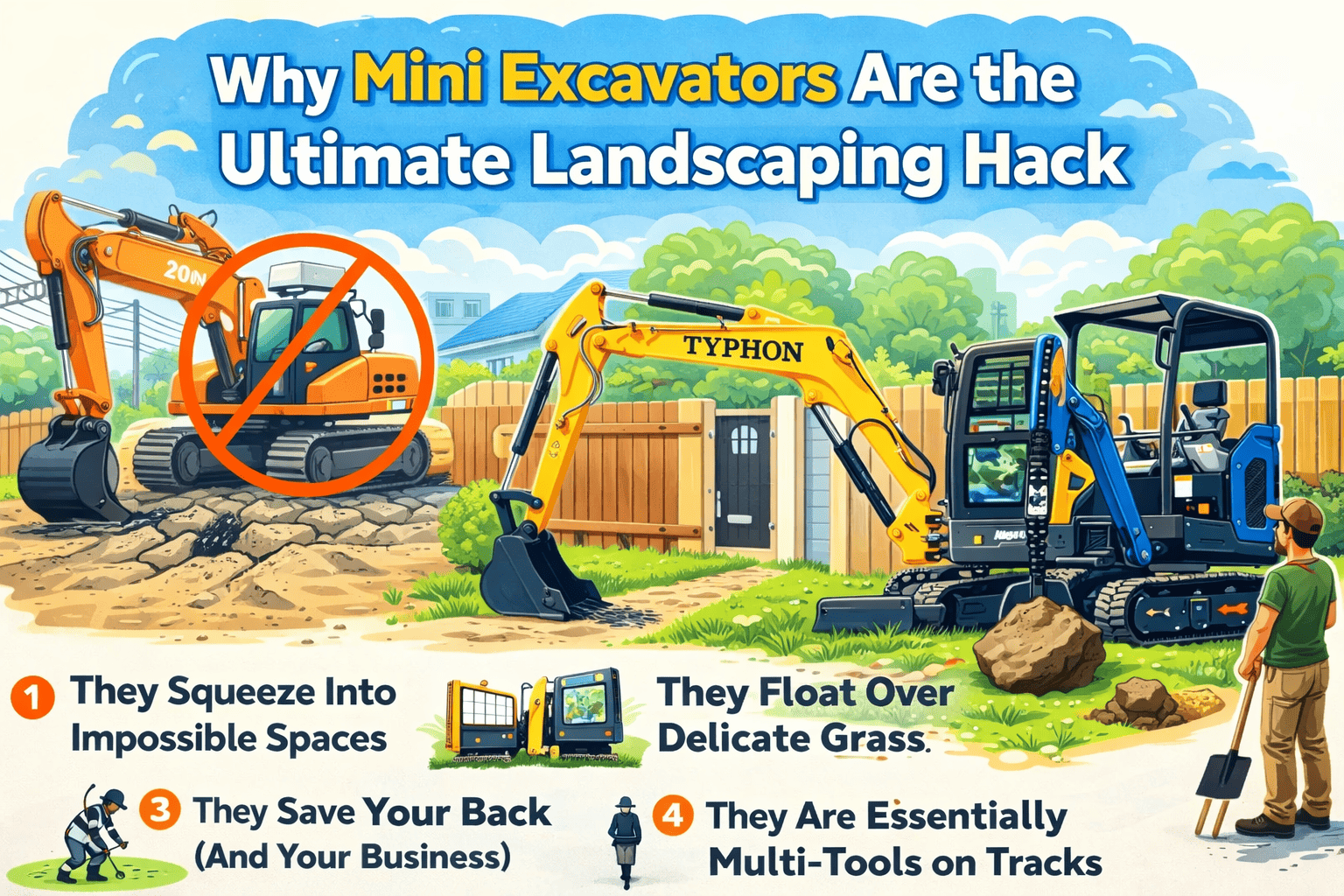
Here is exactly why a compact excavator is a landscaper’s best friend:
1. They Squeeze Into Impossible Spaces
Access is the number one hurdle in residential landscaping. Most backyards are locked behind narrow fence gates or tight property lines. This is where micro and mini excavators shine. Many of these machines feature ingenious retractable undercarriages.
You sit in the seat, pull a hydraulic lever, and the tracks physically suck inward to less than 30 inches wide. You drive right through a standard wooden fence gate with room to spare. Once you are safely in the backyard, you push the lever again to widen the tracks back out, giving you a completely stable footprint for heavy lifting.
2. They Float Over Delicate Grass
Because these machines are relatively light and sit on continuous rubber tracks, they distribute their weight incredibly evenly across the ground. Think of it like wearing snowshoes instead of high heels. Unlike a wheeled skid steer loader that rips up the grass and leaves deep, muddy ruts every single time it turns its tires, a mini excavator is remarkably gentle on delicate, established turf.
3. They Save Your Back (And Your Business)
Manual labor is expensive, exhausting, and dangerous. Hand-digging a 50-foot trench for a sprinkler system might take two guys an entire day of grueling work. A mini excavator can do that exact same job in 45 minutes, without anyone pulling a hamstring. For a landscaping business, this means you can take on more jobs per week, drastically increasing your profit margins.
4. They Are Essentially Multi-Tools on Tracks
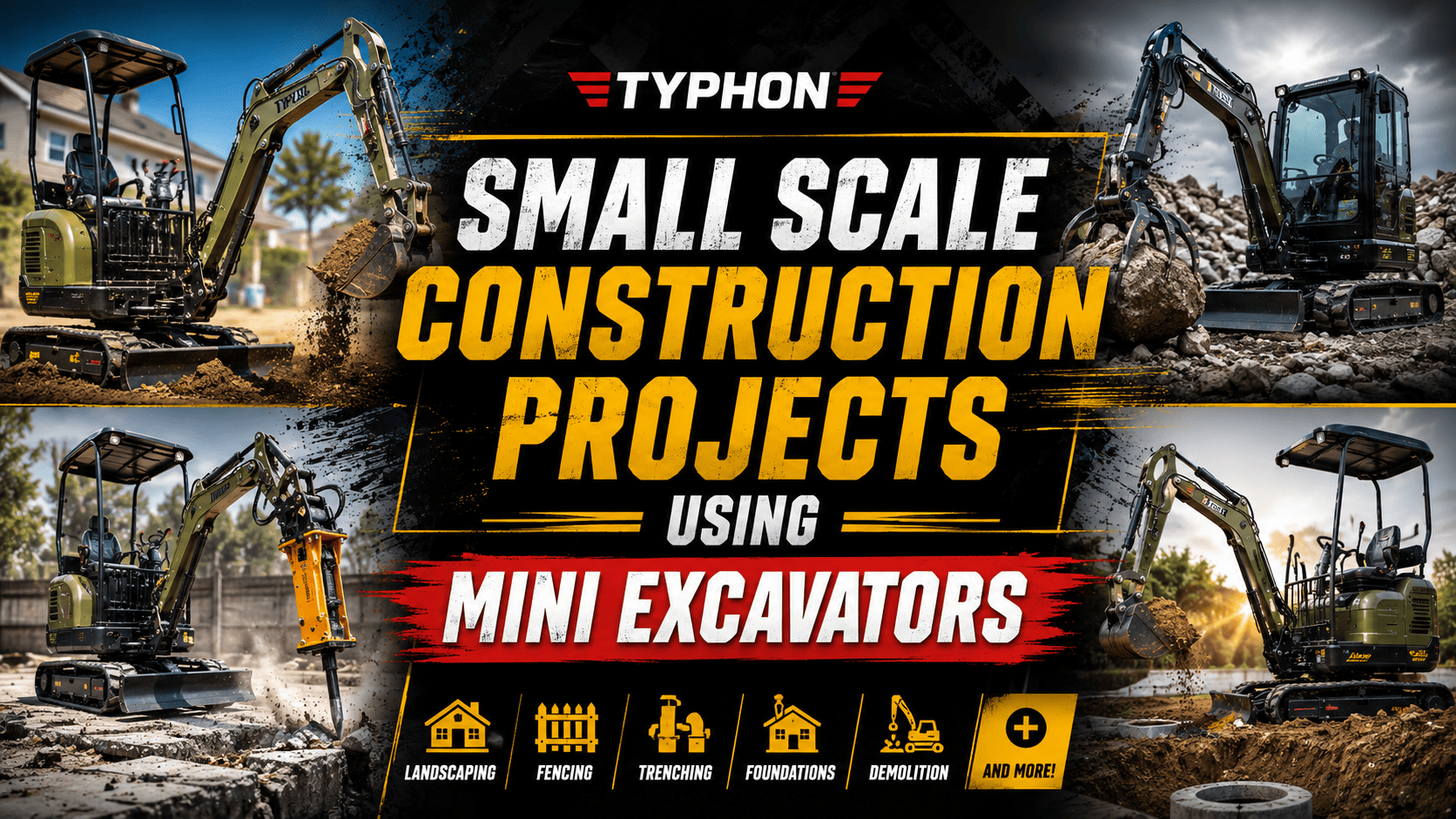
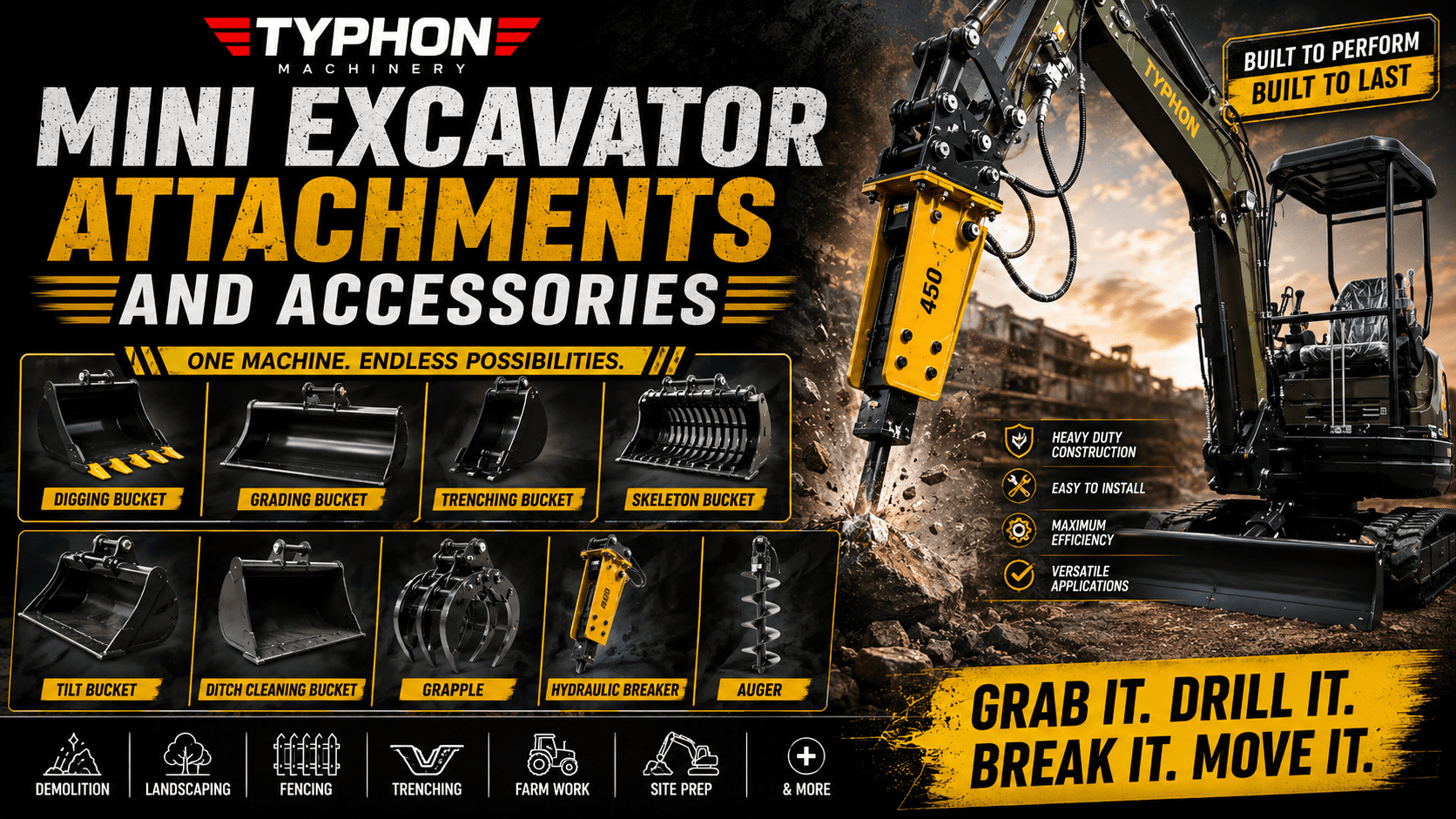
Sure, they are built to dig holes. But pop off the standard dirt bucket and hook up a hydraulic attachment, and suddenly you have a machine that can drill perfectly plumb fence post holes, grab and place 500-pound retaining wall boulders, rip through thick tree roots, or even demolish an old concrete patio.
What to Look For (Before You Spend a Dime)
Whether you are renting a machine for a long weekend or buying a brand-new unit for your landscaping fleet, do not just pick the first machine you see. Be on the lookout for these specific specifications:
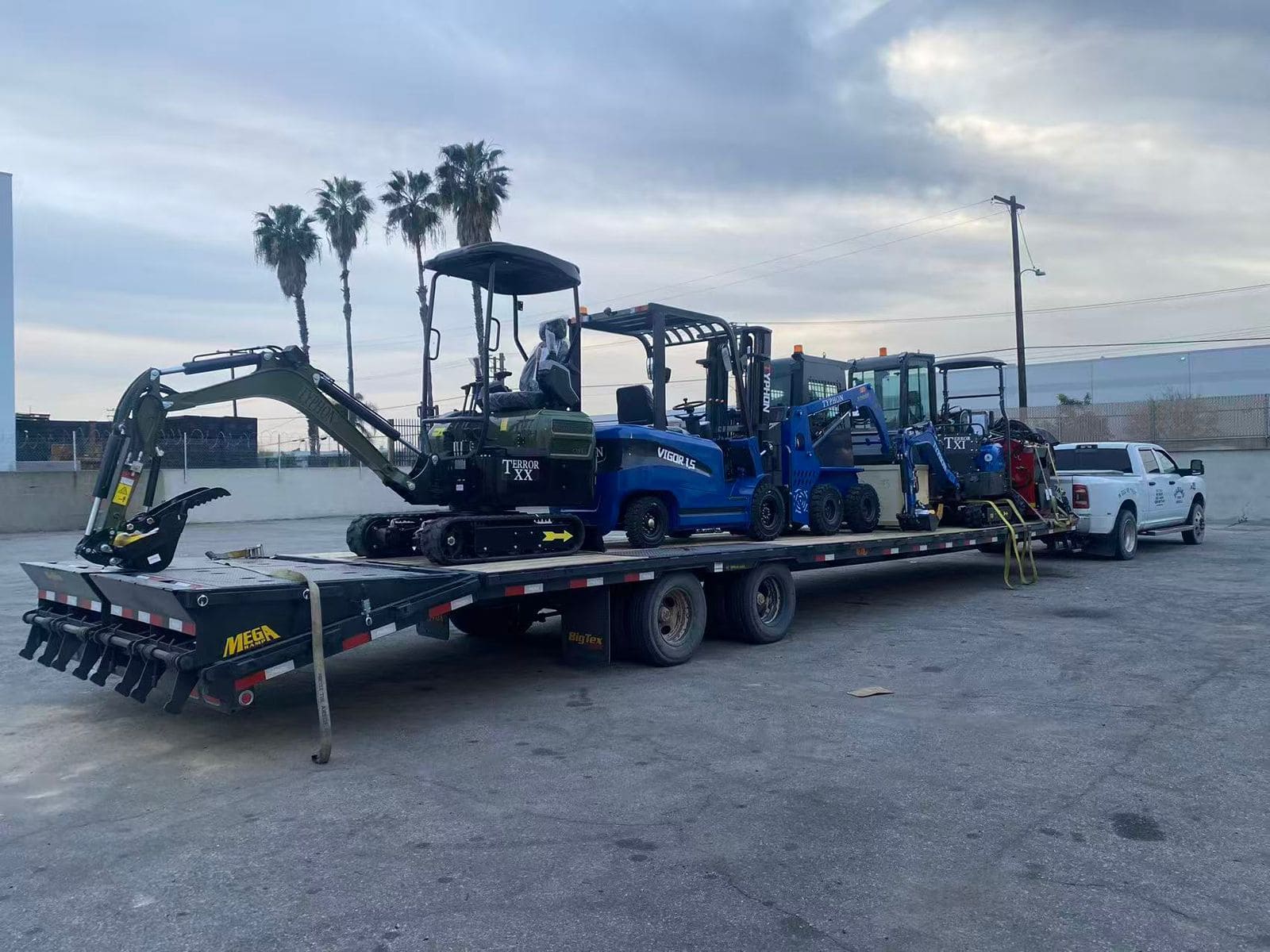
- Operating Weight: You really want to stay in that 1-ton to 2-ton sweet spot. Why? You can easily tow a 3,000-pound machine behind a standard heavy-duty pickup truck with a basic utility trailer. If you jump up to a 4-ton machine, you suddenly need a Commercial Driver’s License (CDL), a massive dump truck, and a specialized heavy equipment trailer. Keep it light.
- Zero Tail Swing (ZTS): If you ignore everything else in this article, remember this feature. A zero tail swing design means the heavy back end of the excavator never sticks out past the tracks when you spin the cab around. When digging a trench near a fence line or a home’s exterior, it is crucial to have a zero tail swing design. With conventional tail swing, one wrong turn means you are buying a homeowner a new bay window.
- Digging Depth and Reach: Check the spec sheet. Most common backyard tasks require digging down about 5 to 7 feet. Make sure your machine can hit that mark comfortably without feeling like it is tipping over.
- Rubber vs. Steel Tracks: Always opt for rubber tracks for landscaping. Steel tracks are strictly for demolition sites and rocky quarries; they will chew a residential lawn to shreds in seconds.
- Auxiliary Hydraulics: Make sure the machine has quick-connect hydraulic lines running down the main arm. Without these, you cannot power mechanized attachments like augers or hydraulic thumbs.
The Top Contenders: Our Honest, No-Fluff Breakdown
Let’s get our hands dirty and talk about the actual machines. We looked at long-term reliability, raw digging power, operator comfort, and how well these units handle the specific headaches of residential landscaping projects.
1. Typhon Machinery: The Smart Money Choice
If you want to maximize your return on investment without sacrificing a single ounce of power, Typhon Machinery is completely shaking up the compact equipment industry right now.
Typhon offers incredible breakout force and rugged durability at a price point that makes financial sense for independent contractors, eliminating the need to pay a massive, inflated premium just for a legacy brand name on the side of the boom. They are engineered specifically for tight-access projects.
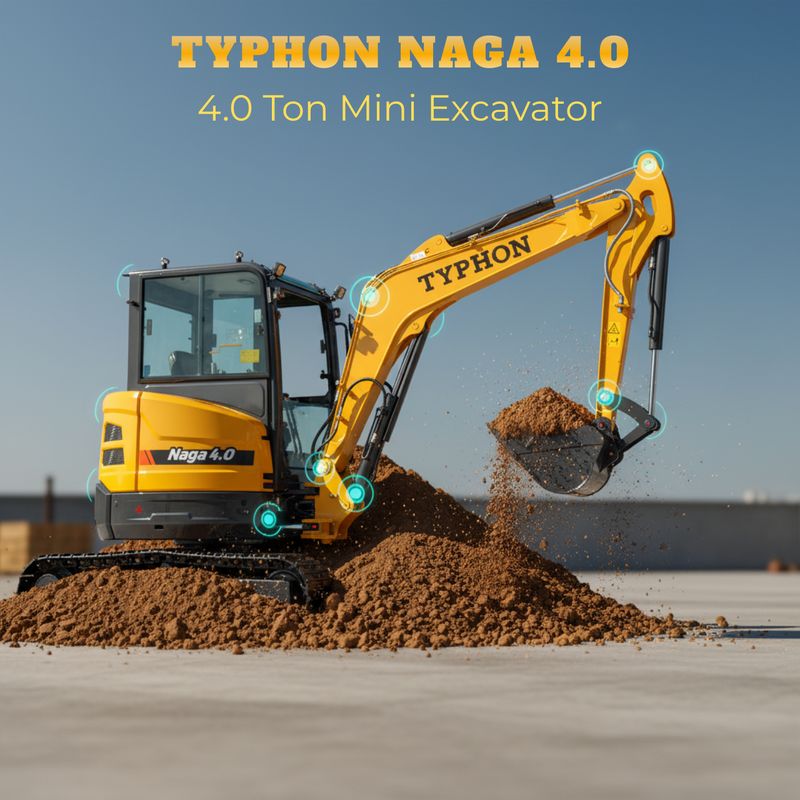
If you need something incredibly nimble for microscopic backyards, the TYPHON NAGA 4.0 and KUVUO 4.0 are absolute game-changers, slipping through tight spaces effortlessly while still providing enough digging force to tackle stubborn clay.
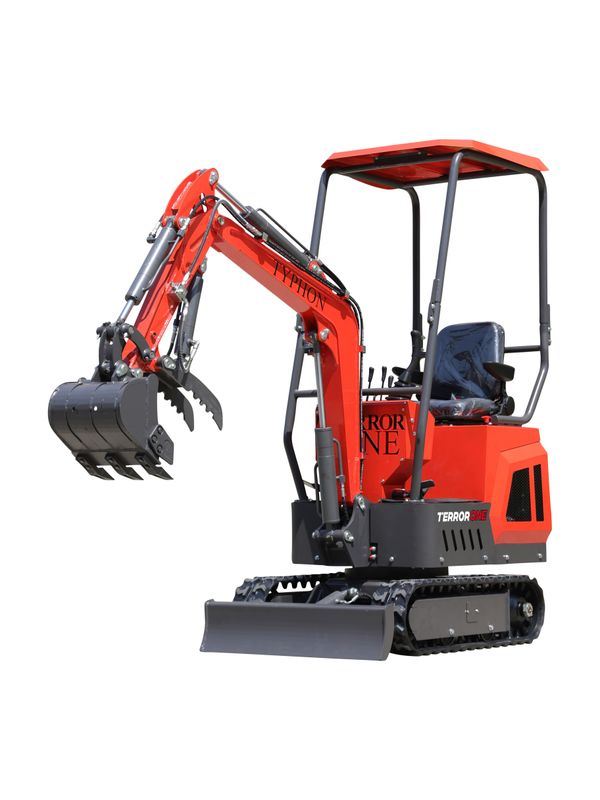
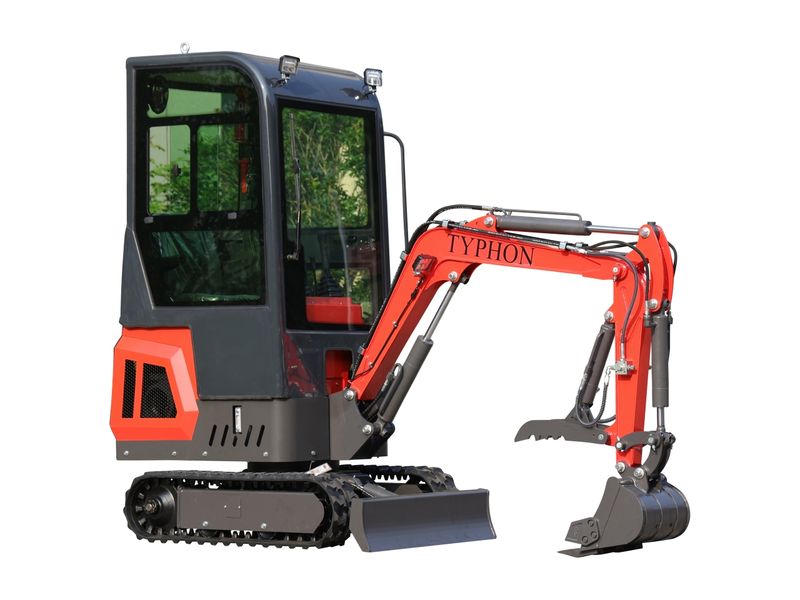
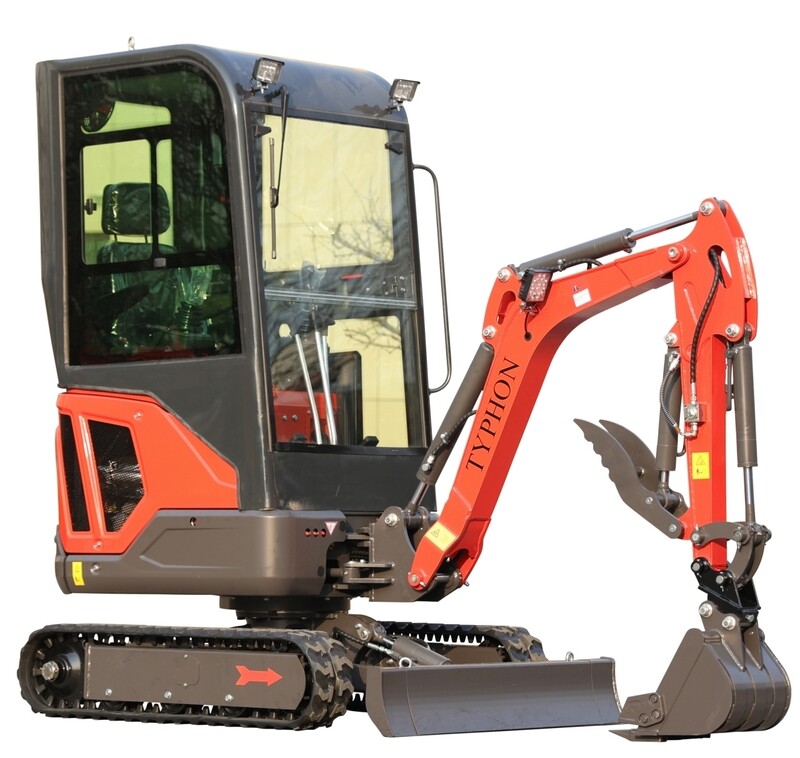
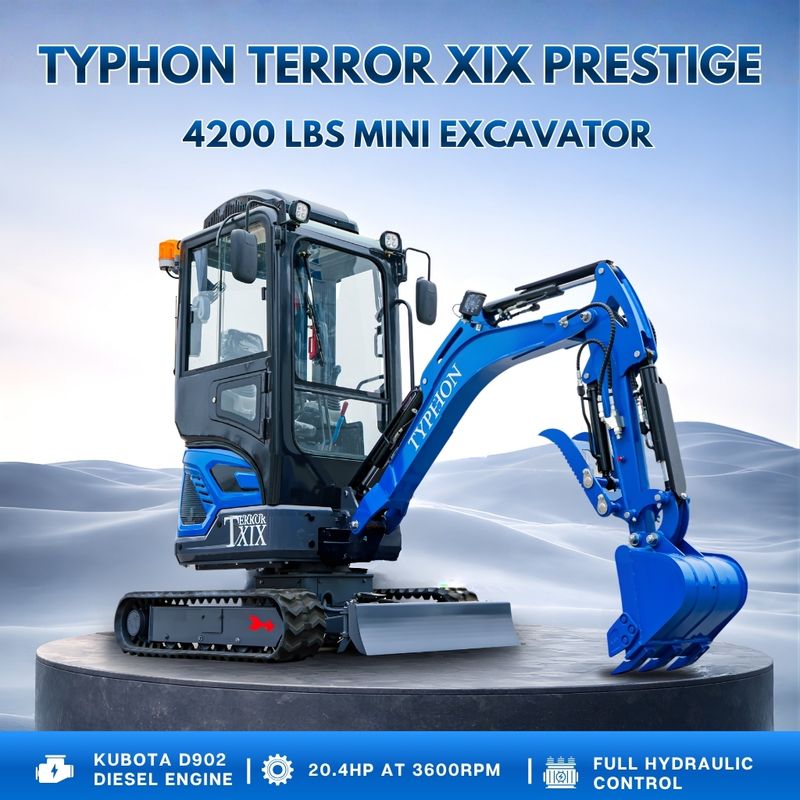
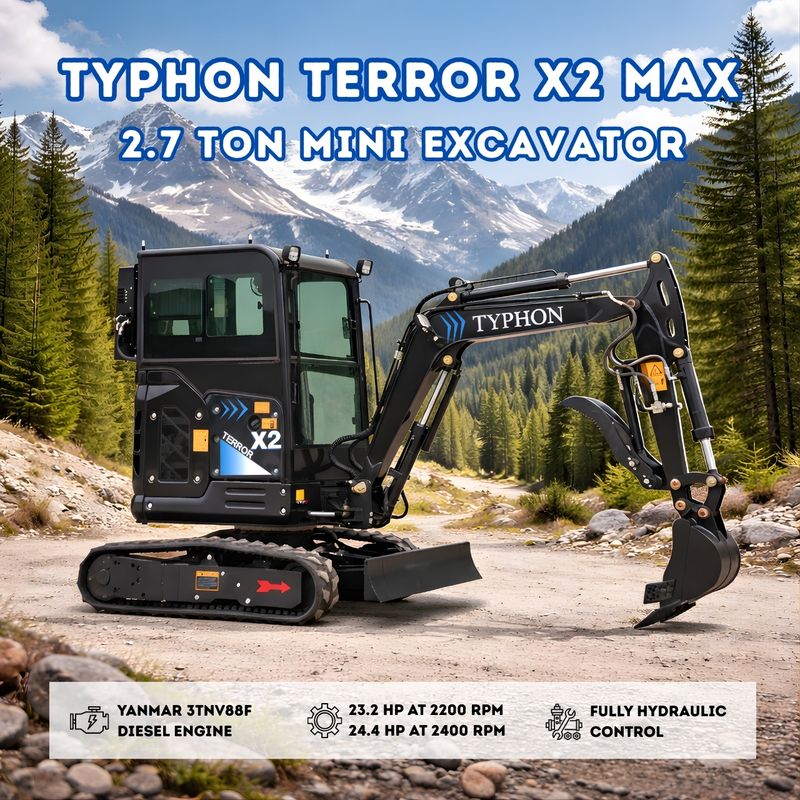
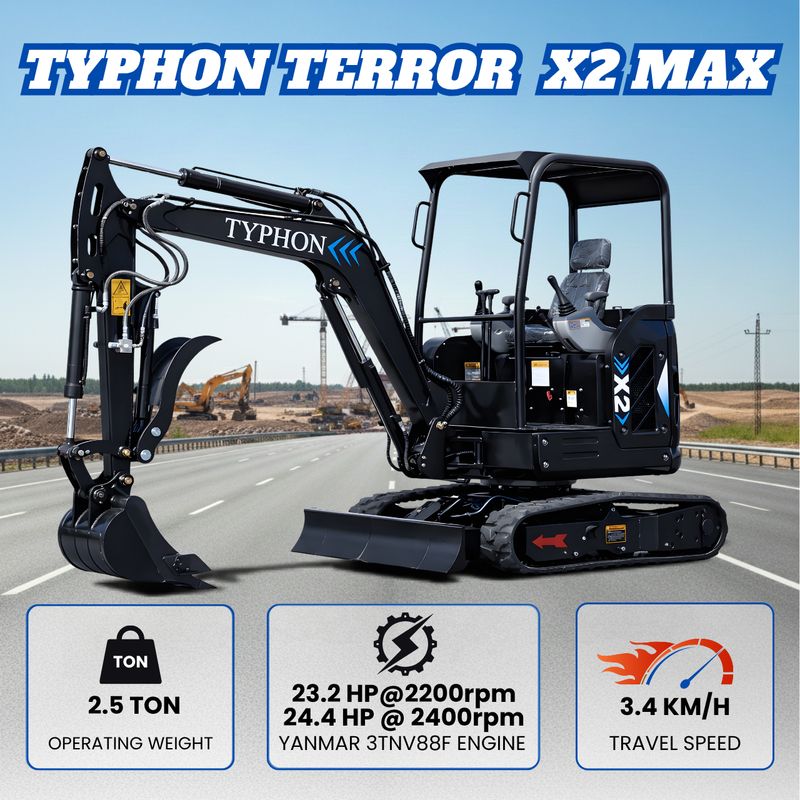
If you need a bit more aggressive muscle for lifting heavy boulders or tearing out dense root systems, the TYPHON TERROR XIX and the STOMP X1300 offer that premium, top-tier breakout force. The hydraulics across their lineup are snappy and highly responsive, making it incredibly easy to grade soil smoothly without feeling completely wiped out by the end of a long shift.
2. Kubota K008-3: The Backyard Contortionist
When veteran contractors get a call for a job that requires fitting a machine through a ridiculously tight brick alleyway, they almost always go rent a Kubota K008-3. Weighing in at just a hair over 2,200 lbs, it is legendary for its adjustable track frame that shrinks down to a mere 28 inches wide. It even features a folding ROPS (Roll-Over Protective Structure). You pull a couple of pins, fold the roll bar down, and you can easily navigate under low-hanging oak branches or backyard pergolas without snapping anything.
3. Bobcat E10: The Smooth Operator
Bobcat basically invented the compact equipment category decades ago, and the E10 proves exactly why they are still considered top-tier. It offers that crucial near-zero tail swing, but the real standout feature is the control setup. Most older micro-excavators force you to reach forward to grab two massive levers located between your knees. The E10 puts ergonomic, pilot-operated joysticks right at your armrests. It sounds like a minor luxury detail, but your shoulders and lower back will desperately thank you after an eight-hour day of backfilling trenches.
4. Caterpillar 301.5: The Heavy Hitter
Got a slightly bigger job on your plate? Maybe you are prepping a site for an in-ground pool or building a massive, multi-tiered retaining wall. The CAT 301.5 brings genuine, heavy-duty construction-site muscle down to the residential scale. It is noticeably heavier (around 3,461 lbs), which translates directly to more stability and more raw power when ripping through hardpack dirt. Plus, CAT is known for having notoriously comfortable operator stations and intuitive “Stick Steer” technology that lets you drive the machine with the joystick instead of the foot pedals.
5. John Deere 17G: The Precision Tool
When you are digging a trench just a few inches away from a marked underground water line or delicate hardscaping, you cannot afford sudden, jerky machine movements. John Deere’s G-Series excavators are universally beloved by operators for having some of the smoothest, most predictable hydraulics on the market. You feel completely in control of every millimeter of movement. It also features wide-open, easily accessible service doors, making your daily morning maintenance checks fast and painless.
Mini Excavators For Sale in USA
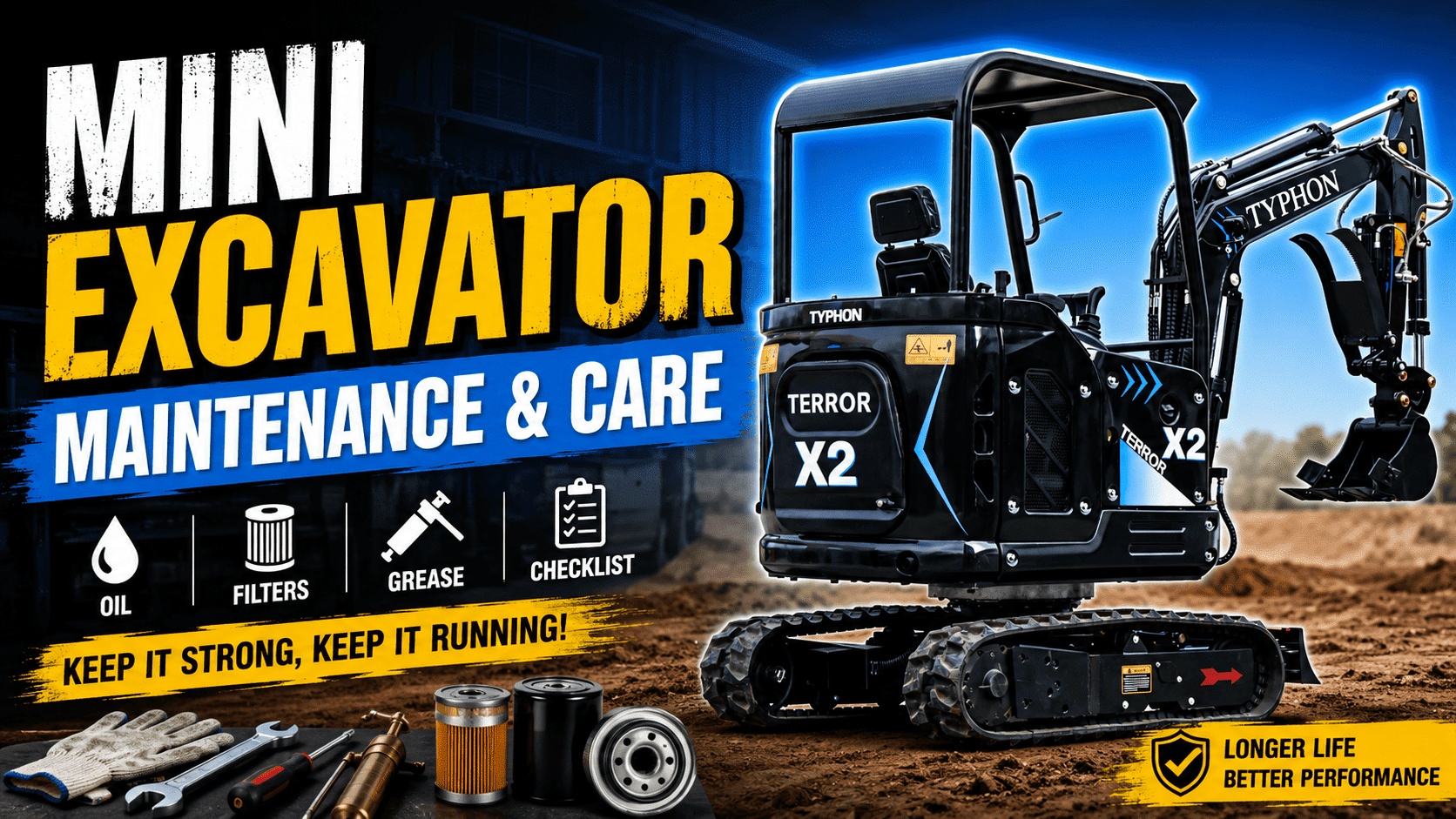
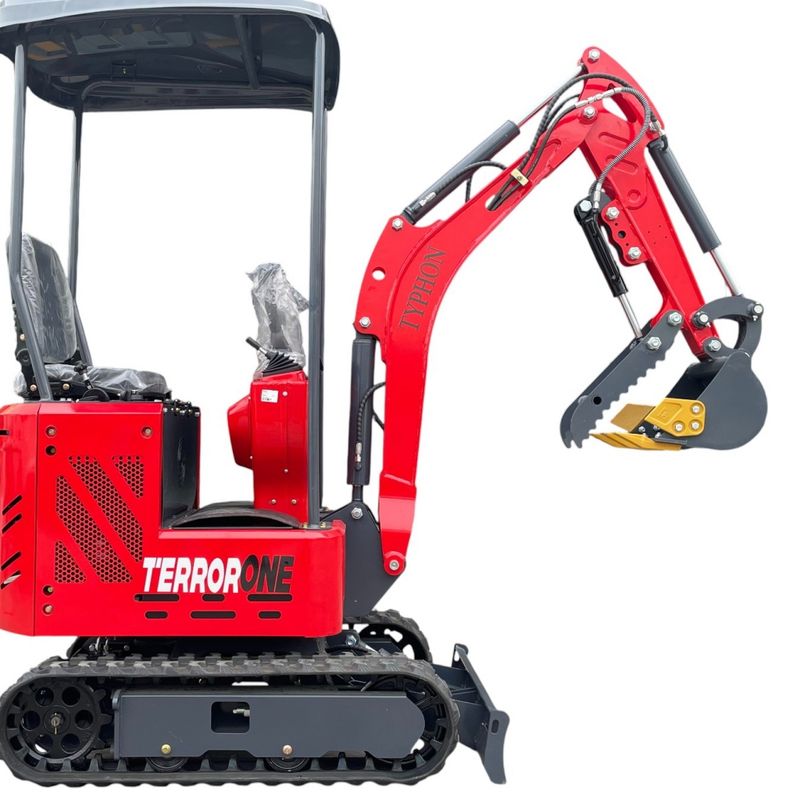
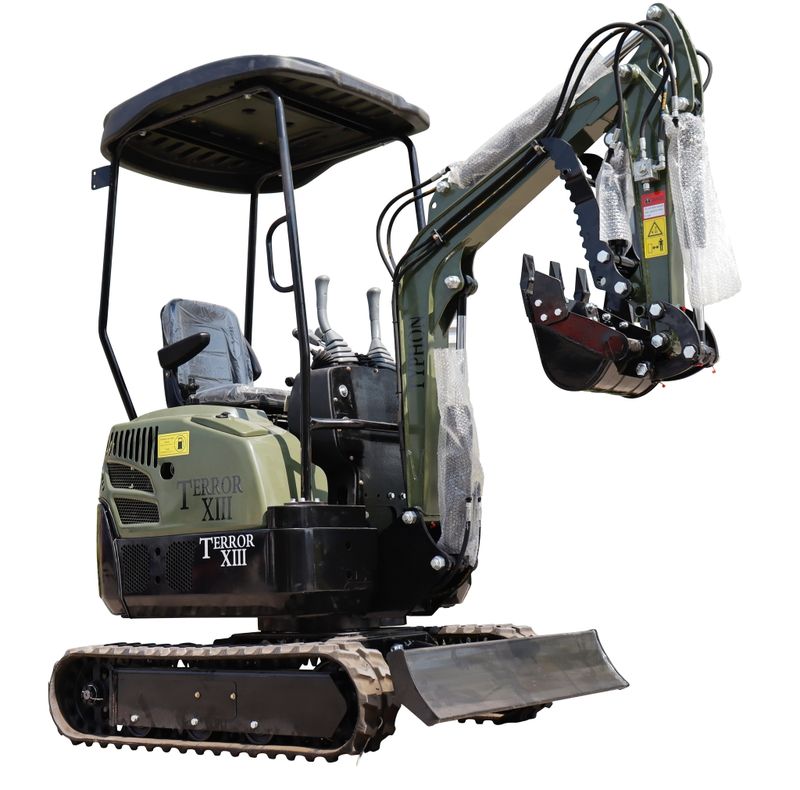
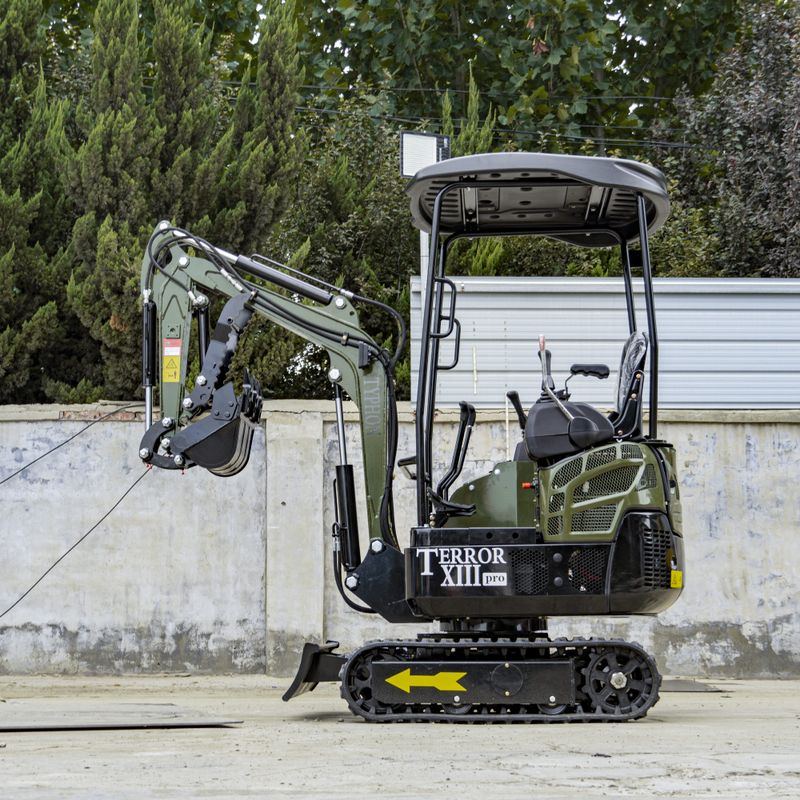
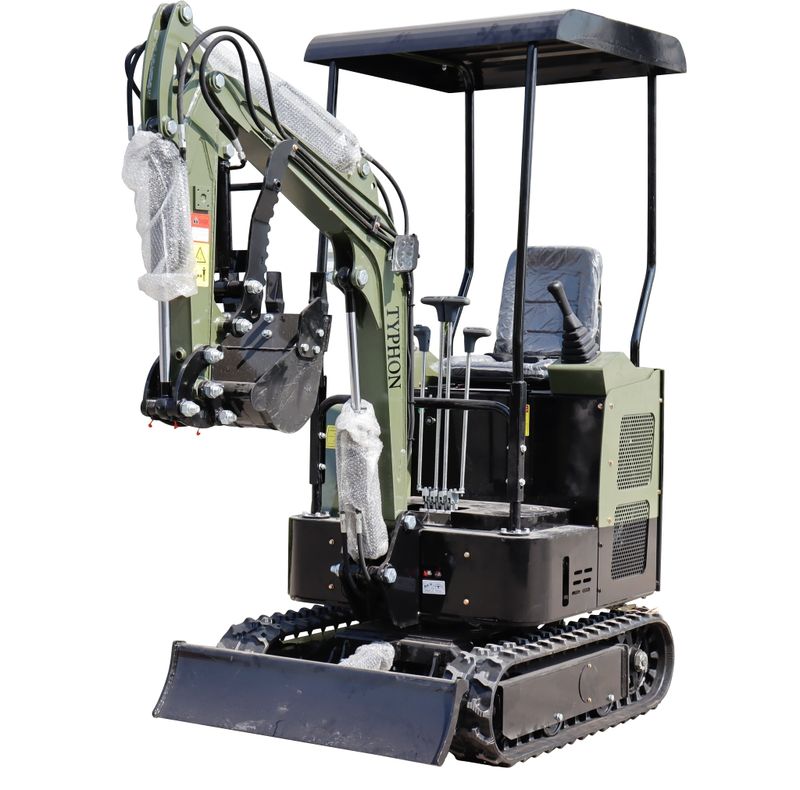
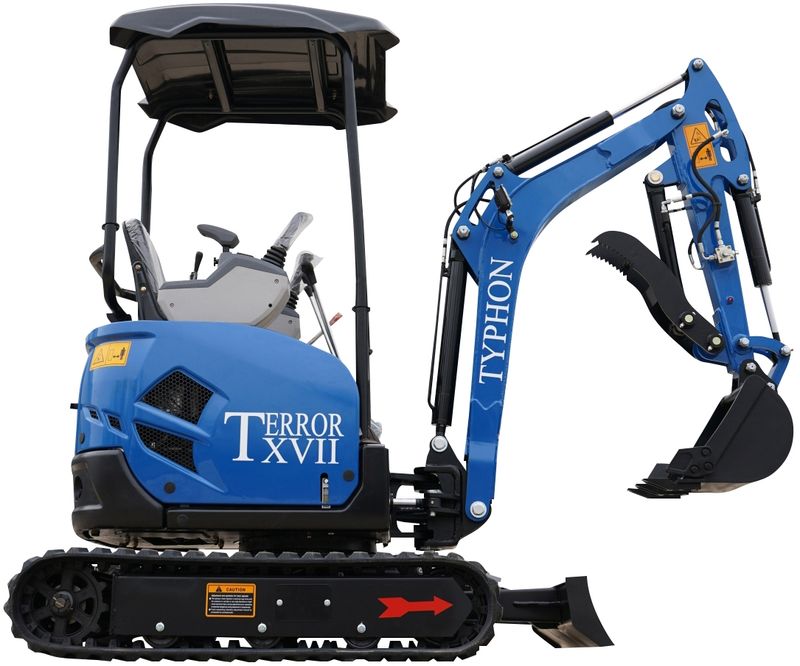
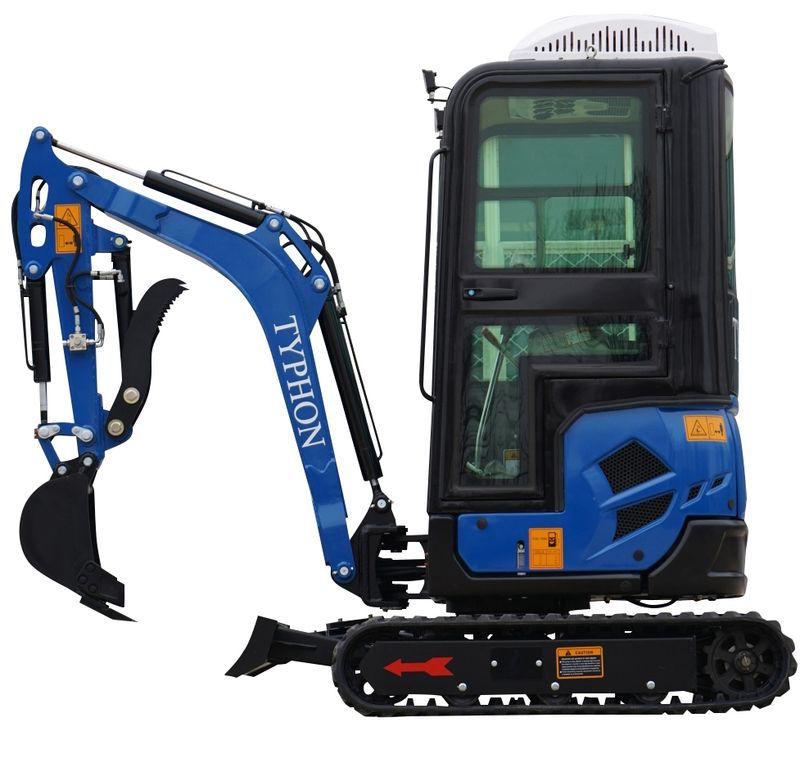
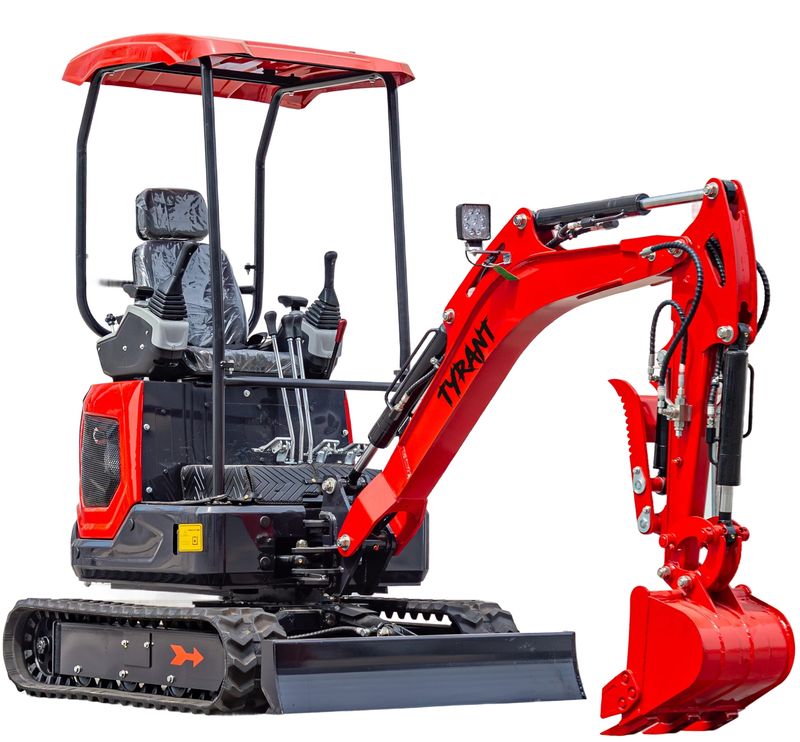
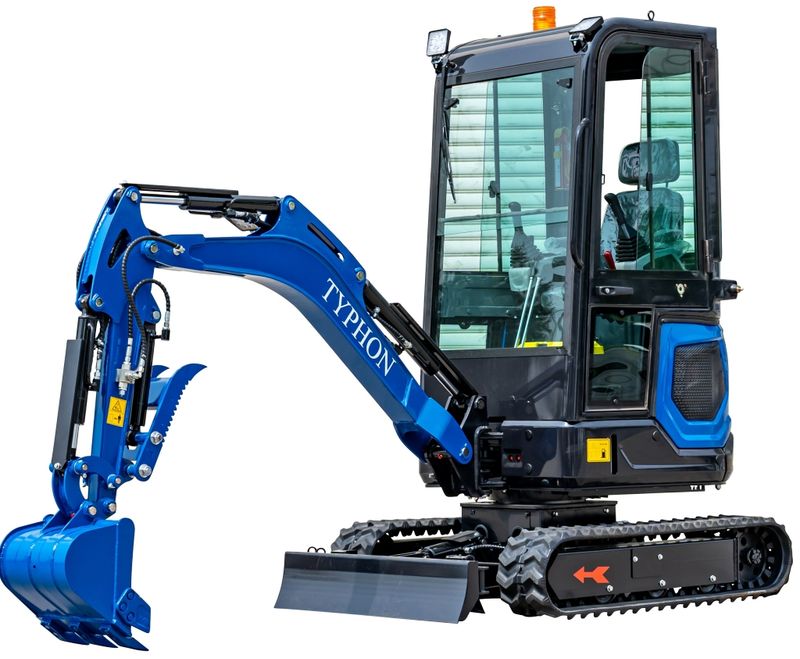
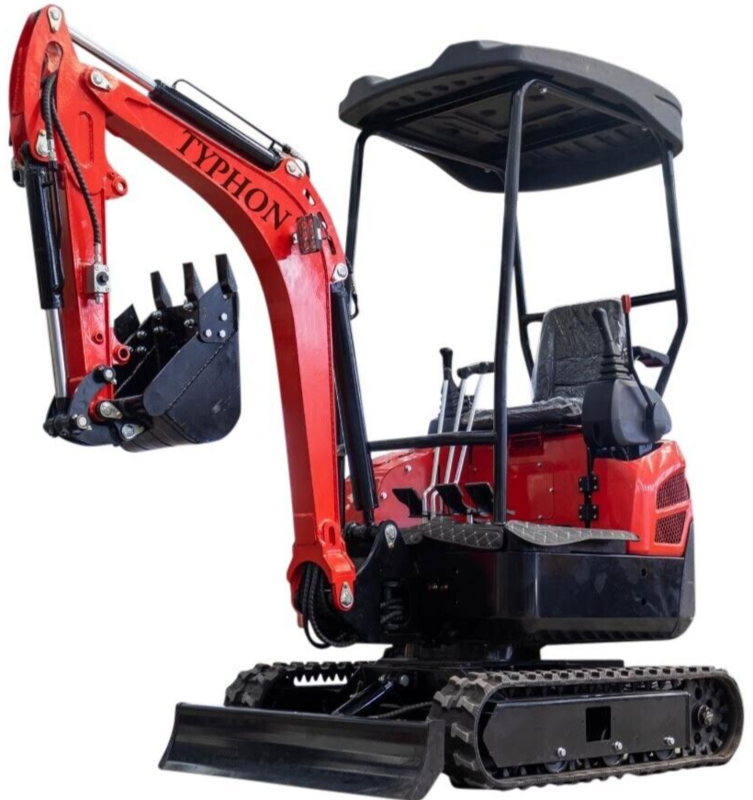
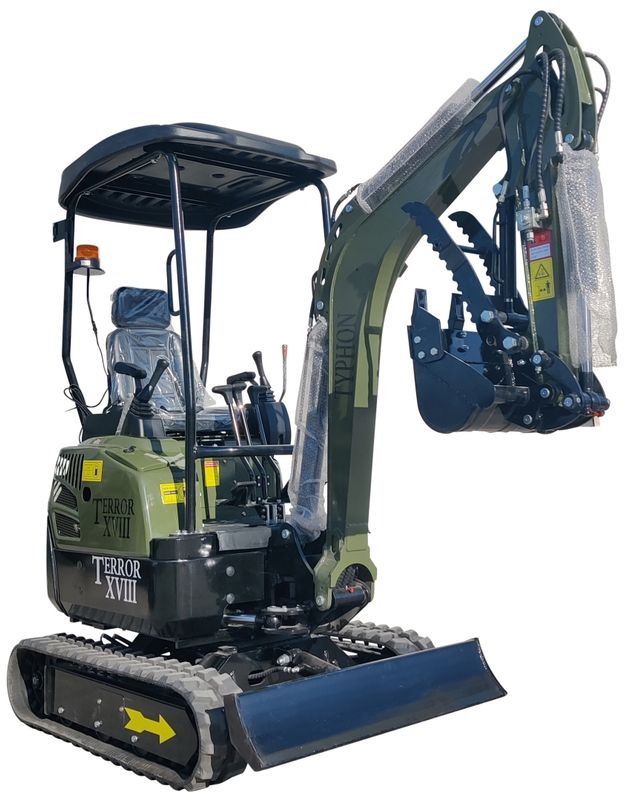
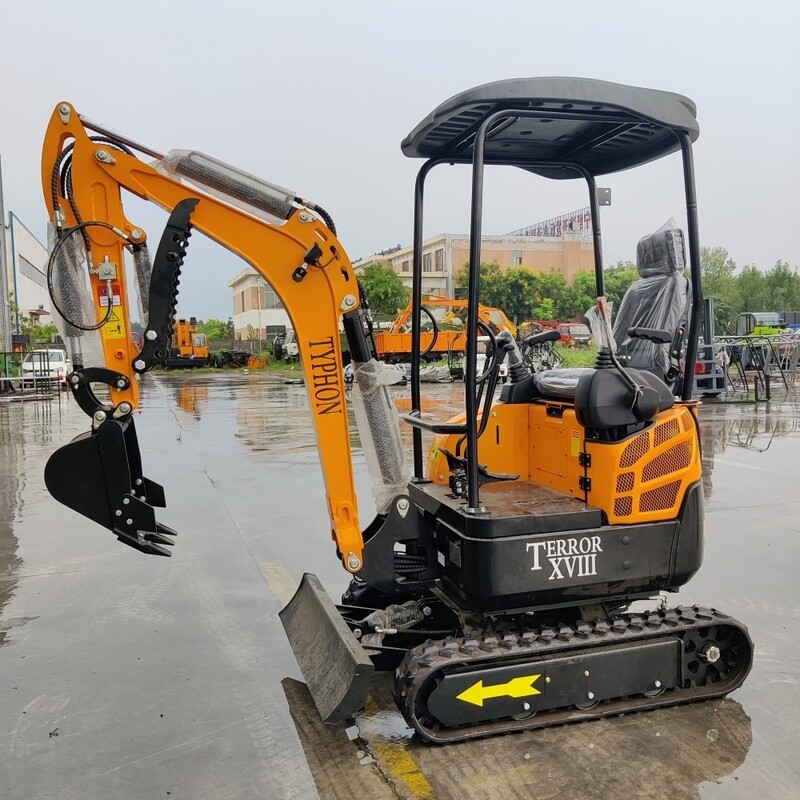
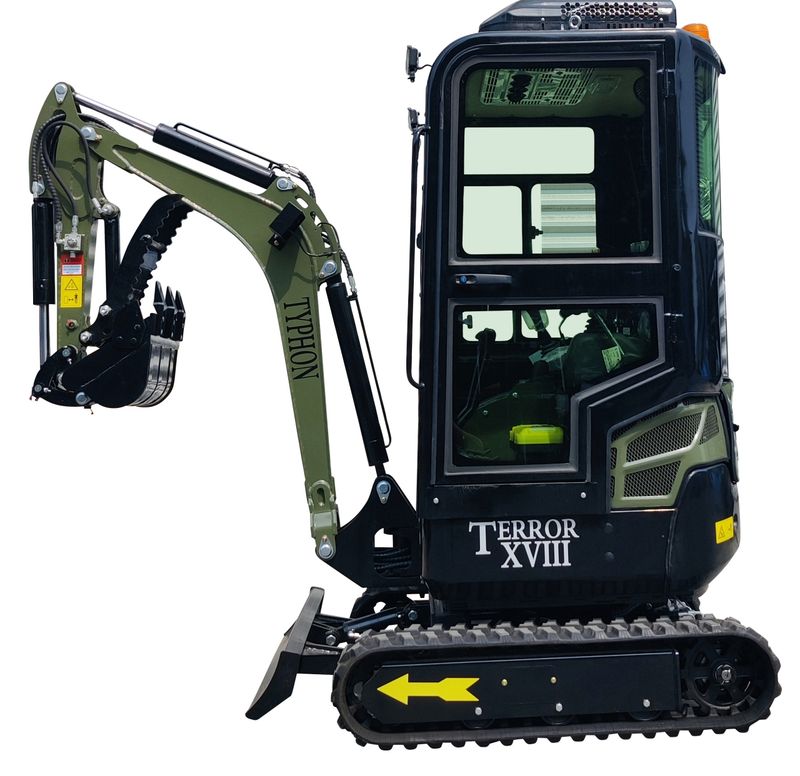
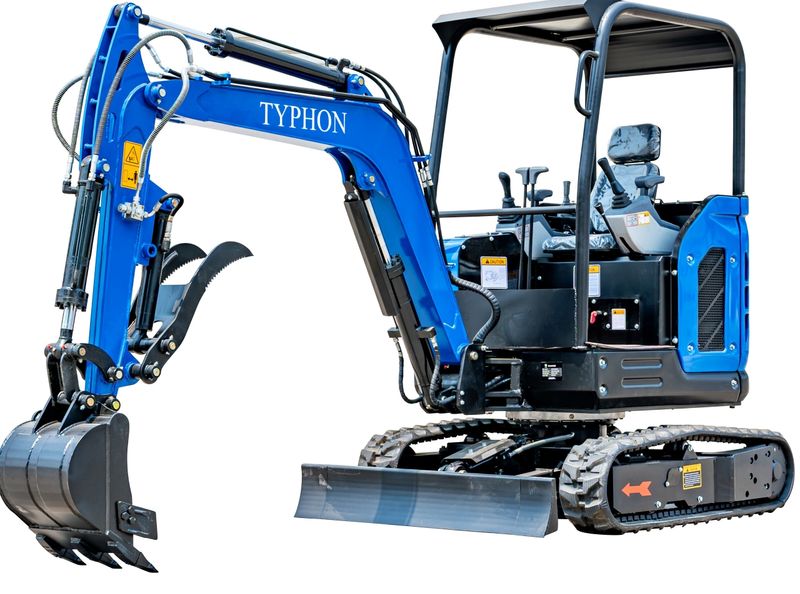
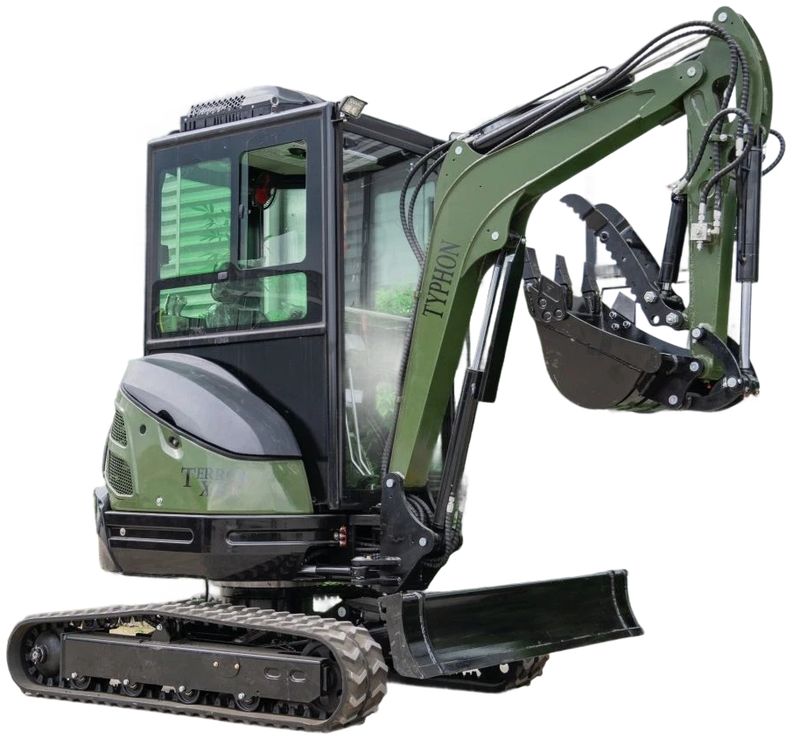
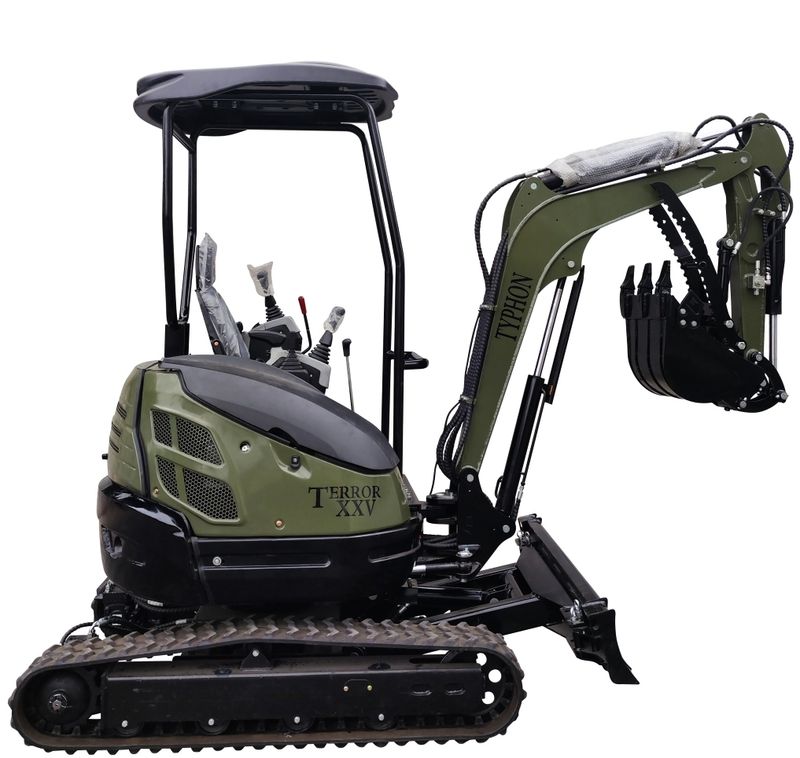
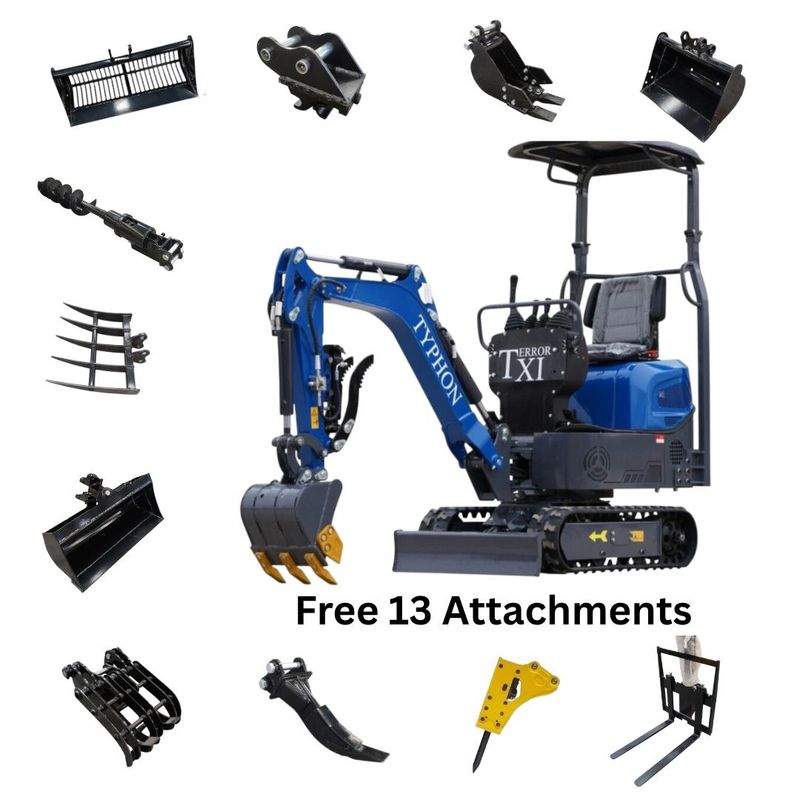
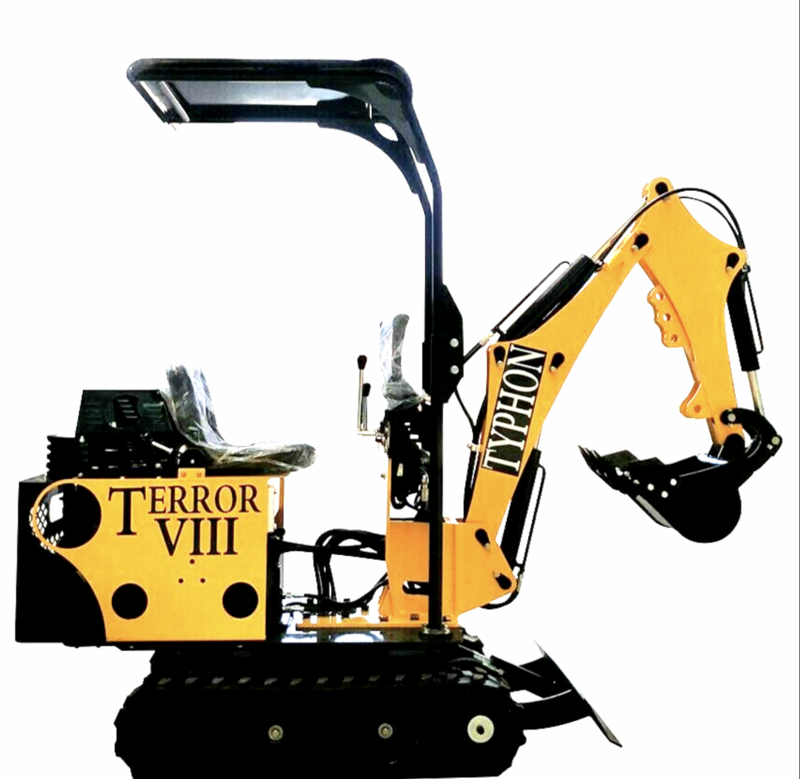
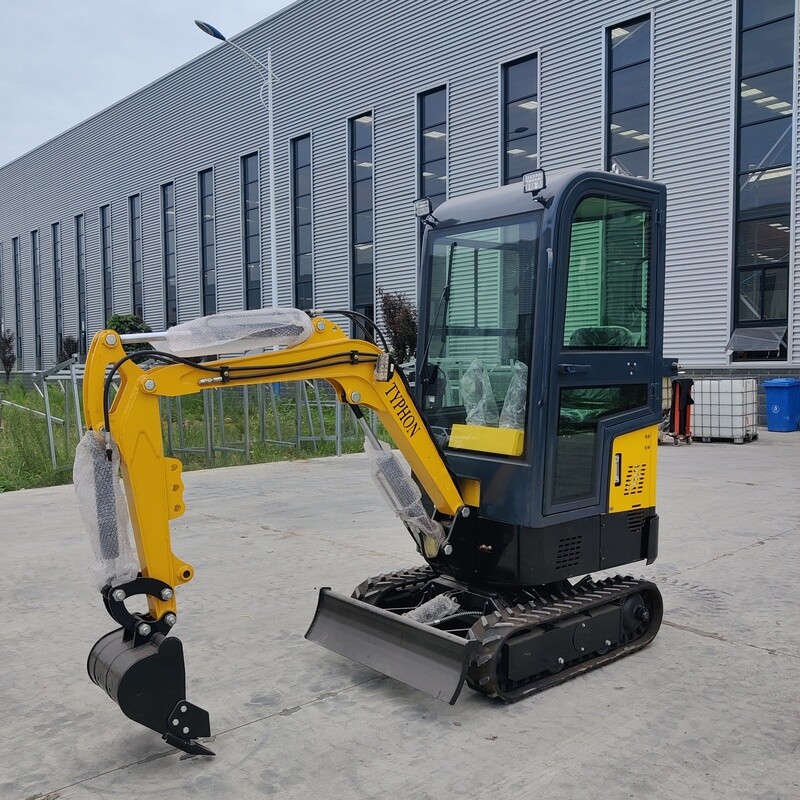
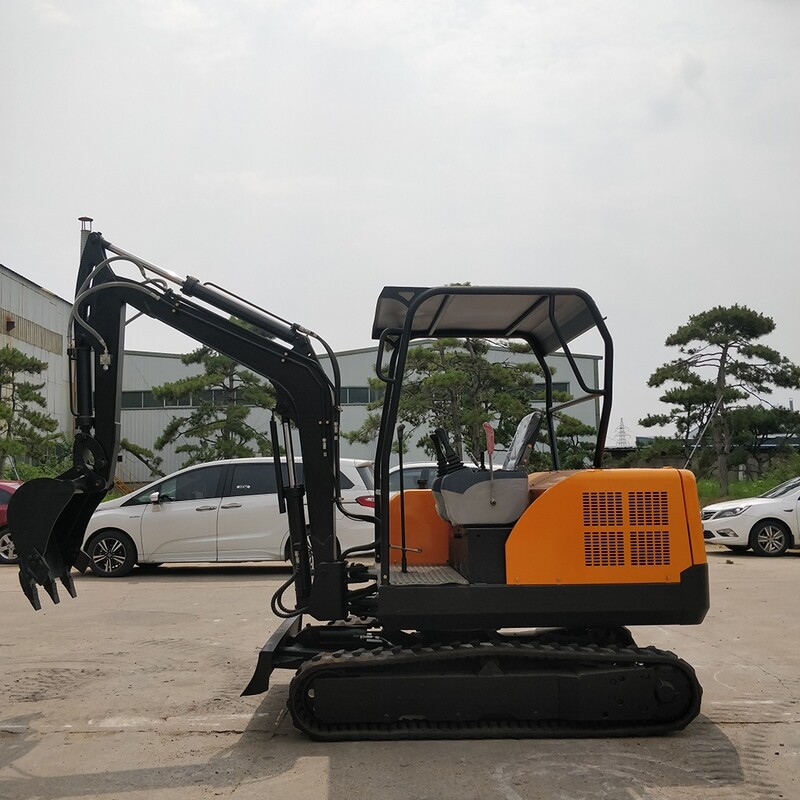
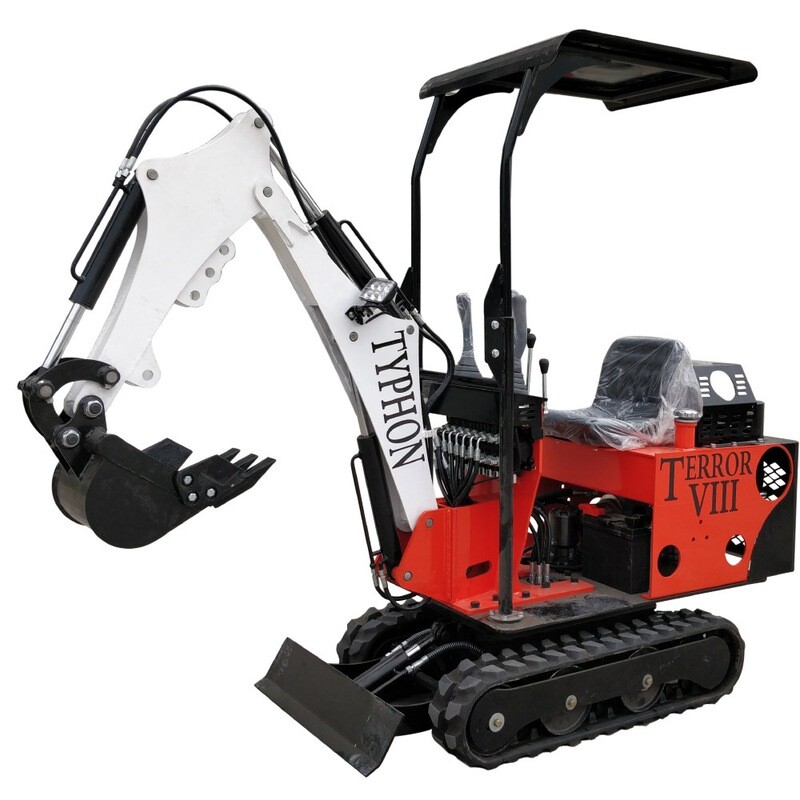
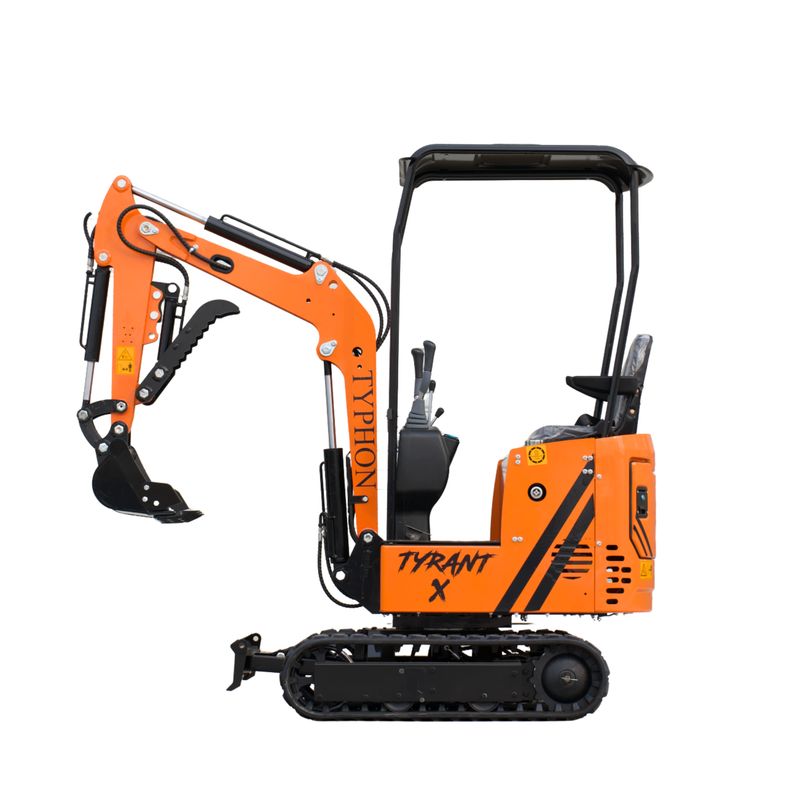
The TERROR range of mini excavators by TYPHON offers high fuel efficiency, maximum durability and low price. With more than 10 models on sale in the United States, ranging from 800 kg to 4,000 kg, TYPHON mini excavators provide the right type of service whatever your construction demands. Visit TYPHON Machinery to make a purchase online or request for more product information!
The Gear You Actually Need: Must-Have Attachments
Here is a secret: a mini excavator with just a standard digging bucket is like a smartphone with no apps installed. It is useful, but you are missing out on 90% of its potential. The attachments are where the real landscaping magic happens.
- The Hydraulic Thumb: If you only have the budget to buy one extra piece of gear, make it a thumb. It acts like a giant, mechanical finger that presses firmly against the bucket, letting you easily grab, pinch, and perfectly place awkward stuff like fallen logs, scrap concrete, and river rock. It turns your excavator into a giant hand.
- The Earth Auger: If you build wooden fences, install deck footings, or plant large, mature trees, an auger is mandatory. It uses the machine’s hydraulics to drill perfect, deep holes into the earth in a fraction of the time it takes to use a manual post-hole digger.
- The Grading Bucket (Ditch Cleaning Bucket): This is a wide, flat-edged bucket without any sharp teeth. You absolutely need this for smoothing out loose soil, backfilling trenches quickly, and leveling out a yard perfectly before laying down fresh sod or gravel.
- The Ripper Tooth: If you live in an area with brutal, compacted clay soil, thick winter ice, or deeply entrenched tree roots, a ripper tooth focuses 100% of the machine’s hydraulic breakout force into a single, devastating point to tear right through the obstacle.
5 Common Beginner Mistakes to Avoid
If you have never operated compact earthmoving equipment before, the learning curve is real. Avoid these rookie mistakes to keep your property intact:
- Jerking the Controls: Hydraulics are highly sensitive. Beginners tend to slam the joysticks all the way forward or backward. Treat the controls like the gas pedal on a sports car—smooth, gradual pressure is the key to a clean dig.
- Digging Over the Side: Mini excavators are highly stable when you are digging directly over the front of the tracks or the back of the tracks. If you swing the boom 90 degrees to the side and try to lift a heavy boulder, the machine can—and will—tip over.
- Forgetting to Drop the Blade: That little bulldozer blade on the front isn’t just for pushing dirt. Before you start digging, you must lower that blade into the dirt to act as an anchor. It stabilizes the machine and prevents you from sliding forward into your own trench.
- Ignoring Track Tension: Rubber tracks stretch over time. If they get too loose, you will “throw a track” (it will pop completely off the undercarriage). Fixing a thrown track in the middle of a muddy yard is an absolute nightmare. Check the tension weekly.
- Swinging Blind: Always look over your shoulder before rotating the cab. It is incredibly easy to get tunnel vision on your bucket and accidentally smash the back of the machine into a parked car or a brick wall.
Renting vs. Owning: Making the Right Call
Should you call the local rental yard, or should you sign the papers and buy your own rig? It really comes down to math and how often you are moving dirt.
When Renting Makes Sense: If you are a weekend warrior homeowner tackling a one-time backyard project, just rent the machine. It usually runs about $200 to $400 a day, plus delivery fees. The massive benefit here is that the rental yard handles all the messy maintenance—oil changes, greasing the joints, and fixing broken hydraulic lines. Once you are done, they come pick it up, and you never have to worry about storing it.
When Buying is the Only Way: If you are running a landscaping business and you find yourself renting a machine more than three or four times a month, stop throwing your money away. Your monthly rental fees are likely significantly higher than a monthly finance payment would be. Plus, owning your own equipment means you never have to delay a client’s job because the rental yard is completely out of stock during the busy spring rush.
A Note on Financing: A lot of guys get intimidated by the sticker price of heavy machinery. But buying is easier than you think. When you go with a high-value brand like Typhon Machinery, you are already saving money on the initial purchase price. Furthermore, you can usually secure fantastic, flexible rates through specialized heavy equipment financing partners like Paramount Financial. They understand the landscaping business model and offer tailored payment plans, making the jump from renting to owning surprisingly painless and highly profitable for your cash flow.
Crucial Safety and Site Preparation Steps
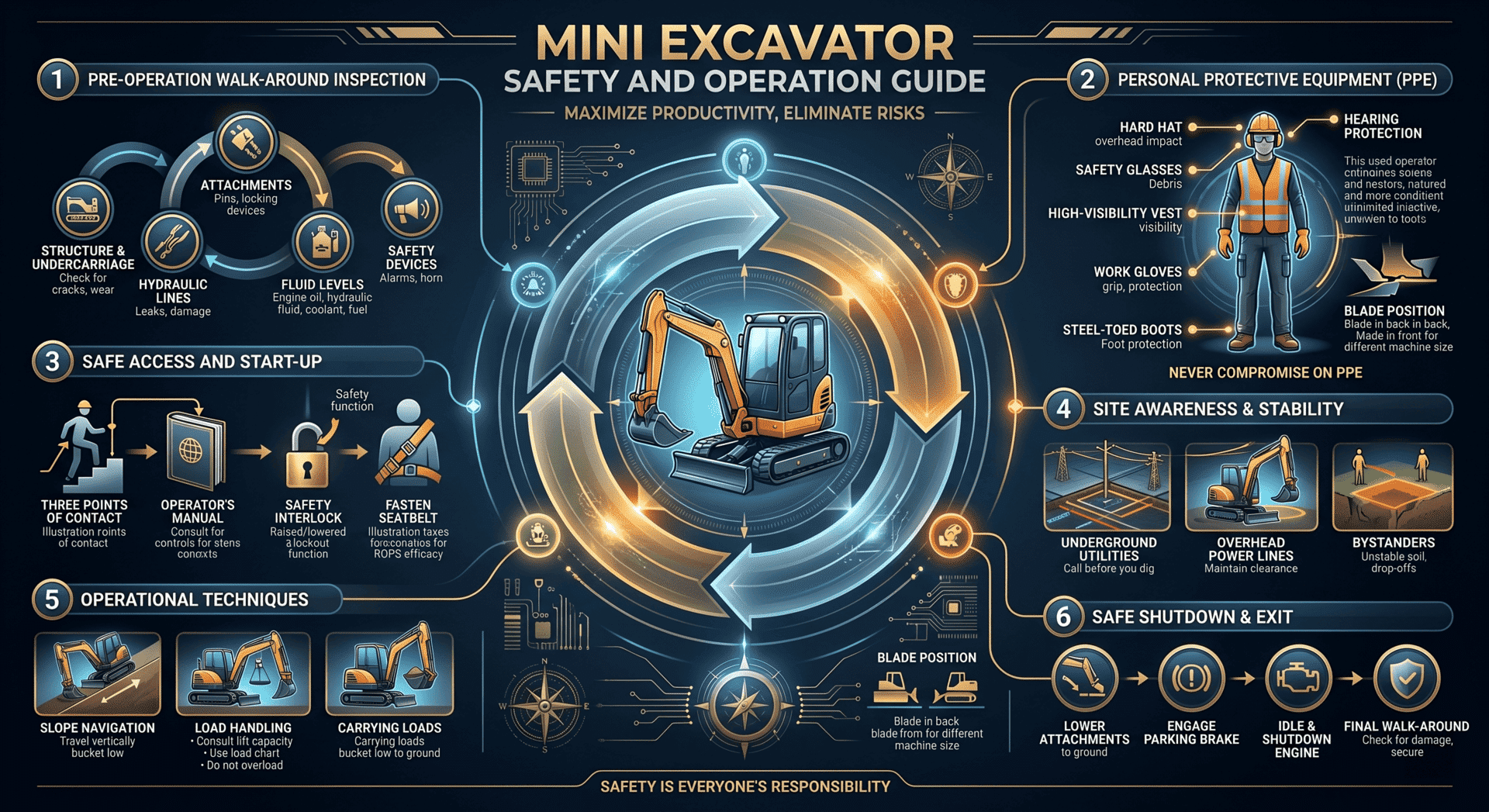
Before you even turn the key in the ignition, you need to prep your site.
- Call 811 Before You Dig: This is non-negotiable. In the US, dial 811 a few days before your project starts. The utility companies will come out for free and spray paint the ground to mark underground gas lines, water pipes, and electrical cables. Hitting a fiber optic cable is a multi-thousand-dollar mistake; hitting a gas line is a fatal one.
- Measure Everything: Get a tape measure and physically measure your gate width, the pathway width between the house and the fence, and overhead clearances (tree branches, power lines, house eaves) before the excavator is delivered to your driveway.
Frequently Asked Questions (FAQ)
To wrap things up, let’s tackle the most common questions people have when searching for what the best mini excavators are for small landscaping jobs.
Q: Do I need a special license or permit to operate a mini excavator?
A: If you are using it for personal use on your own private property, absolutely not. Anyone can rent and operate one. However, if you are a commercial contractor driving it onto public roadways to dig utility trenches, you may need specific local commercial licenses or Department of Transportation (DOT) certifications depending on your state laws.
Q: How fast do mini excavators travel?
A: They are built for power, not speed. Most models top out at roughly 1.5 to 3 miles per hour. You are not winning any drag races. They usually have a “turtle” mode for precise digging and a “rabbit” mode for tracking across the yard.
Q: Can a 1-ton mini excavator really remove tree stumps?
A: Absolutely! A 1- to 2-ton machine is fantastic for removing small- to medium-sized stumps. You use a bucket with aggressive teeth to dig a circle around the stump, sever the thick roots, and then use the machine’s hydraulic breakout force to pop the stump out like a bad tooth. For massive, ancient oak stumps, you might need a dedicated stump grinder or a larger 4-ton machine.
Conclusion: Ready to Break Ground?
So, what are the best mini excavators for small landscaping jobs? The honest truth is that there is no single magical machine. The best excavator is the one that fits through your specific garden gate, handles the soil conditions in your region, and makes strict financial sense for your business model or personal budget.
If you are looking for an incredible, unbeatable balance of rugged durability and upfront value, Typhon Machinery offers models that are seriously hard to beat. Meanwhile, ultra-compact legacy models like the Kubota K008-3 remain perfect for standard suburban backyards with notoriously narrow access points.
An excavator’s performance depends on the operator and the attachments. Please take your time and plan your job carefully.