Skip to content
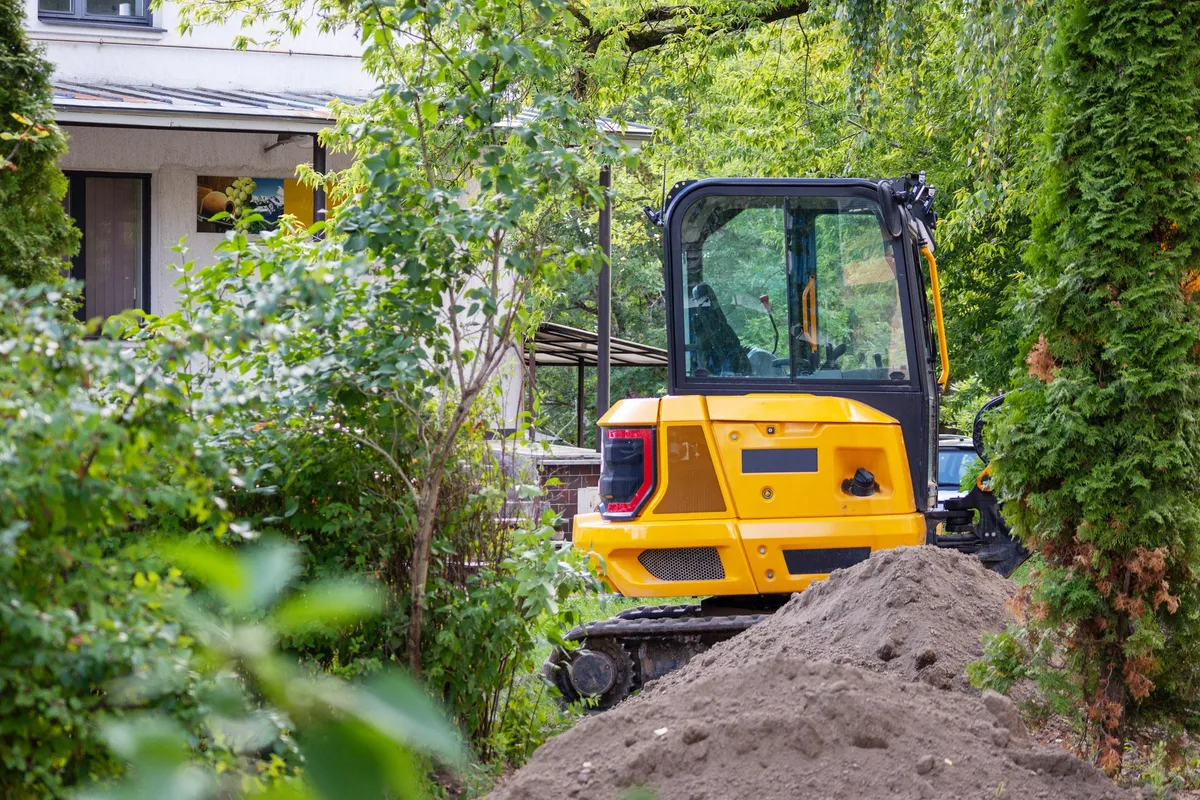
Timing matters more than most buyers realize. Whether you’re a contractor who’s been renting for two years or a landscaper who just landed a bigger client base, the question of when to pull the trigger on the best mini excavator for sale isn’t always straightforward. But there are real signals, financial, seasonal, and operational, that tell you the window is open. Here’s how to read them.
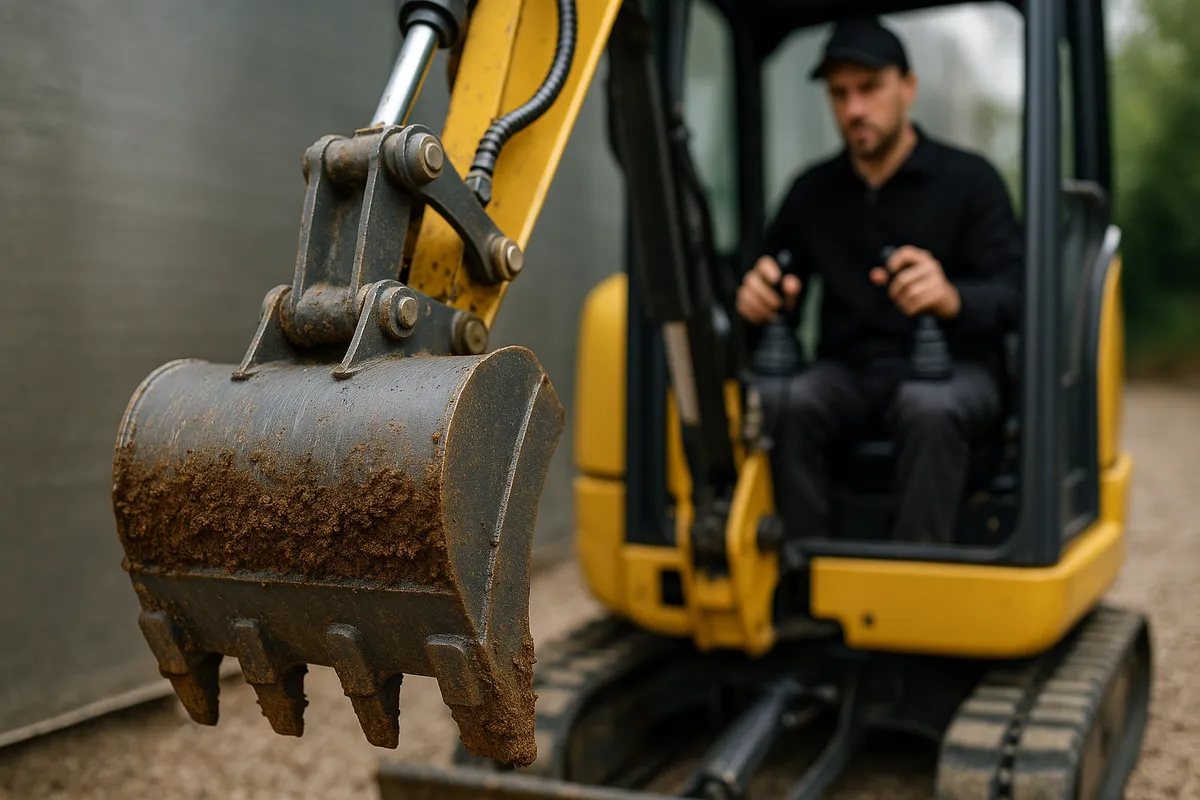
Your Rental Bills Are Quietly Eating Your Profit
This is the signal most people ignore the longest. Rental costs feel manageable month to month, but when you add them up across a full year, the number is often shocking. If you’re renting a compact excavator three weeks out of every month, you’ve likely already paid for a significant portion of a machine you could own outright.
The math gets even clearer when you factor in availability. Rental yards run out of machines during peak season. That means turning down jobs, delaying projects, or scrambling to find equipment at a premium rate. Ownership removes that variable entirely. You control the schedule. The machine is there when you need it, not when the rental yard happens to have one free.
If you’ve been on the fence, it’s worth reading through this complete buy vs. rent breakdownit lays out the numbers in a way that makes the decision much easier to see clearly.
The Machine Has to Match the Work, Not the Other Way Around
One of the most common mistakes buyers make is choosing a compact digger based on price alone, then spending the next few years working around its limitations. The right time to buy is also about buying the right machine, and that means being honest about what your jobs actually demand.
Are you working in tight residential spaces where a zero tail swing design is critical? Are you digging utility trenches that require a specific bucket width and dig depth? Do you need a machine that can handle attachments, augers, breakers, thumb buckets, or is straight digging your primary use case?
Size plays a bigger role than most people expect. A machine that’s too small will struggle and wear out faster. One that’s too large won’t fit where you need it. Getting this right before you buy saves a lot of frustration down the road. The guide to choosing the right size for your project is a solid starting point if you’re still narrowing down your options.
At TYPHON Machinery, the inventory is built around real working conditions, machines designed to perform across a range of job types, not just look good on a spec sheet. Customers who’ve gone through the buying process consistently mention that having clear guidance on specs made a real difference in their confidence going into the purchase.
Market Conditions Right Now Favor the Buyer
Equipment pricing isn’t static. It moves with demand, supply chains, and broader economic conditions. Right now, buyers who do their research are finding that compact excavator pricing is competitive, and dealers with direct inventory, rather than third-party markups, are offering real value.
Financing availability has also changed the calculation for a lot of buyers. Instead of waiting until you’ve saved enough cash to buy outright, structured financing lets you put a machine to work immediately and let it generate the income that covers the payments. That’s a fundamentally different way to think about the purchase, the machine pays for itself while you use it.
If financing is part of your plan, it’s worth exploring mini excavator financing options before you assume ownership is out of reach. The terms available today might surprise you.
You’ve Outgrown “Good Enough”, And You Know It
There’s a version of this decision that isn’t about numbers at all. It’s about capacity. When the jobs you want to take require equipment you don’t own, you’re leaving work on the table. When subcontractors are handling tasks you could handle yourself with the right machine, your margin shrinks. When you’re turning down calls because you can’t commit to a timeline without guaranteed equipment access, that’s the clearest signal of all.
The right time to buy a compact excavator is when not having one is costing you more than owning one would. That crossover point is different for every operation, but most experienced contractors will tell you they wish they’d hit it sooner.
Buying a machine is a commitment, but it’s also a statement about where your business is going. The buyers who approach it that way, focused on capability and long-term value rather than just the upfront cost, tend to be the ones who look back on the purchase as one of the best calls they made. Browse the current mini excavator inventory and see what’s available right now.
Frequently Asked Questions
How do I know if my rental costs have actually crossed the point where buying makes more sense?
The article points to a simple gut-check: if you’re renting a compact excavator three weeks out of every month, you’ve likely already paid for a significant chunk of a machine you could own outright. Add up your full year of rental invoices, most buyers find that number is a lot harder to look at than the monthly bills were. Once you factor in the times you couldn’t get a machine at all during peak season and had to turn down work, the math usually tips pretty clearly toward ownership.
What should I actually be thinking about when it comes to picking the right size compact excavator?
The article is direct about this: a machine that’s too small will struggle and wear out faster, while one that’s too large won’t fit the job sites where you need it. You need to be honest about your actual work, tight residential spaces may require a zero tail swing design, utility trenches have specific dig depth and bucket width requirements, and attachment use like augers or breakers changes what you need entirely. Getting the size wrong before you buy leads to years of working around a machine’s limitations rather than letting it do the job.
Do I need to have the full purchase price saved up before I can realistically buy?
Not according to the article, it specifically calls out that structured financing changes the calculation for a lot of buyers by letting you put the machine to work immediately and cover payments with the income it generates. The article frames this as a fundamentally different way to think about the purchase: the machine pays for itself while you’re using it. It also notes that the financing terms available right now might be better than buyers expect, so it’s worth looking into before assuming ownership is out of reach.
What’s the clearest sign that I’ve waited too long to buy?
The article puts it plainly: when not having a machine is costing you more than owning one would, you’ve already passed the crossover point. Specific warning signs it mentions include turning down jobs because you can’t guarantee equipment access, letting subcontractors handle work you could do yourself, and watching your margin shrink as a result. Most experienced contractors quoted in the article’s framing say they wish they’d hit that crossover point sooner.
Is now actually a good time to buy, or is it better to wait for prices to drop?
The article says equipment pricing moves with demand and supply chains, and that right now buyers who do their research are finding compact excavator pricing is competitive, particularly from dealers who carry direct inventory rather than adding third-party markups. It doesn’t promise prices will drop, and it doesn’t tell you to rush, but it does make the case that waiting while rental bills pile up and jobs get turned down has a real cost that tends to outweigh the benefit of holding out for a better deal.
Get Directions to Typhon Machinery
🎧 Listen to this as a podcast
Also on Apple Podcasts, Spotify, and Amazon Music.