Skip to content
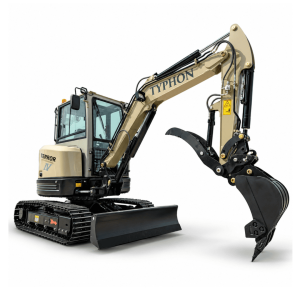
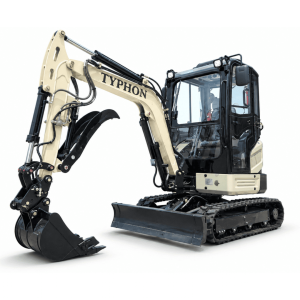
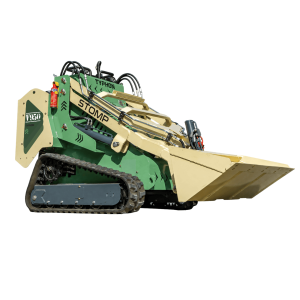
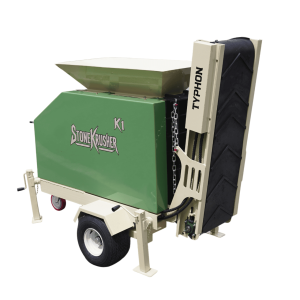
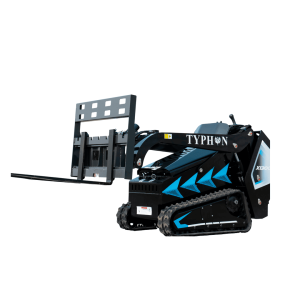
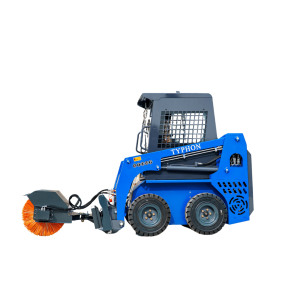
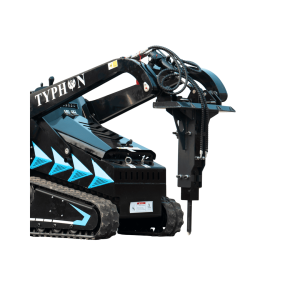
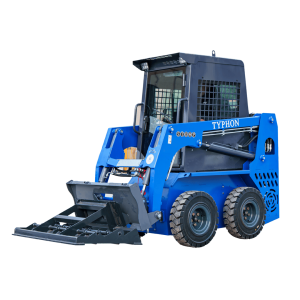
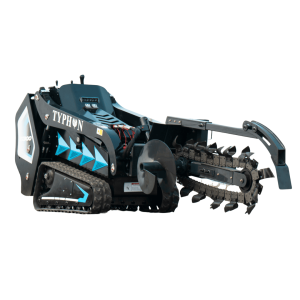
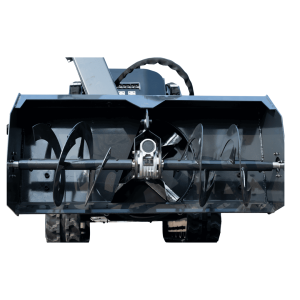









If you’re shopping for a mini excavator, you’ve probably noticed that two machines with the same weight on paper can behave very differently on a real jobsite. This is what we tell customers on the phone: what these machines do well, how to pick a size you won’t outgrow in a year, and what to check before you pay.
What a mini excavator actually does well
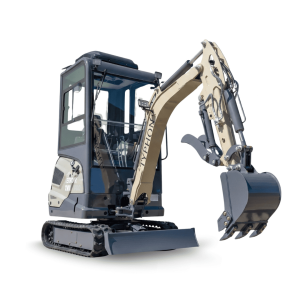
A mini excavator — some people say compact excavator, others just call it a mini digger — is a tracked machine, usually between one and five tons, with a boom, arm and bucket on a cab that rotates. It exists for one reason: to dig accurately in places a full-size machine can’t get to.
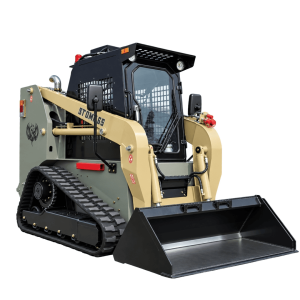
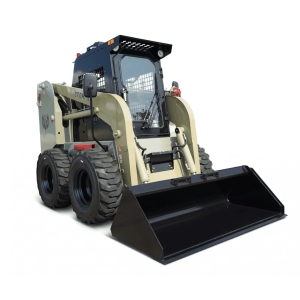
Think drainage and water-line trenches, footings for a shed or deck, stump removal, pond digging, and tearing out an old concrete slab. What it’s not great at is moving big piles of loose material all day (a skid steer is faster at that) or breaking hard rock without the right breaker attachment. Knowing that going in saves a lot of frustration later.
Getting the size right
Size is the decision people get wrong most often, and it usually goes wrong in the same direction: buying smaller to save money, then wishing for more reach and lift a few months in. There’s a quick reference in the sidebar. The short version is that a 1-ton machine suits tight backyards and light digging, the 2 to 3-ton range covers most landscaping and utility work, and around 4 tons is where foundations and heavier trenching start to feel comfortable.
If a job every month or two needs the bigger machine, that’s the one to buy. Just make sure your truck and trailer can handle it — the larger units are still light enough for a standard pickup and trailer setup, but check your towing capacity before you order.
Features that matter more than the spec sheet suggests
Most listings brag about horsepower. Here’s what we’d actually look at instead:
- A proven diesel engine. Kubota and Yanmar diesels are the ones mechanics already know how to work on, and parts are easy to find years down the road.
- Boom swing. It lets you dig right alongside a wall or fence without repositioning the whole machine. You’ll use it constantly once you have it.
- Retractable tracks. Narrow enough to get through a gate, then wide again for stability once you’re working. It’s the feature that makes a compact excavator genuinely usable in a backyard.
- Pilot controls and a proper cab. On the larger models, a cabin with heat and A/C makes a full day much easier to get through.
- An auxiliary hydraulic line. If you plan to run a breaker, auger or thumb, check for one before you buy. Adding it later is a hassle.
What it costs to run and keep running
Running costs are mostly diesel, grease, and your time. A compact machine is easy on fuel compared with anything larger, and the daily routine is short: check engine oil and coolant, grease the pivot points, glance at track tension, and look under the machine for leaks. That ten-minute habit prevents most of the expensive problems.
The bigger question is what happens when something wears out. Before buying from anyone, ask how quickly you can get a hydraulic hose or a set of track pads. Every TYPHON mini excavator ships with a 1-year warranty, and we keep genuine spare parts and attachments in stock, so a worn part doesn’t leave your machine parked for weeks.
Ready to compare? Browse the range above, or tell us the job and we’ll point you to the right size.
Browse Mini Excavators Talk to Our Team