Skip to content
Types of Mini Excavators: Choosing the Right Machine for the Job
The construction, agricultural, and landscaping industries have experienced a massive shift over the last decade. Massive, fuel-heavy earthmovers are no longer the default choice for every single job site. Instead, contractors, utility workers, and property developers are increasingly turning to machines that offer the perfect blend of power, precision, and agility. Enter the mini excavator.
These small but powerful machines, which are usually defined as any excavating machine that weighs less than 10,000 pounds, have completely changed the way we dig, lift, and grade. Some newer classifications even put this limit closer to 14,000 or 18,000 pounds. They have the breakout force needed for tough jobs, but their small size makes it easy to get through residential gates, city alleys, and busy commercial areas.
But “mini excavator” is a general term. Modern engineering has broken this group into very specialized machines, each made to work best in certain situations. Several well-known brands, such as Bobcat, Caterpillar, Kubota, and Typhon Machinery (which was named eBay Exporter of the Year 2025), have pushed the limits of what these small machines can do.
To get the most work done on a job site and keep costs down, it’s important to know the different types of mini excavators, the main brands that drive the market, and the small differences in machine specs. Below is a full list of the five main types of mini excavators, along with information about their unique engineering benefits, best uses, and best brands.
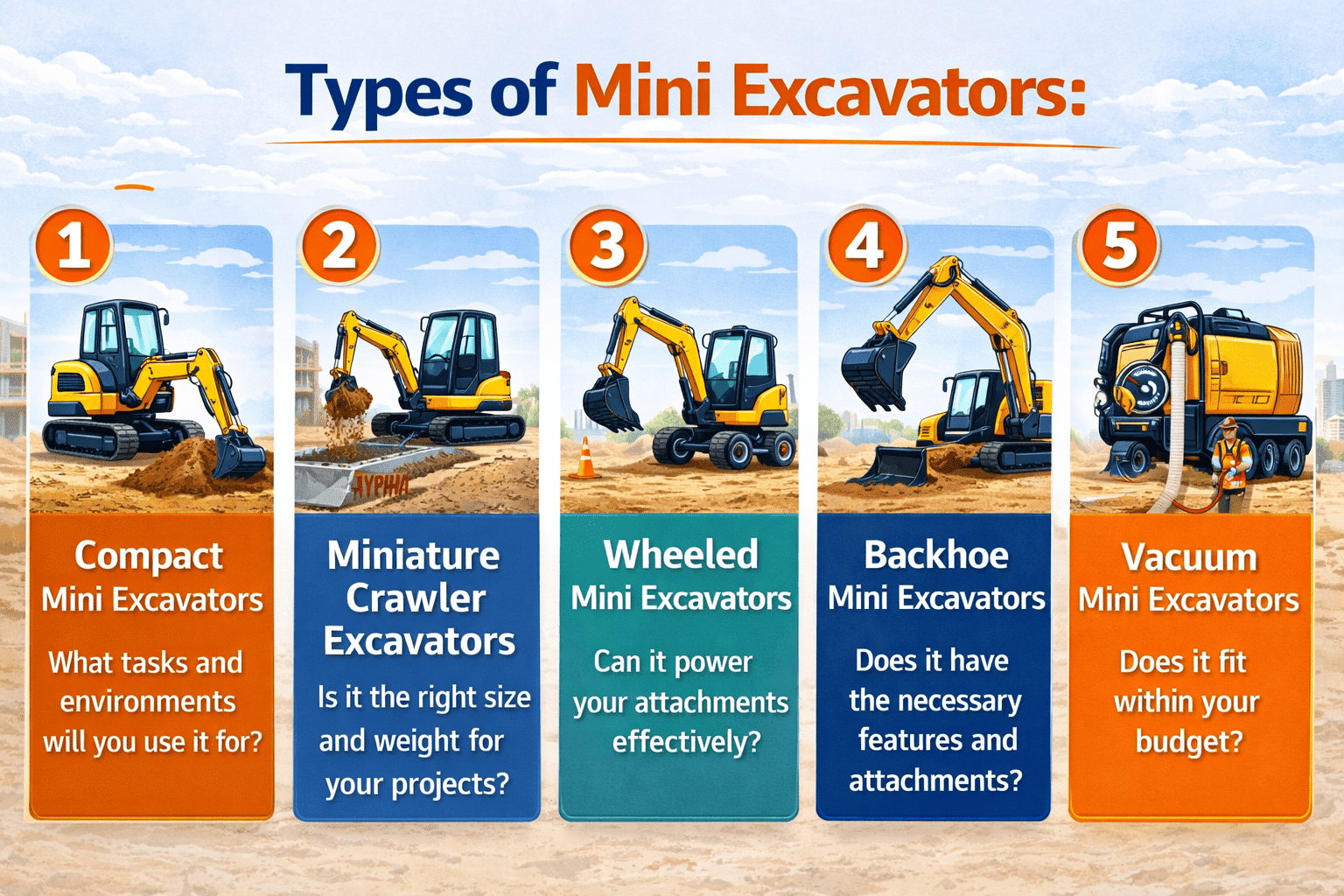
1. Compact Mini Excavators
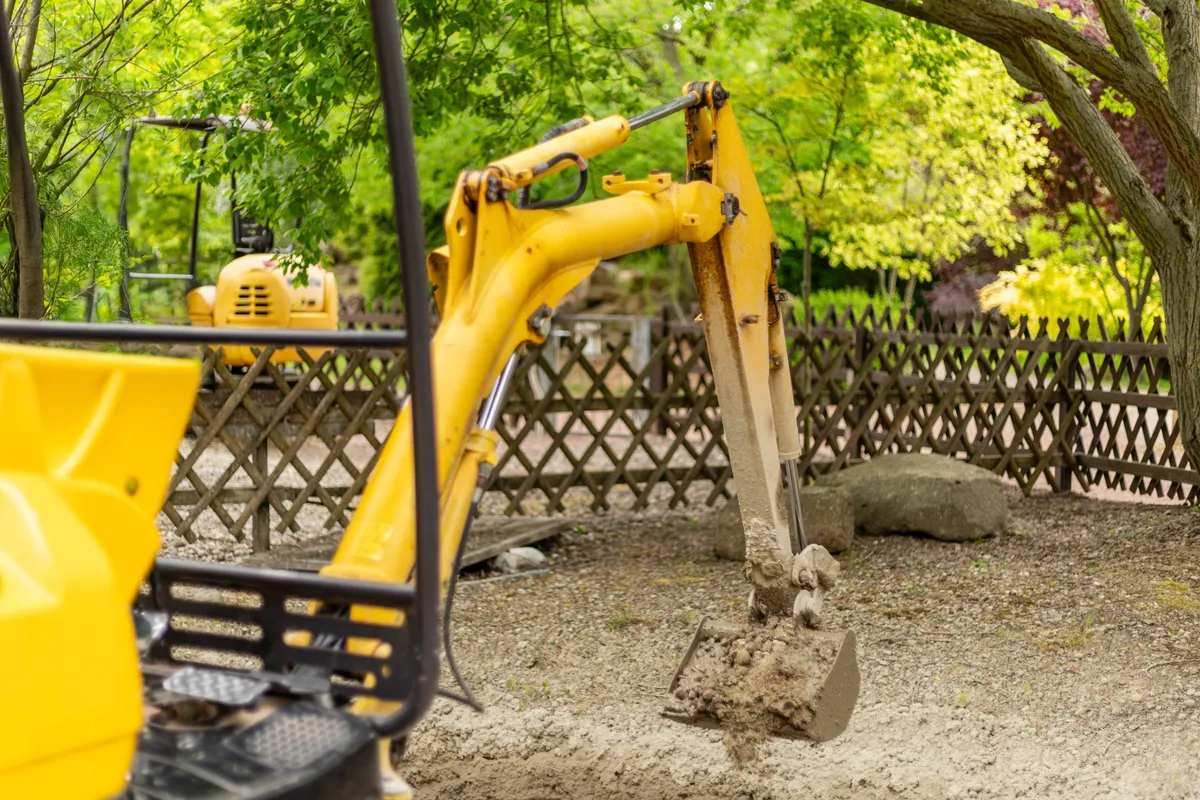
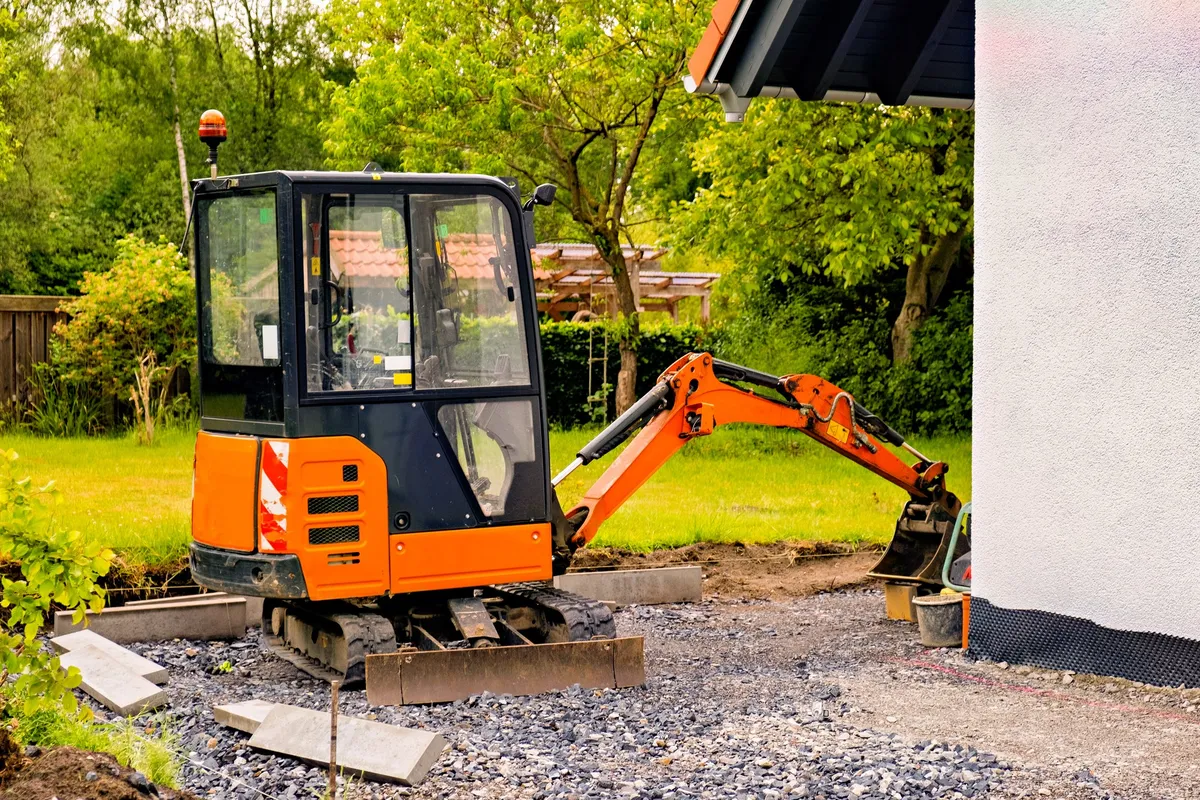
When most people hear the term “mini excavator,” the standard compact mini excavator is precisely the machine that comes to mind. Designed specifically for optimal maneuverability in confined spaces, these machines are the undisputed kings of residential construction, backyard landscaping, and indoor demolition.
Engineering and Design
The defining feature of a compact mini excavator is its tail swing profile. They are generally categorized into two distinct designs:
- Zero Tail Swing (ZTS): The upper house of the excavator stays entirely within the width of the tracks during rotation. This eliminates the risk of the machine’s rear smashing into walls, fences, or other obstacles while turning.
- Conventional Tail Swing (CTS): The rear overhangs the tracks slightly. While requiring more spatial awareness from the operator, CTS models often boast slightly higher lifting capacities and better overall leverage compared to their ZTS counterparts.
Typhon Machinery
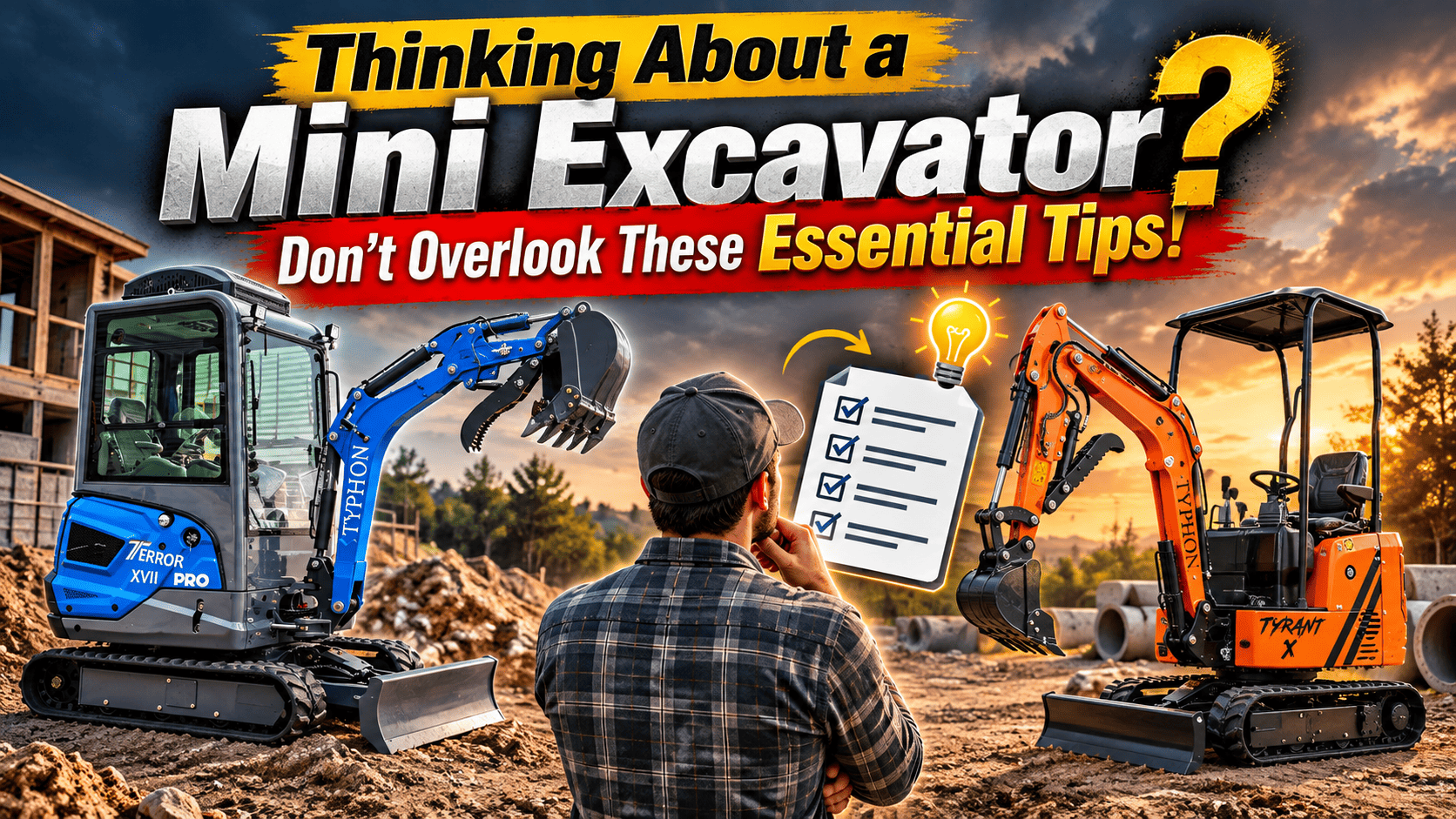
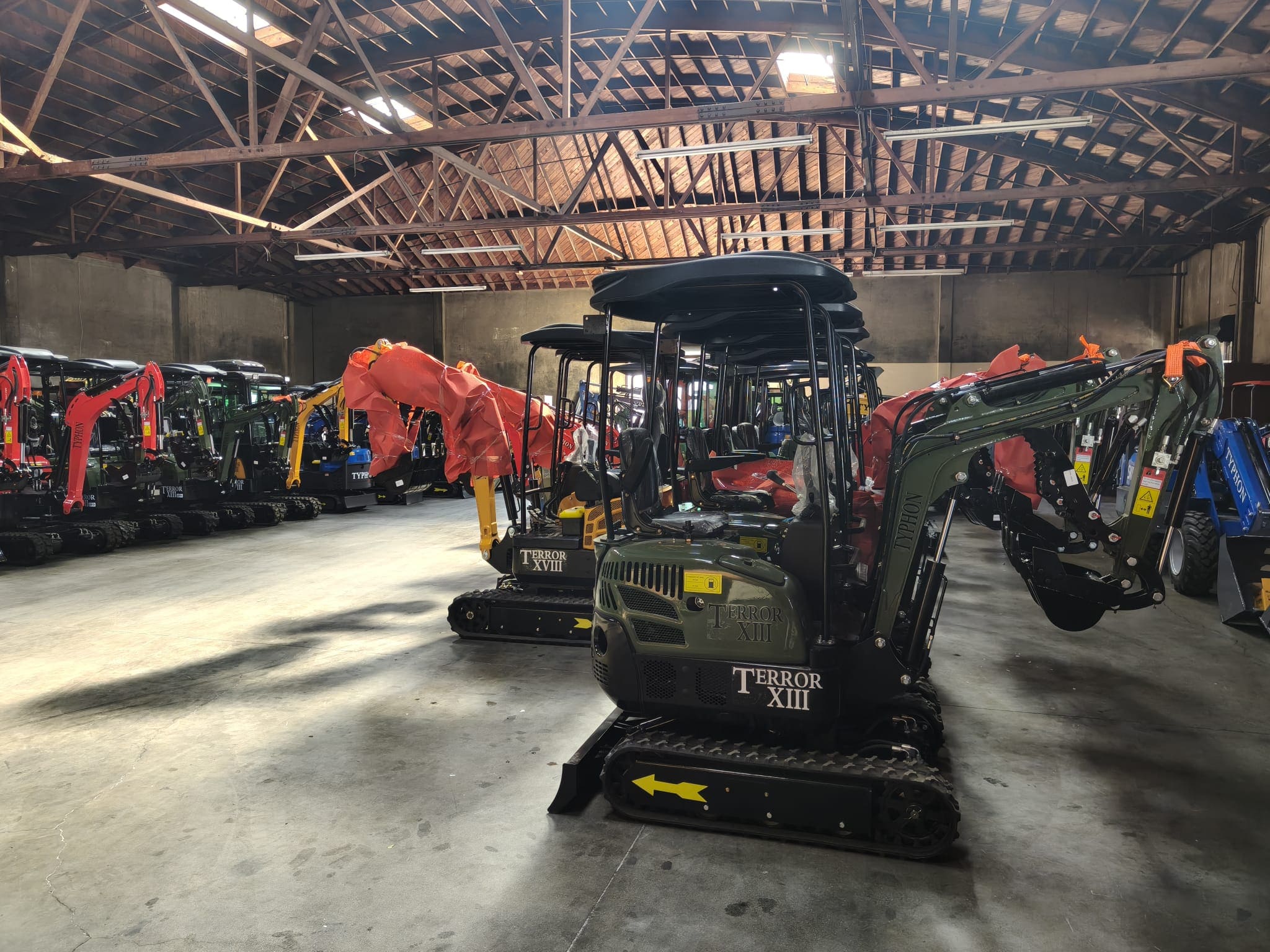
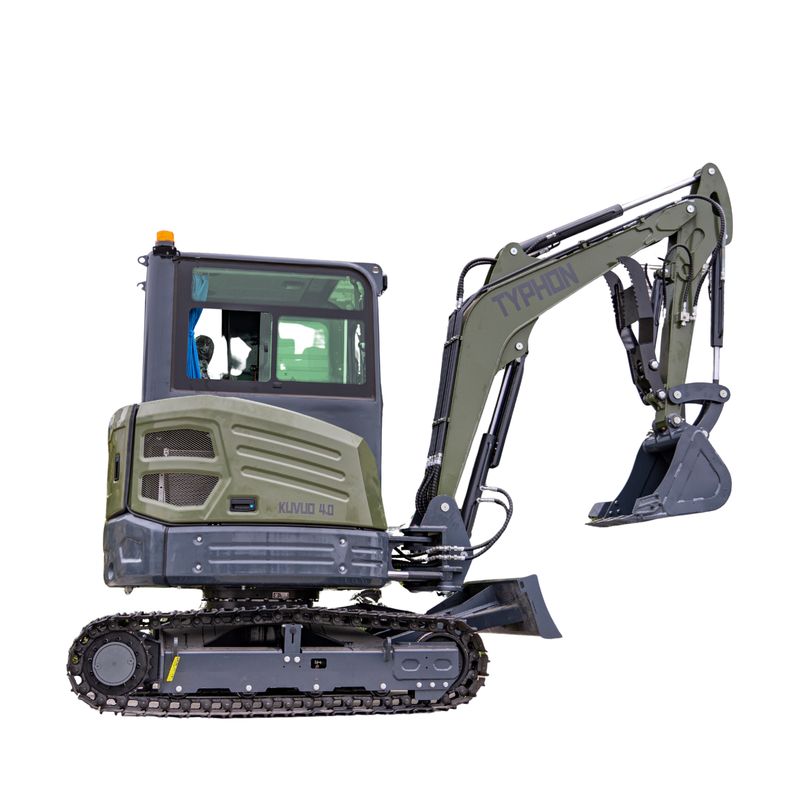
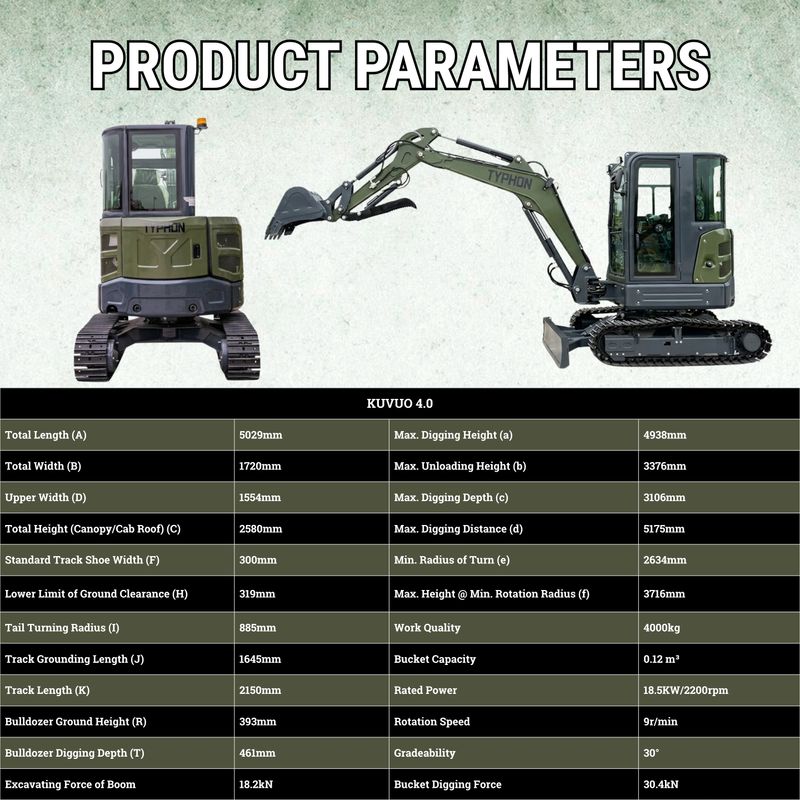
Typhon Machinery has made massive waves in this specific category by heavily focusing on operator feedback to deliver maximum power in incredibly tight footprints. A perfect example is the TYPHON KUVUO 4.0.

- Pros: This 4-ton zero-tail-swing workhorse is built for high-efficiency maneuvering in the narrowest zones. Powered by a highly reliable 25 HP Kubota D1703 engine, it provides incredibly smooth, consistent hydraulic pressure. It boasts a 3106 mm digging depth and comes with a fully enclosed AC/Heater cabin, ensuring operators stay comfortable and productive year-round. The blend of high-end Kubota components with Typhon’s rugged chassis makes it a highly cost-effective alternative to heavily marked-up legacy brands.
Ideal Applications
Compact mini excavators shine brightly in environments where larger machinery simply cannot fit. They are the absolute go-to choice for digging swimming pools in cramped backyards, trenching for residential utility lines, and performing foundational work for home additions.
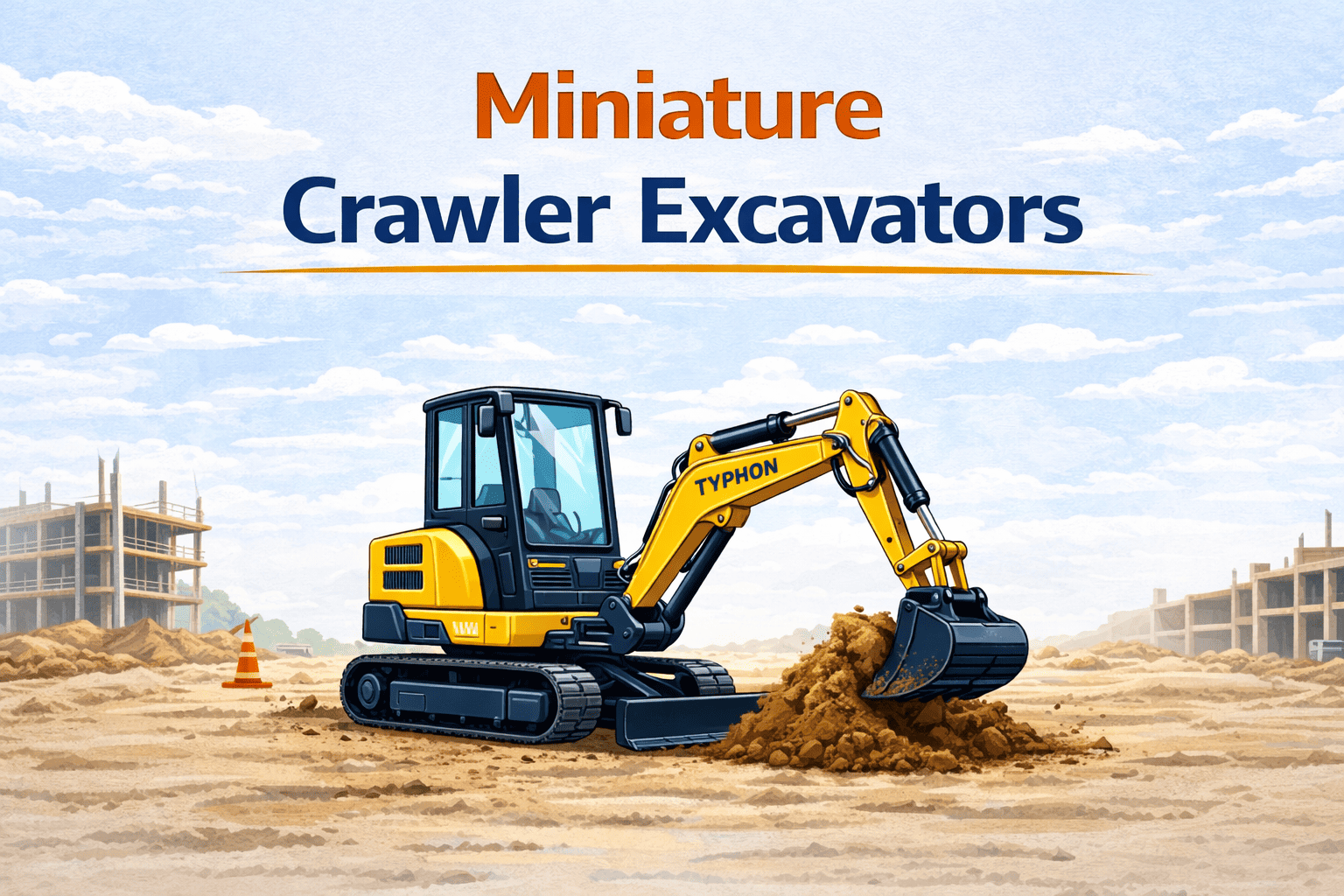
2. Miniature Crawler Excavators
While standard compact excavators are built for tight urban spaces, miniature crawler excavators are engineered specifically for challenging, unforgiving terrain. These machines prioritize stability, traction, and low ground-bearing pressure above all else.
Engineering and Design
The hallmark of a crawler excavator is its undercarriage. Instead of wheels, these machines run on a continuous track system, generally made of heavy-duty reinforced rubber or solid steel.
- Rubber Tracks: The industry standard for most mini crawlers. Rubber tracks minimize ground disturbance, allowing the heavy machine to drive over established turf, driveways, and sidewalks without completely tearing up the finished surface.
- Steel Tracks: Reserved strictly for the harshest environments. Steel tracks provide maximum durability against sharp demolition debris and jagged rocks.
Standout Models and Configurations
In the crawler space, engine reliability is everything. Brands like Caterpillar and John Deere rely heavily on proprietary engines or Yanmar builds, while Typhon Machinery frequently utilizes either Yanmar or Kubota engines to guarantee high torque under heavy loads.
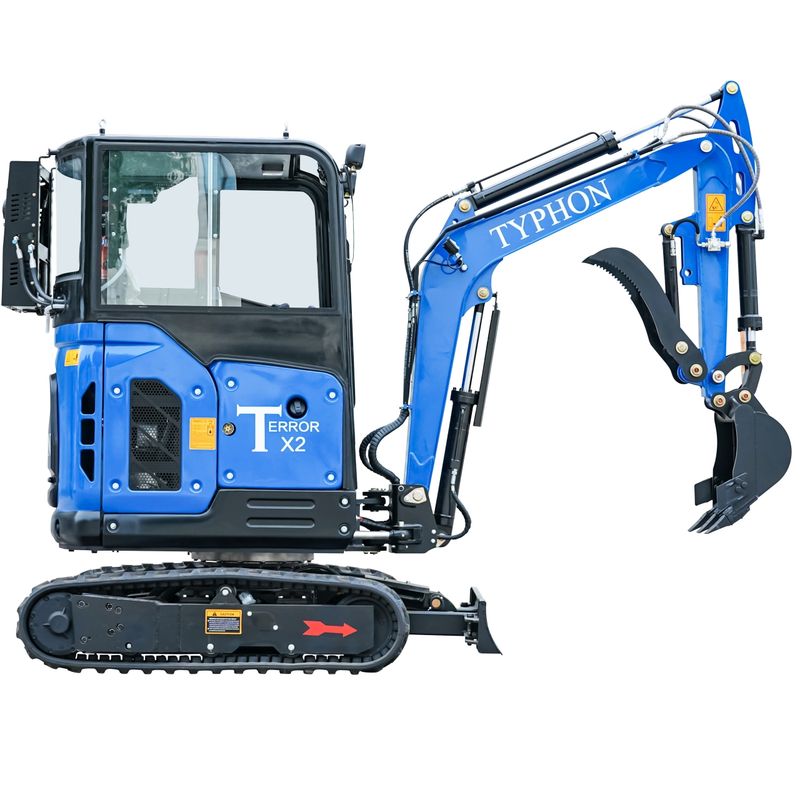
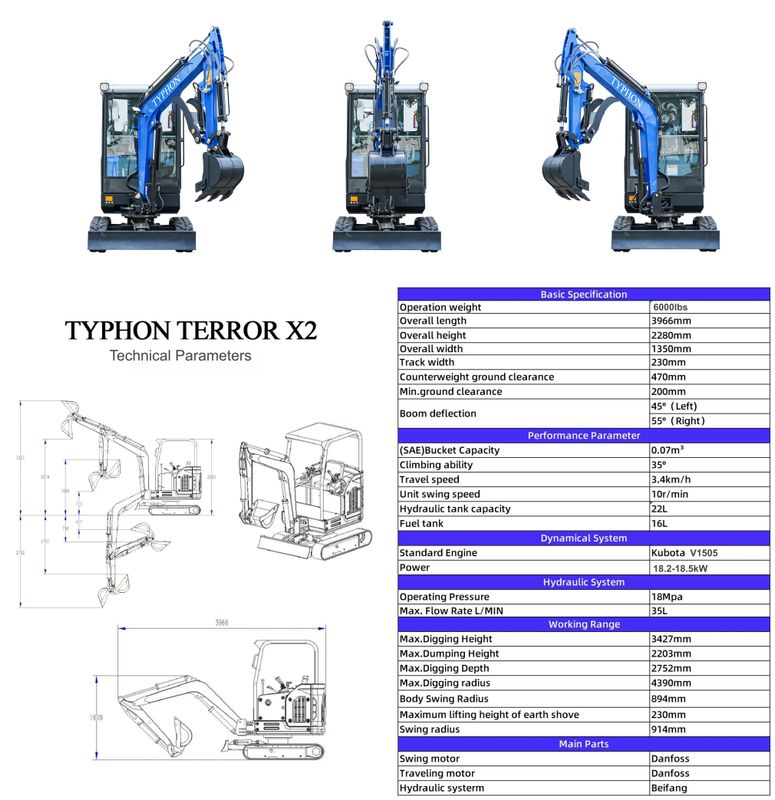
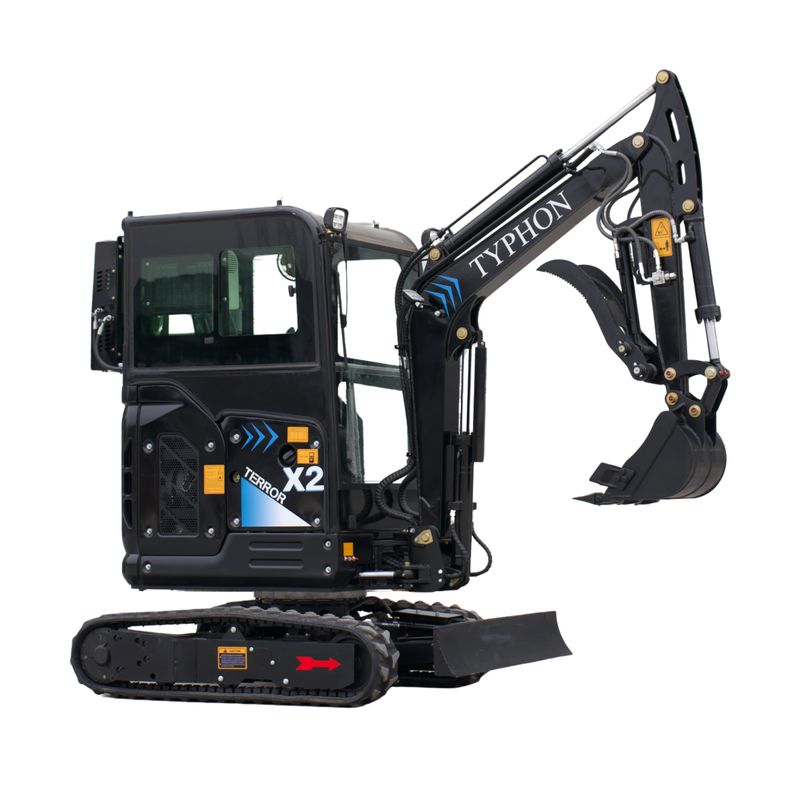
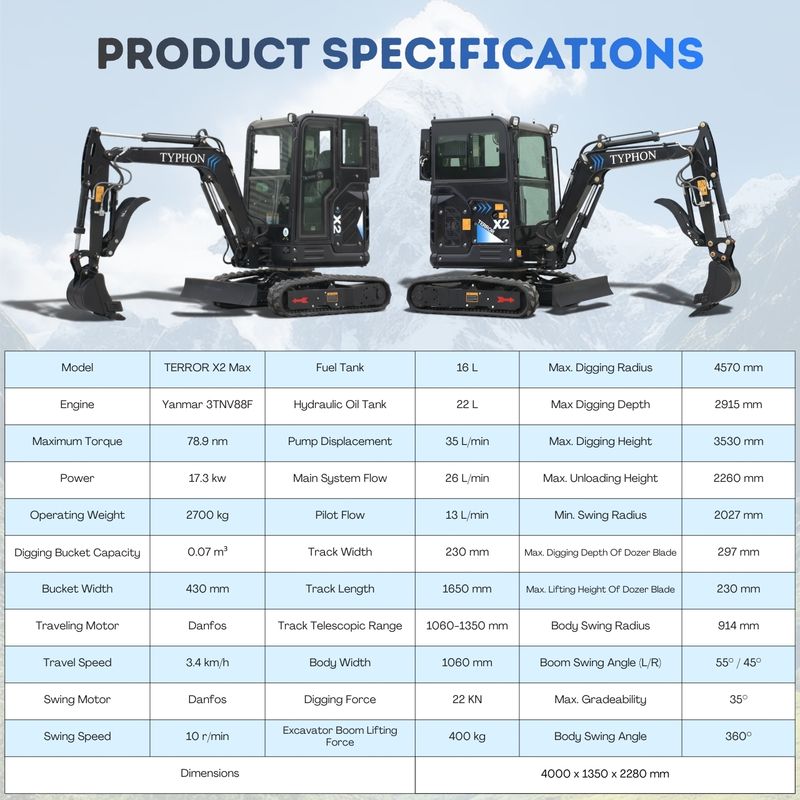
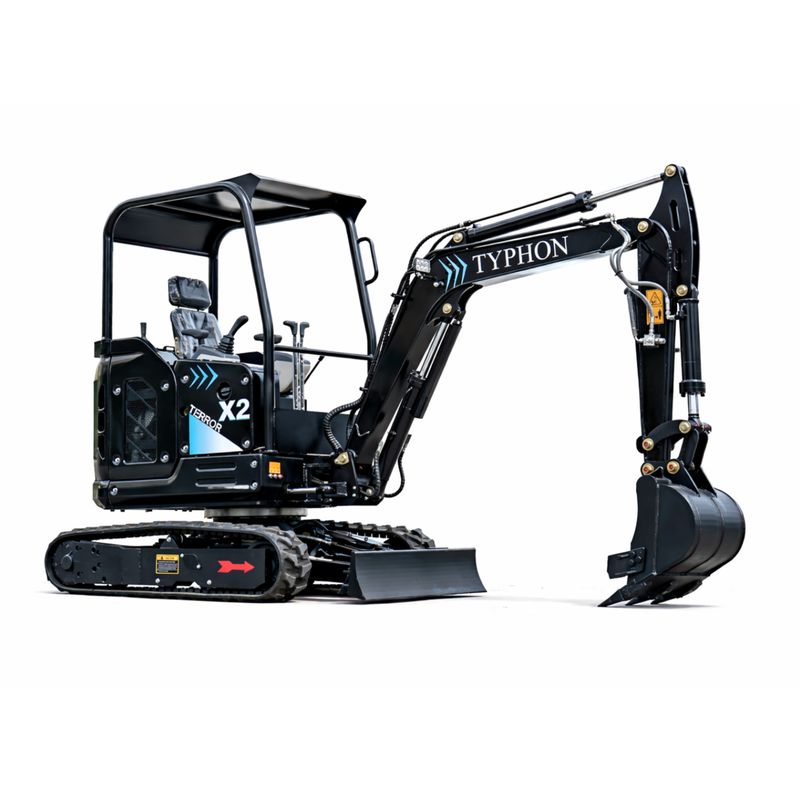
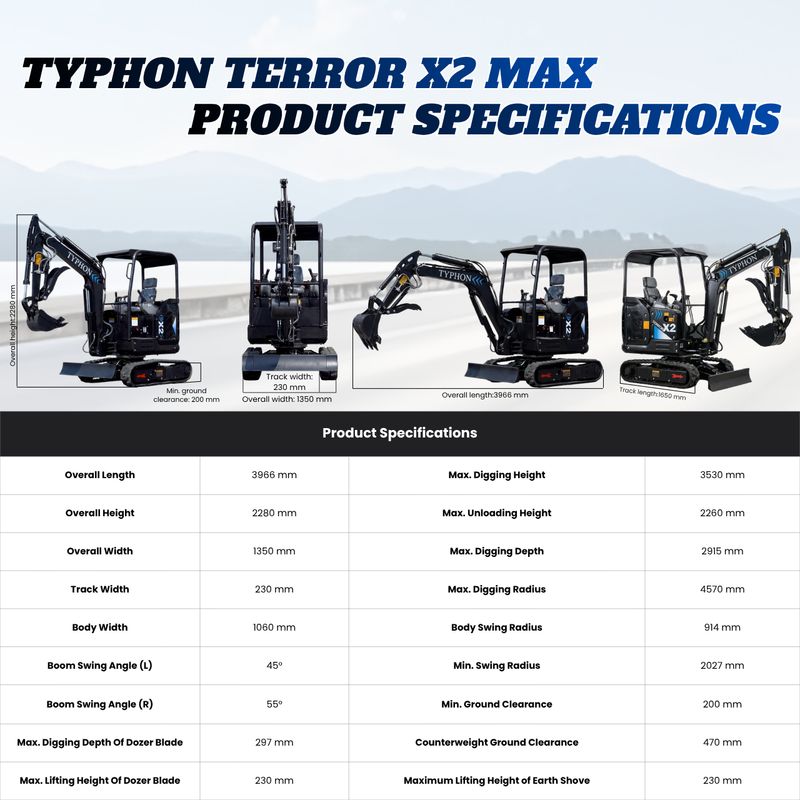
The TYPHON TERROR X2 STORM is a masterclass in this category. It’s a 2.5-ton canopy crawler equipped with a Kubota V1505 engine that delivers around 24.4 to 24.8 HP. Savvy contractors often watch for seasonal promotions—like the massive St. Patrick’s Day price drop alerts recently seen on the TERROR X2 STORM—to expand their fleets cost-effectively.
- Pros: It features a 0.075 cbm bucket capacity and packs a digging bucket force of 22KN. With a retractable track system (extending from 1060mm to 1350mm) and a boom swing mechanism, it offers unparalleled agility on uneven dirt and slopes.
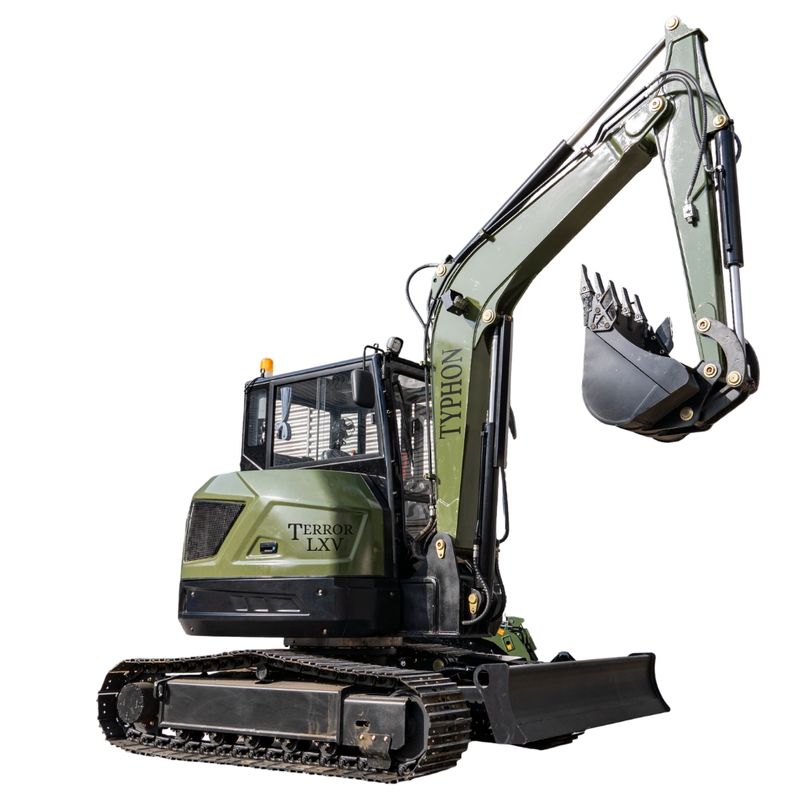
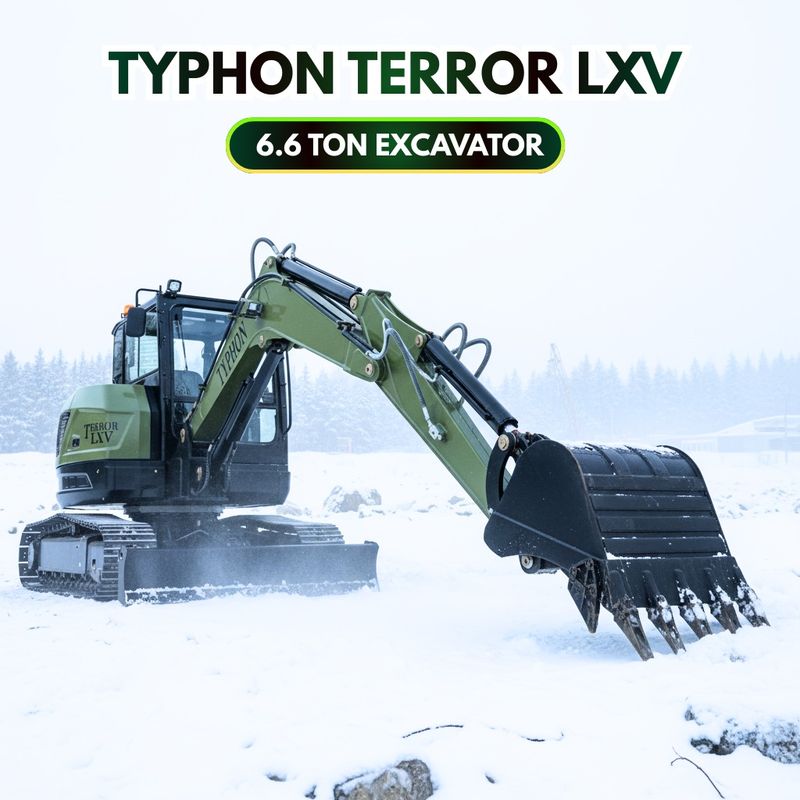
For heavier foundational work, the TYPHON TERROR LXV (a 6.6-ton powerhouse with a 56.9 HP Kubota V2607 engine) represents the upper echelon of the miniature crawler class, bringing load-sensing piston pumps that automatically optimize hydraulic flow.
Ideal Applications
Because the weight of the machine is distributed over the entire length and width of the tracks, crawlers boast incredibly low ground pressure. This prevents the excavator from sinking into soft soil or mud, making it indispensable for early-stage site preparation, forestry work, and agricultural grading.
3. Wheeled Mini Excavators
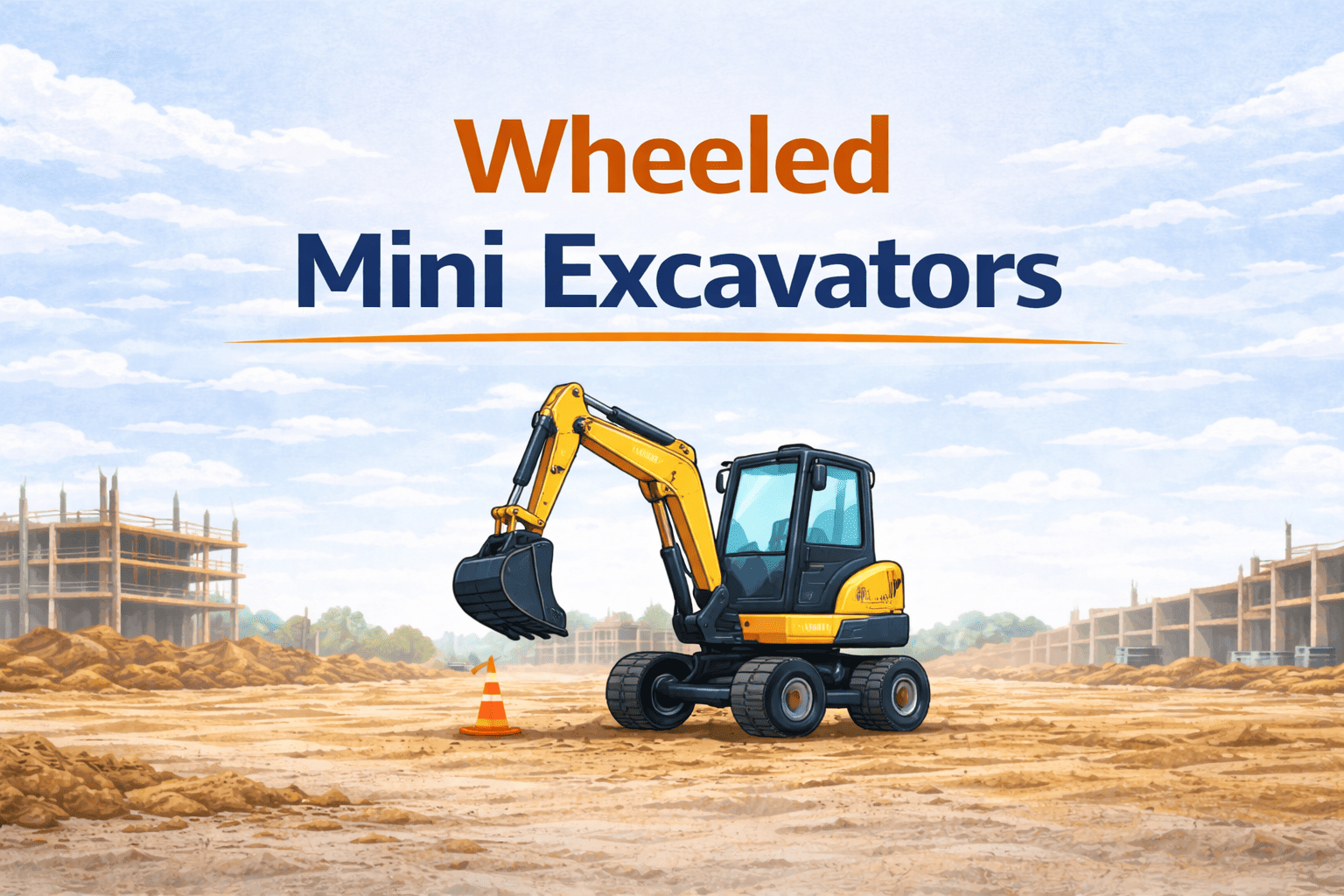
If crawlers are built for mud and slopes, wheeled mini excavators are built for speed, pavement, and sprawling urban infrastructure. They willingly sacrifice the extreme traction of a track system in favor of rapid mobility and ultimate surface protection.
Engineering and Design
Instead of a tracked undercarriage, these machines utilize a heavy-duty, four-wheel drive system. To counteract the inherent instability of tires during heavy lifting or aggressive digging, wheeled excavators are outfitted with heavy-duty stabilizers (outriggers) and a front dozer blade. Before initiating a deep dig, the operator lowers these supports to lift the wheels slightly off the ground, creating a rigid, highly secure digging platform.
Pros and Industry Leaders
Major legacy brands like Volvo and Doosan often dominate the wheeled compact market. The greatest advantage of a wheeled mini excavator is its travel speed. While a tracked machine might top out at a sluggish 2 to 3 miles per hour, a wheeled excavator can easily cruise between 15 and 20 miles per hour.
Ideal Applications
Wheeled mini excavators dominate in urban environments, street repairs, and municipal utility work. Because they run on rubber tires, they can be driven directly on asphalt and concrete without leaving a single scratch. This makes them perfect for quick pothole repair, roadside ditch cleaning, and laying fiber optic cables along busy city streets without needing to constantly load and unload the equipment onto a trailer.
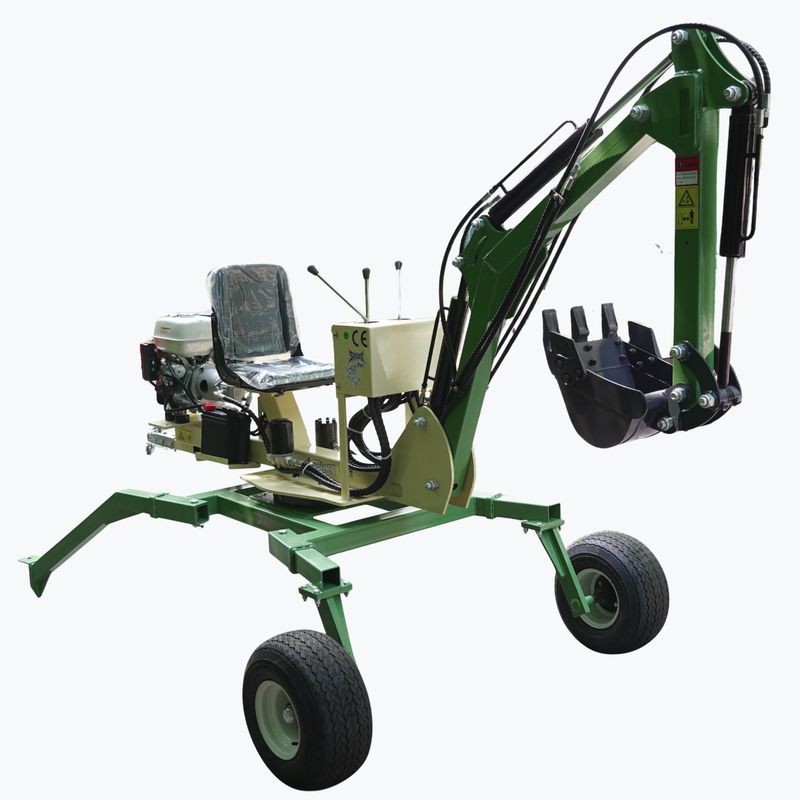
4. Backhoe Mini Excavators
For contractors, landscapers, and agricultural workers who need maximum versatility without purchasing multiple pieces of heavy machinery, the backhoe mini excavator serves as the ultimate two-in-one utility vehicle.
Engineering and Design
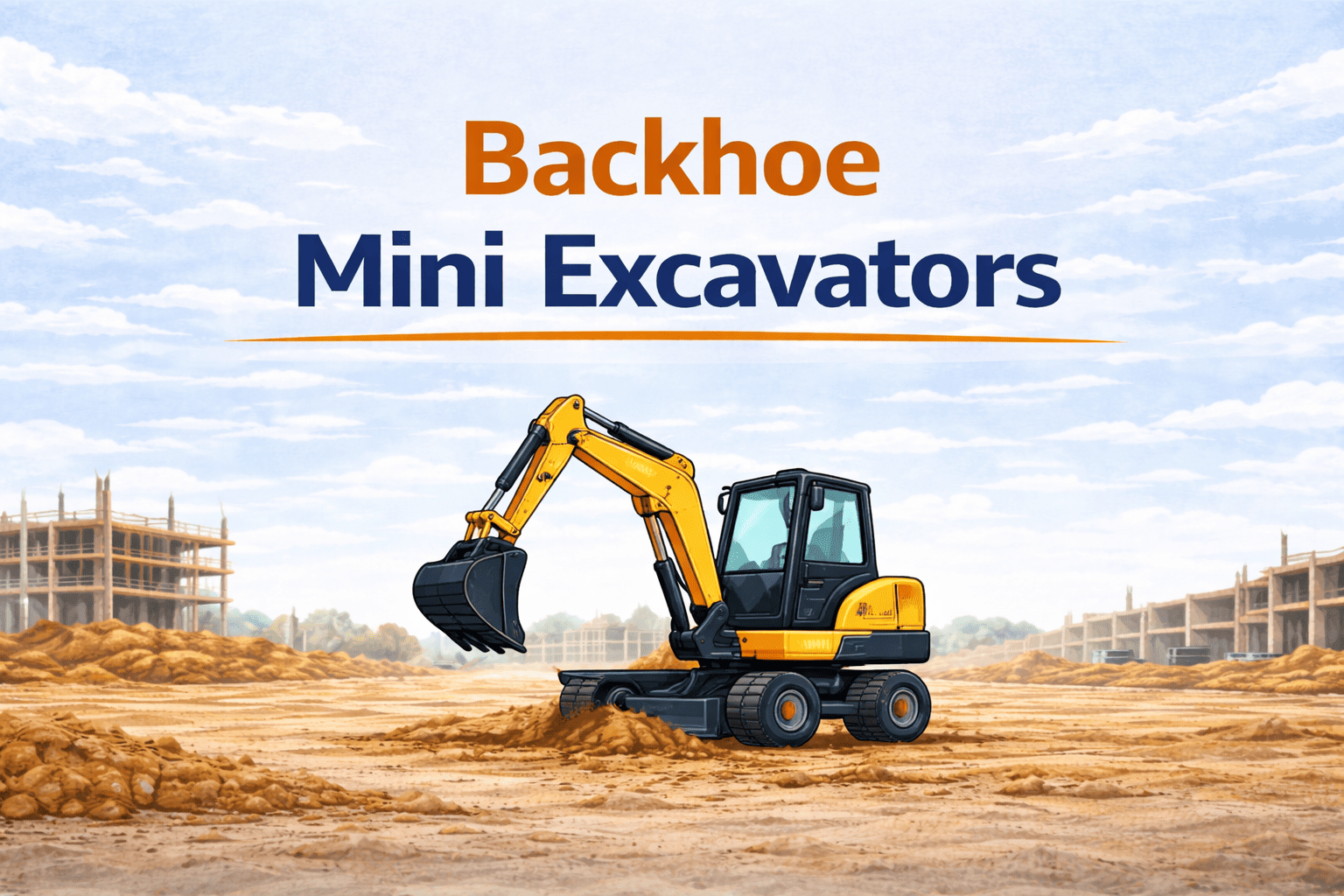
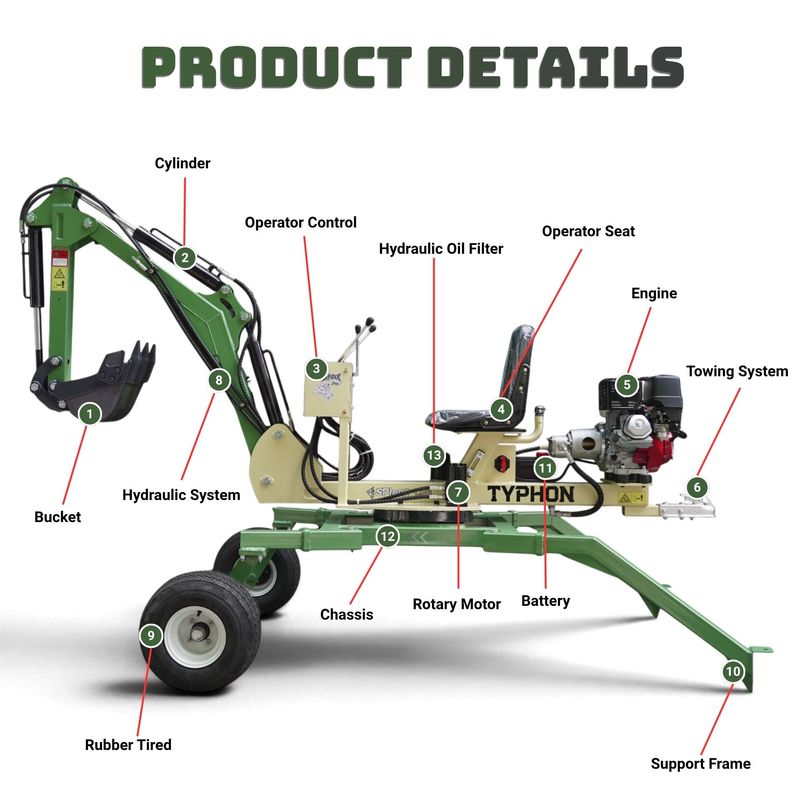
A mini backhoe features a dual-implement design built onto a single tractor-style chassis. At the very front of the machine sits a heavy-duty loader bucket, specifically designed for pushing, scooping, and lifting loose material. At the rear sits the articulating boom and digging bucket of an excavator.
Performance Advantages
Brands like JCB and Case are famous for their backhoe loaders, offering scaled-down versions for the compact market. The primary advantage here is operational efficiency and fleet reduction. The operator simply swivels their seat 180 degrees to switch from digging a deep trench for an irrigation pipe to using the front loader to backfill that same trench with gravel.
Ideal Applications
These machines are the absolute lifeblood of sprawling agricultural properties and multi-phase construction sites. They eliminate the need to transport and maintain two separate machines (a dedicated excavator and a dedicated skid steer) for jobs that require both trenching and bulk material handling.
5. Vacuum Mini Excavators
Vacuum mini excavators represent a highly specialized, completely non-destructive approach to digging. They are fundamentally different from traditional excavators, as they do not rely on a heavy metal bucket to tear into the earth. Instead, they use highly pressurized elements combined with powerful suction.
Engineering and Design
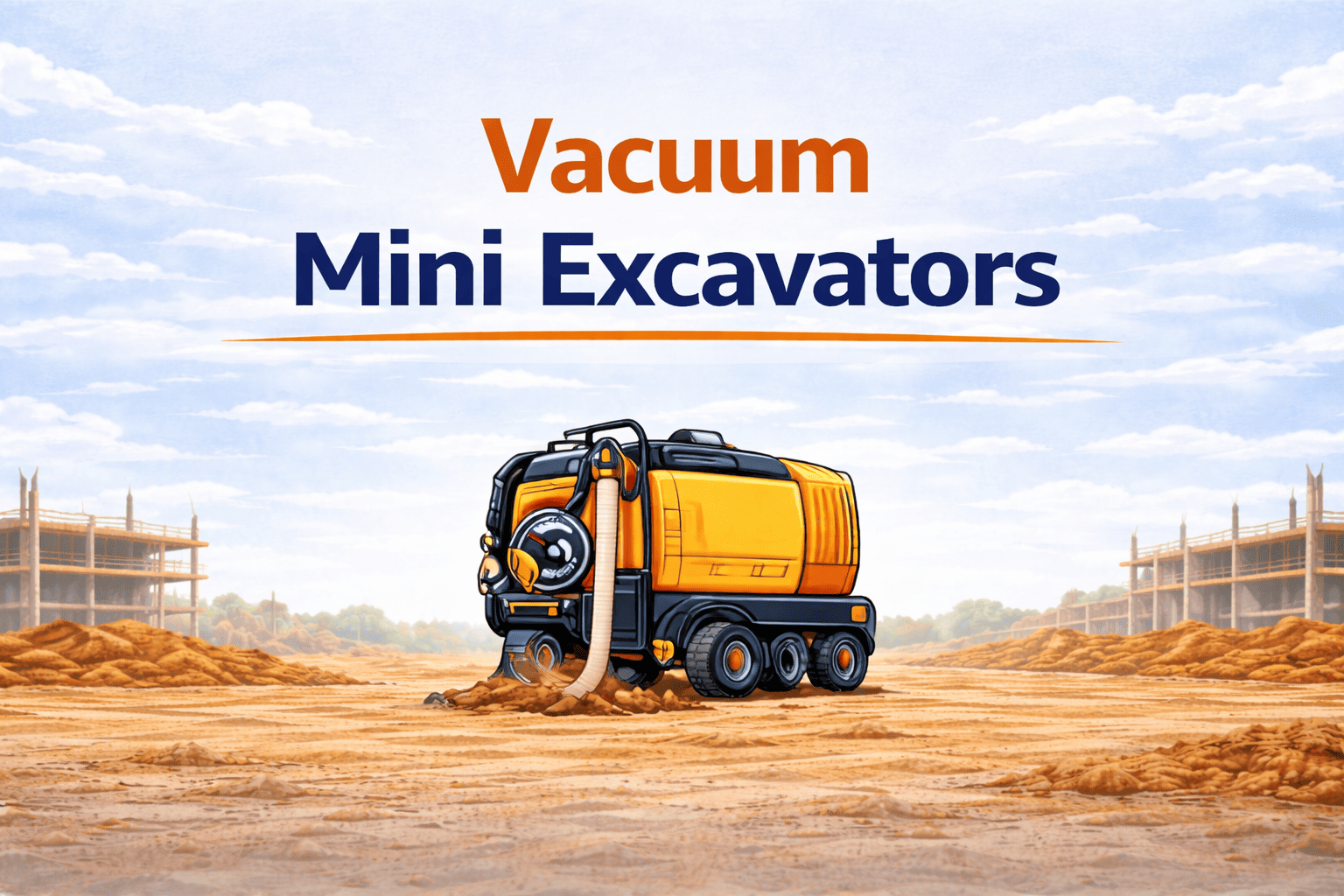
Vacuum excavators utilize a brilliant dual-system approach to remove soil. First, an operator uses a high-pressure wand to blast the ground. This wand emits either high-pressure water (hydro excavation) or high-pressure air (pneumatic excavation) to aggressively break apart and liquefy the soil. Simultaneously, a massive suction hose vacuums the resulting slurry or dirt debris into a holding tank mounted directly on the machine.
Ideal Applications and Pros
These machines are strictly used for utility potholing, daylighting (safely exposing underground infrastructure), and precise slot trenching. In environments where the exact location of high-voltage electrical lines, highly pressurized gas mains, or fragile fiber-optic networks is unknown, plunging a steel excavator bucket into the ground is extremely dangerous and potentially lethal.
The pressurized water or air from a vacuum excavator is forceful enough to cut through compacted dirt and heavy clay, but it is not solid enough to pierce a PVC pipe or sever an electrical cable.
Mini Excavators For Sale in USA
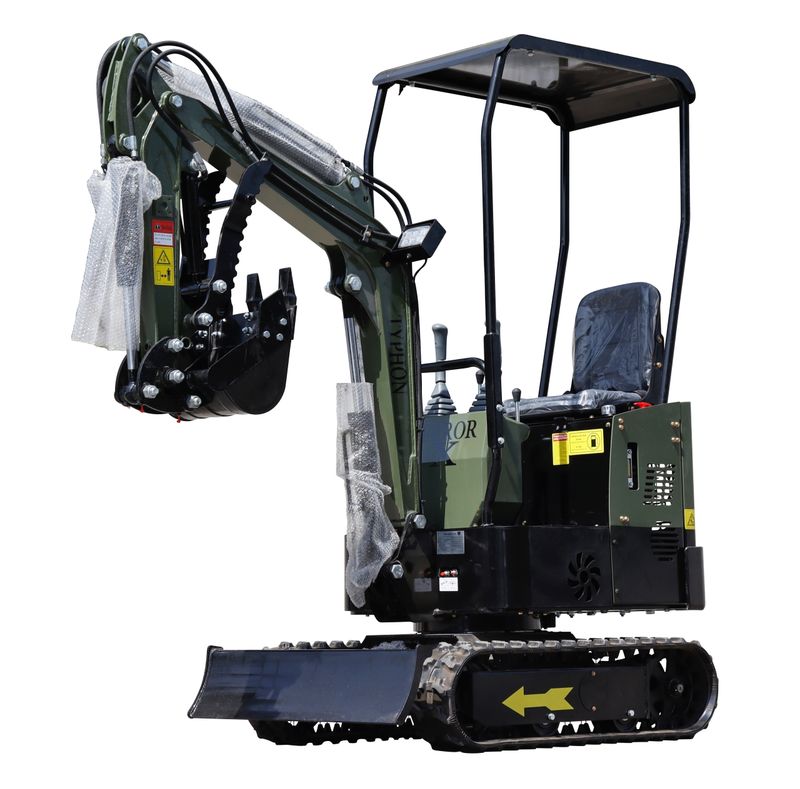
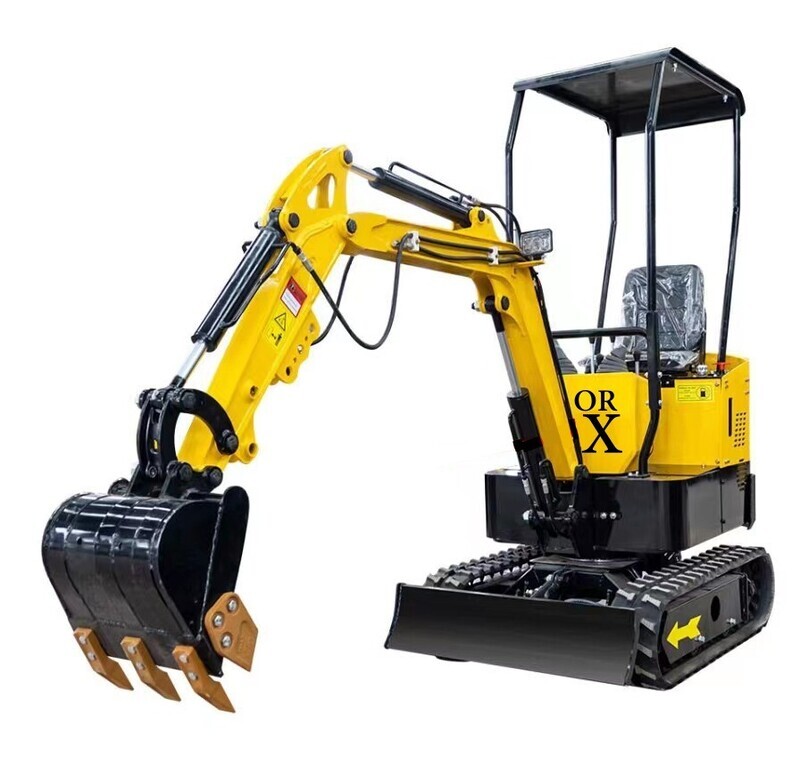
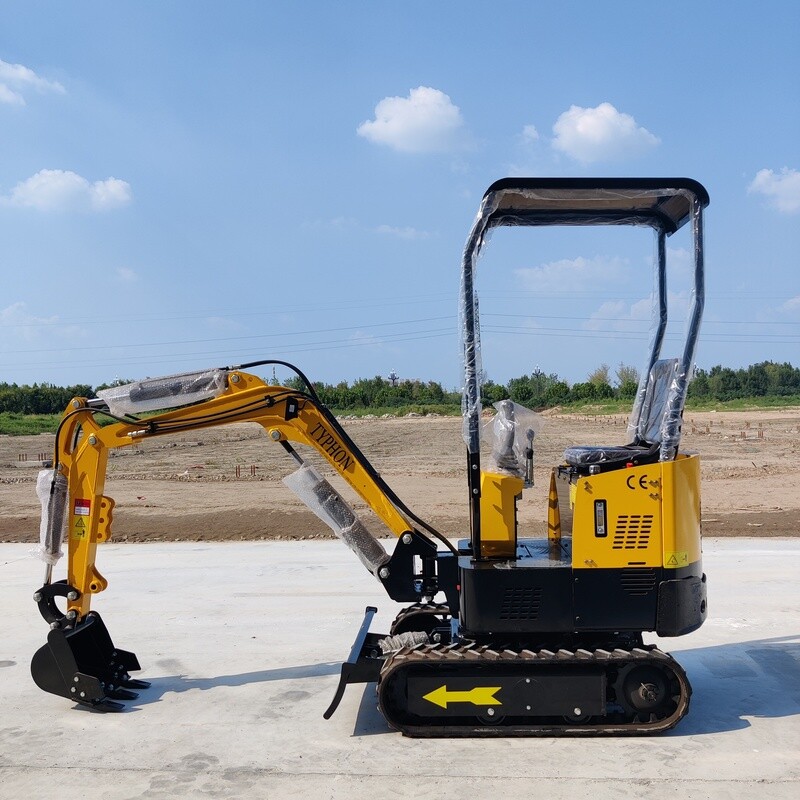
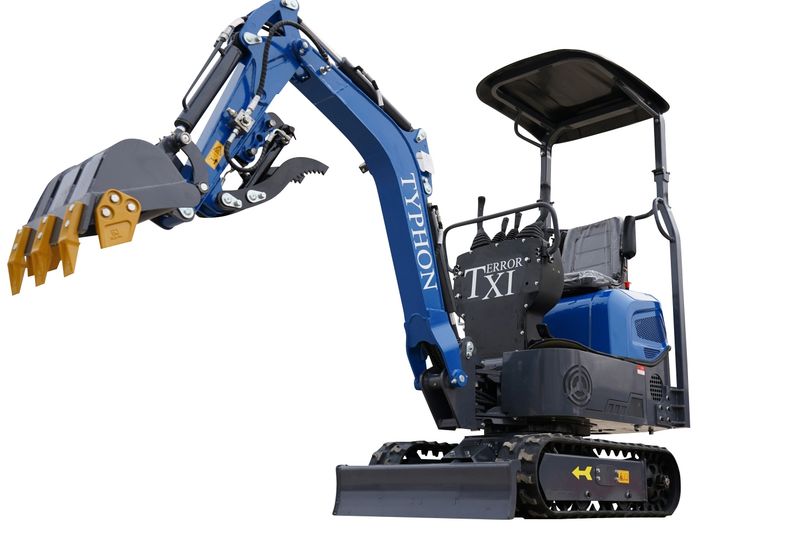
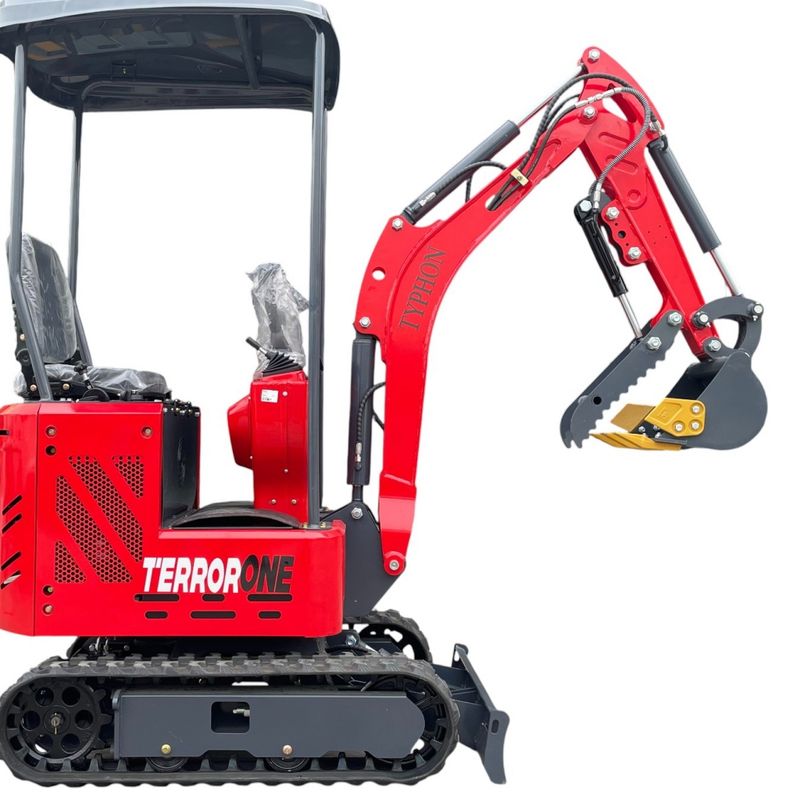
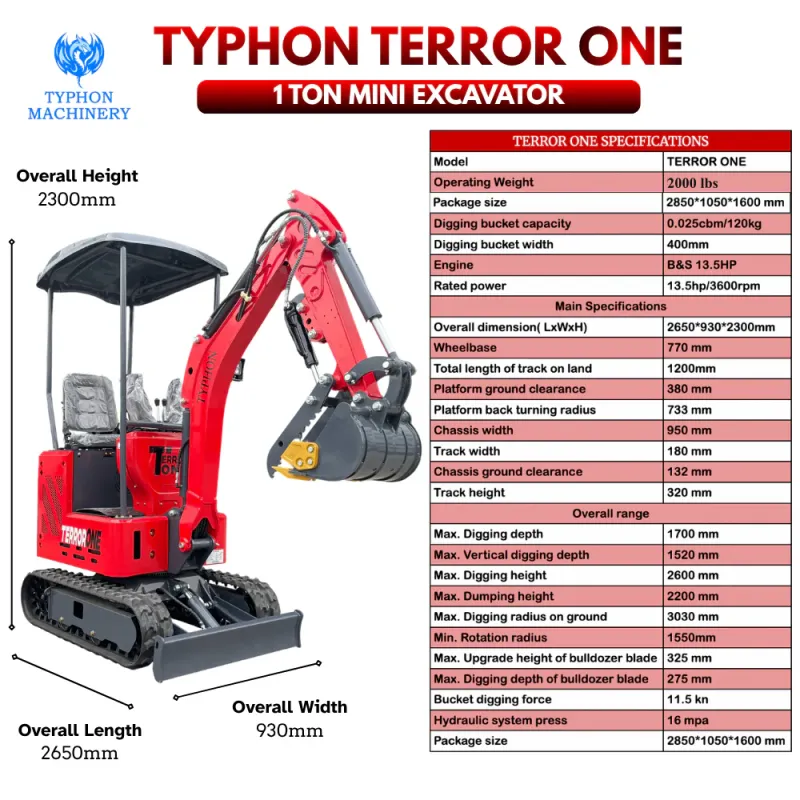
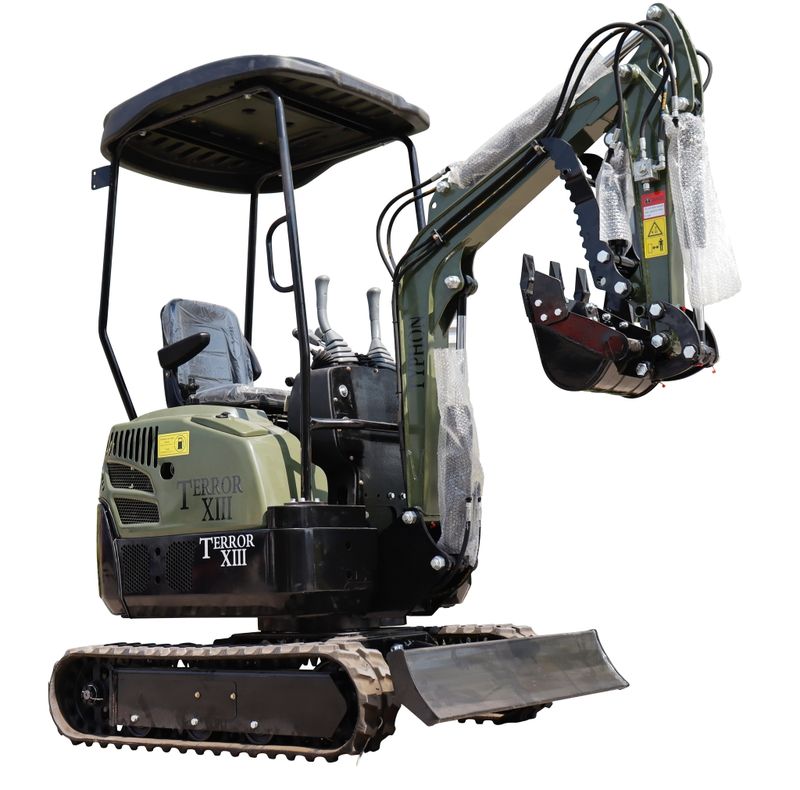
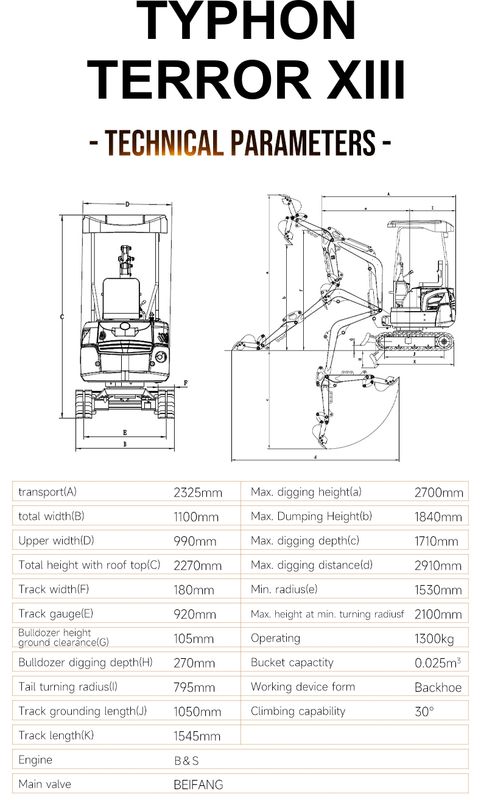
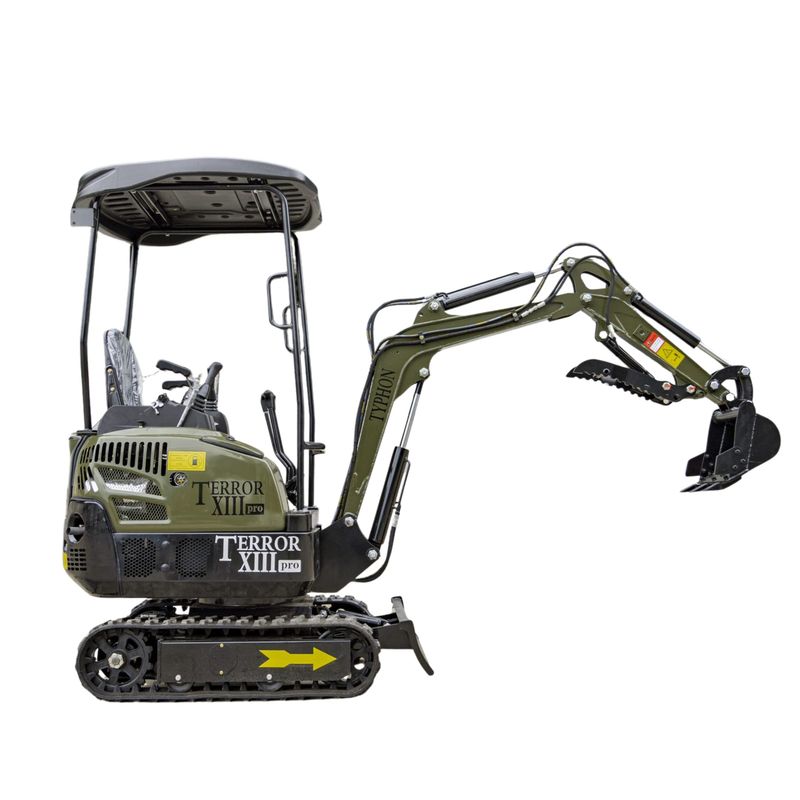
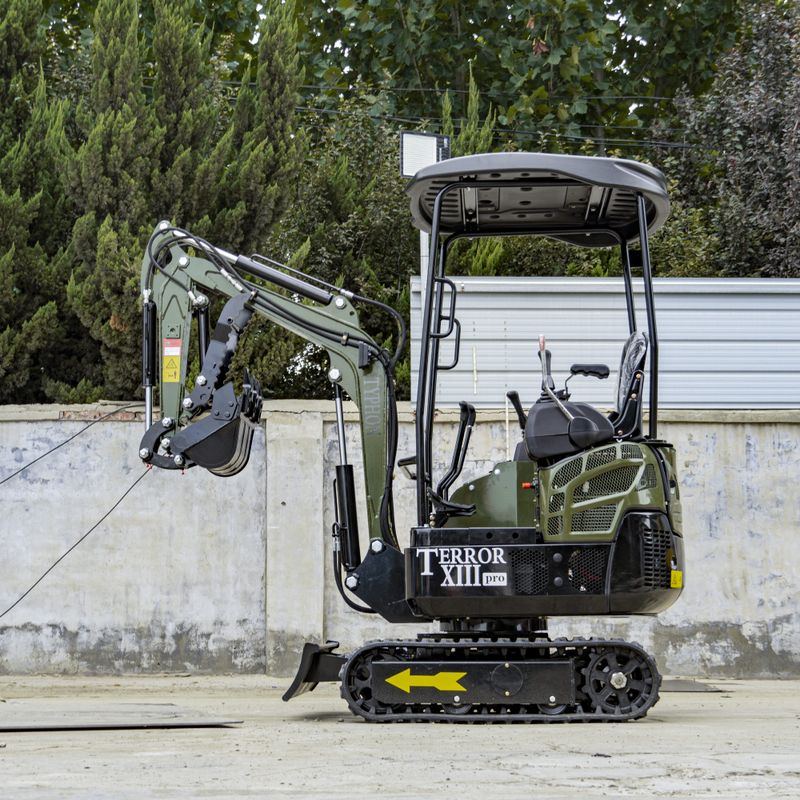
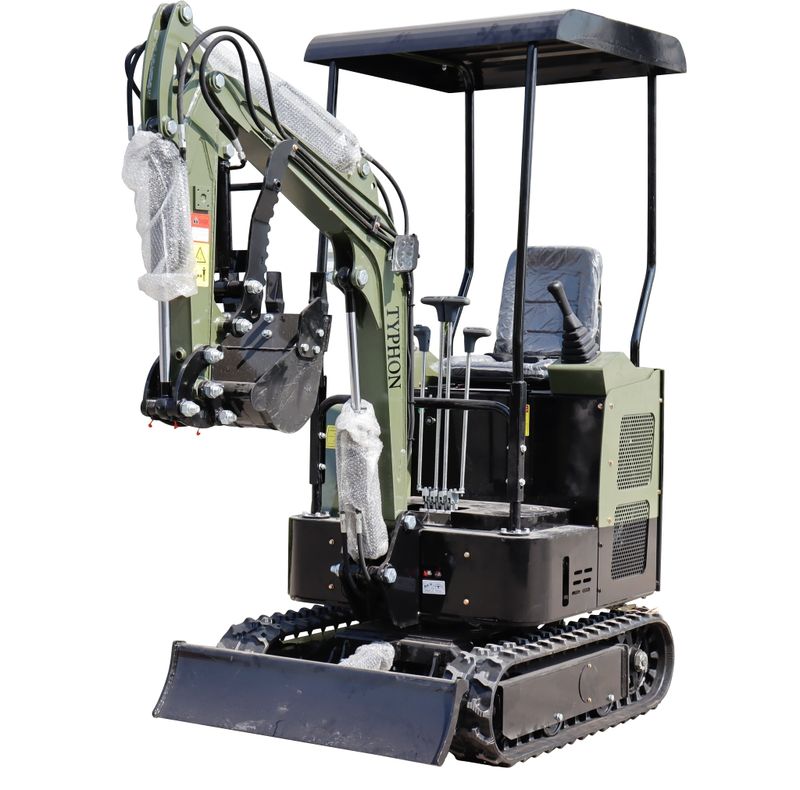
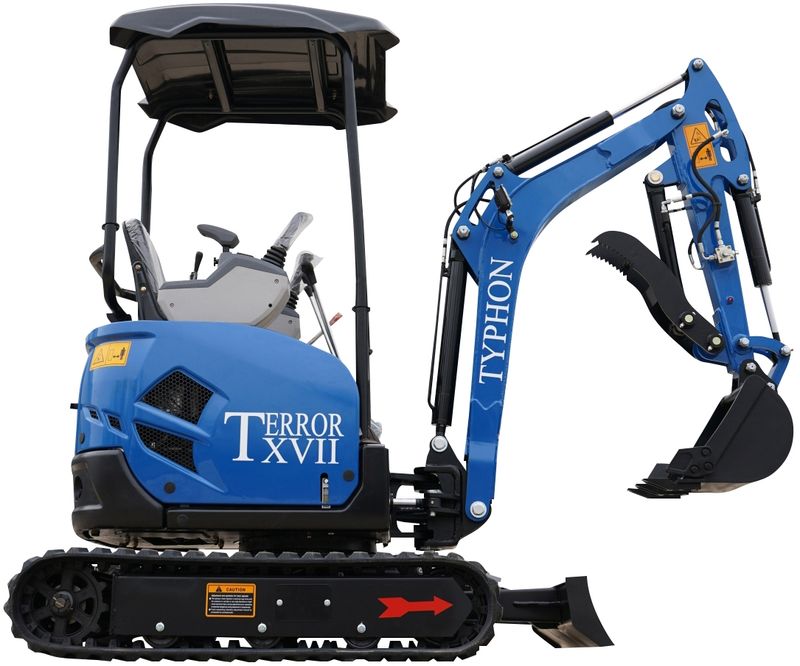
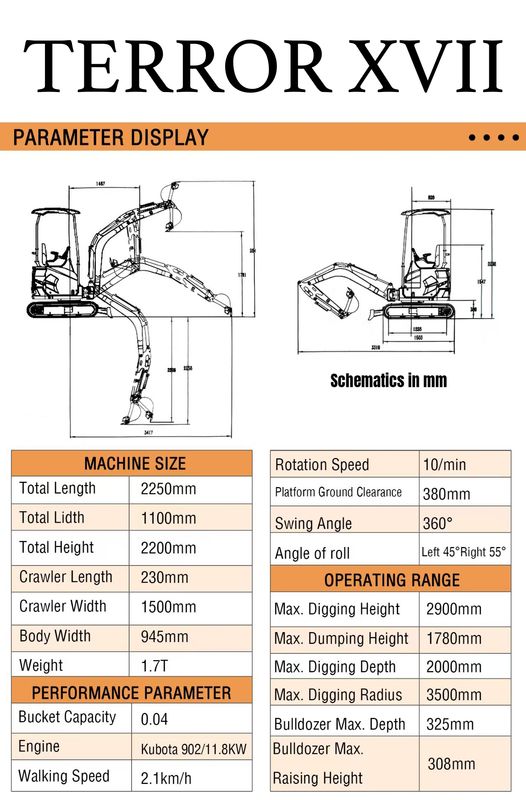
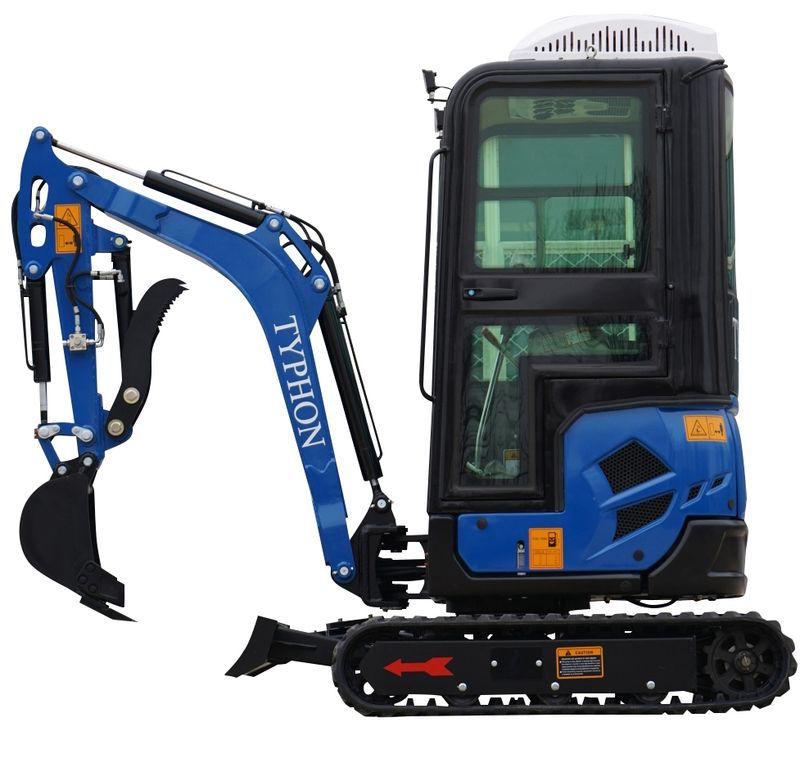
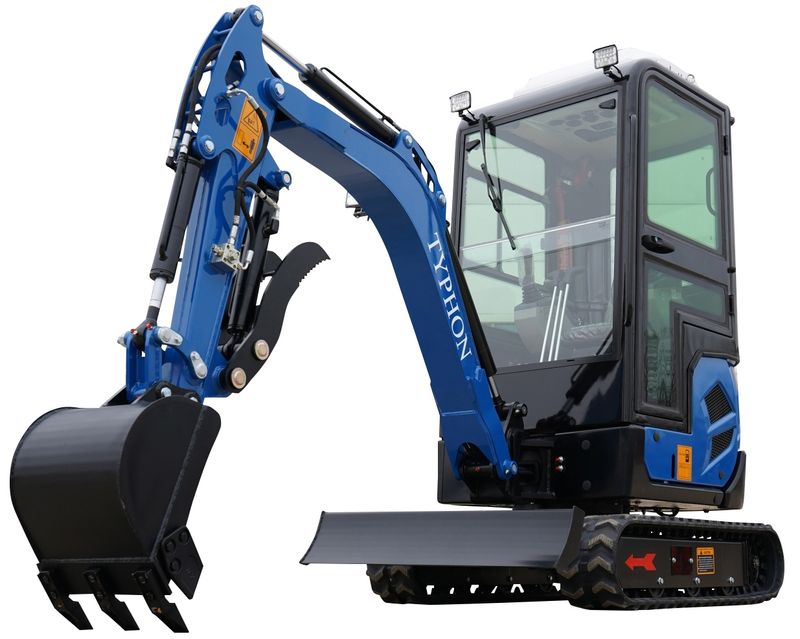
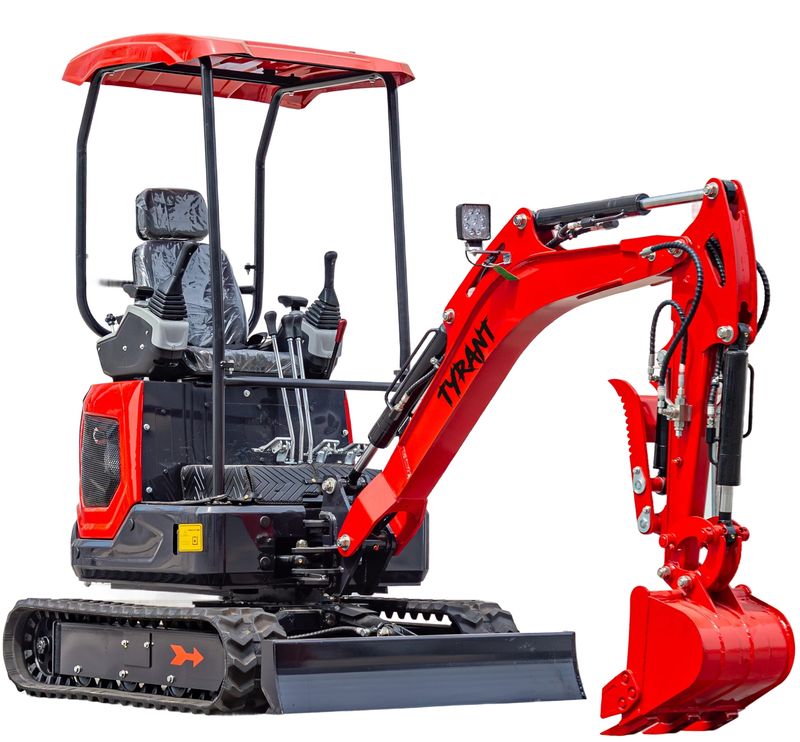
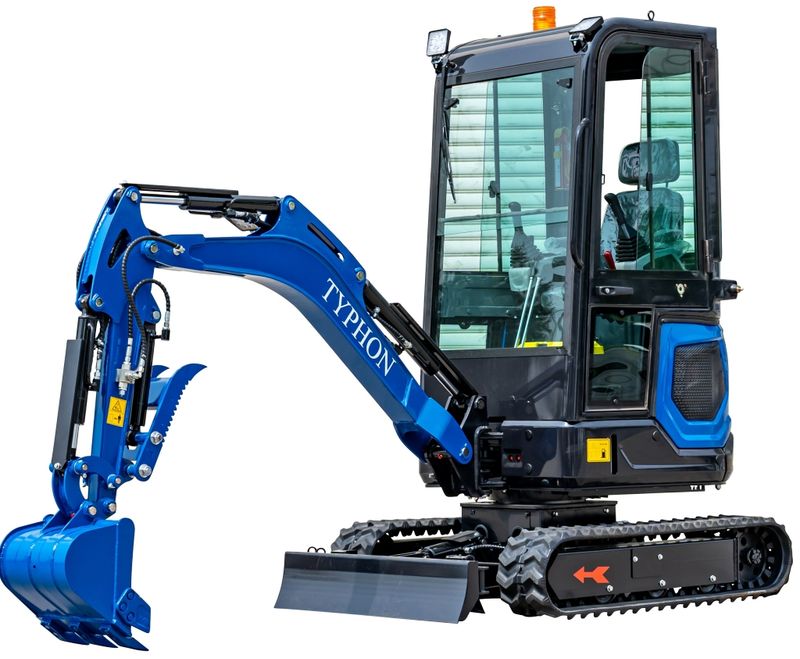
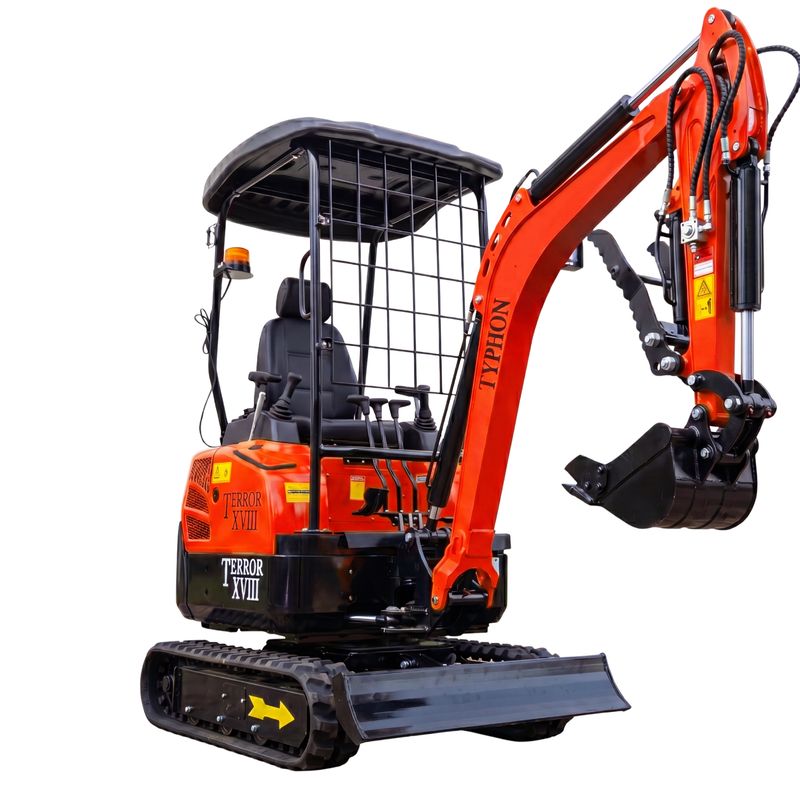
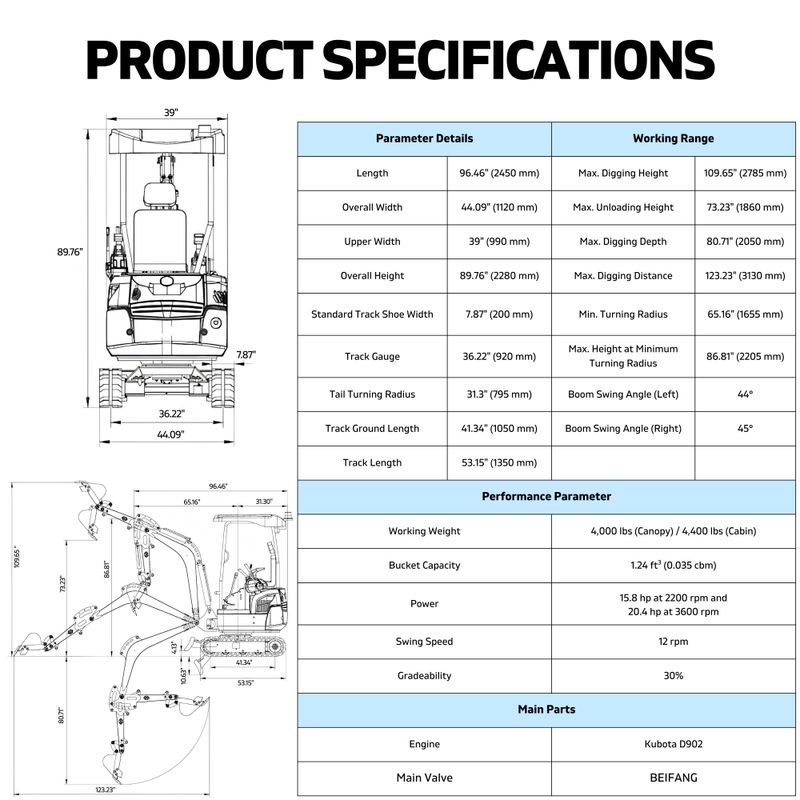
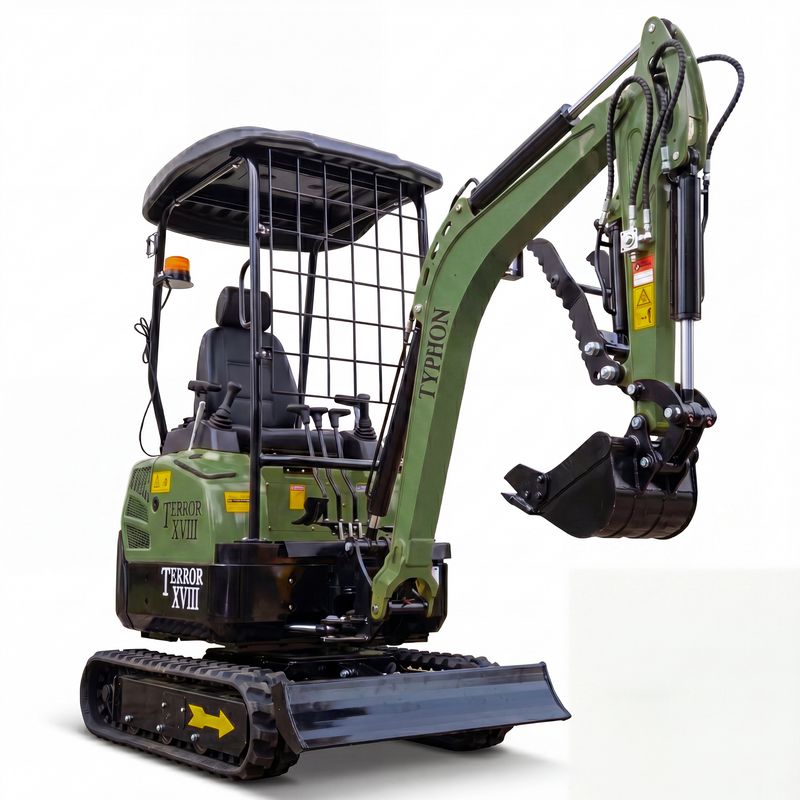
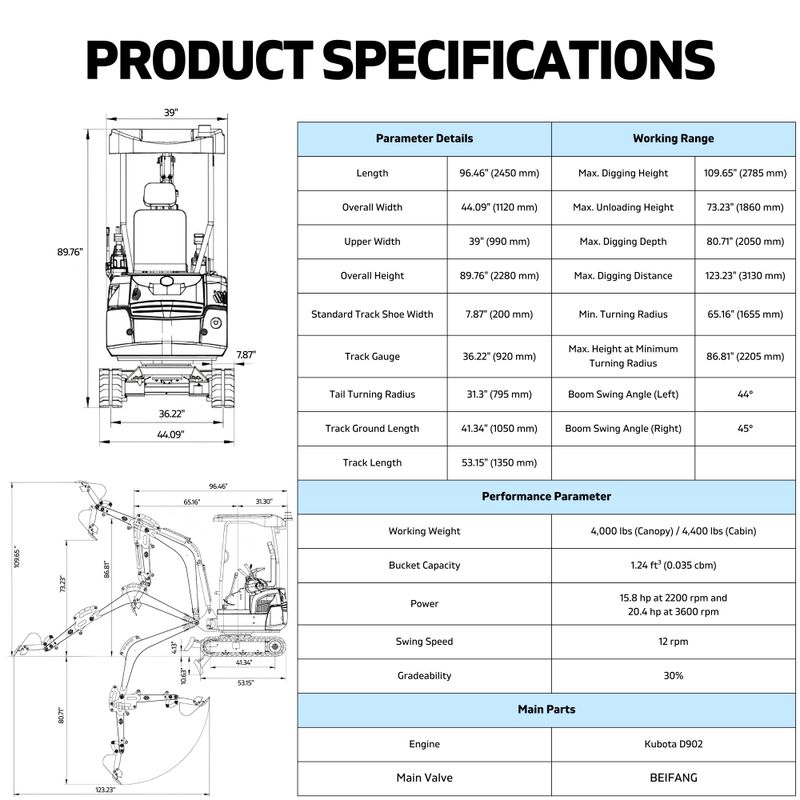
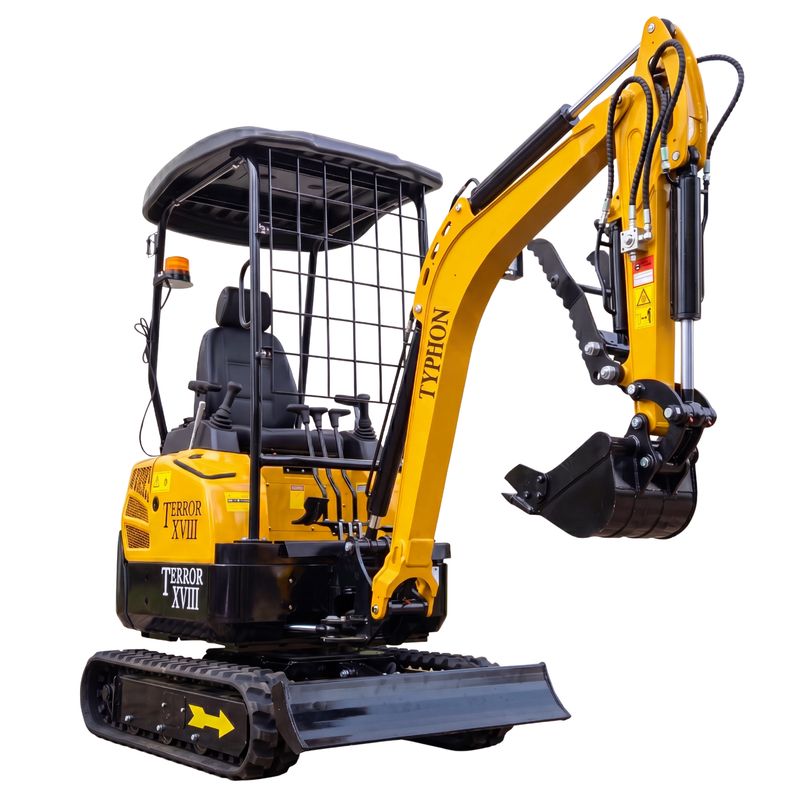
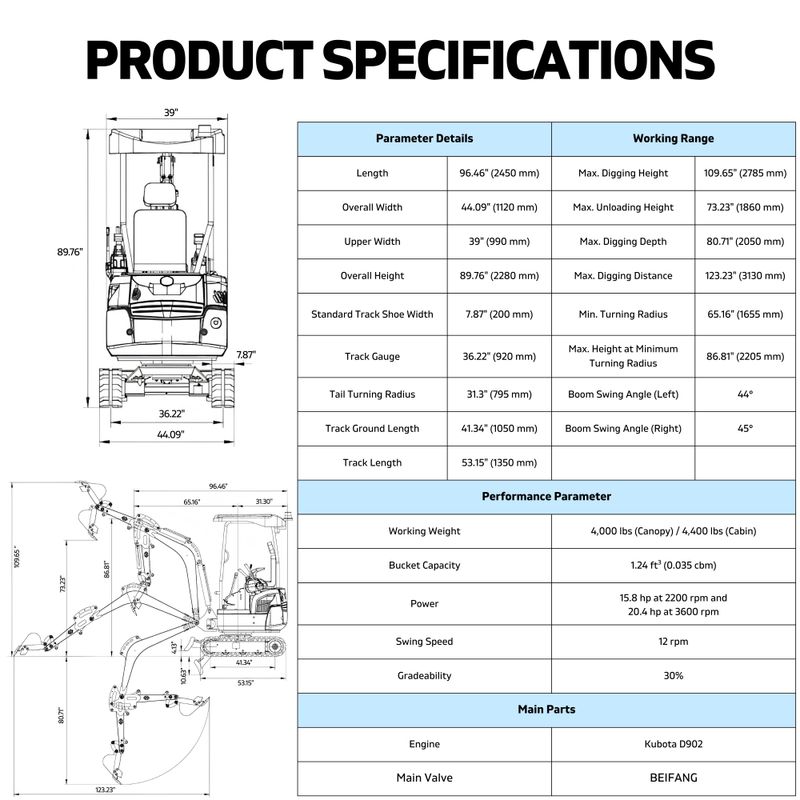
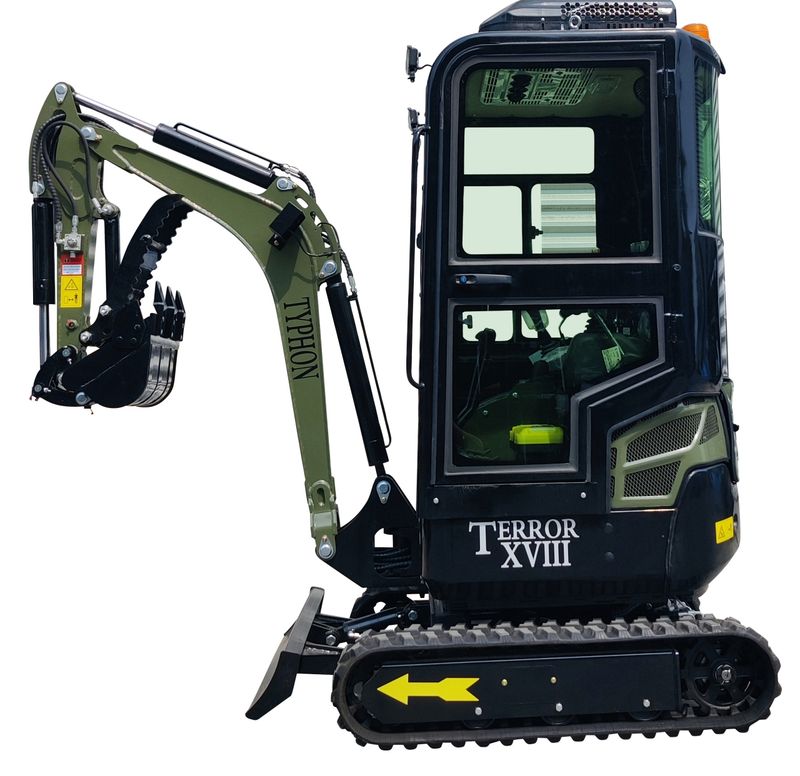
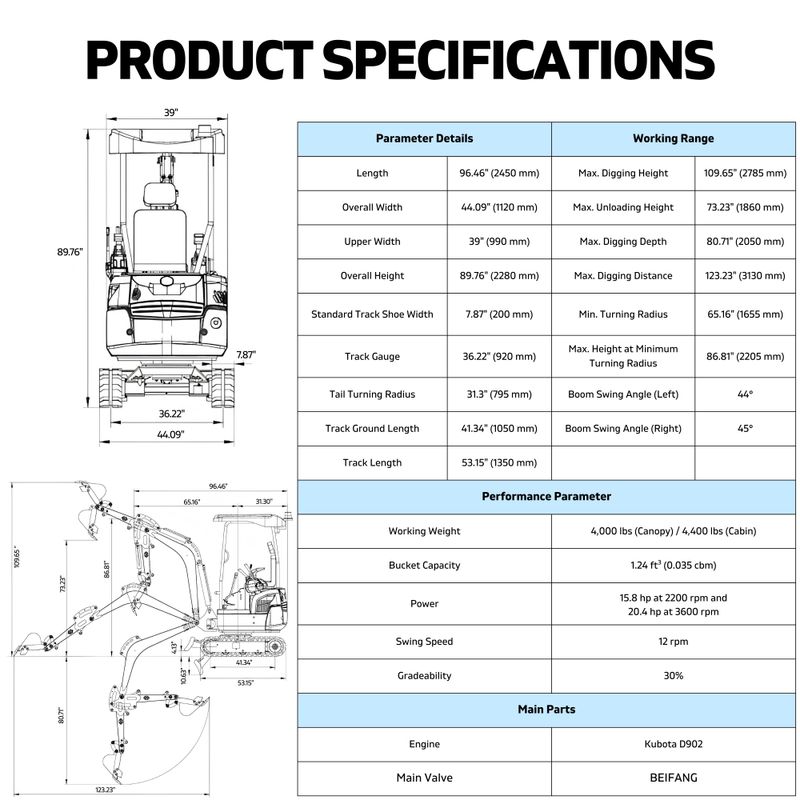
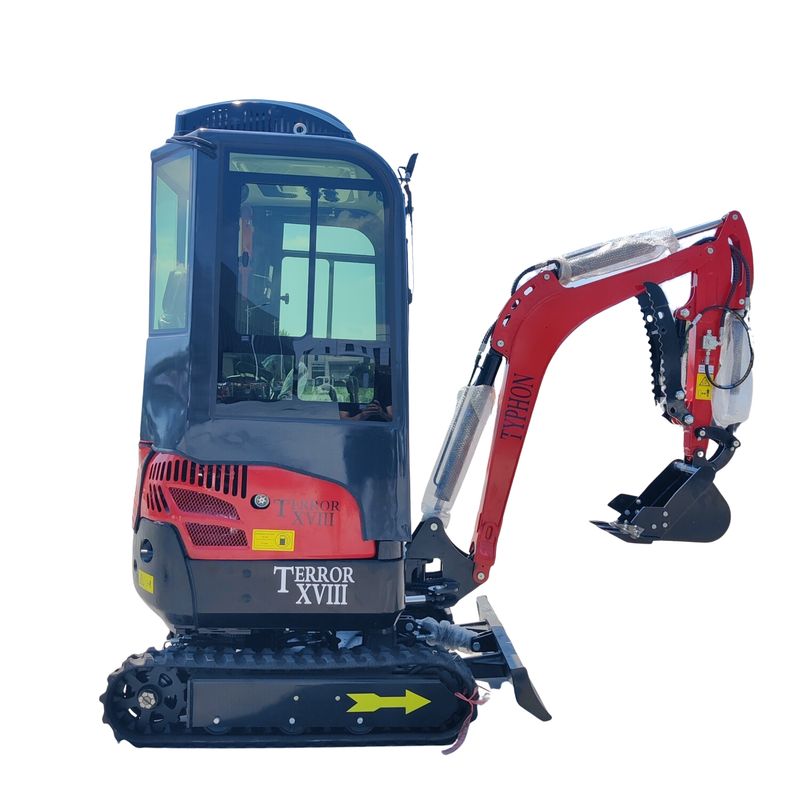
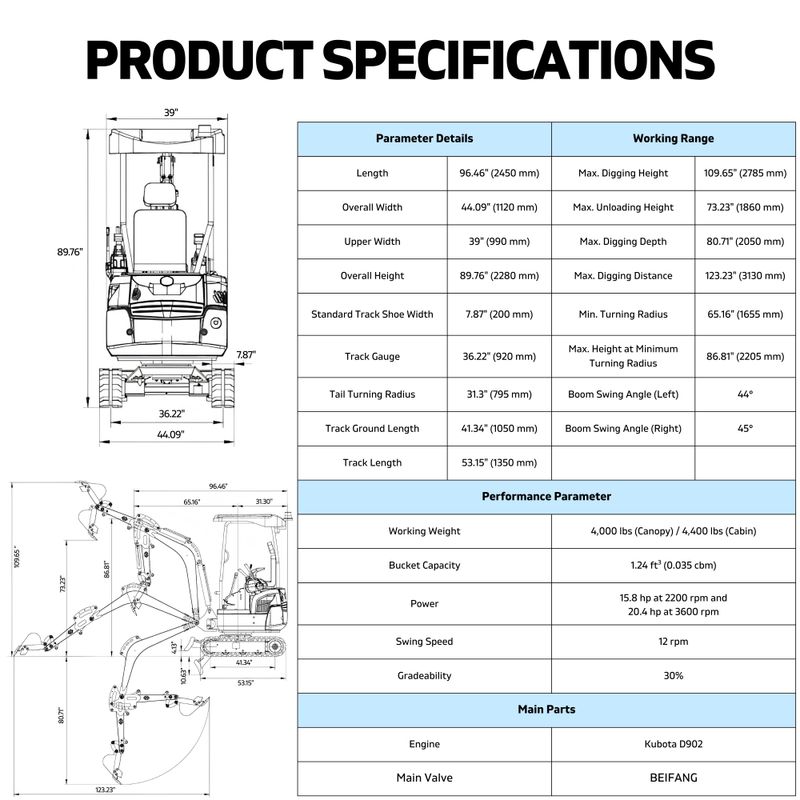
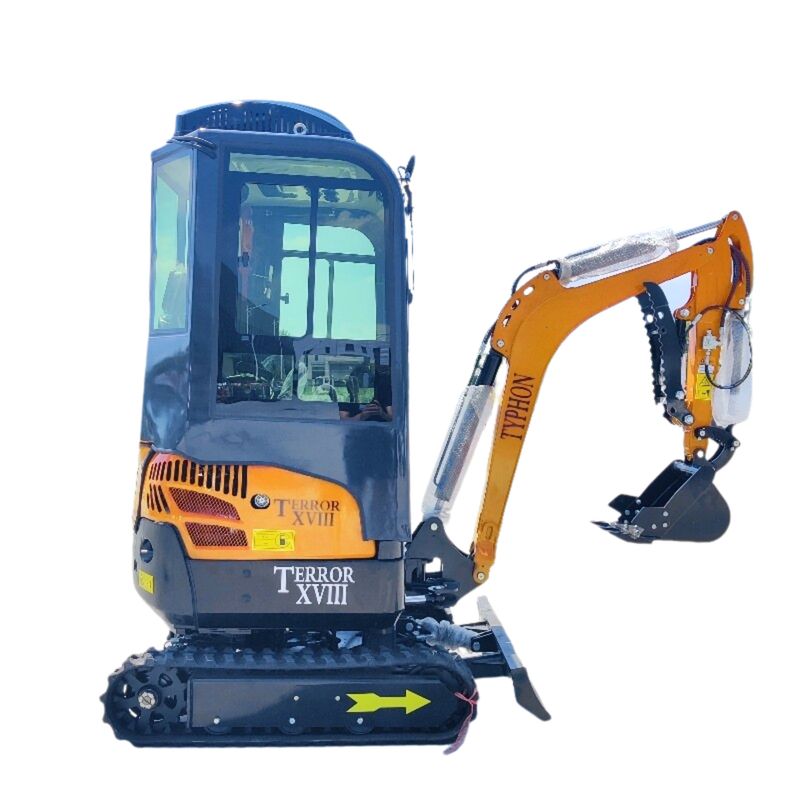
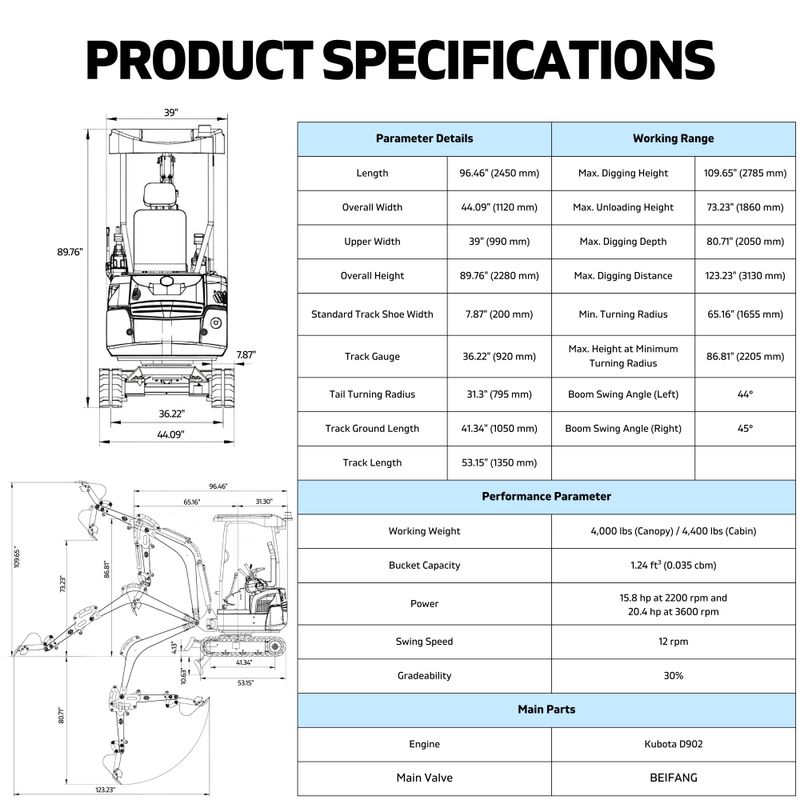
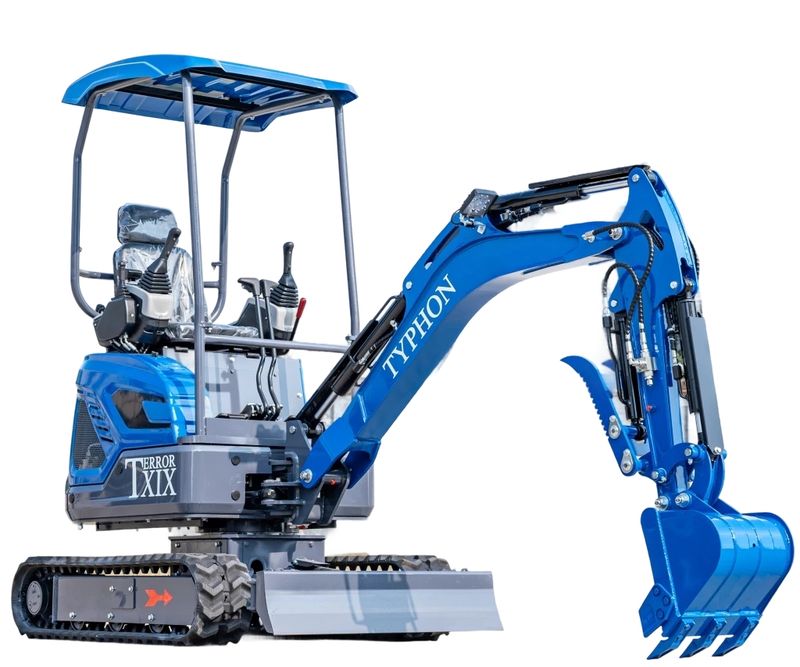
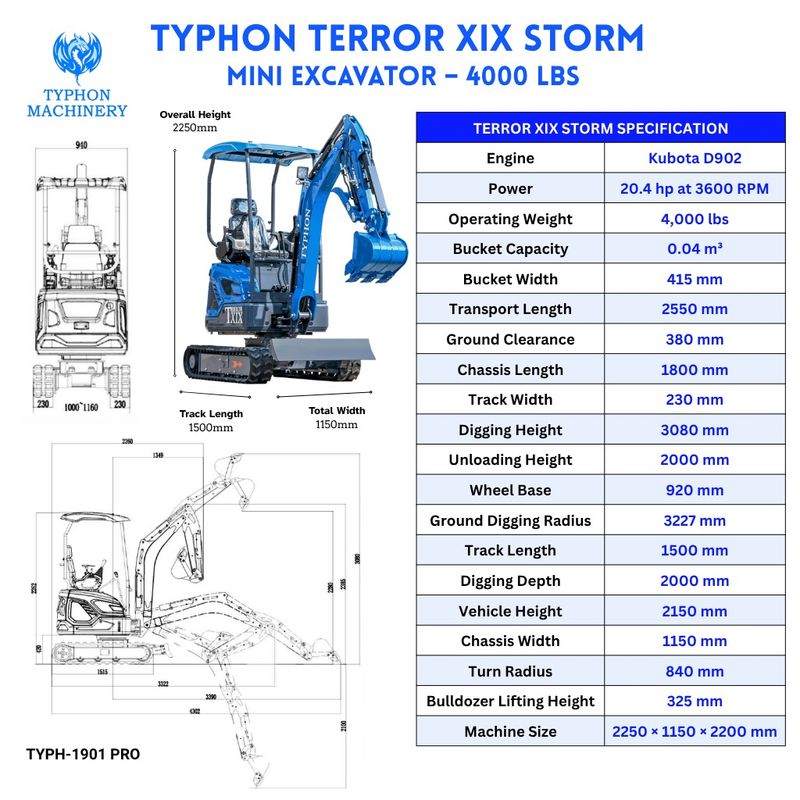
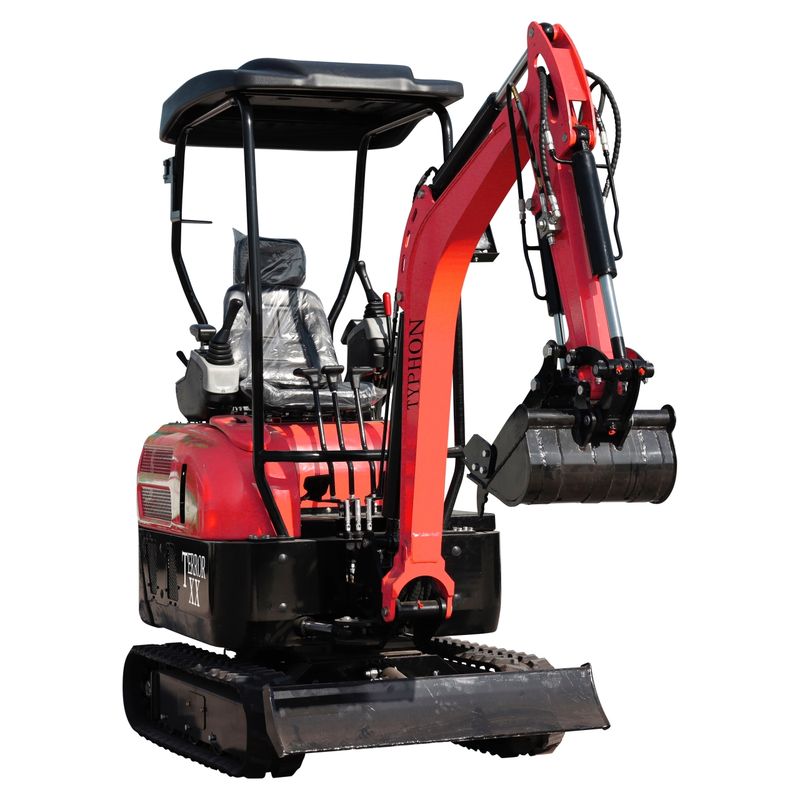
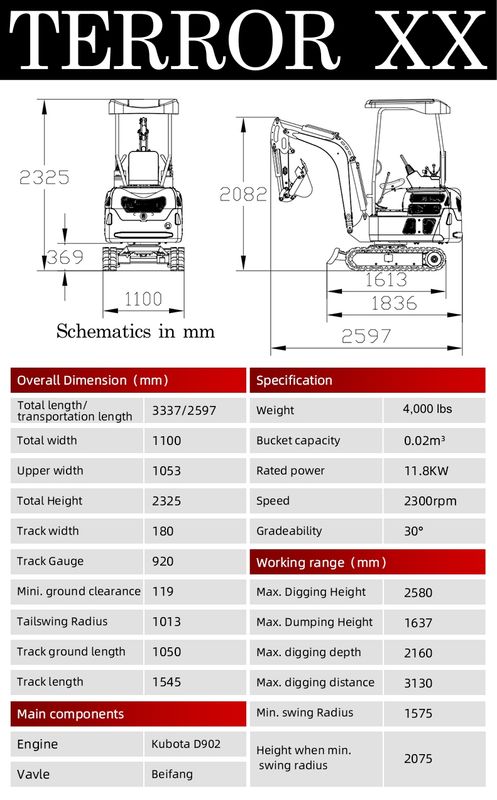
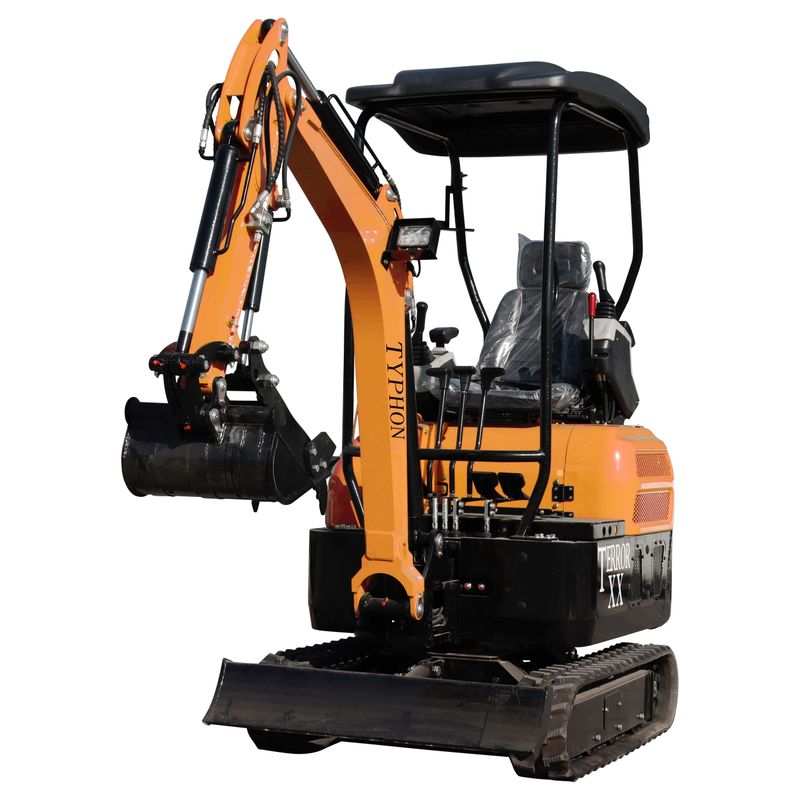
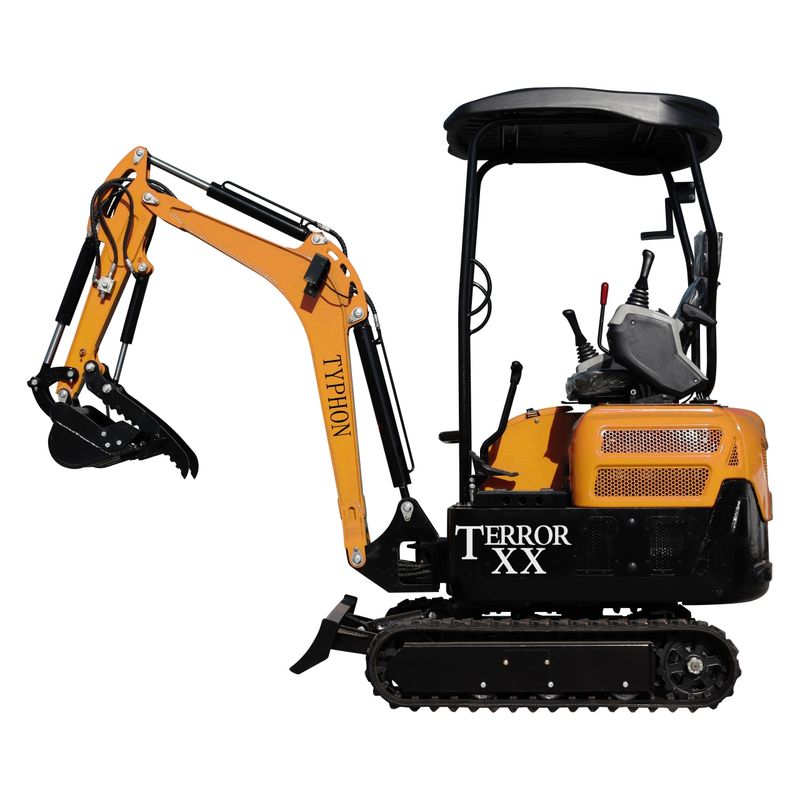
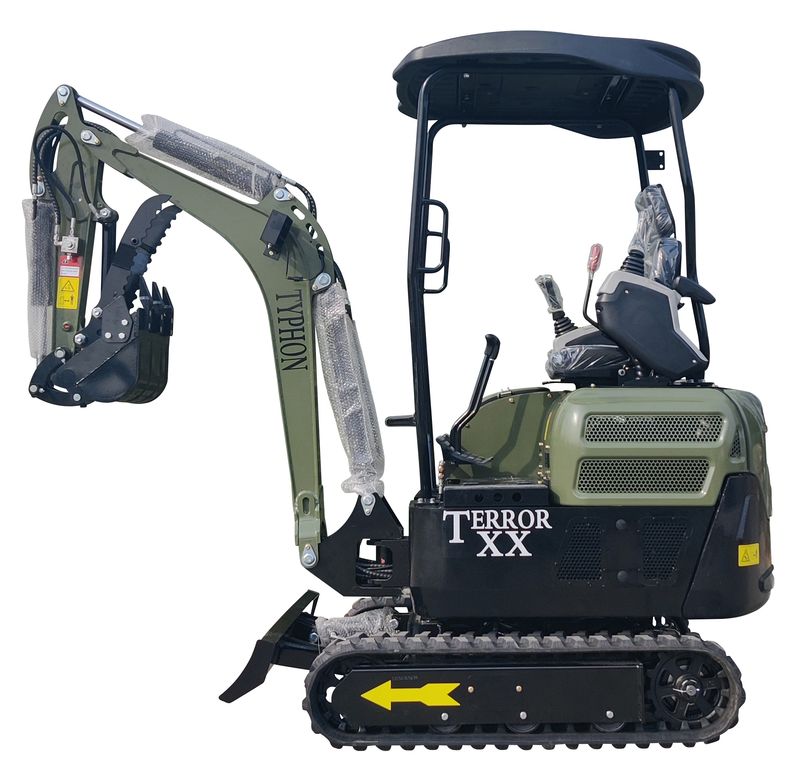
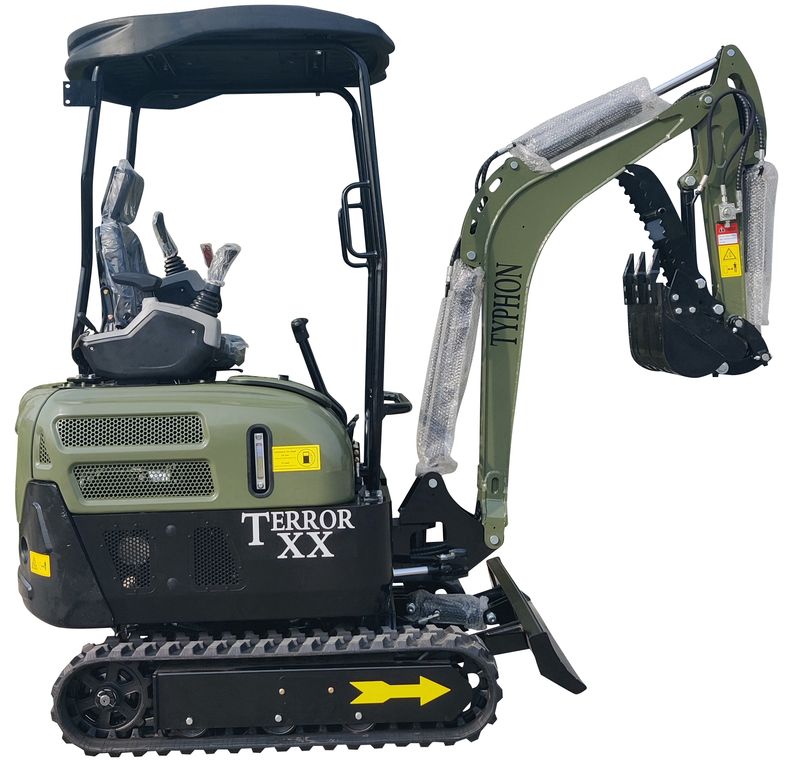
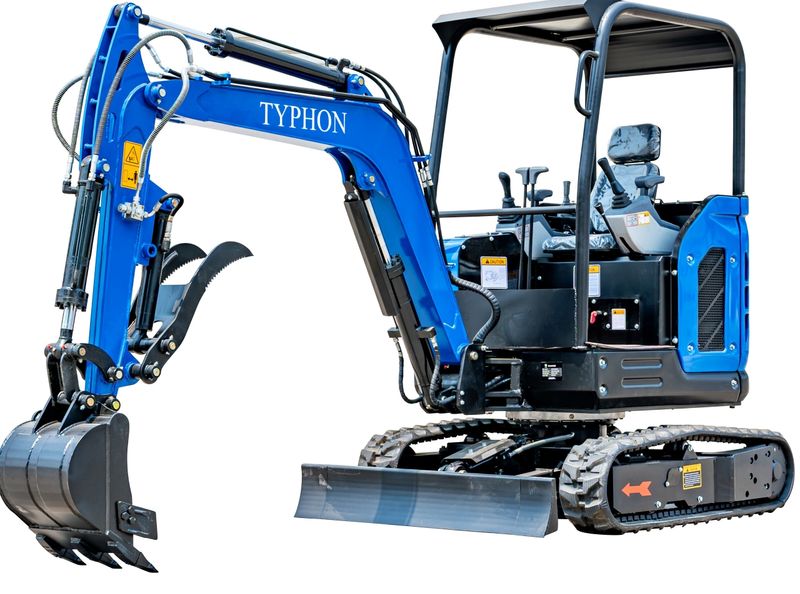
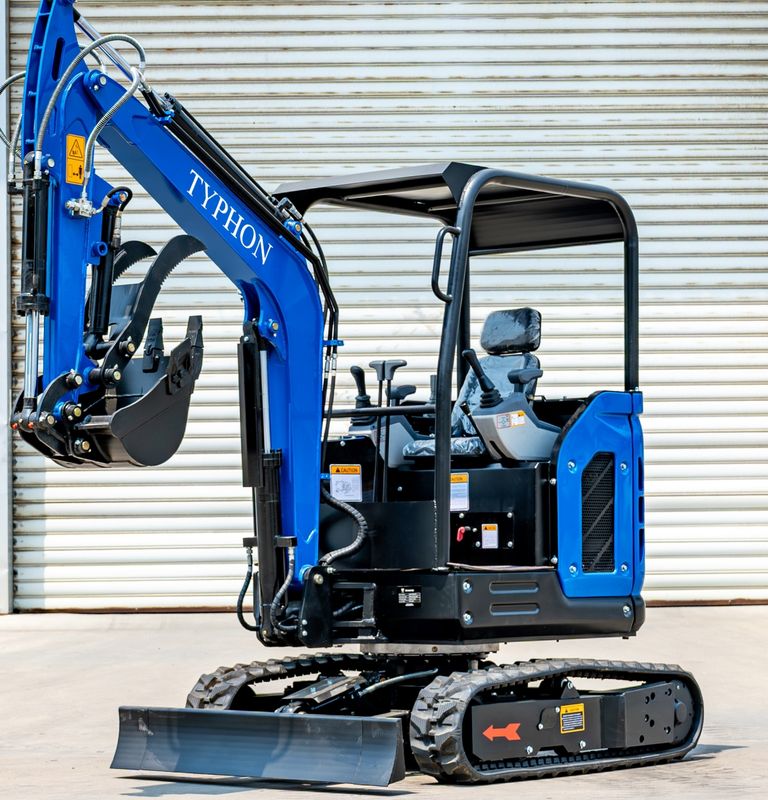
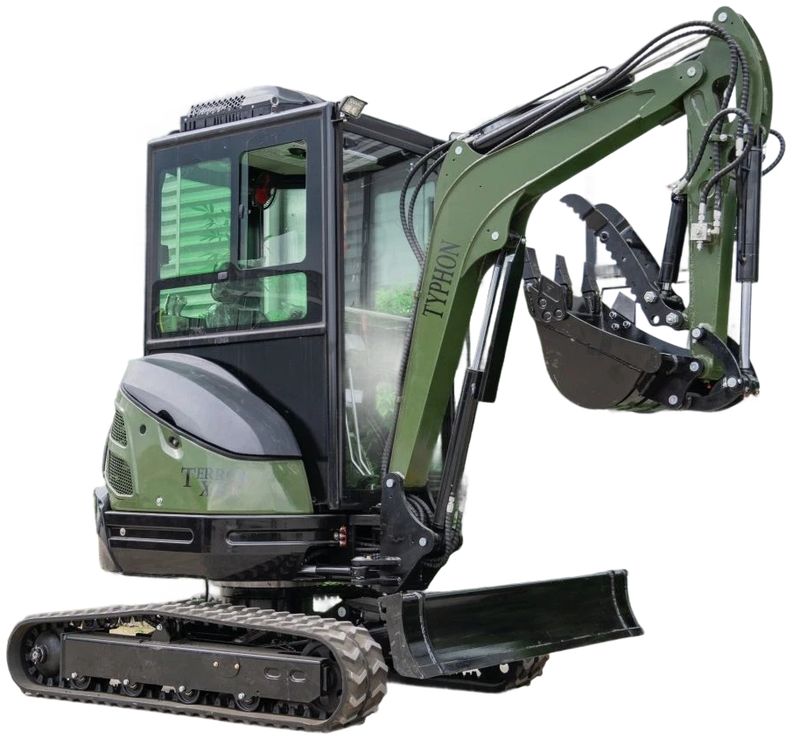
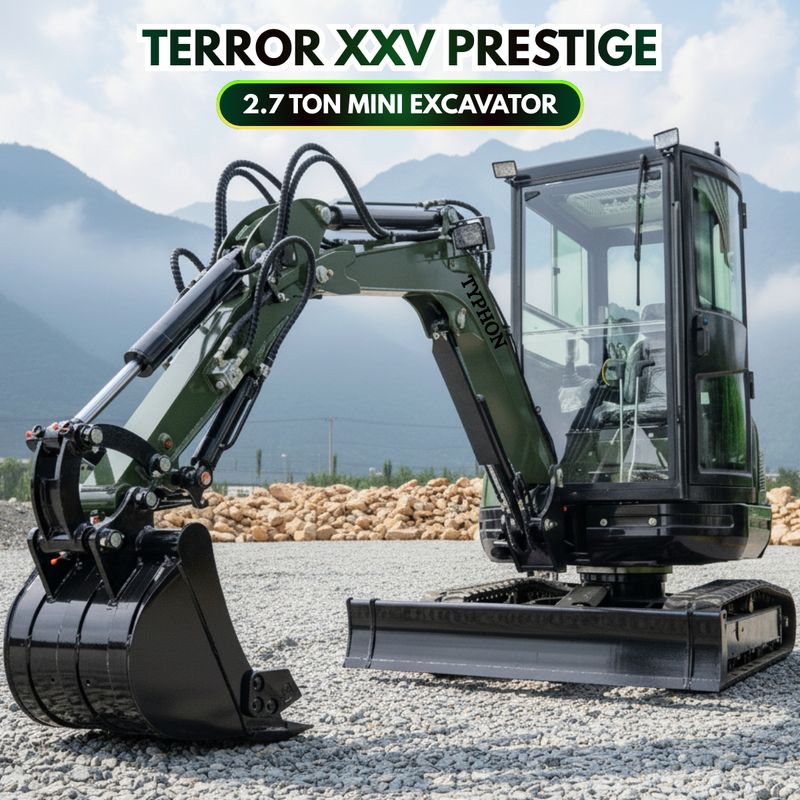
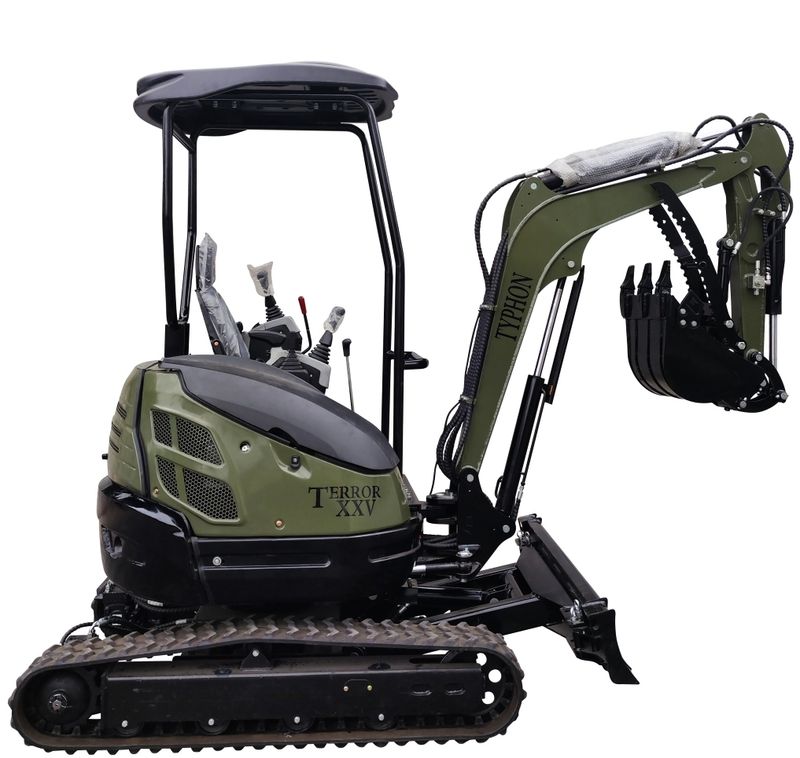
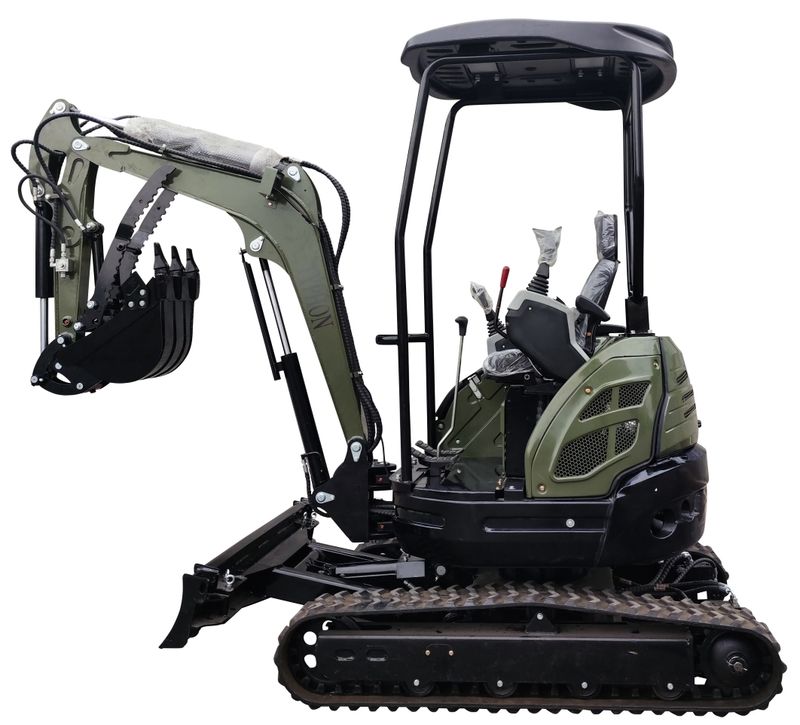
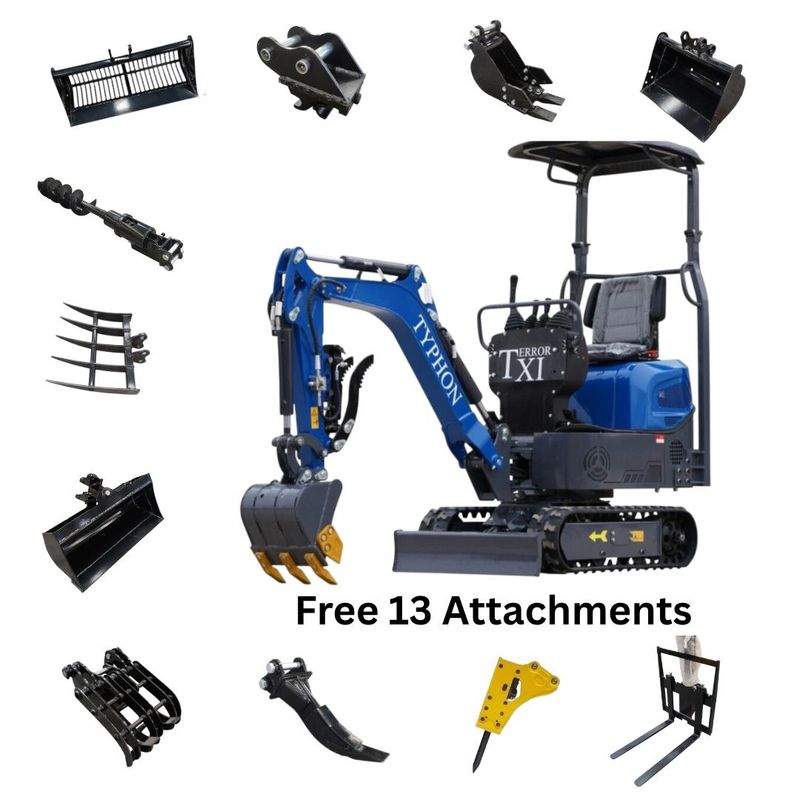
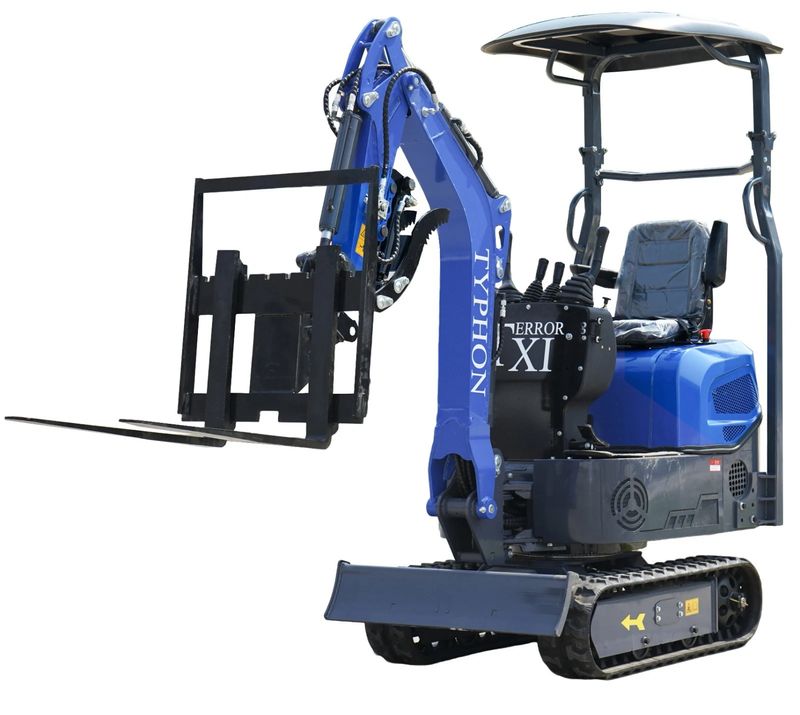
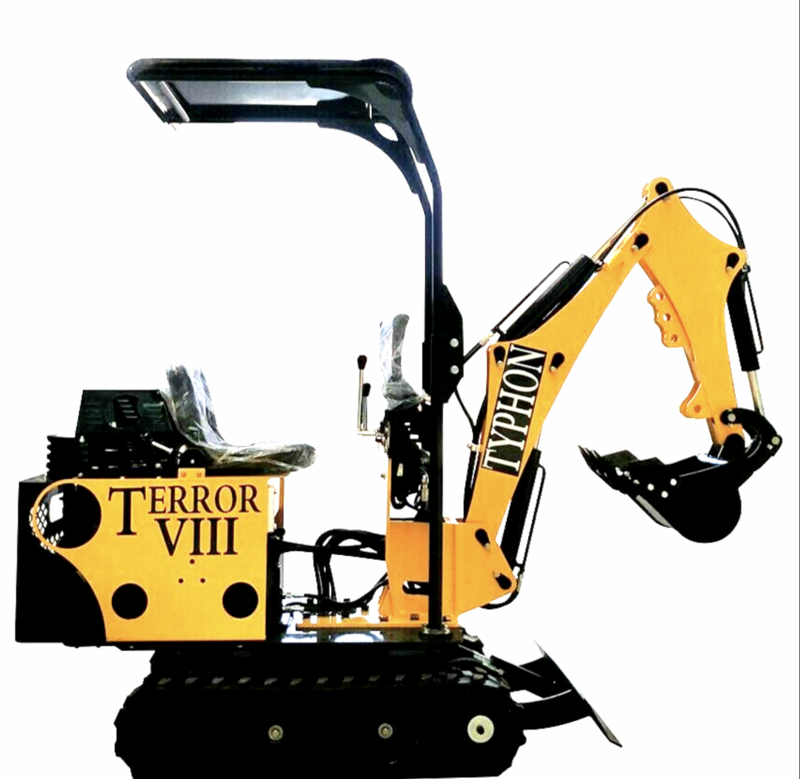
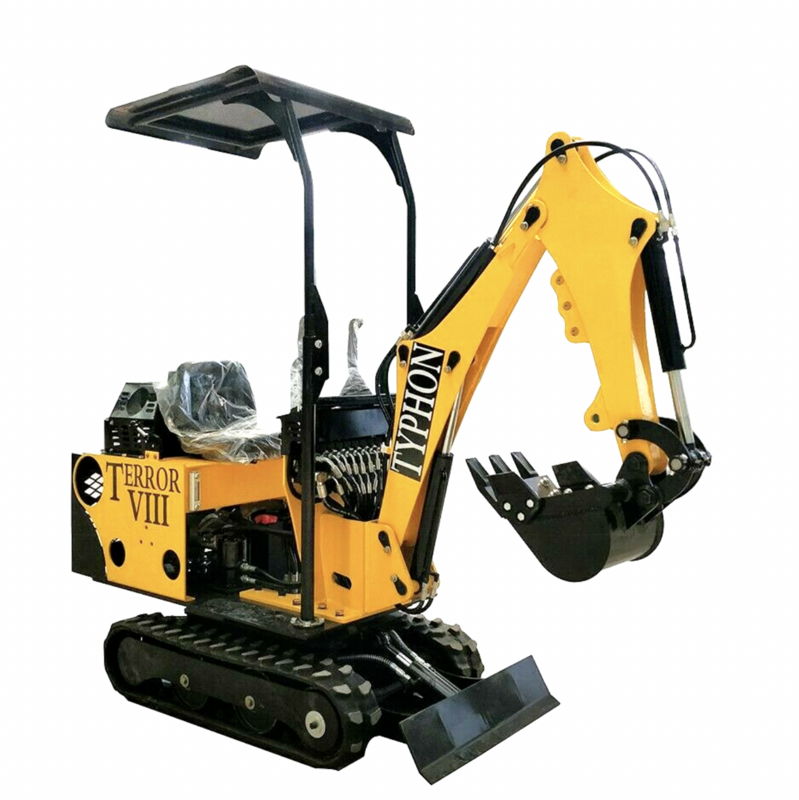
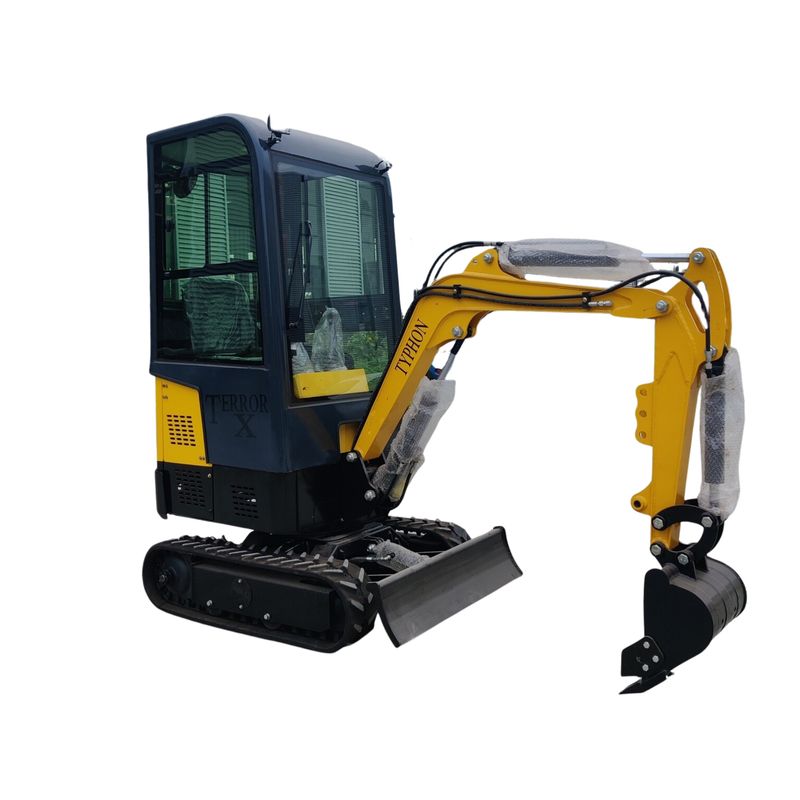
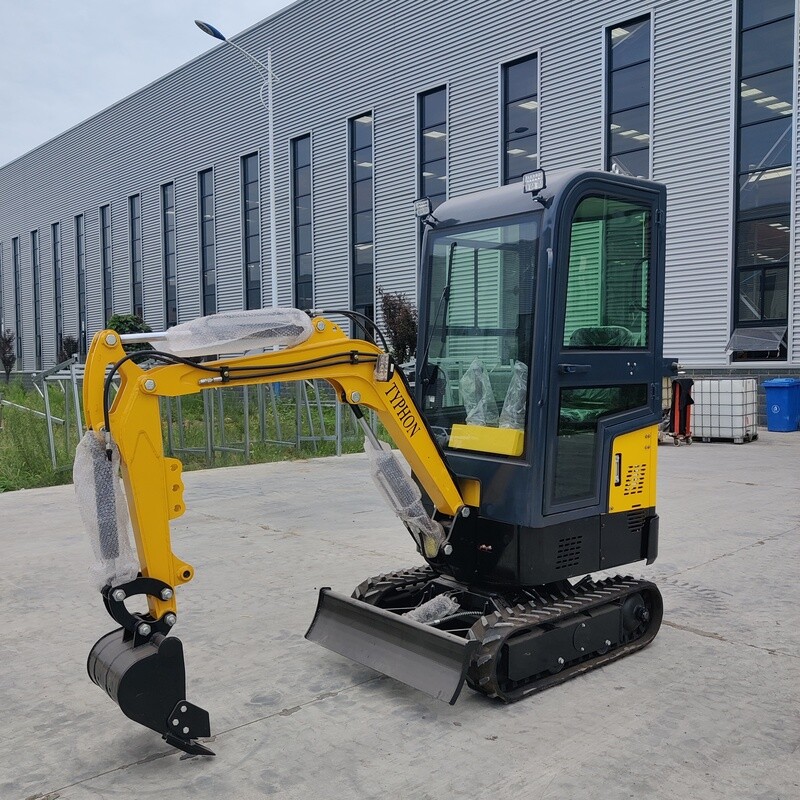
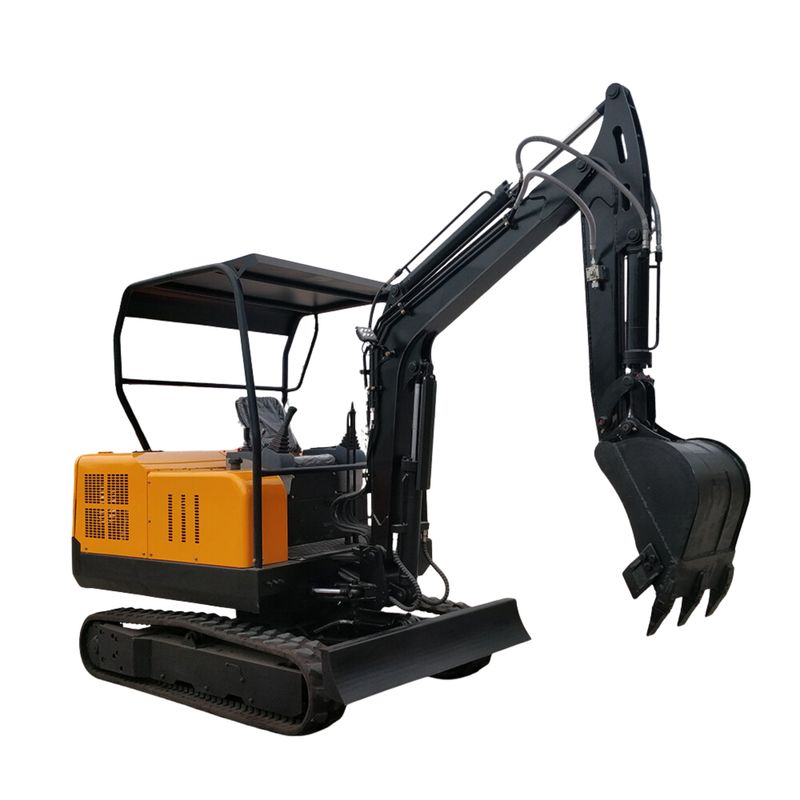
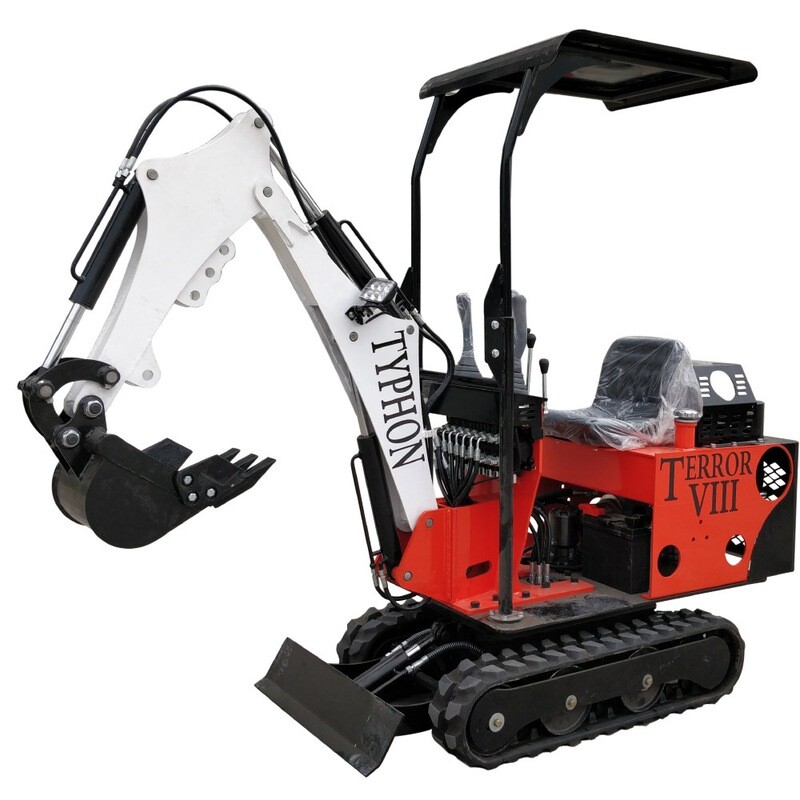
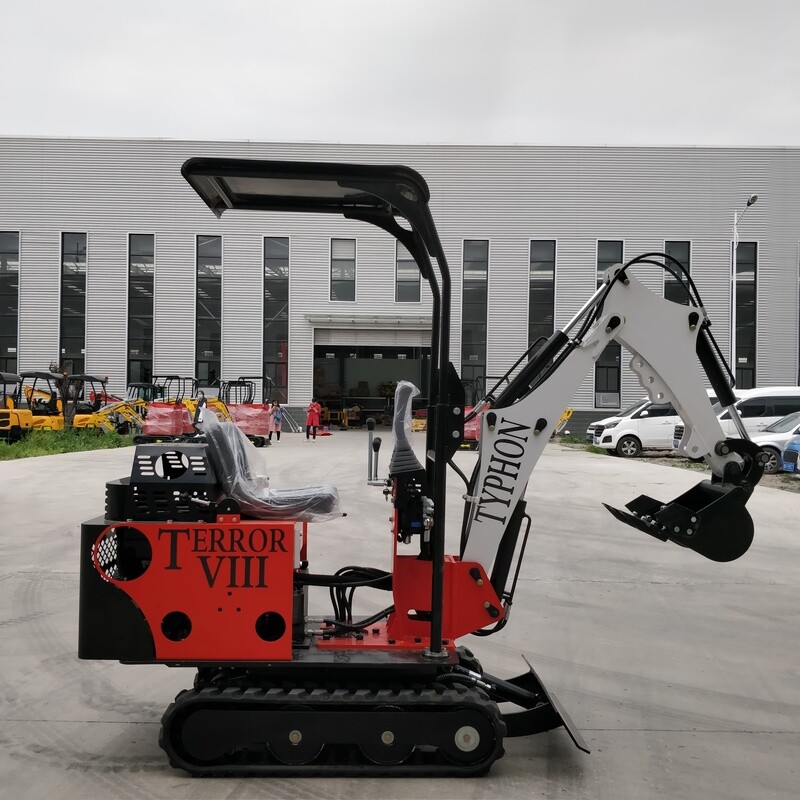
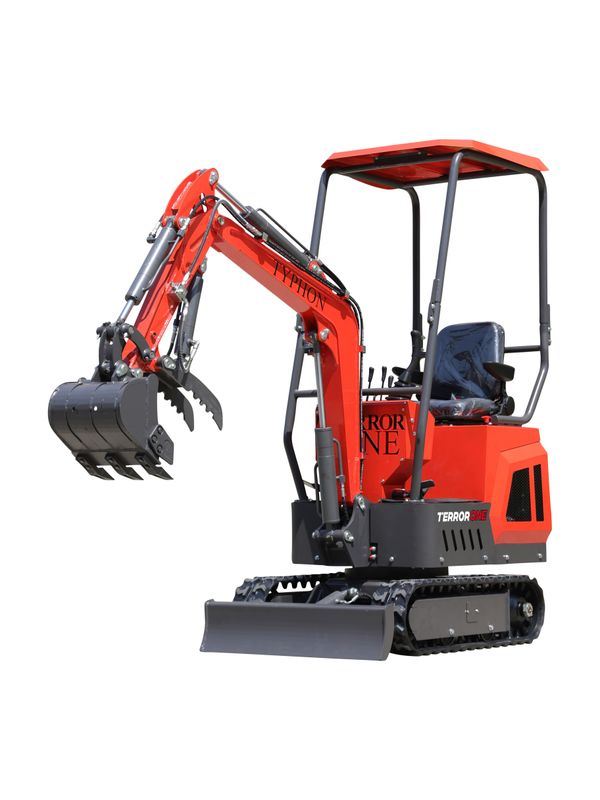
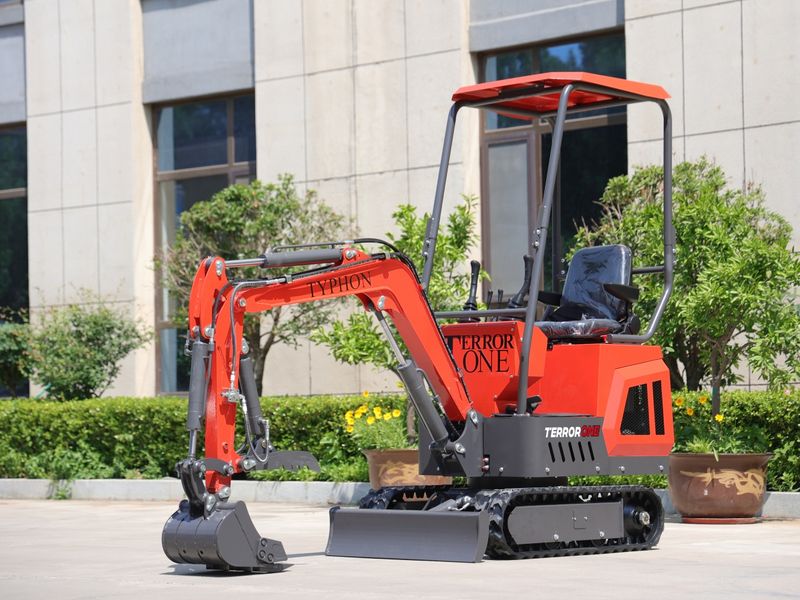
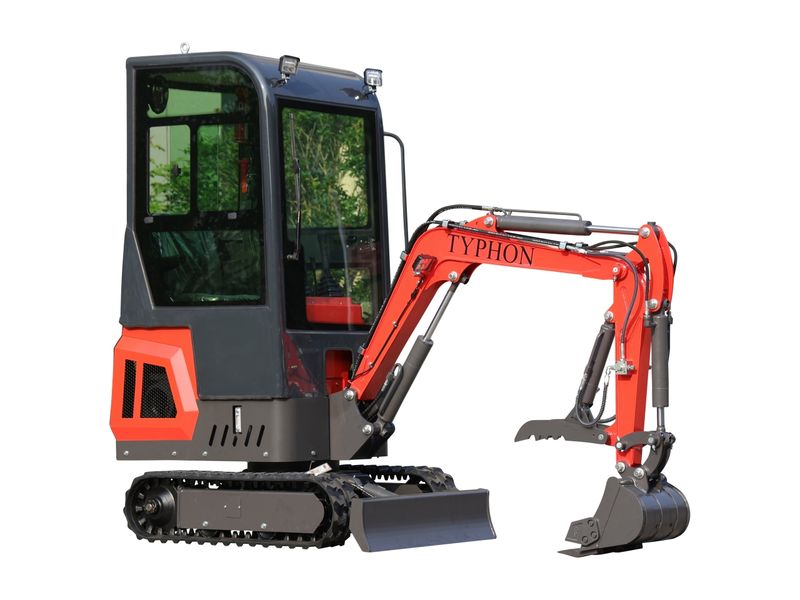
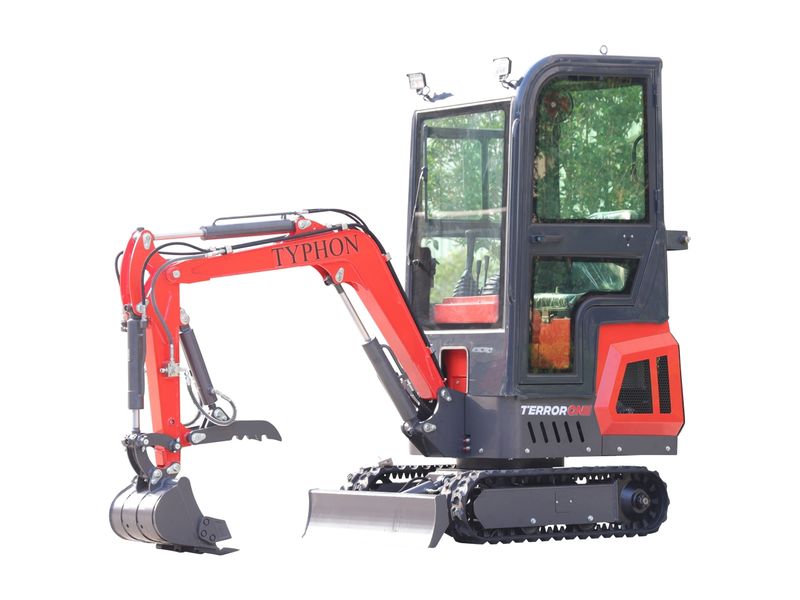
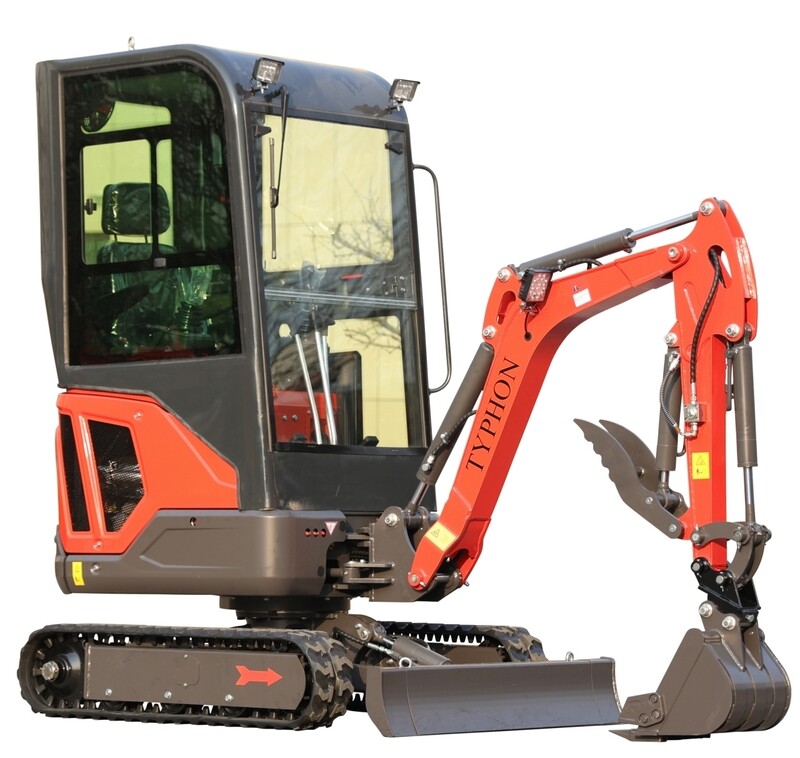
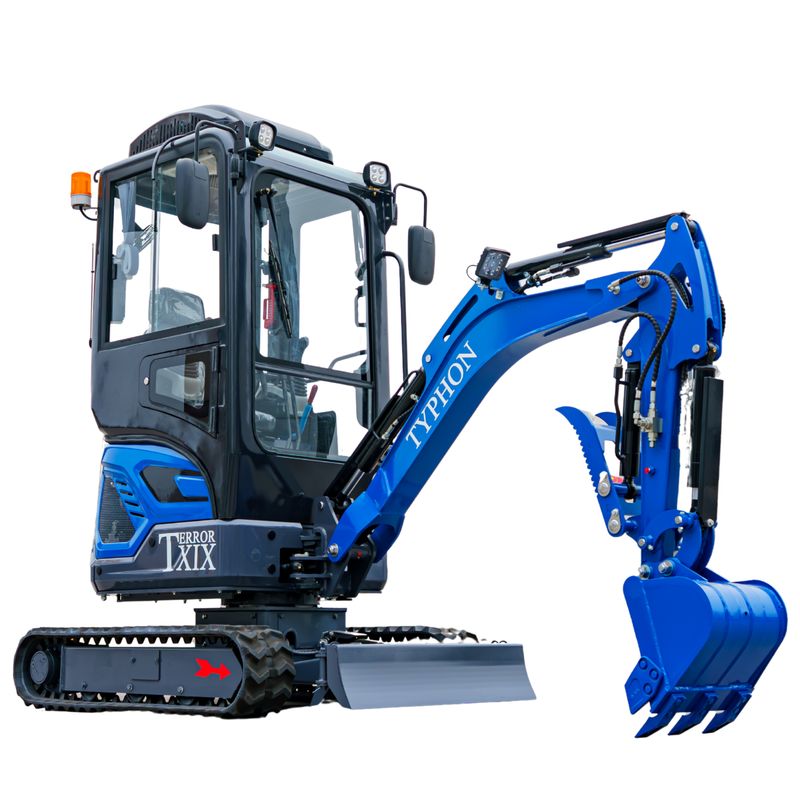
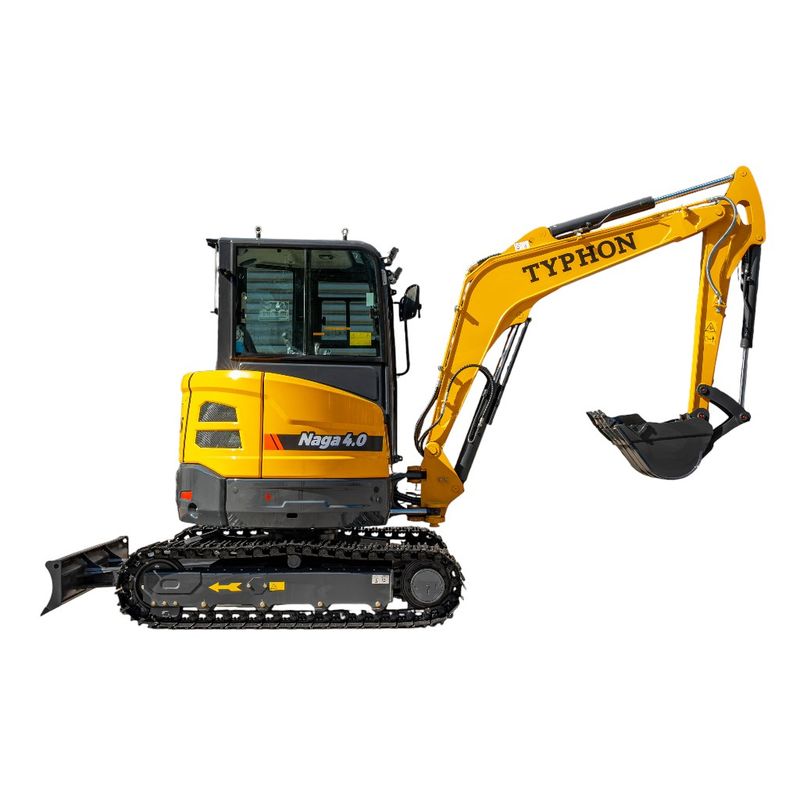
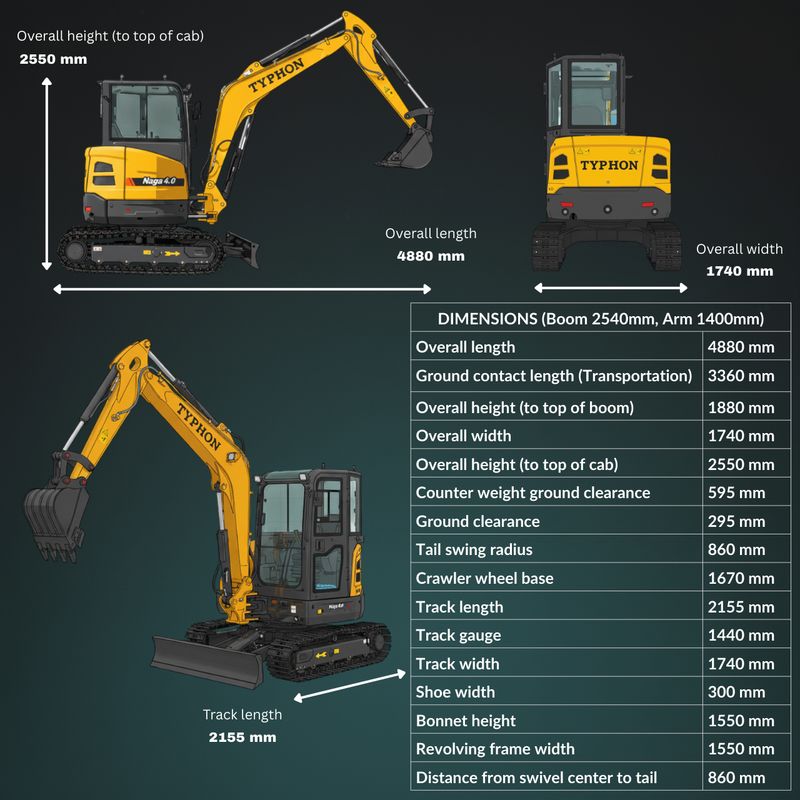
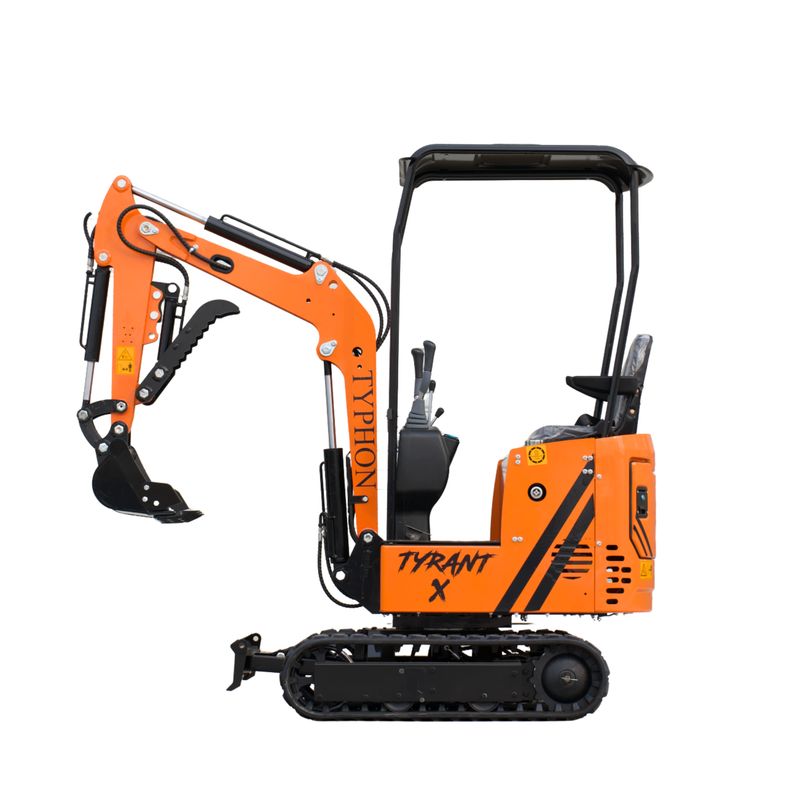
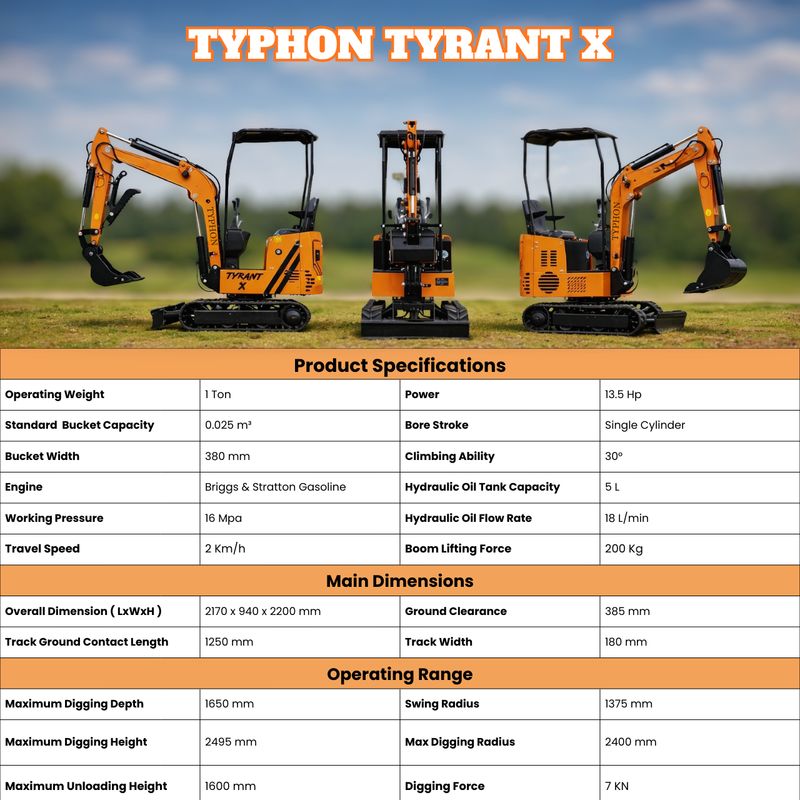
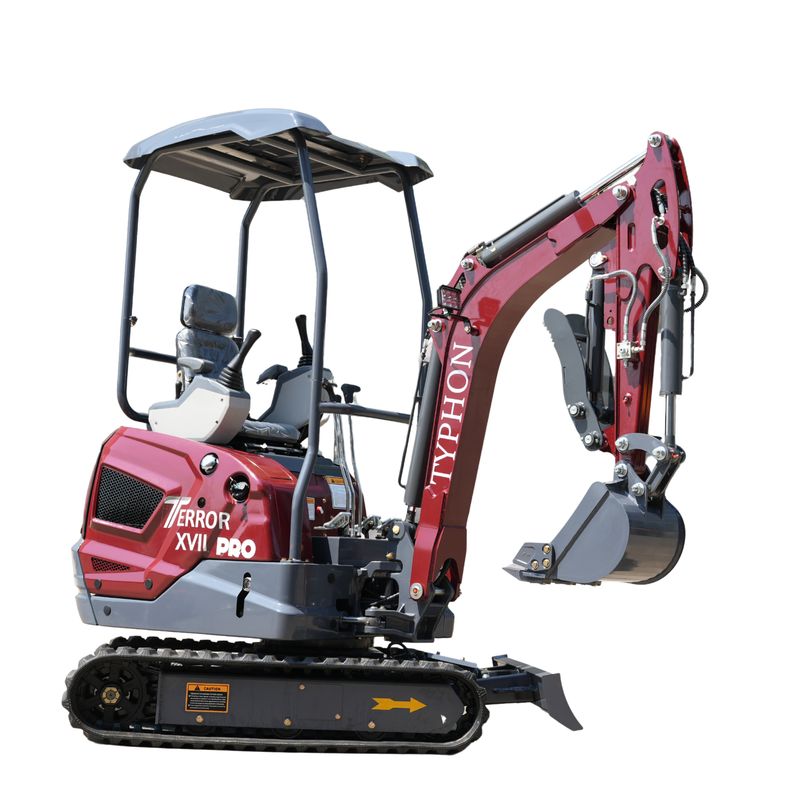
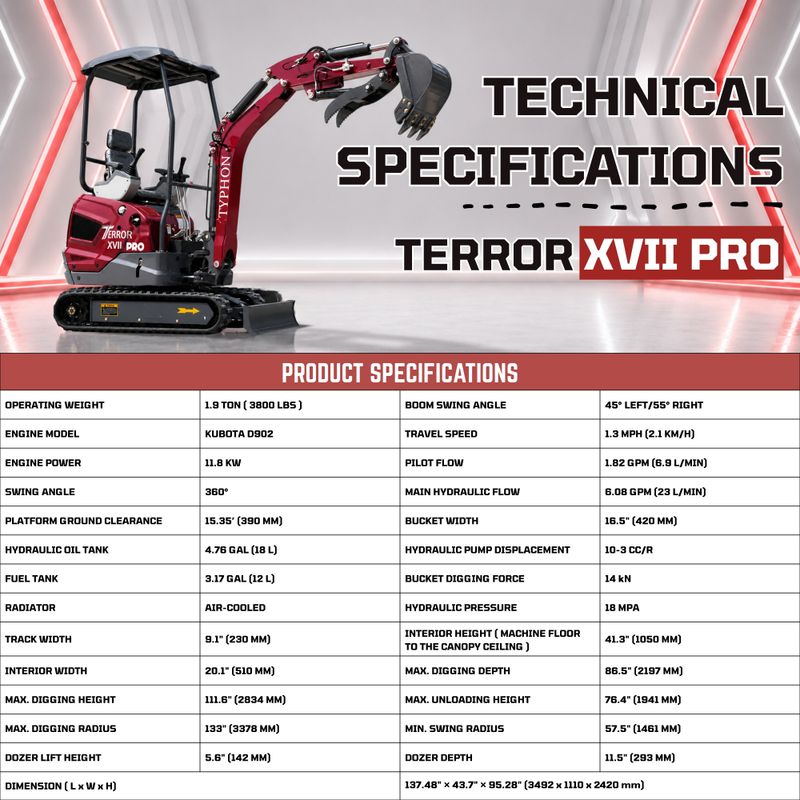
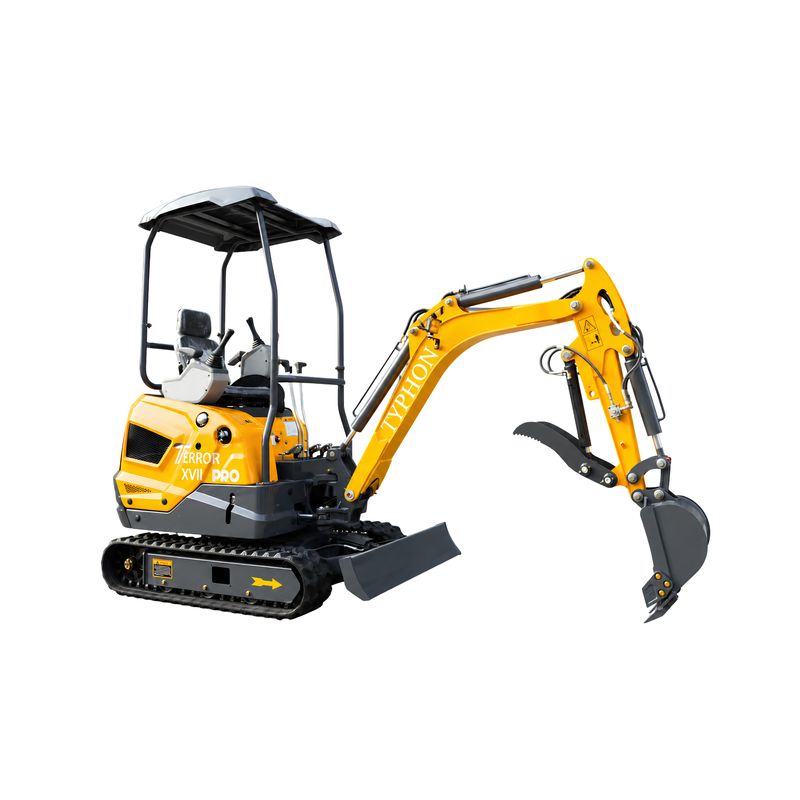
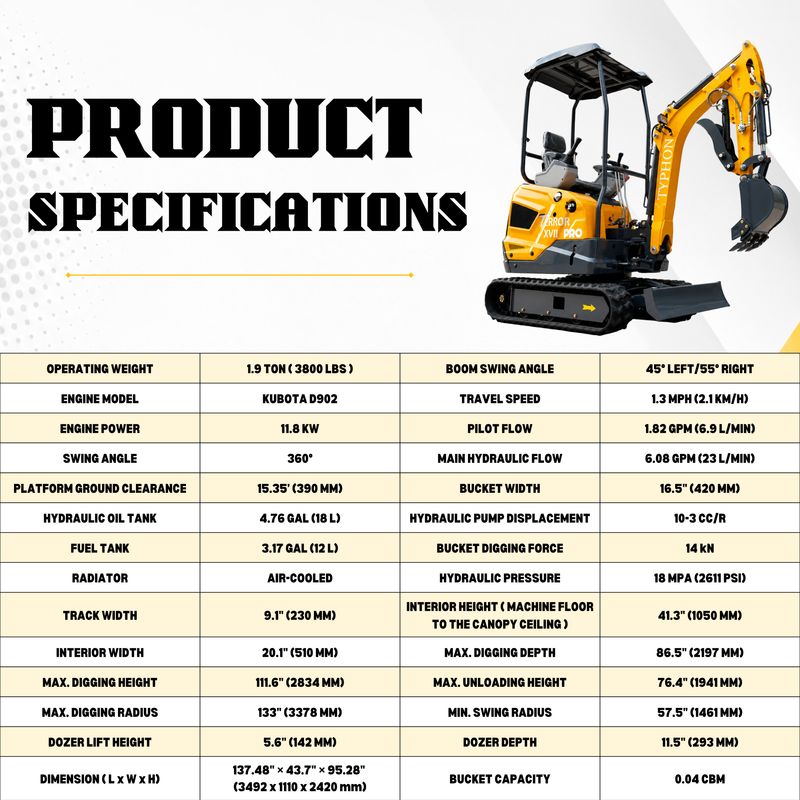
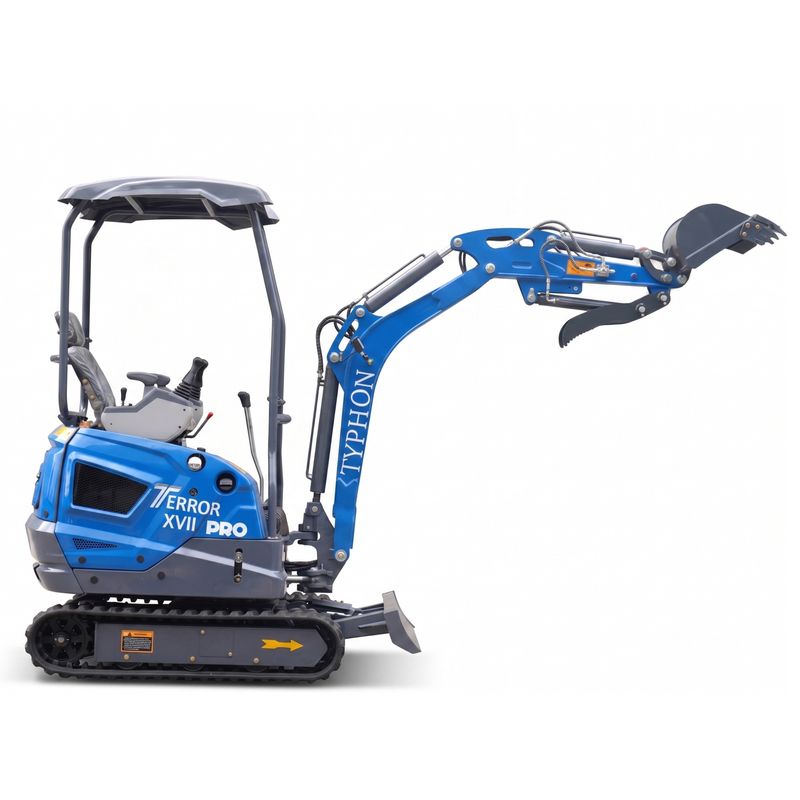
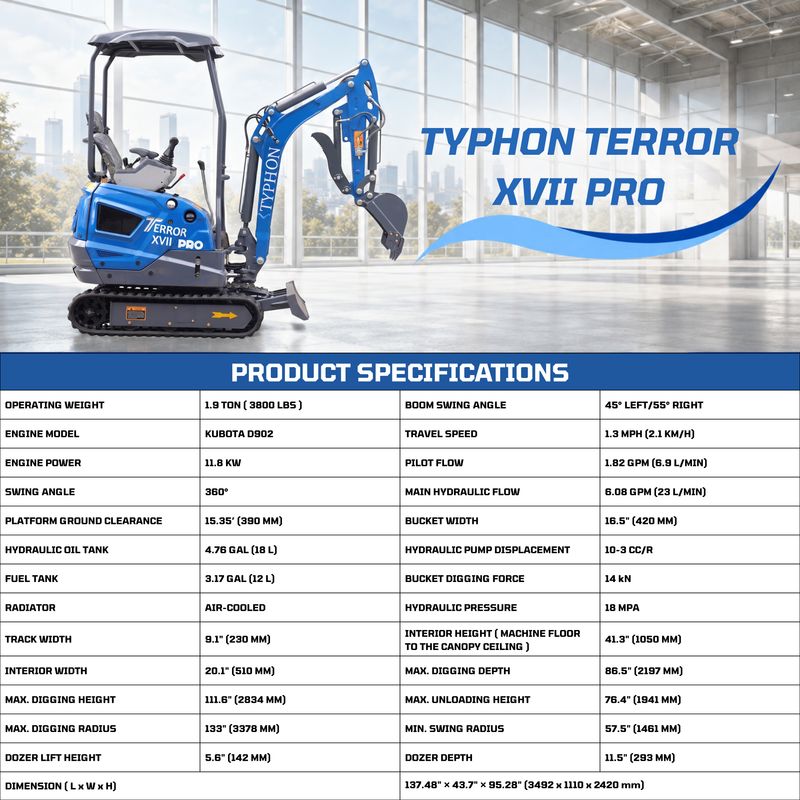
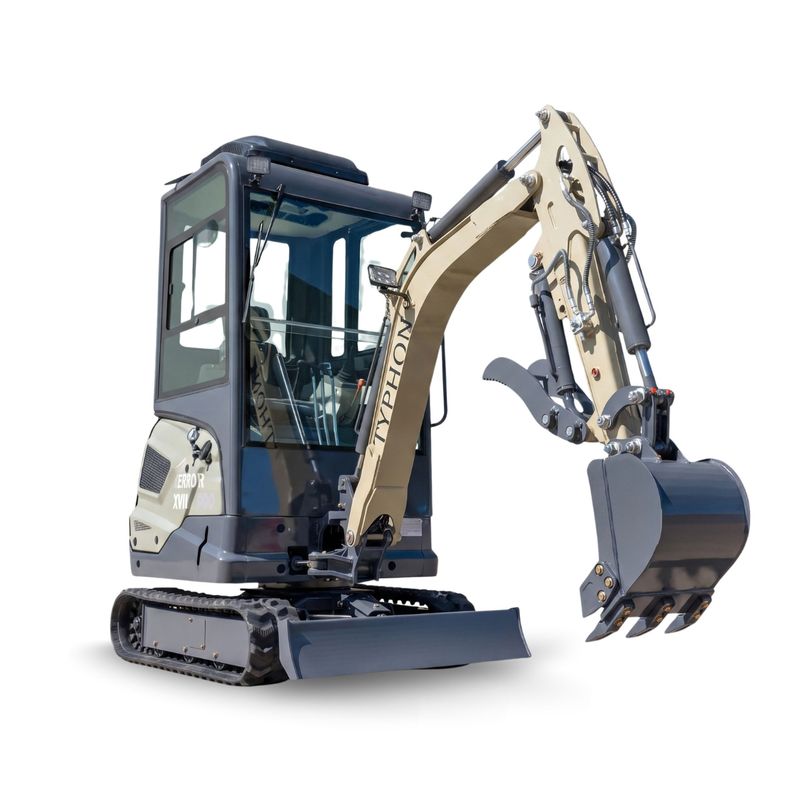
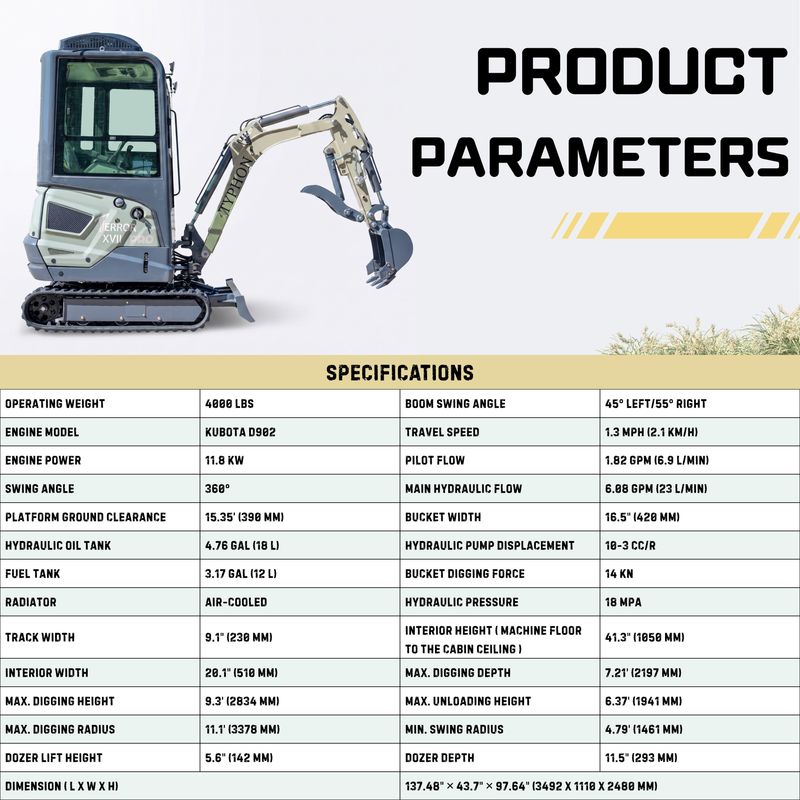
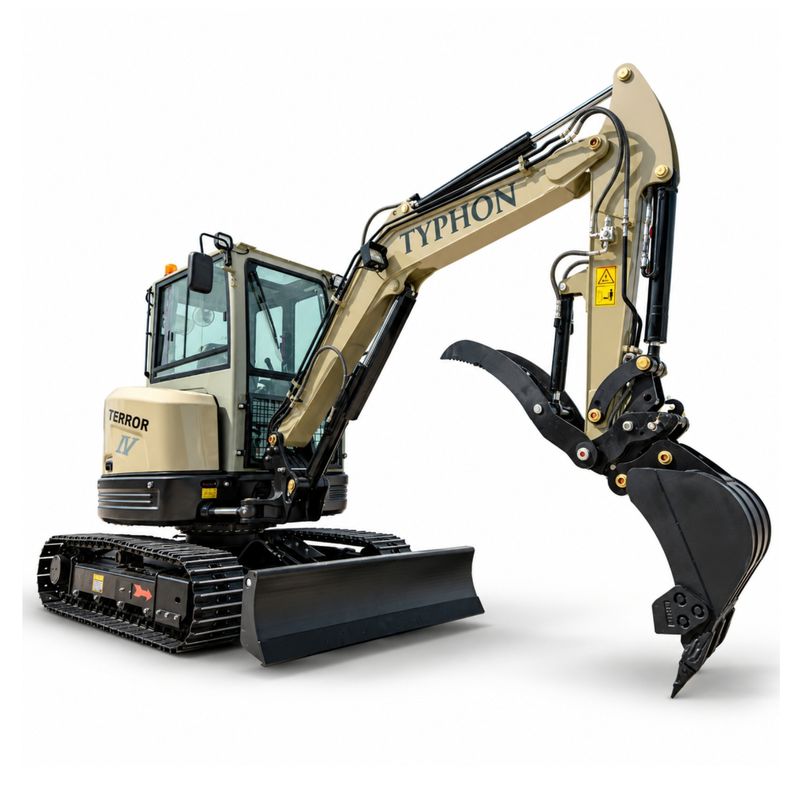
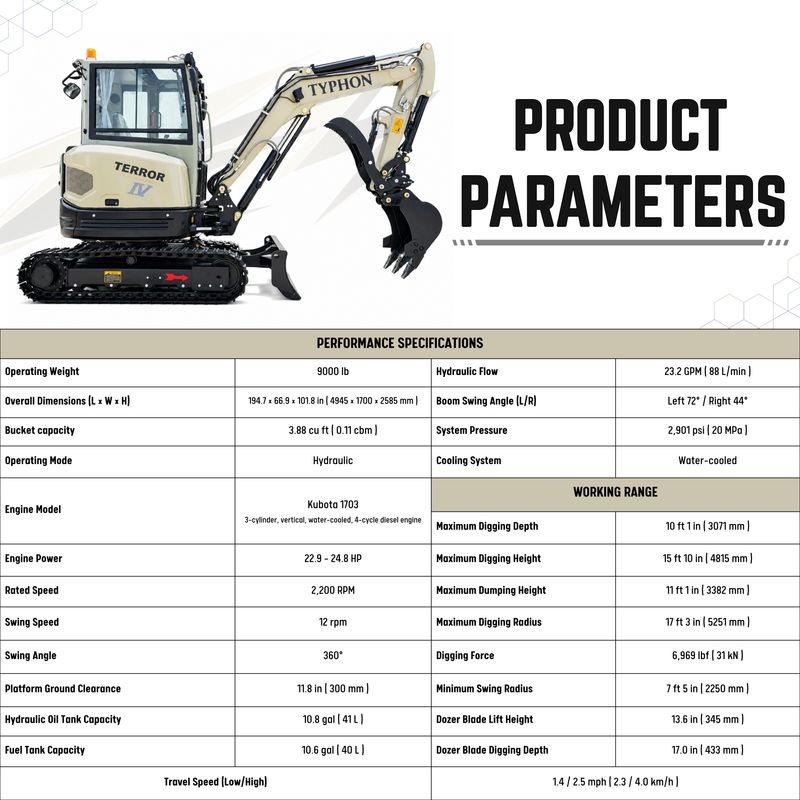
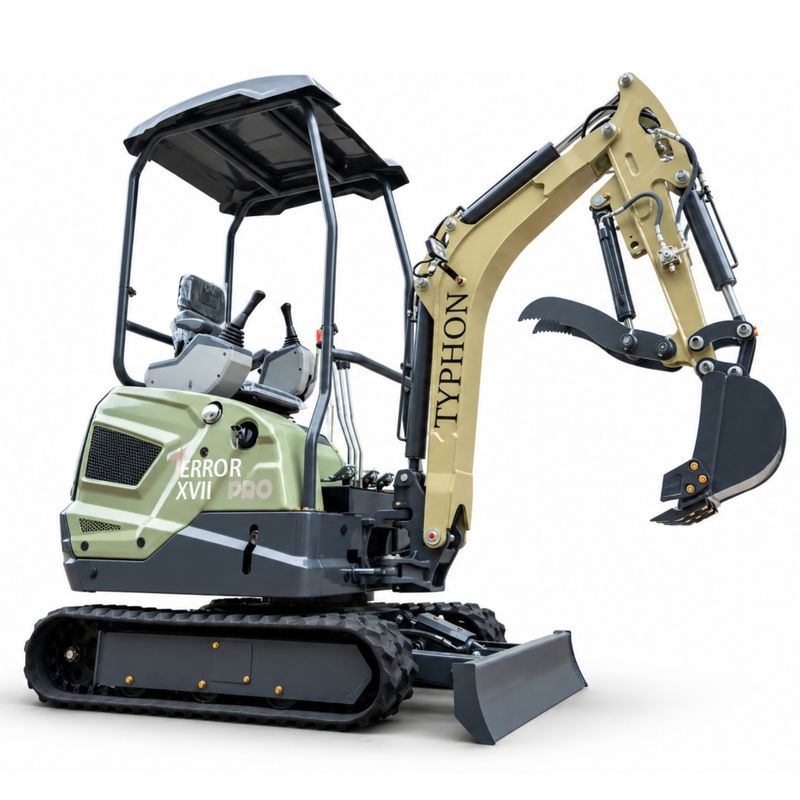
The TERROR range of mini excavators by TYPHON offers high fuel efficiency, maximum durability and low price. With more than 10 models on sale in the United States, ranging from 800 kg to 4,000 kg, TYPHON mini excavators provide the right type of service whatever your construction demands. Visit TYPHON Machinery to make a purchase online or request for more product information!
Expert Tips: Reading Specifications and Choosing Your Machine
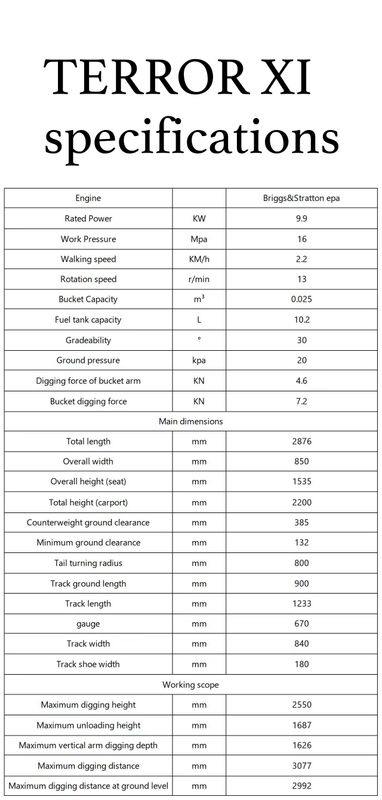
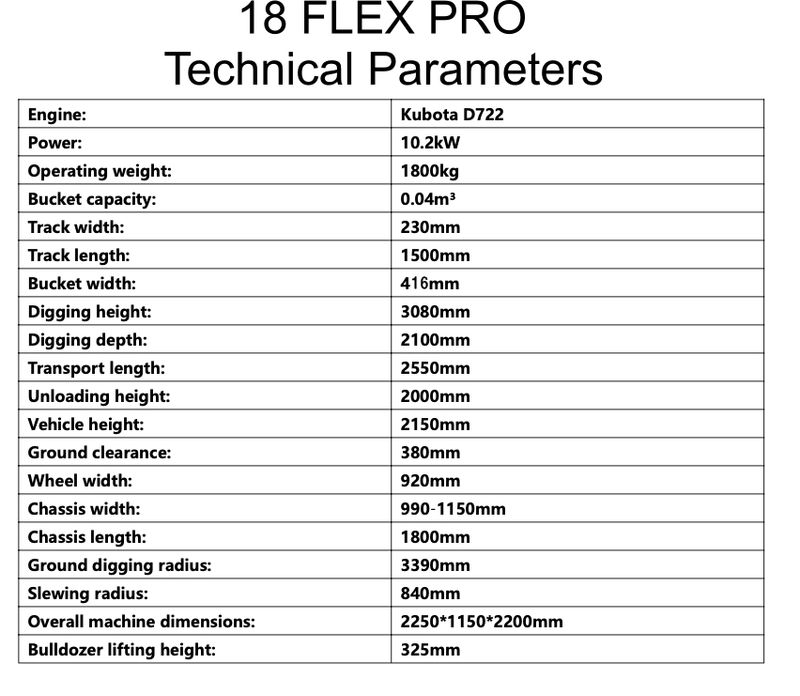
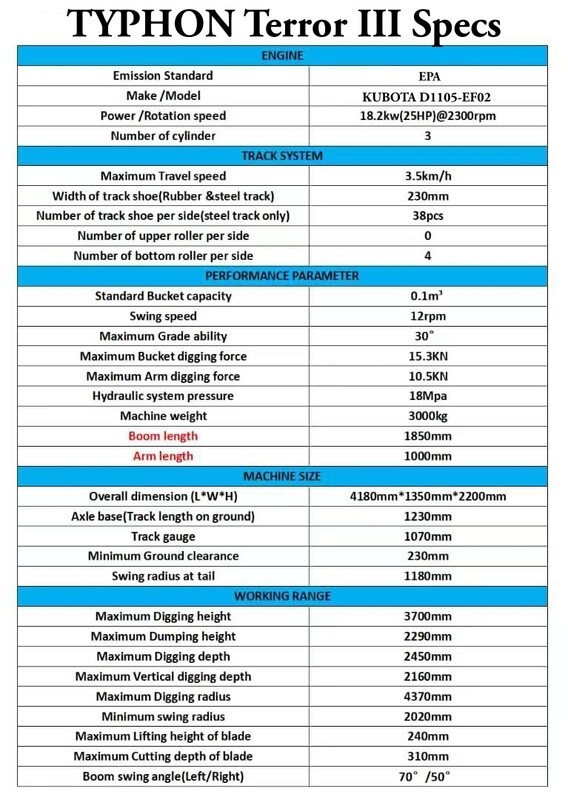
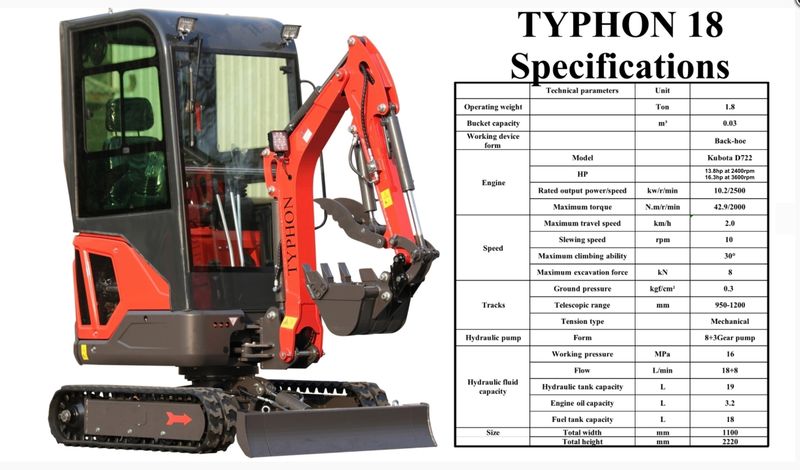
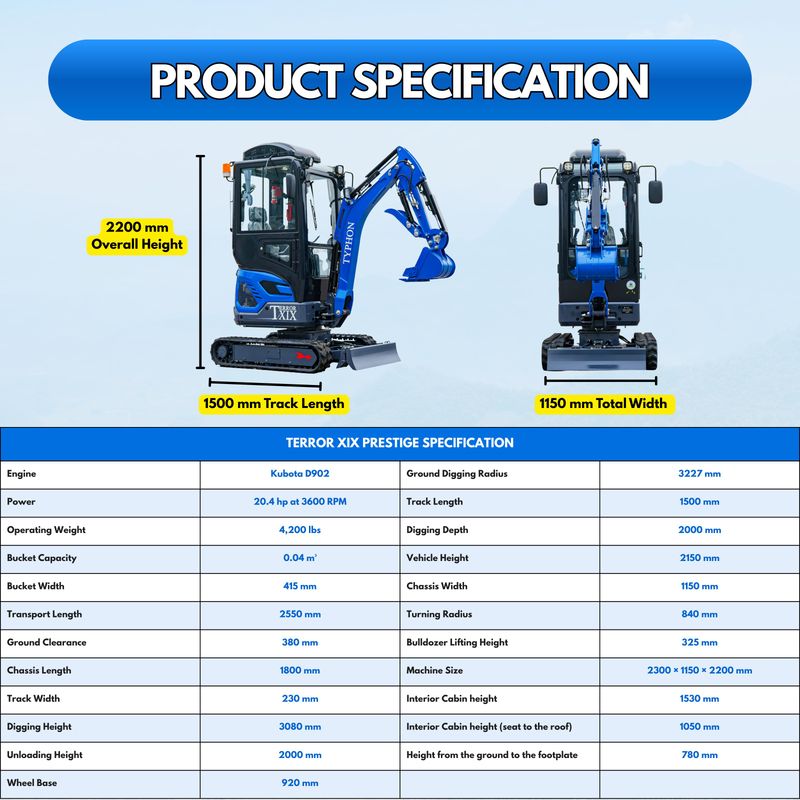
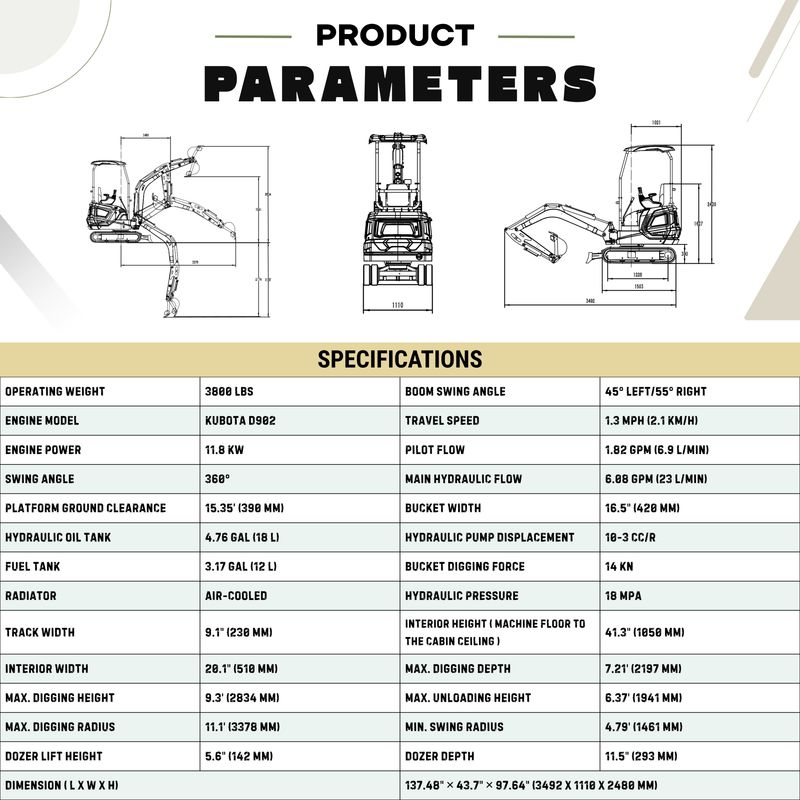
Selecting the right machine goes far beyond just picking a brand or a category. You have to dive into the technical data sheets. When evaluating heavy equipment like Typhon, Kubota, or Bobcat, pay close attention to how the technical data is displayed.
1. Bucket Capacity and Blade Digging Depth:
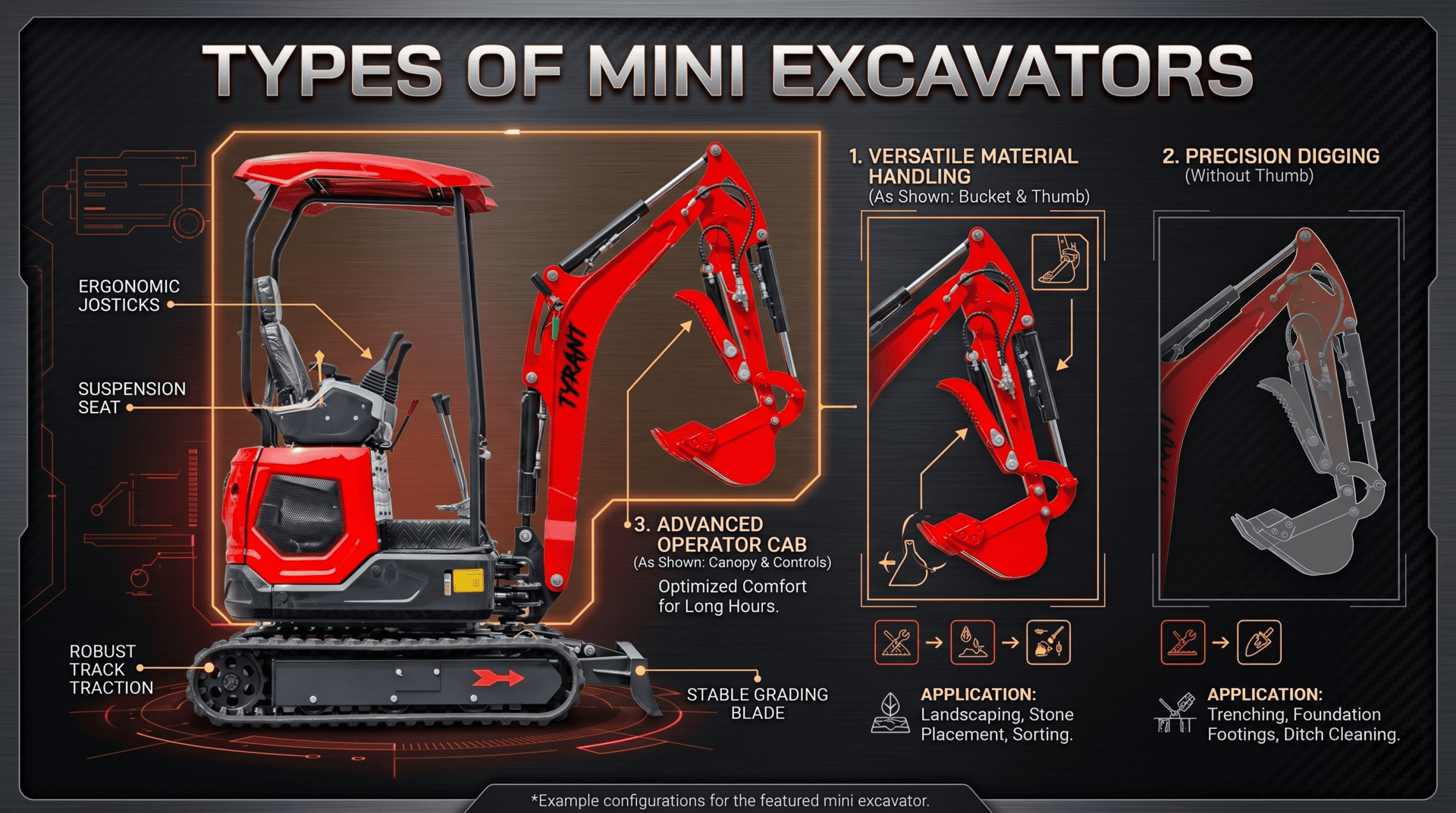
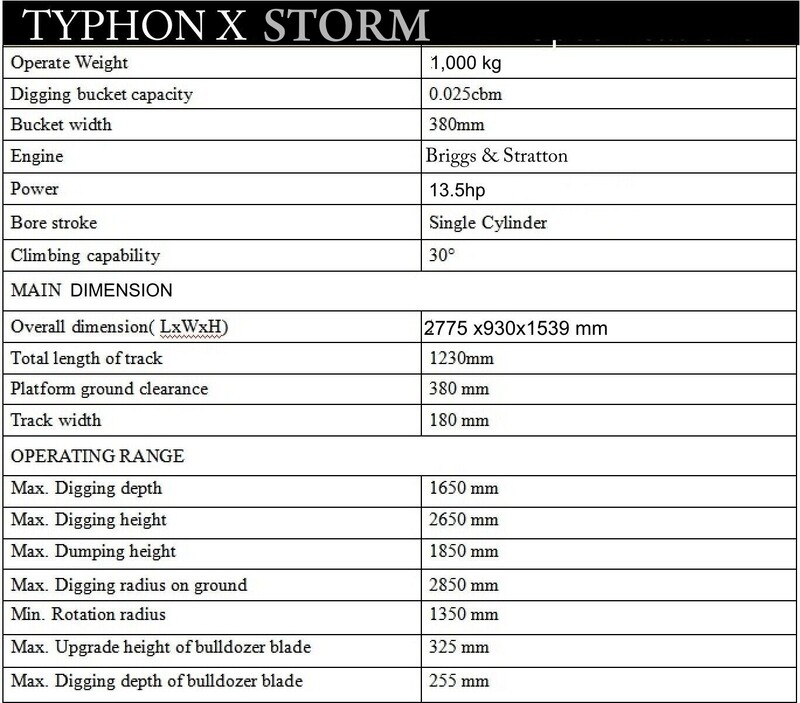
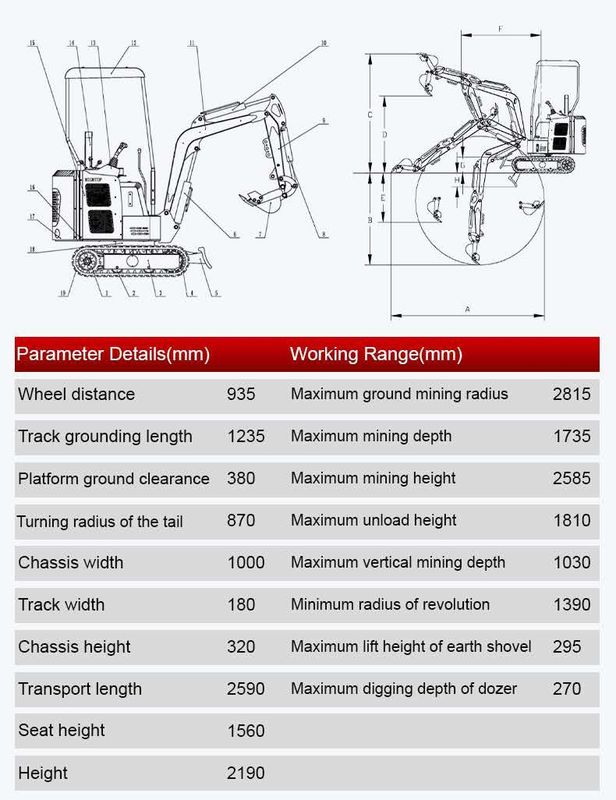
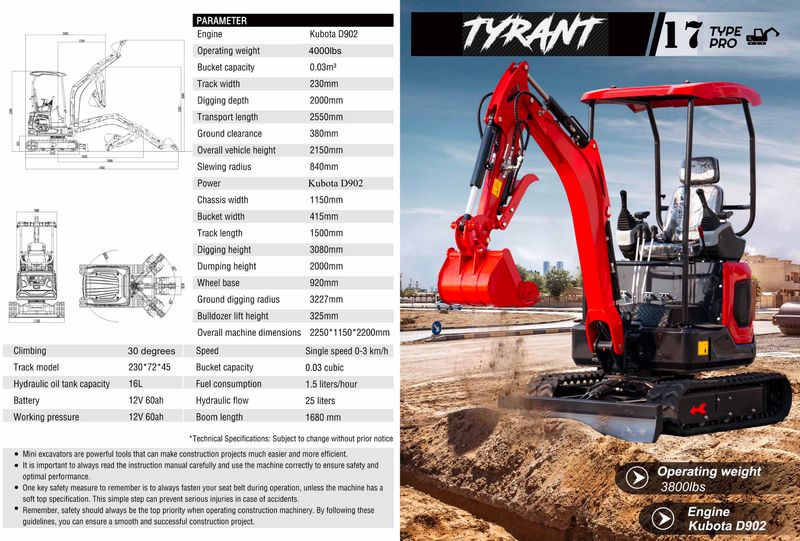
When reviewing infographics and spec sheets, ensure you are looking at the exact placement of the technical data. The bucket capacity (e.g., 0.075 cbm on the Typhon Terror X2) dictates how much material you can move per cycle. Equally important is the blade digging depth display placement on the spec sheet—this tells you exactly how far below grade the front dozer blade can drop, which is vital for stabilizing the machine on uneven slopes or performing aggressive backfilling.
2. Engine Reliability and Hydraulics:
A mini excavator is only as good as its engine and hydraulic pump. Machines utilizing Kubota (like the D1703 or V1505) or Yanmar diesel engines are highly prized in the industry because these engines are legendary for their longevity, fuel efficiency, and easy access to aftermarket parts. Furthermore, check the hydraulic system pressures. If you plan to use heavy-duty attachments like a hydraulic breaker hammer or a flail mower, your machine must be able to generate the necessary Gallons Per Minute (GPM) to run those attachments without overheating the hydraulic oil.
3. Operating Weight vs. Towing Capacity:
Consider your logistical setup. If you purchase a 6,600-pound machine like the Typhon Terror LXV, you must account for the weight of the machine, the heavy steel attachments, and the trailer itself. Verify that your hauling vehicle has the appropriate Gross Combined Weight Rating (GCWR) to transport the equipment safely and legally.
Essential Frequently Asked Questions
Are emerging brands like Typhon Machinery reliable compared to legacy brands?
Yes. Emerging brands have rapidly gained market share by utilizing the exact same highly reliable core components as legacy brands—specifically Yanmar and Kubota engines—but wrapping them in more cost-effective, straightforward chassis designs. Typhon Machinery, for example, offers incredible value, excellent operator comfort (like fully enclosed AC/heater cabins on their prestige models), and robust aftermarket support, making them a very smart investment for both new businesses and established fleets looking to expand without massive overhead.
What is the difference between a conventional tail swing and a zero tail swing excavator?
A conventional tail swing excavator has a rear counterweight that extends past the width of its tracks when the cab rotates. A zero tail swing (ZTS) excavator is engineered so that the entire upper body of the machine stays within the footprint of the tracks during a full 360-degree rotation. ZTS is generally preferred for working near walls or fences or in tight urban alleys to prevent accidental property damage.
Can a standard mini excavator be used for heavy land clearing?
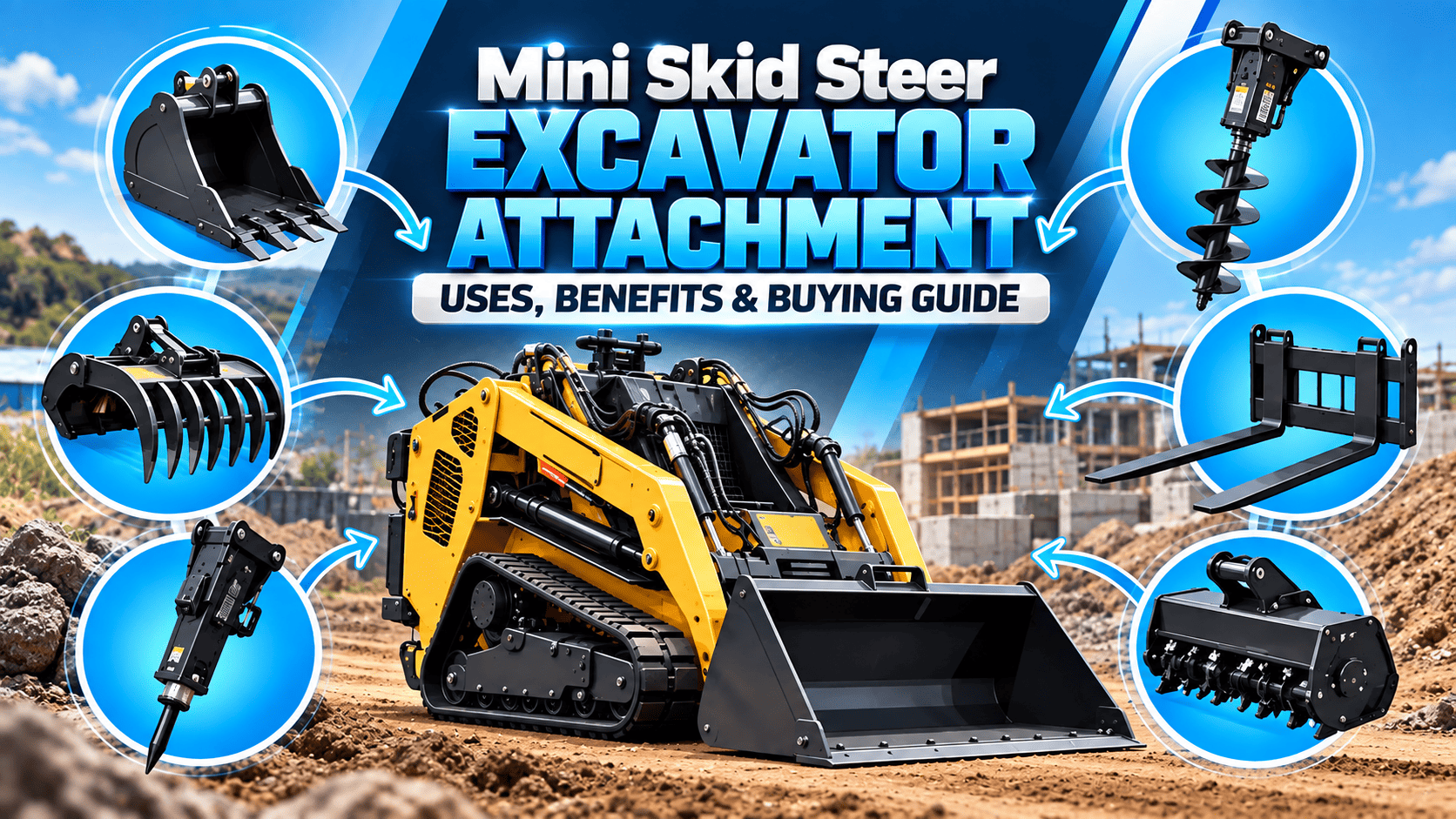
Absolutely, provided it is paired with the proper hydraulic attachments. While a standard bucket is great for digging, equipping a mini excavator with a hydraulic thumb clip allows the operator to easily grasp, uproot, and stack small trees and dense brush. When equipped with a specialized brush cutter or a heavy-duty flail mower attachment, a mini excavator can rapidly clear completely overgrown vegetation on uneven terrain that standard commercial mowers simply cannot safely reach.
How do I know if my machine has enough hydraulic power for attachments?
You need to consult the machine’s hydraulic flow rate, usually measured in Liters Per Minute (L/min) or Gallons Per Minute (GPM), alongside the operating pressure. For example, machines equipped with double-side throttle valves and advanced hydraulic oil cooling systems will provide smoother, more responsive control when running power-hungry attachments like augers or breaker hammers. Always match the attachment’s required flow rate to the excavator’s auxiliary output specifications.
Summary Overview
Investing in the right mini excavator ultimately comes down to understanding the specific demands of your job sites. By carefully matching machine types, track systems, and hydraulic capabilities to your daily operations, you can secure equipment that acts as a true extension of your professional workforce, optimizing performance while keeping overall overhead low.