Skip to content
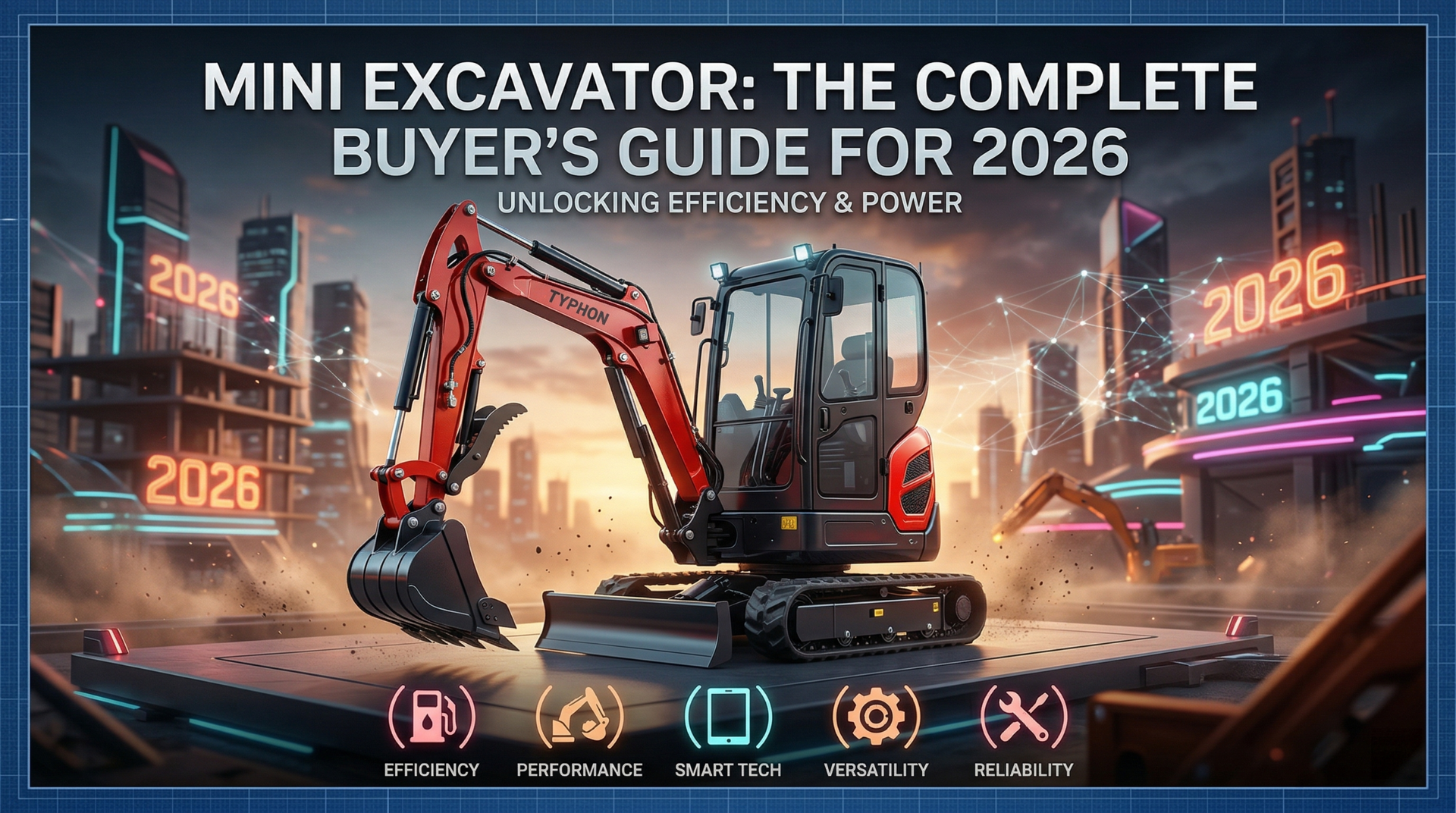
Mini Excavator: The Complete Buyer’s Guide for 2026 (Everything You Need to Know)
So You’re Thinking About a Mini Excavator—Here’s What Nobody Tells You Upfront
Let me guess. You’ve got a project coming up—maybe a trench to dig, a landscaping job that’s bigger than a shovel can handle, or a foundation that needs to come out. You Googled around, watched a few YouTube videos, and now you’re seriously considering renting or buying a mini excavator. Good instinct.
Here’s what most buying guides won’t say right out of the gate: the mini excavator is probably the single most useful piece of compact equipment on the market today. Not because it’s flashy. Because it works. Hard. In some places, larger machines simply cannot go.
After speaking with numerous contractors, landscapers, and weekend warriors who have utilized these machines, I’ve come to a clear conclusion: nearly everyone who has tried a compact excavator expresses a desire to have acquired one earlier. The learning curve is shorter than people expect, the versatility is genuinely impressive, and the time savings on a real job site are nearly impossible to overstate.
But not every mini excavator is right for every job. Buying the wrong size — or the wrong type — is an expensive mistake you don’t want to make. So let’s break it all down properly, starting from scratch.
What Actually Makes a Mini Excavator “Mini”?
The term gets thrown around loosely, but in the equipment world, a mini excavator—sometimes called a compact excavator— generally refers to machines weighing between 1 and 10 metric tons. Anything under about 6 tons sits in the core compact range. Above that, you start creeping toward mid-size territory, though manufacturers still market some of those as compact.
What separates a mini excavator from a standard full-size excavator isn’t just weight. It’s the entire design philosophy. These machines are built to access tight spaces—a narrow backyard, a site wedged between two buildings, or a basement dig where you’re working feet away from an existing wall. A full-size excavator doesn’t belong in those situations. A compact excavator was born for them.
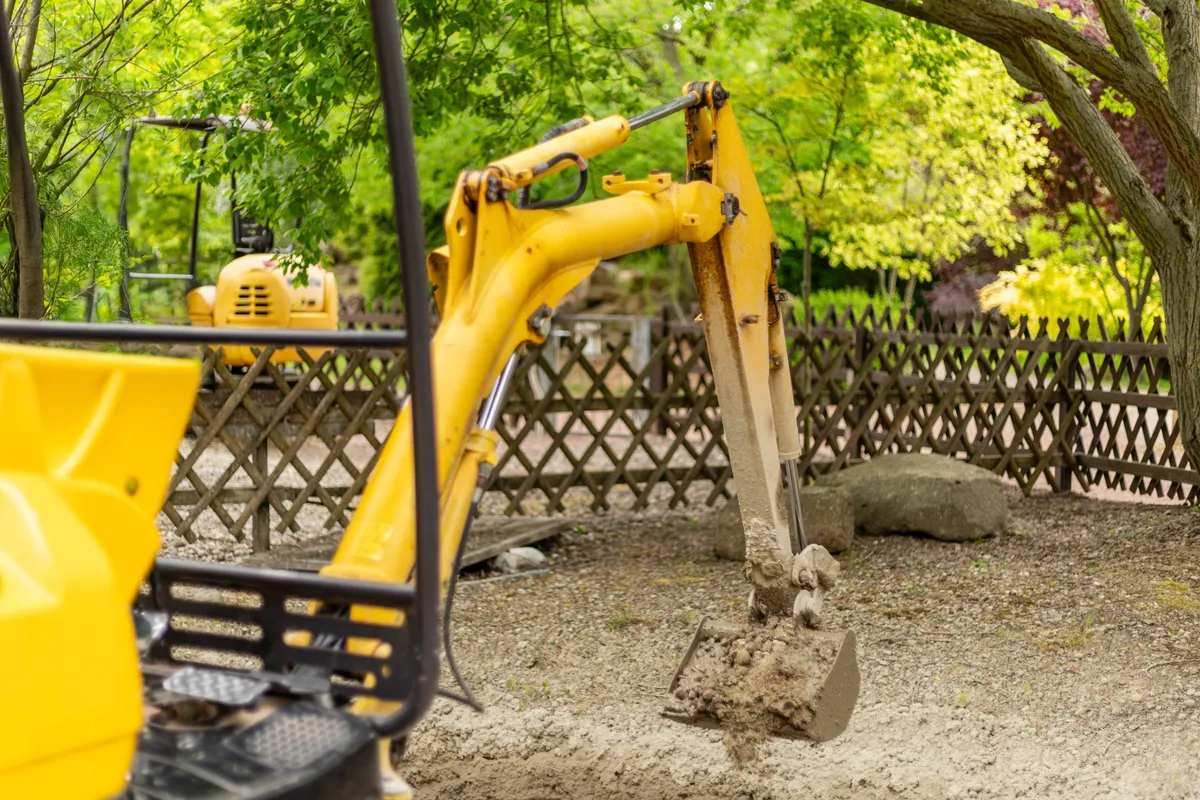
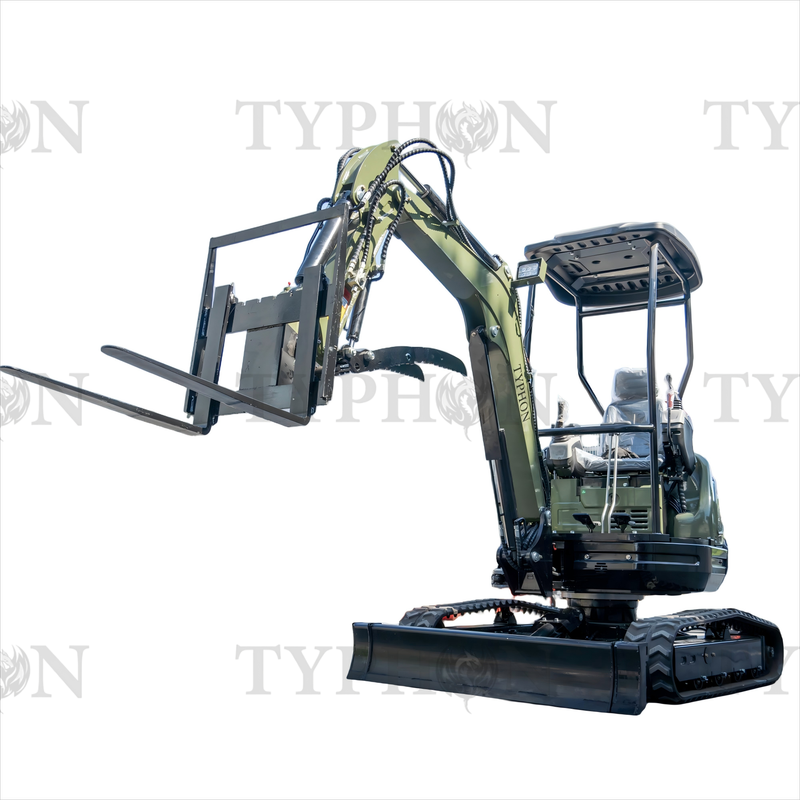
The basic anatomy looks like any excavator you’ve seen on a big site:
- The boom and arm (dipper stick) — the jointed arm doing the reaching and digging
- The bucket or attachment at the working end
- The cab or operator station — open canopy or fully enclosed, model-dependent
- Rubber or steel tracks on the undercarriage
- A counterweight at the rear keeping things balanced mid-dig
One feature worth understanding early is zero tail swing. Many modern mini excavators are designed so the rear of the machine stays within the track width during full rotation. Spin the upper structure all the way around and nothing clips a wall, fence, or parked truck. In tight quarters that’s not a nice bonus — it’s the difference between finishing the job cleanly and causing damage you’ll spend hours explaining.
The Different Types — Because They’re Not All the Same Machine
Walk into any equipment dealer and you’ll find several distinct types of compact excavators sitting next to each other. Here’s a plain-English breakdown of what you’re actually looking at.
Zero Tail Swing Models
The most popular choice for urban and residential work. On full rotation, the counterweight and rear housing stay inside the track width. They cost a little more than conventional models, but in tight spaces, the premium pays for itself quickly— often on the very first job.
Conventional Tail Swing Models
Slight overhang at the rear. In exchange, you get a bit more raw digging power and depth within the same weight class. On open job sites with room to move, a conventional tail-swing mini excavator is perfectly reasonable—and usually less expensive than the zero-swing equivalent.
Rubber Track vs. Steel Track
Rubber tracks are the standard for compact excavators, and for most work that’s precisely what you want. They’re gentle on lawns, driveways, finished surfaces, and anything you’d rather not destroy in the process of doing the actual job. Steel tracks offer better traction in seriously rough or rocky terrain but will chew up soft ground underneath them. Most operators never need them.
Canopy vs. Enclosed Cab
Smaller micro-class machines under 2 tons usually come with an open canopy — a roll-over protection structure without glass panels. Larger compact models offer enclosed cabs with heat and air conditioning. If you’re running the machine for full days in summer or through winter, enclosed cab isn’t optional—it’s a sanity decision. Half a day in an open canopy at 100 degrees will settle that debate fast.
What Can You Actually Do With One of These Things?
Honestly, the possibilities are far greater than most people realize. The versatility of a well-equipped mini excavator tends to genuinely surprise people who’ve only seen them doing basic digging.
Trenching is the obvious starting point. Pipe installation, irrigation lines, drainage, electrical conduit, sewer connections — a compact excavator cuts clean, consistent trenches in a fraction of the time any hand-digging crew would take. And the walls come out straighter, which matters when you’re trying to meet inspection standards.
Foundation work for sheds, room additions, retaining walls, and small structures is where these machines save serious time and money. The small footprint means you access the area without destroying everything around it in the process.
Landscaping has honestly become one of the fastest-growing use cases. Reshaping grades, digging ponds, pulling stumps, moving large rocks, cutting drainage swales — landscapers who invest in a compact excavator often find it does the work of three or four tools they used to rent separately every time a big job came in.
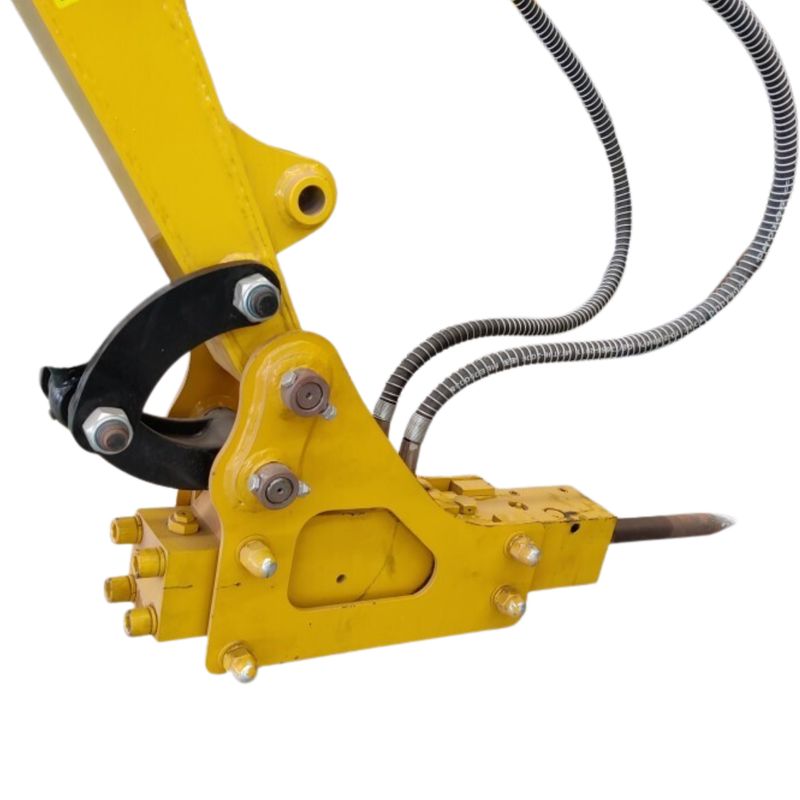
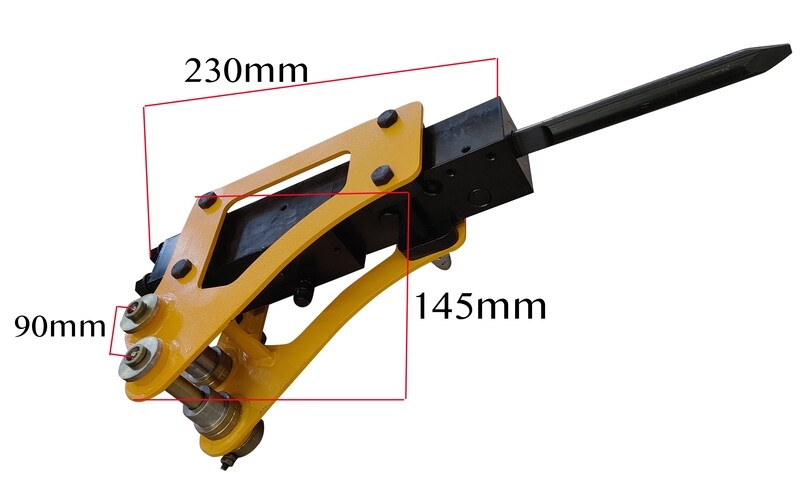
Demolition becomes surprisingly manageable with the right attachment. A hydraulic hammer fitted to a mini excavator breaks through concrete and block walls that would take a crew with handheld equipment an entire day.
Pool excavation is a textbook example of where compact size pays off. The machine fits through a standard backyard gate, works within the yard space, digs the cavity without turning the rest of the property into a wreck.
Utility repair work — water line digs, sewer access, new cable runs — happens constantly in established neighborhoods where space is limited and tearing up the surrounding area isn’t acceptable. That’s where a compact excavator earns its keep on every single job.
Attachments: This Is Where the Real Versatility Lives
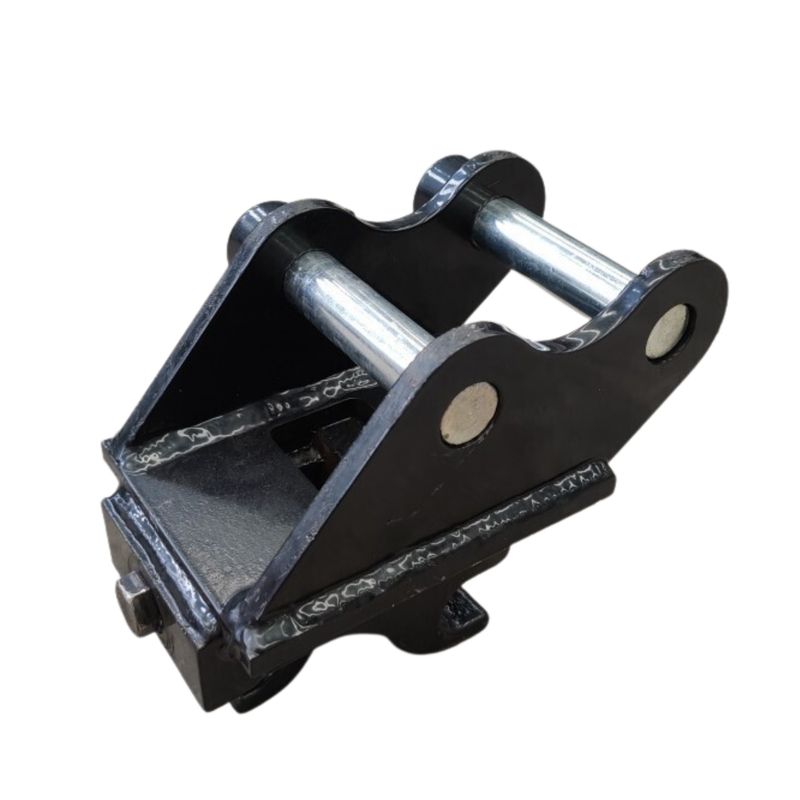
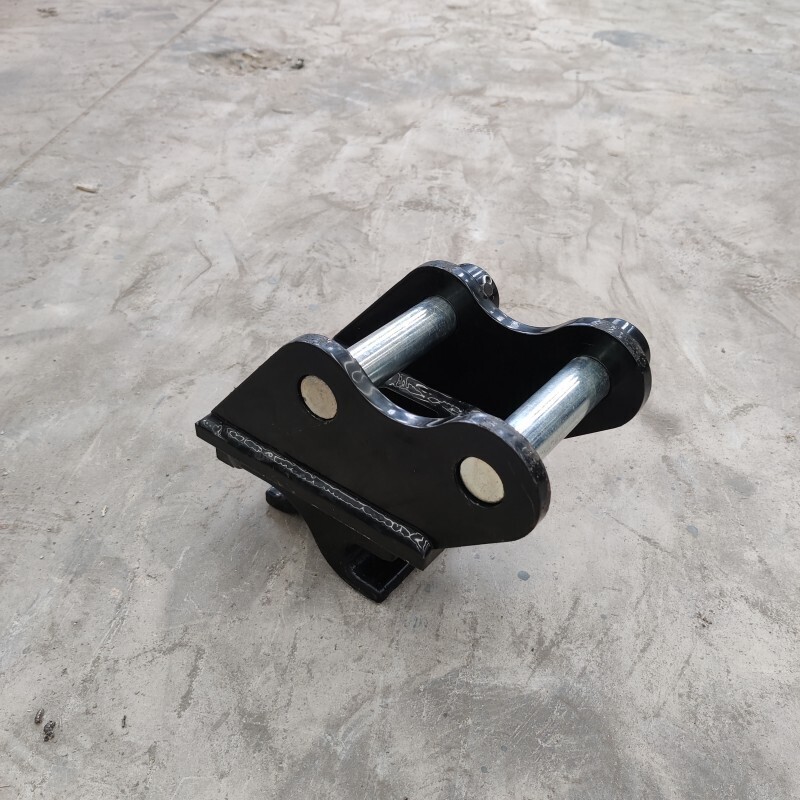
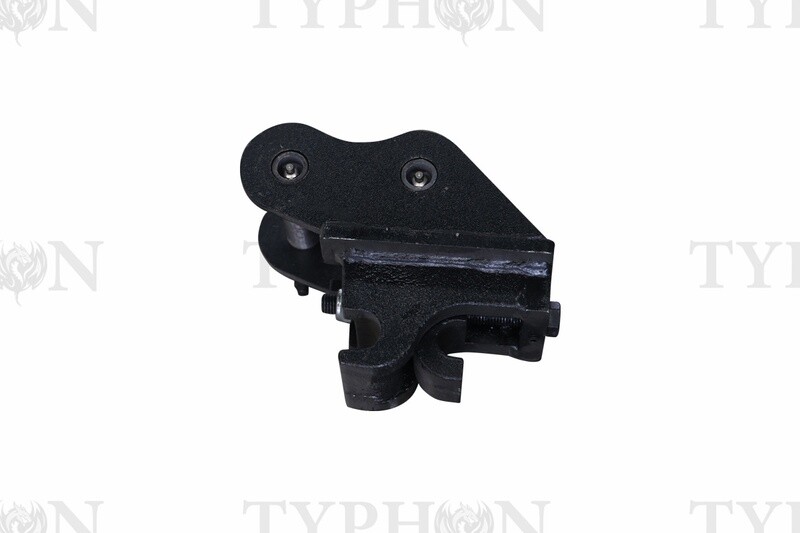
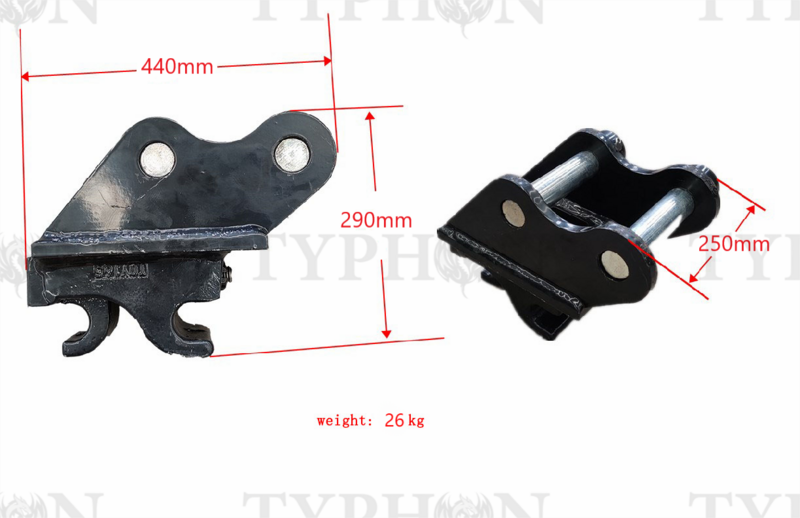
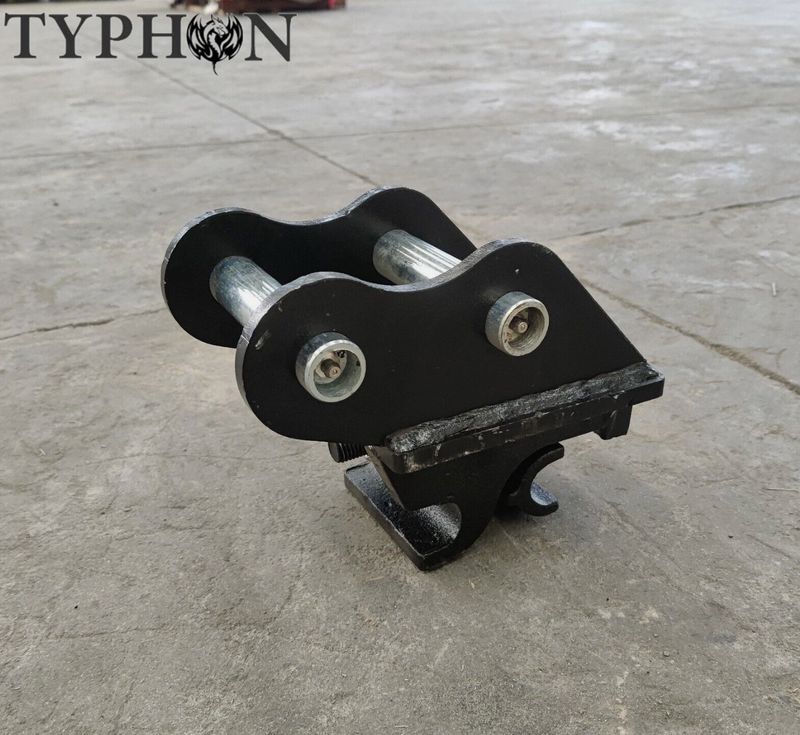
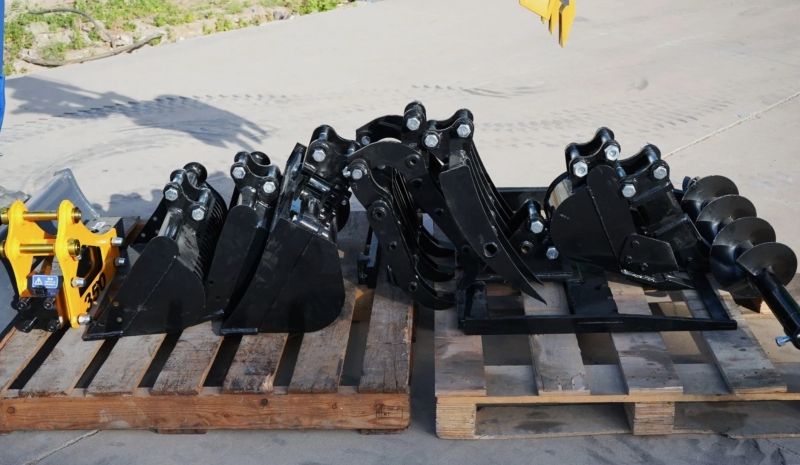
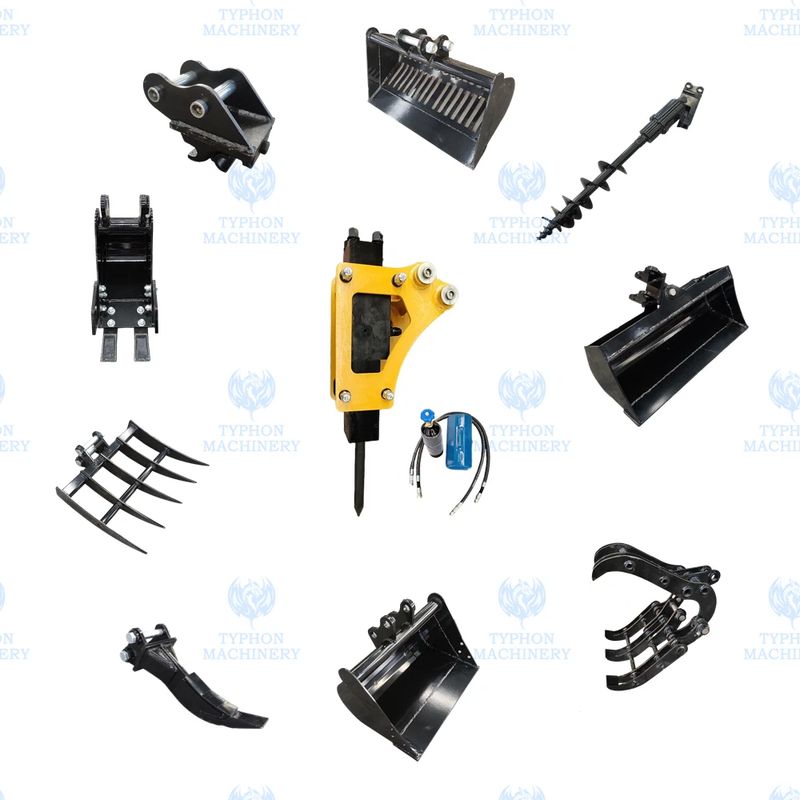
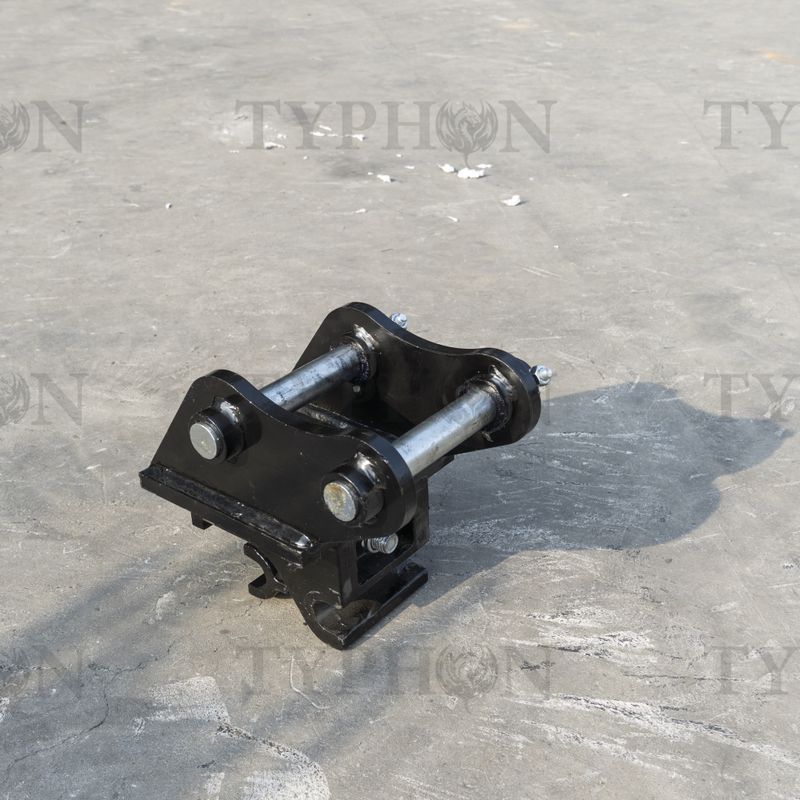
The attachment system is genuinely one of the best parts of owning a mini excavator. Most modern machines use a quick-coupler setup that lets operators swap tools in a few minutes without leaving the seat. That flexibility transforms one compact excavator into a legitimately multi-purpose machine.
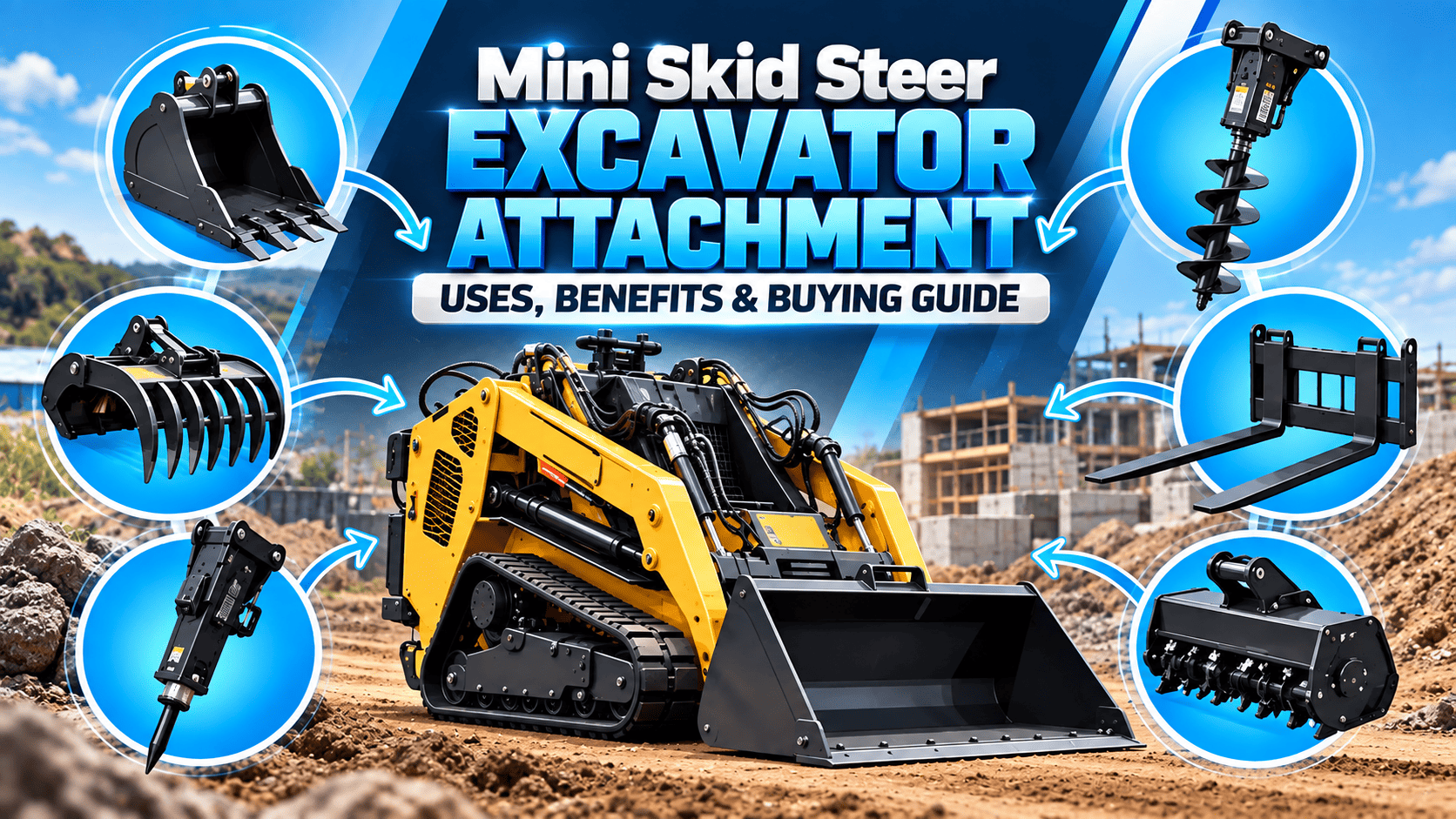
Common attachments you’ll actually use:
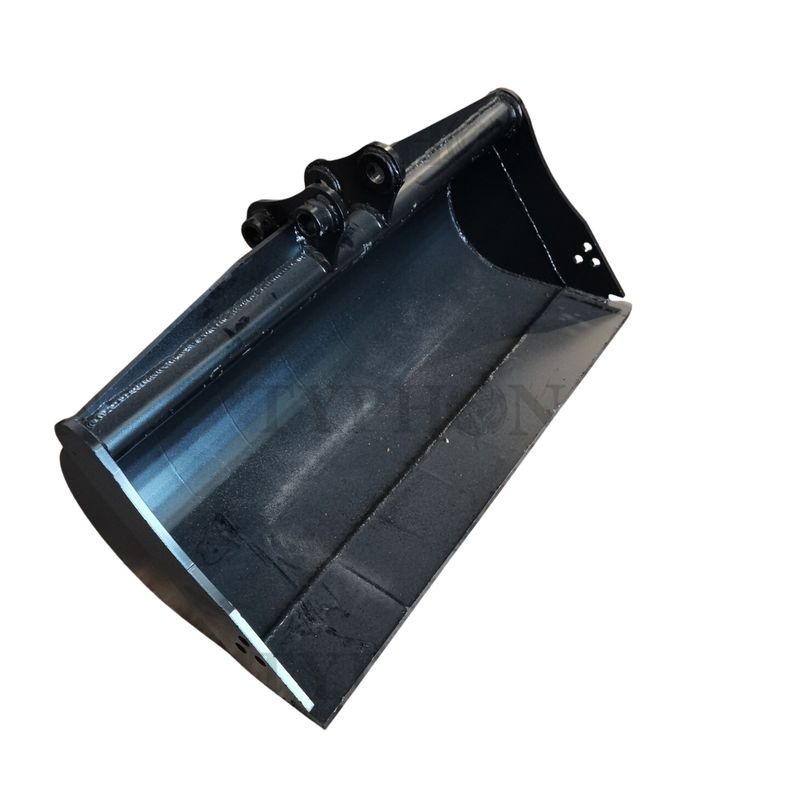
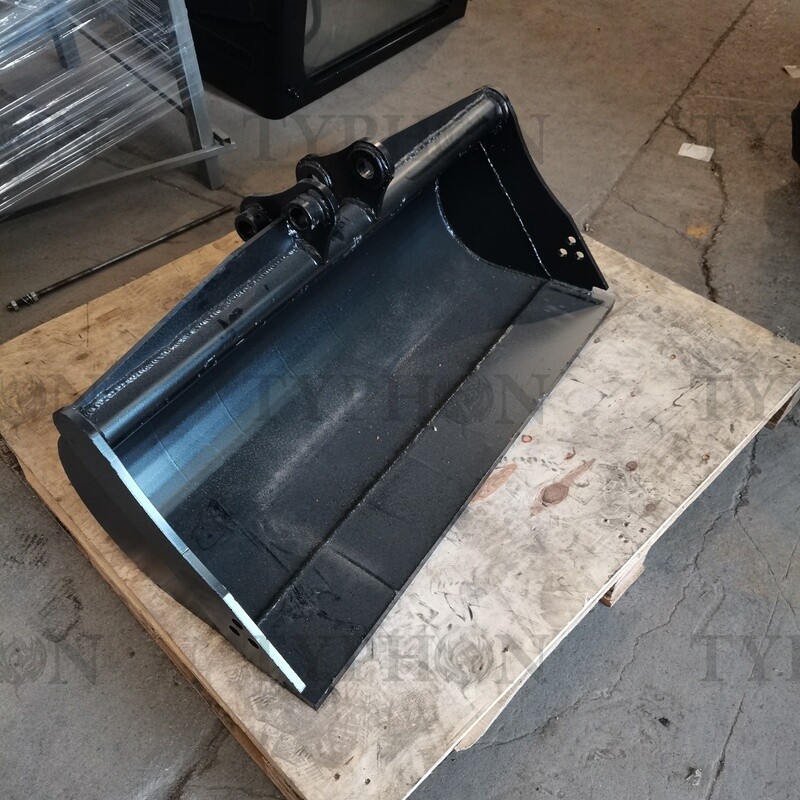
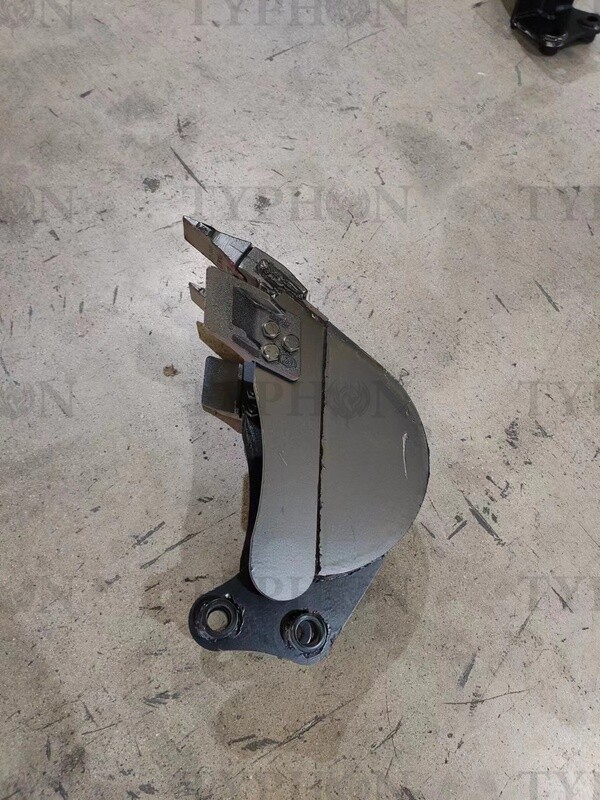
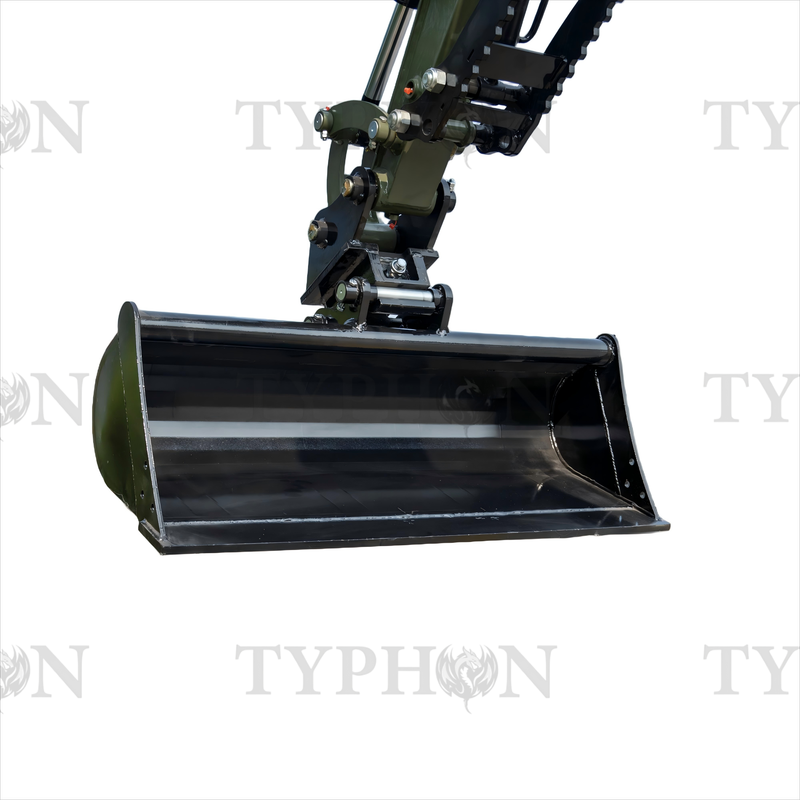
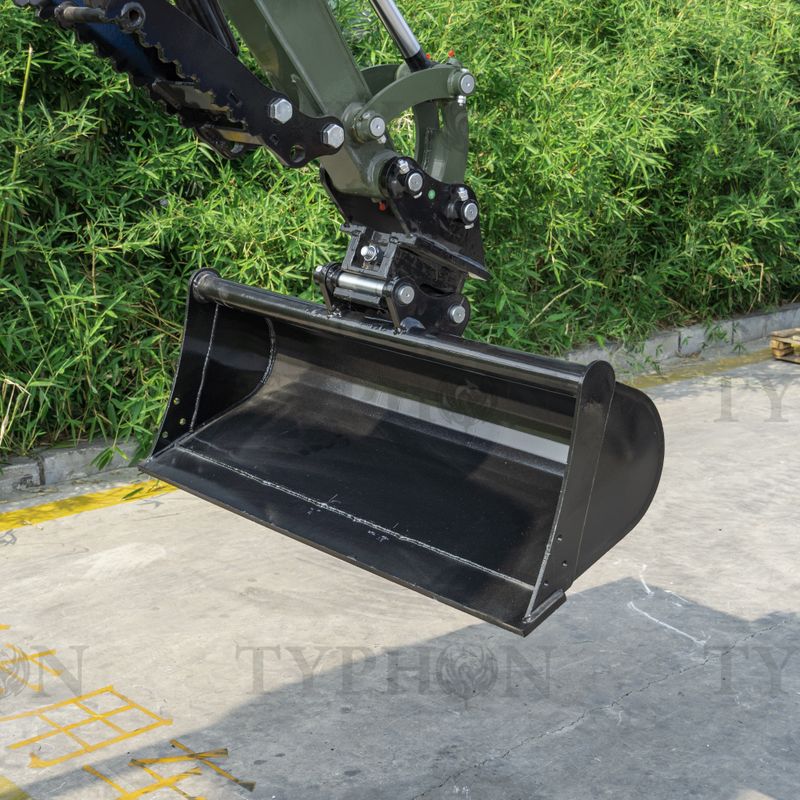
- Standard digging bucket — everyday excavation, trenching, and material loading
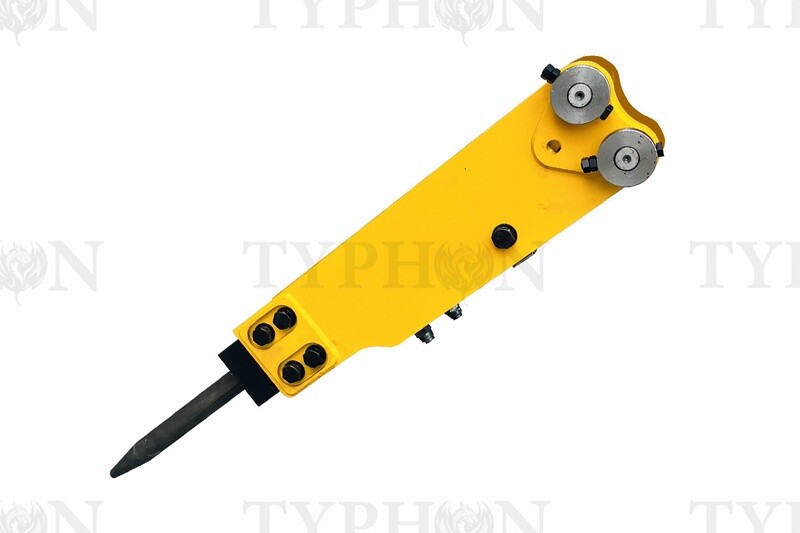
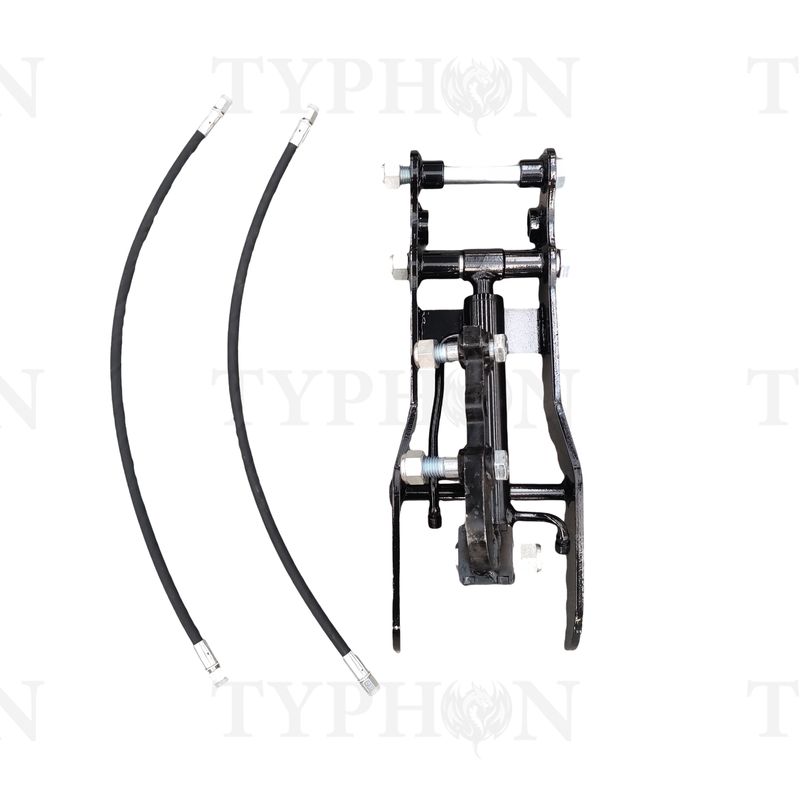
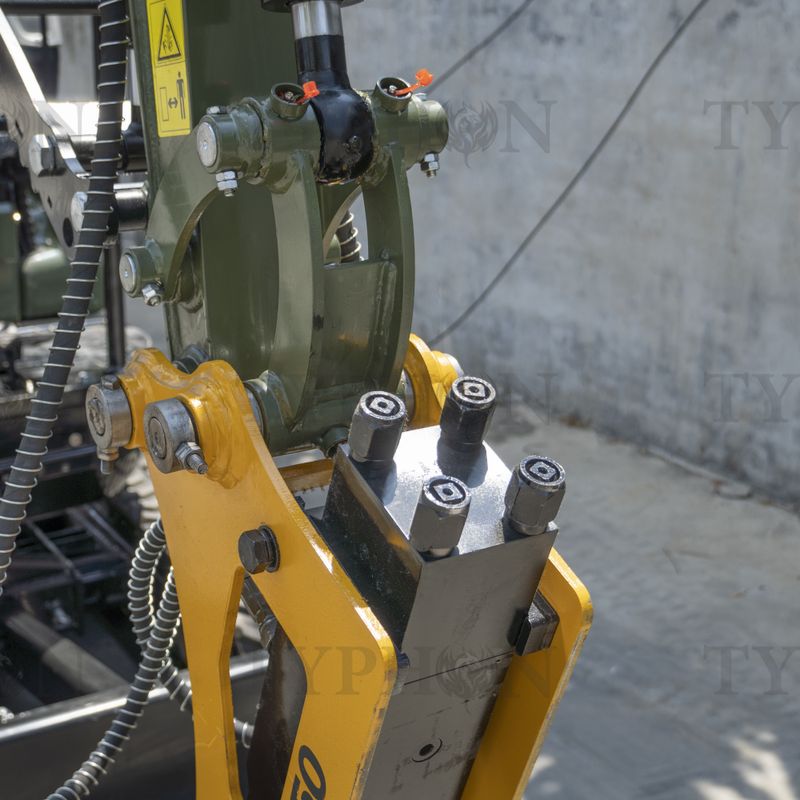
- Hydraulic hammer (breaker) — demolishing concrete, breaking rock, cracking asphalt
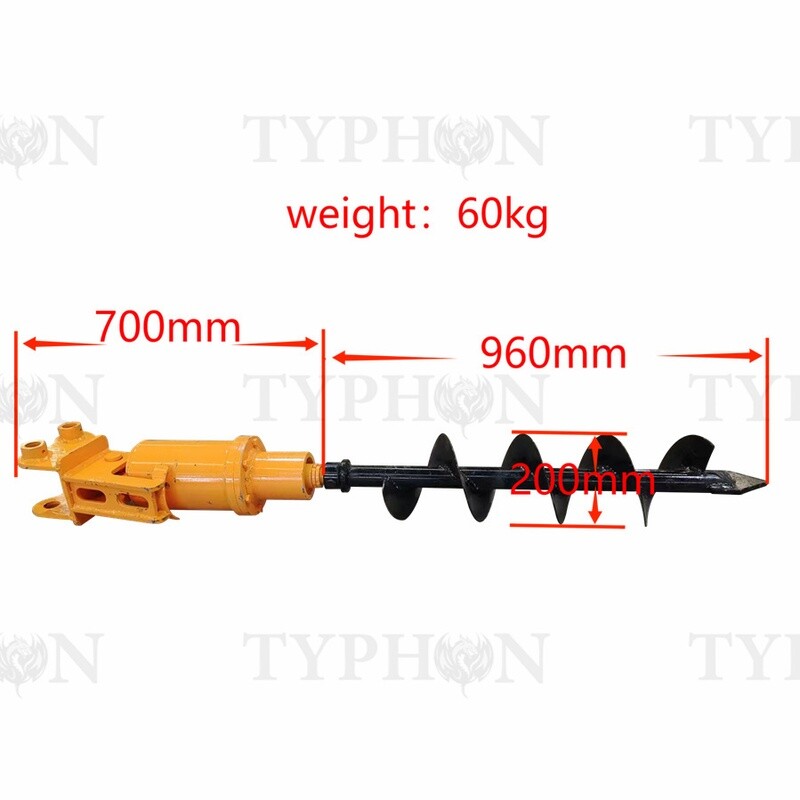
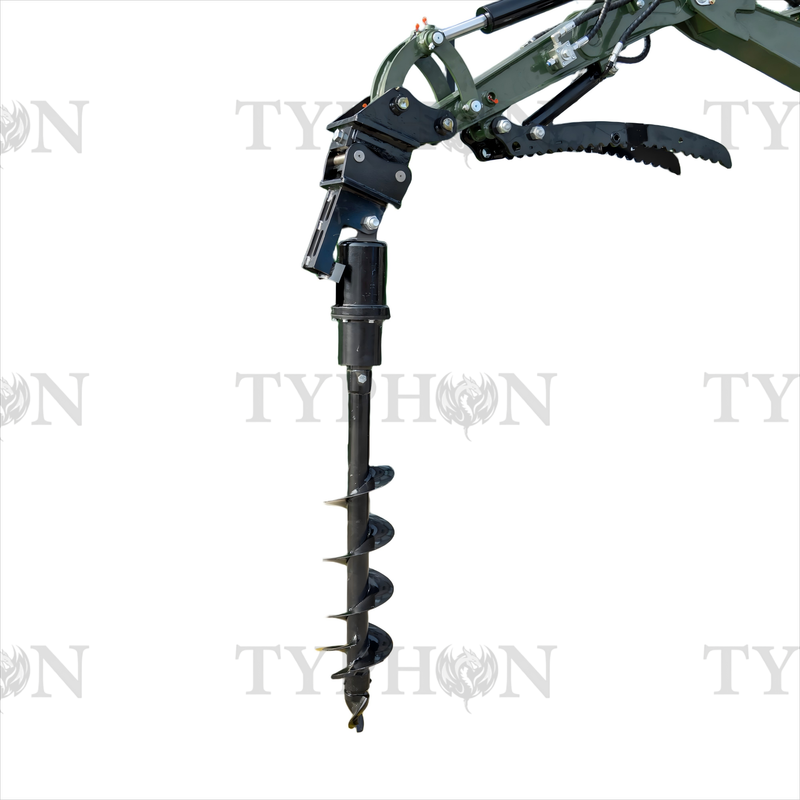
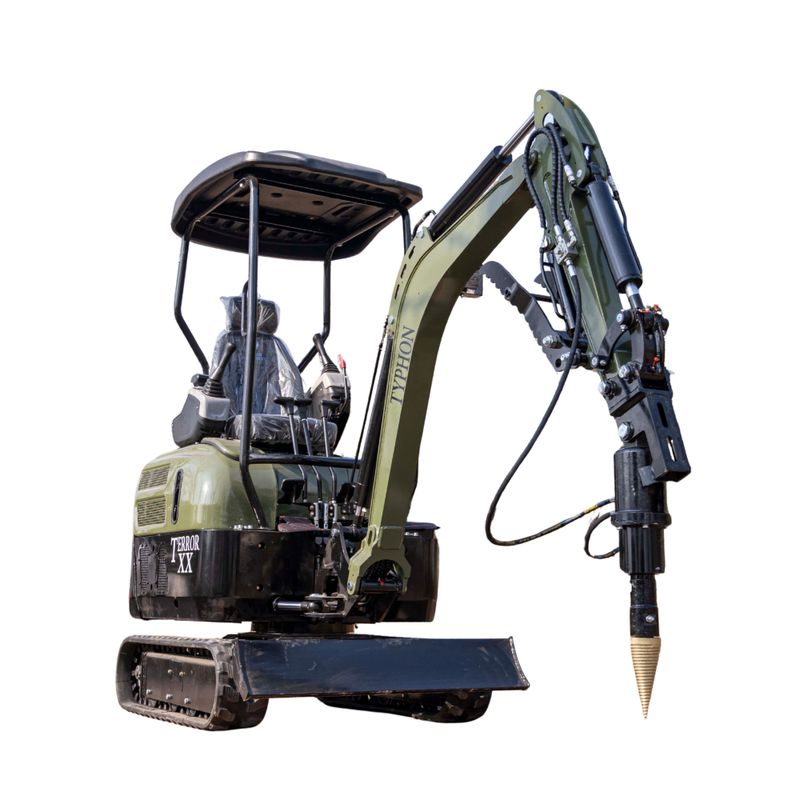
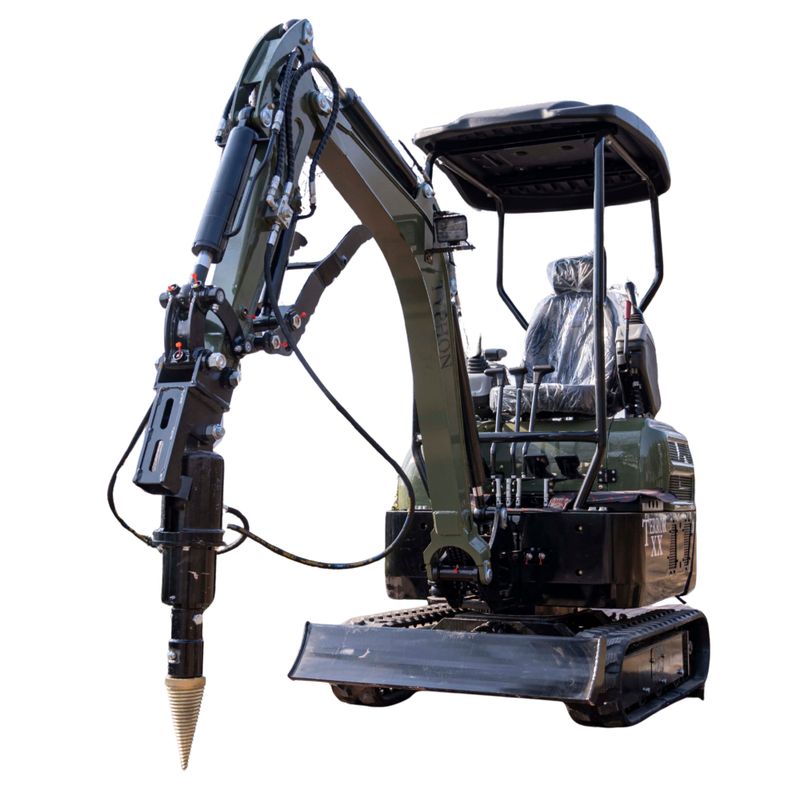
- Auger — drilling holes for fence posts, footings, tree planting, pier installation
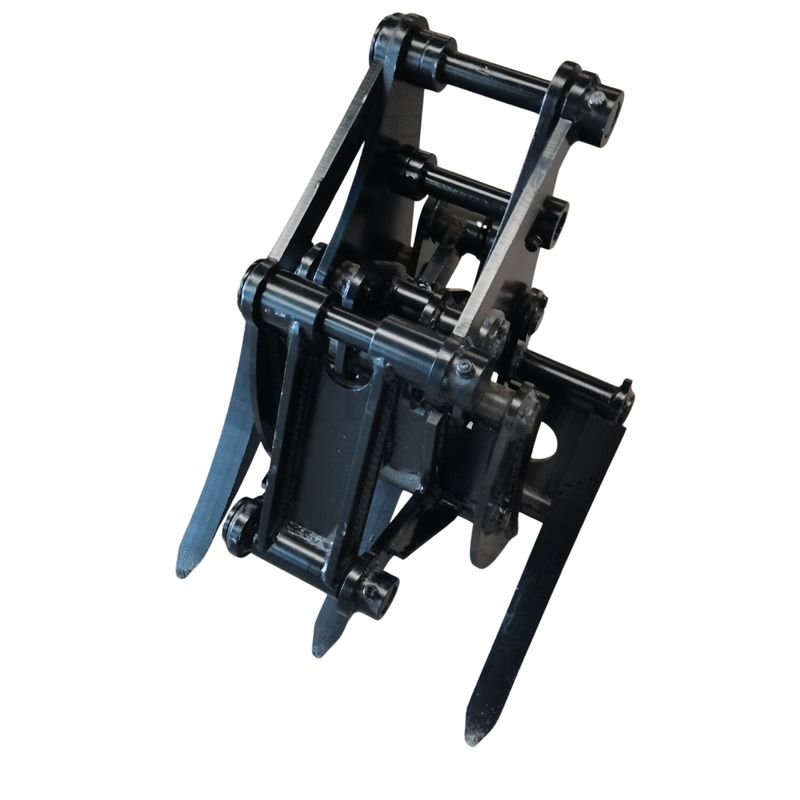
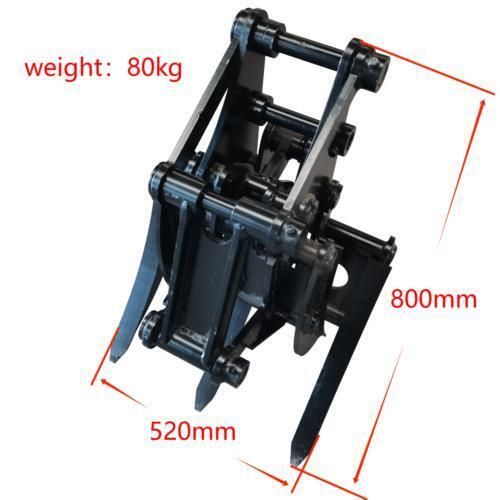
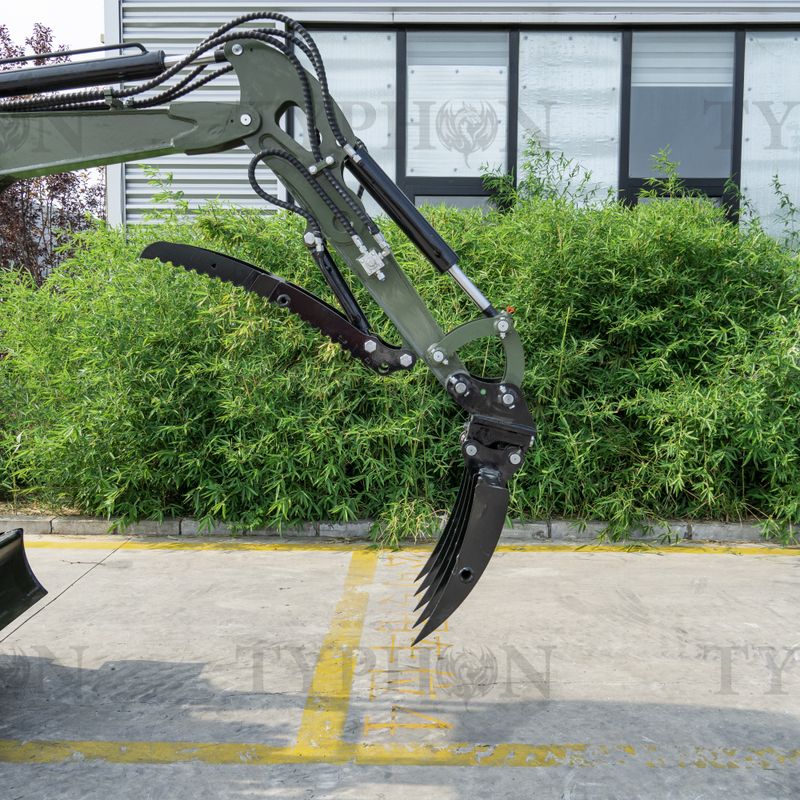
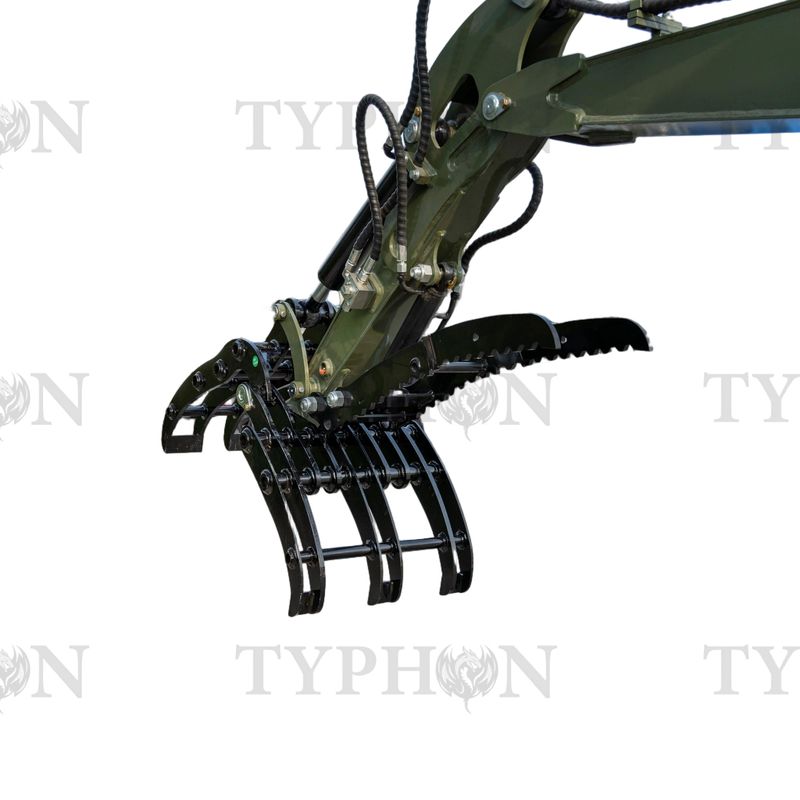
- Grapple — grabbing, sorting, and relocating irregular debris and material
- Tiltrotator — full 360-degree rotation plus tilt for precision grading and complex work
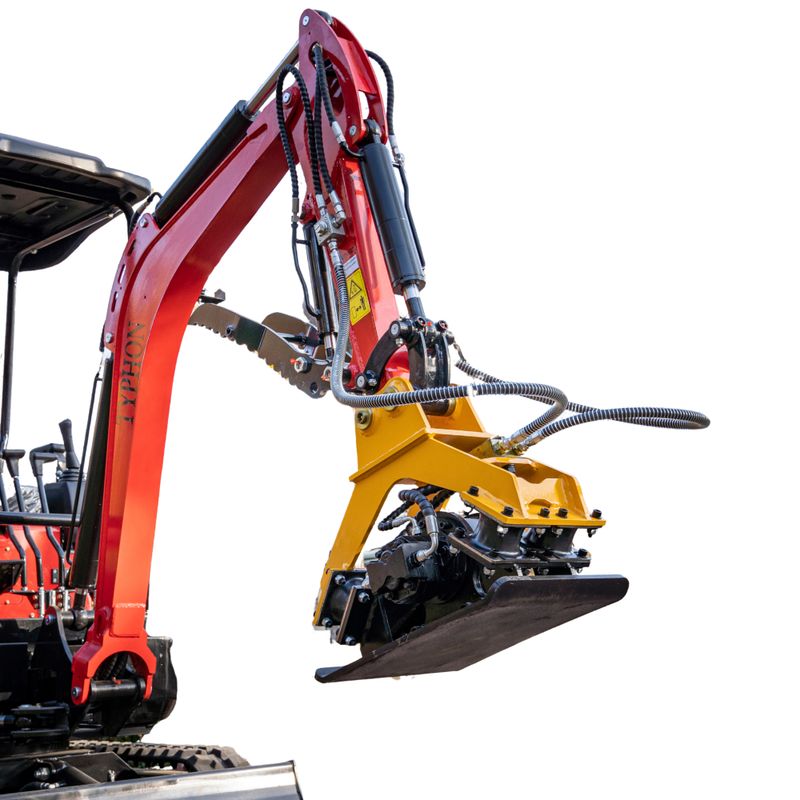
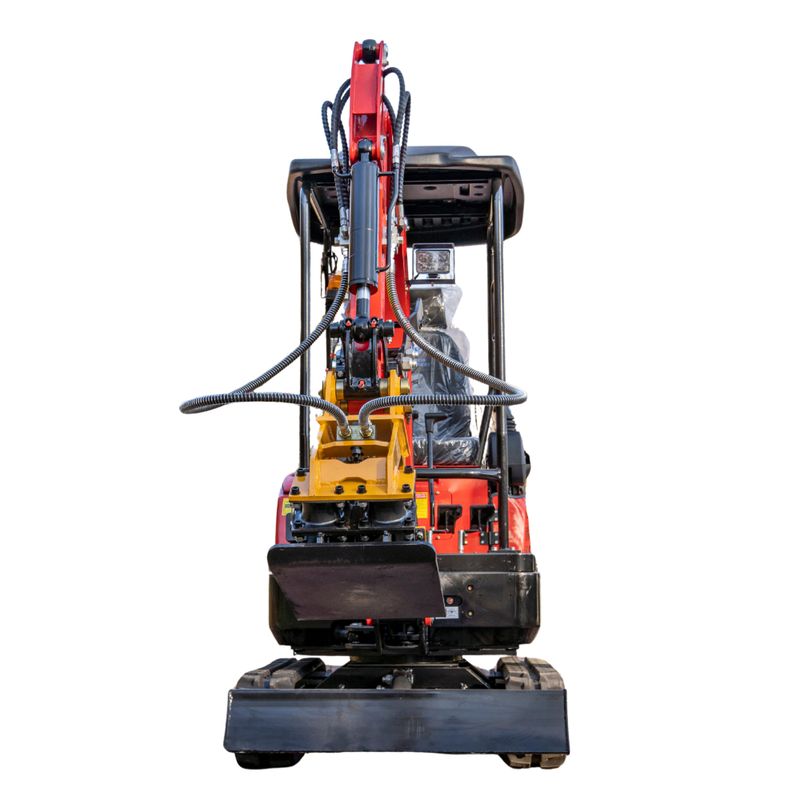
- Compaction wheel or plate — compacting trench backfill in one efficient pass
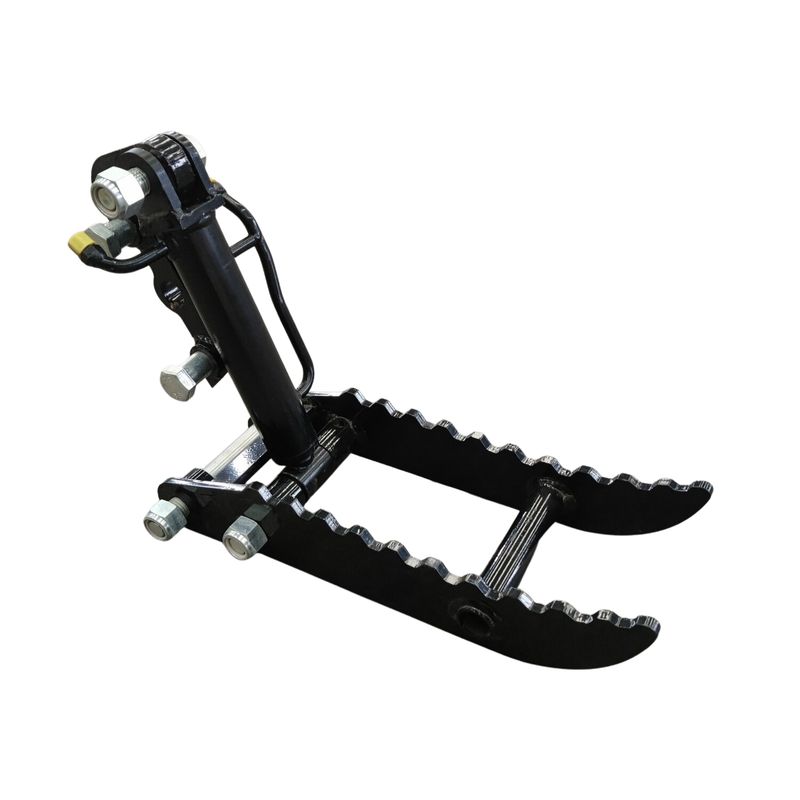
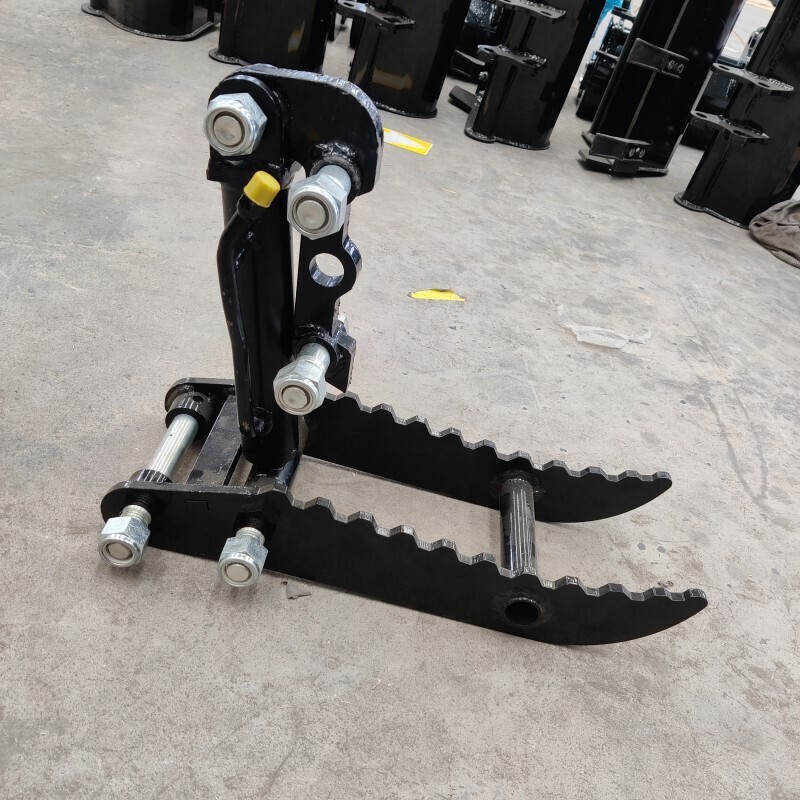
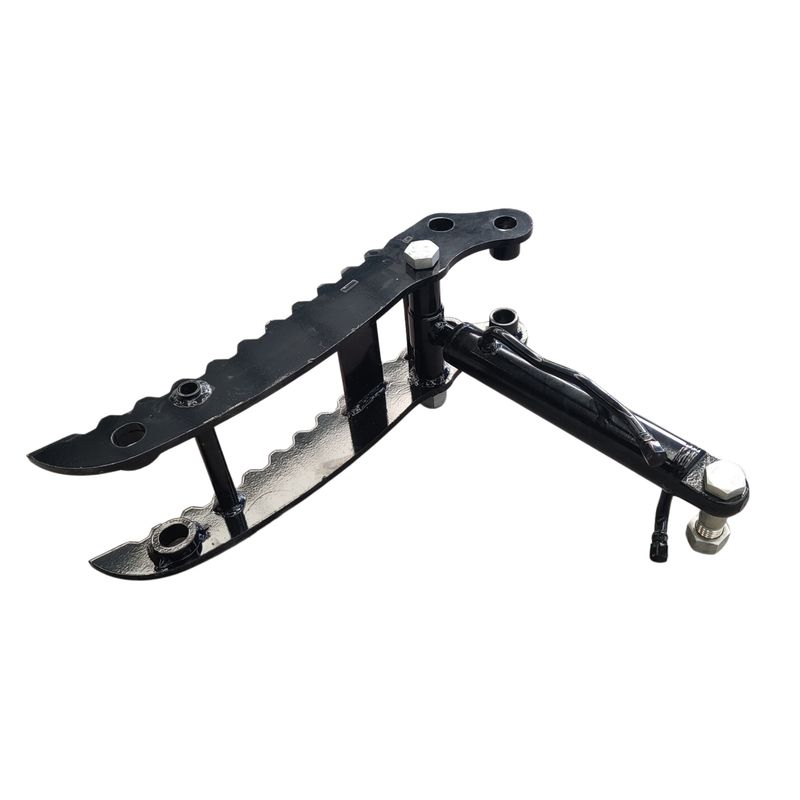
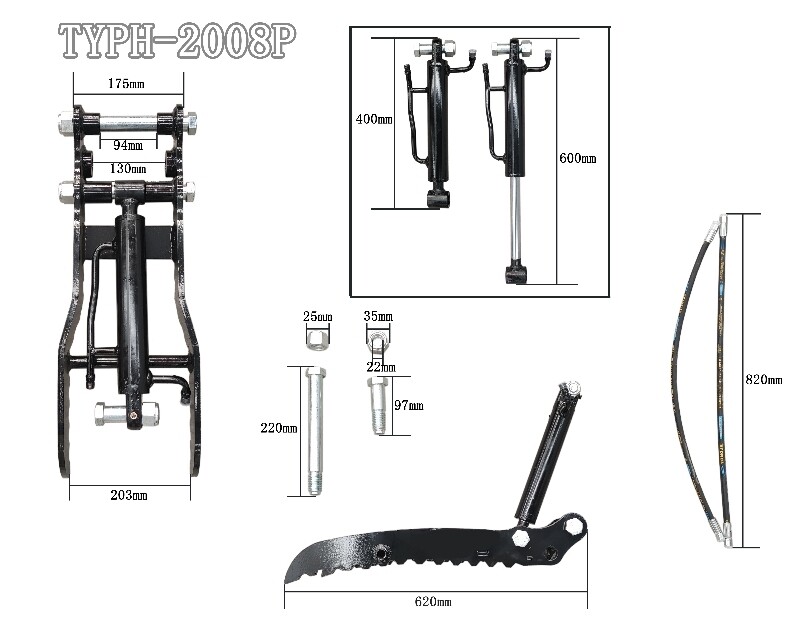
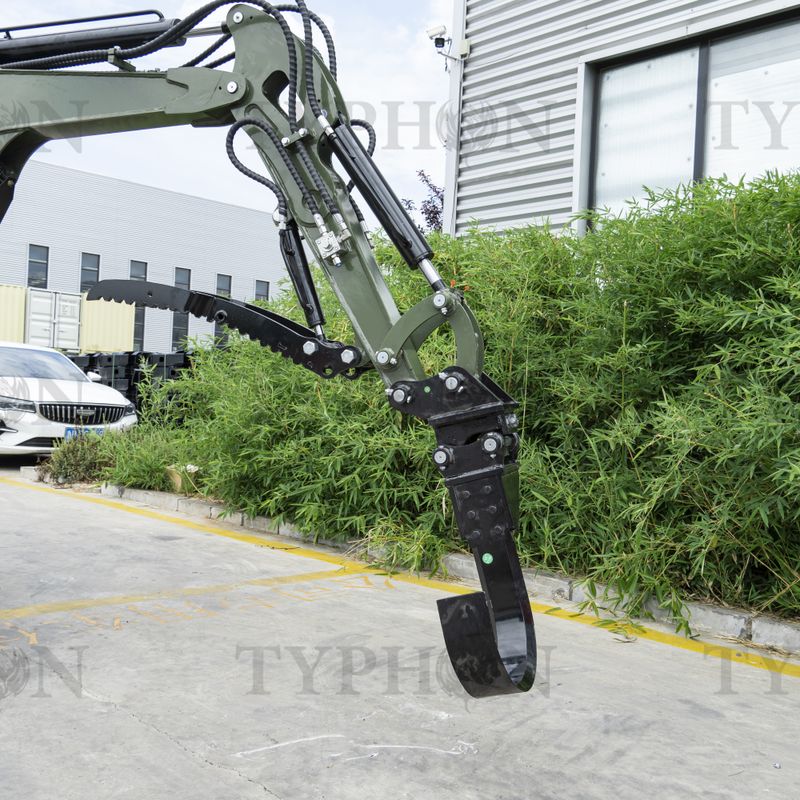
- Thumb attachment — works alongside the bucket to grip and carry odd-shaped loads
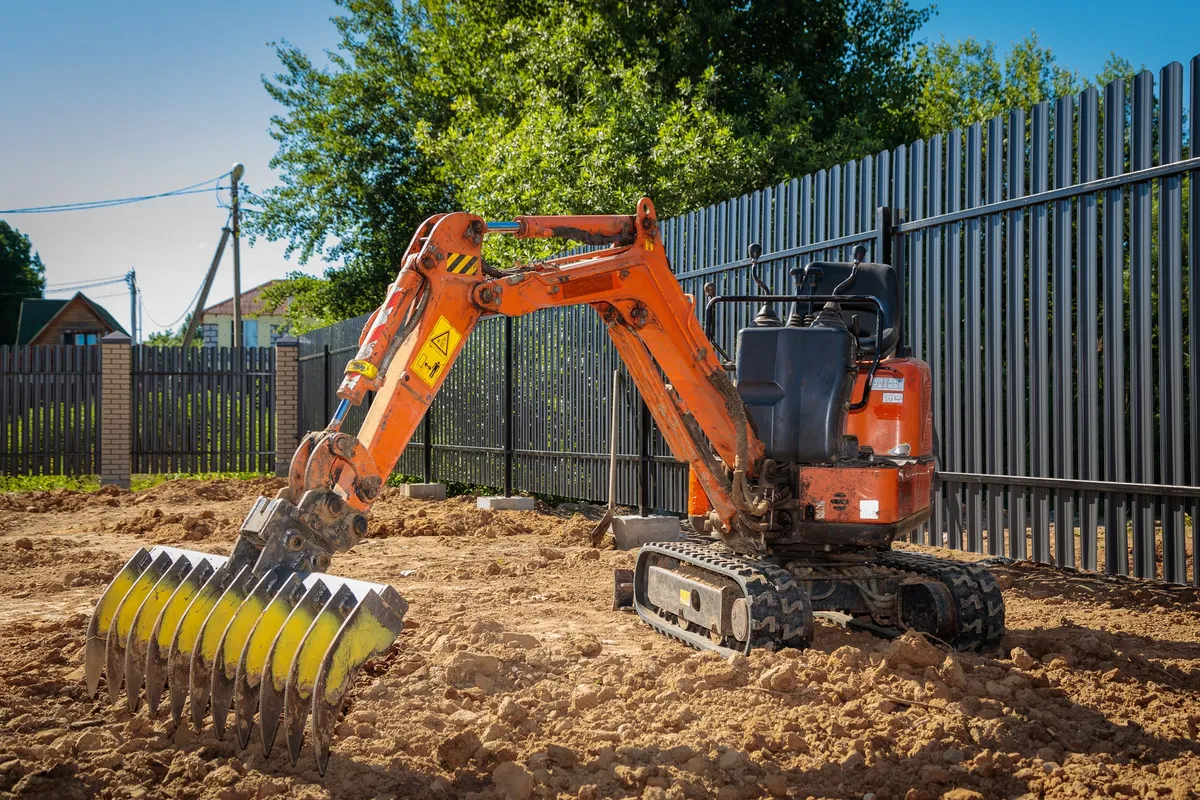
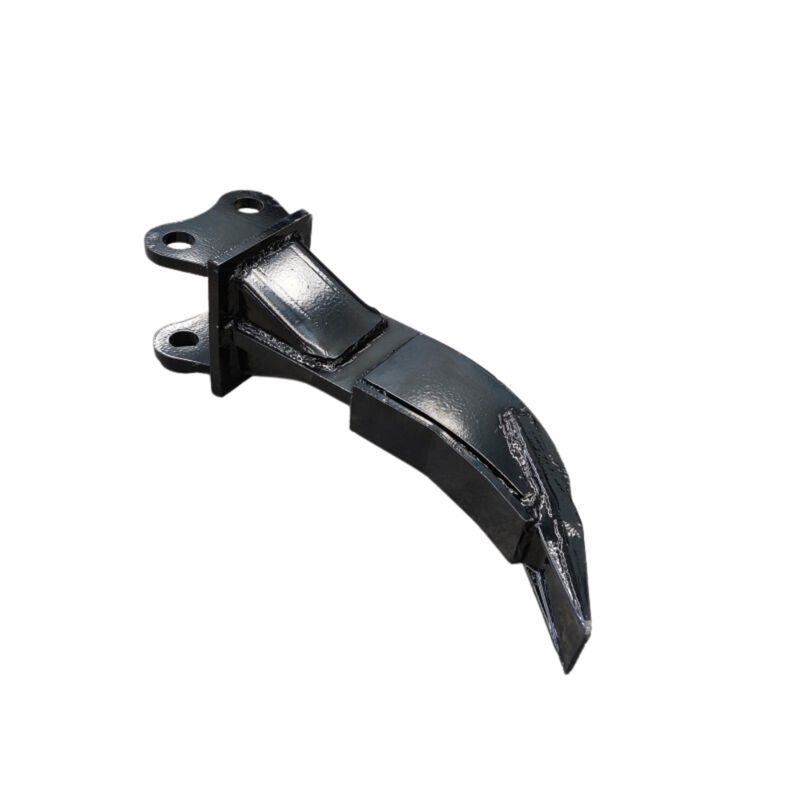
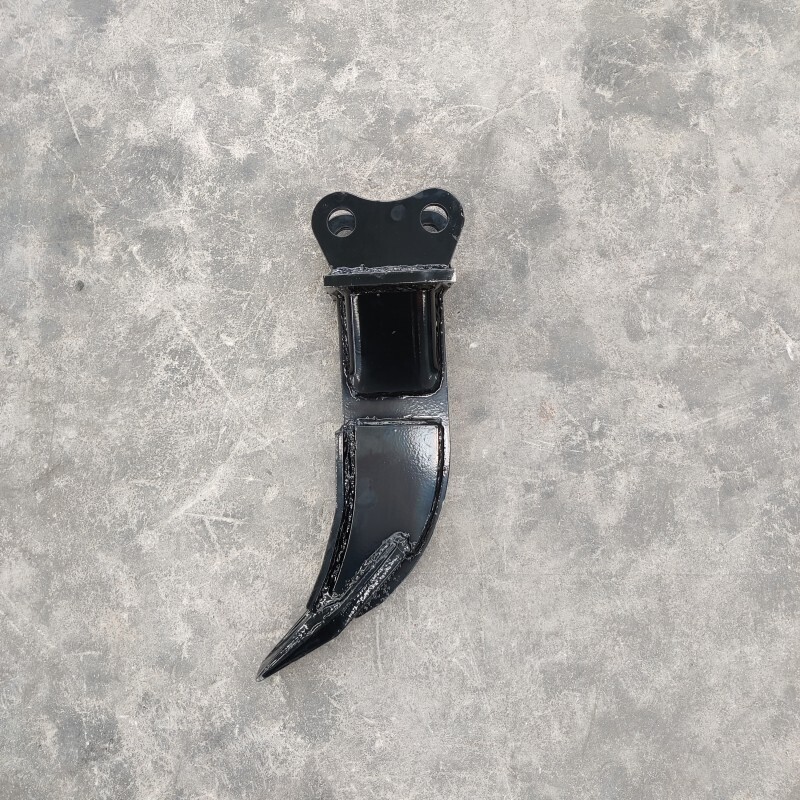
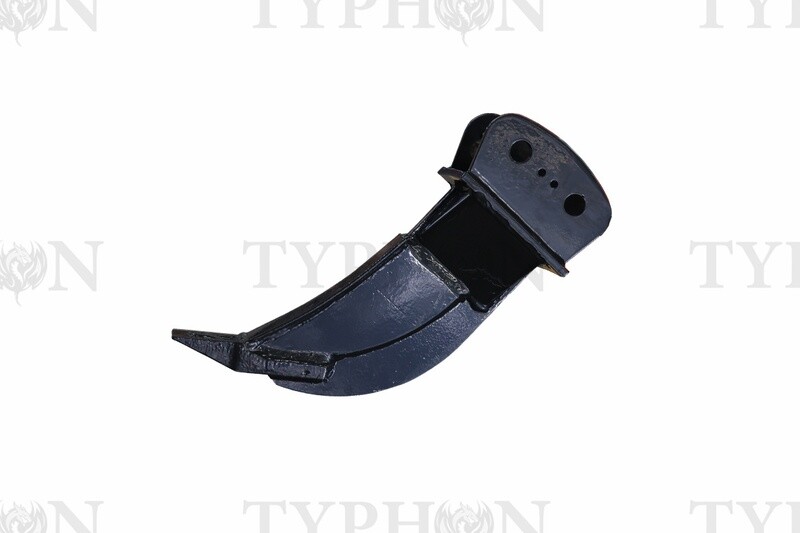
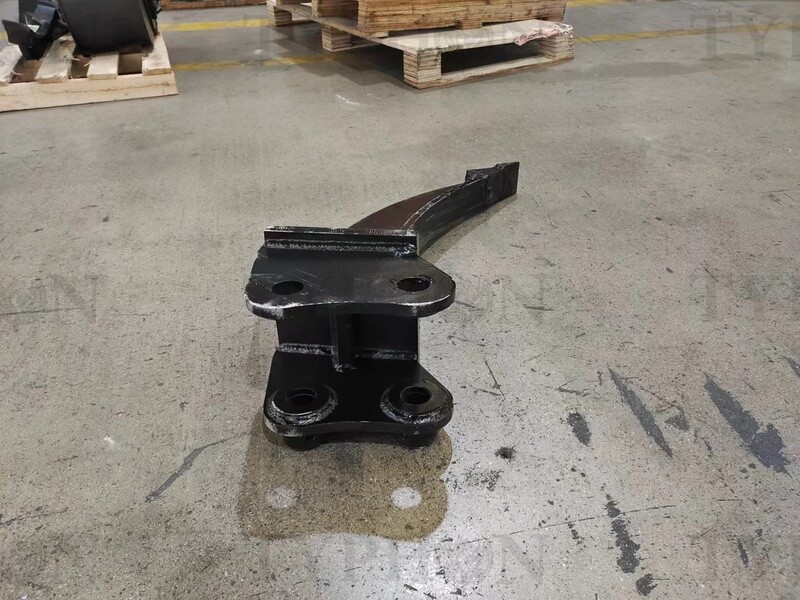
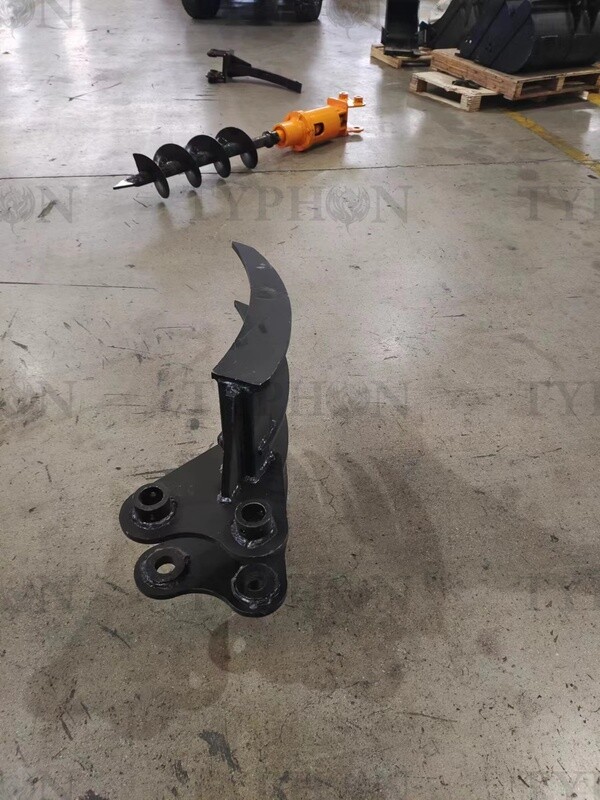
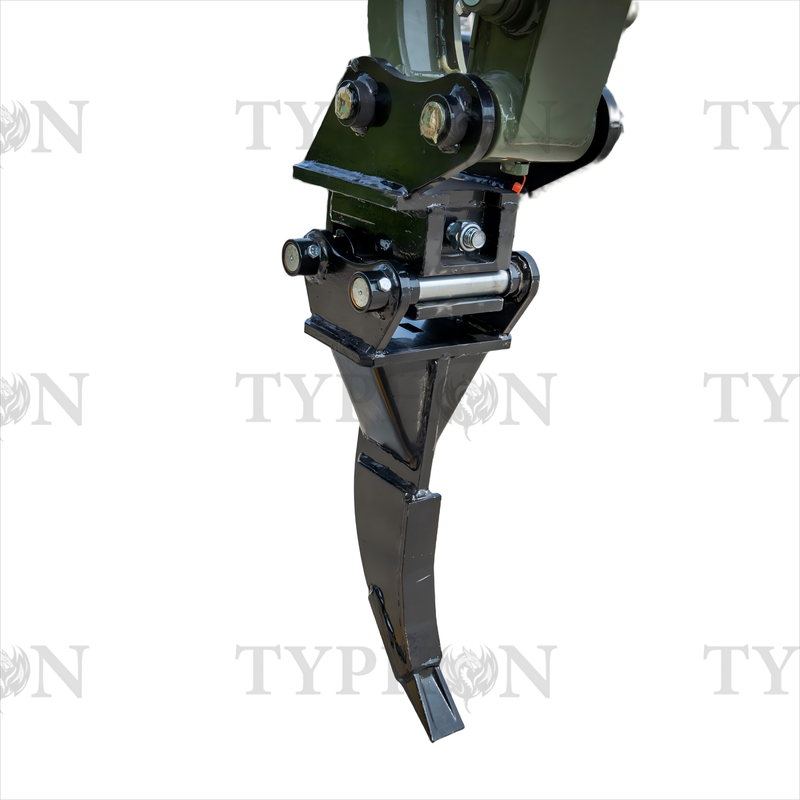
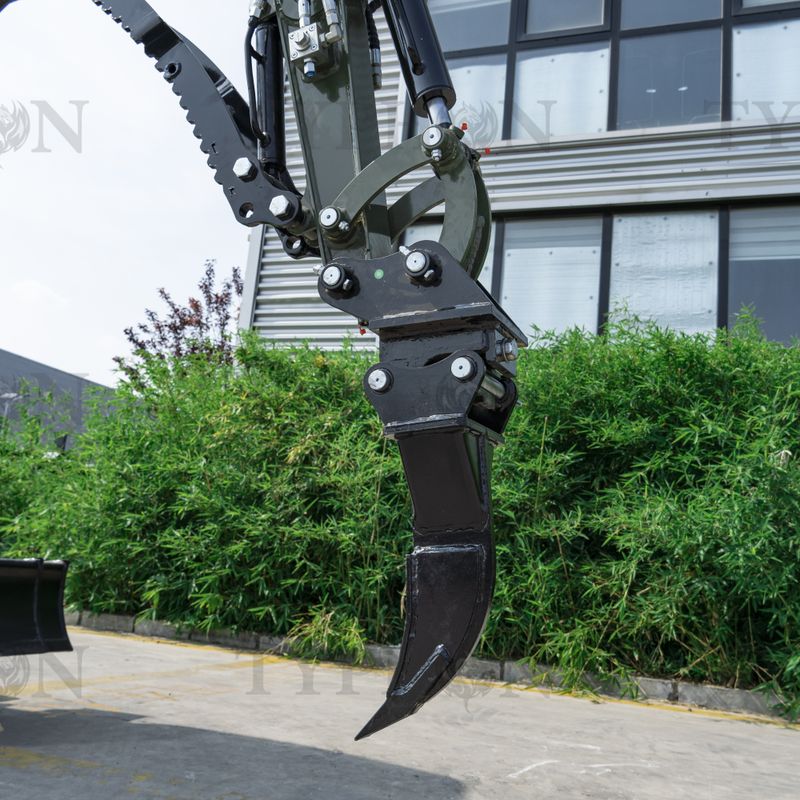
- Ripper tooth — cracking through hard-packed, clay-heavy, or frozen ground
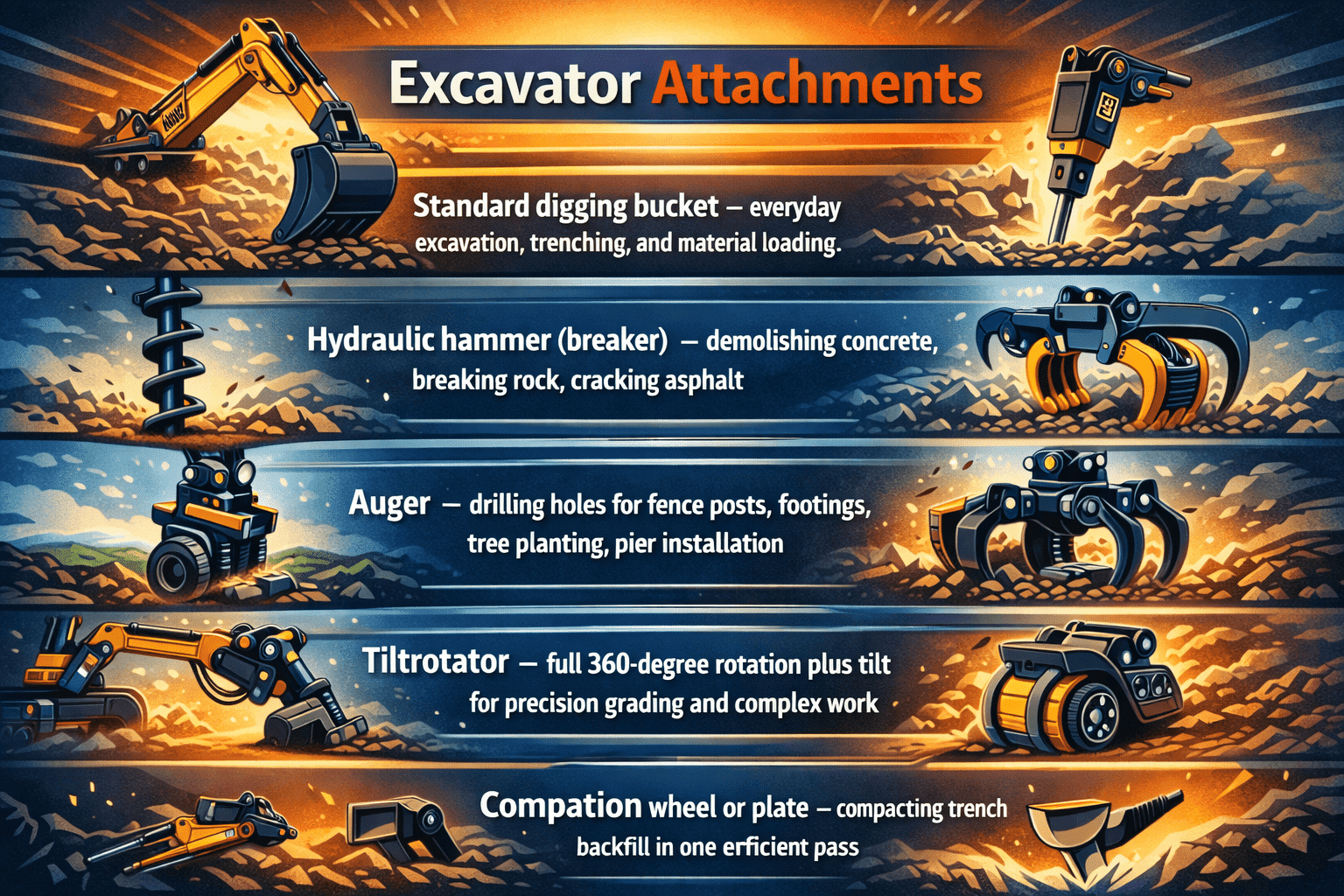
A well-equipped mini excavator with a thoughtful attachment selection handles roughly 80% of what a midsize excavator can do—at a fraction of the purchase price, fuel cost, and transport hassle.
Let’s Talk Real Numbers — What These Machines Actually Cost
The cost is always the first question, so here it is straight.
Buying New
New compact excavators run from around $20,000 on the low end for micro models to well past $90,000 for the top of the compact class. General pricing by weight:
| Weight Class | Typical New Price Range |
| Under 2 tons (micro) | $20,000 – $35,000 |
| 2–4 tons | $35,000 – $55,000 |
| 4–6 tons | $55,000 – $75,000 |
| 6–10 tons (compact) | $70,000 – $90,000+ |
Buying Used
A used mini excavator with 2,000 to 4,000 hours typically sells for 40% to 65% of its original price, depending on condition and brand. This is a real opportunity to acquire a capable machine without a full capital outlay, but it is important to inspect it carefully. Undercarriage wear, hydraulic line condition, and smooth operation of all functions are the things to check before you commit.
Renting
For a one-time project, renting makes complete sense. Daily rental rates for a compact excavator typically run $300 to $600. Weekly rates usually land between $900 and $1,800. Specialty machines or larger models cost more.
Brands That Are Actually Worth Your Attention
There’s no shortage of excavator manufacturers, but not all of them deliver equally. Here are the names that come up consistently among working operators.
Kubota has one of the strongest track records in the compact excavator market. Reliable machines, an extensive dealer network, and solid resale value on the used market. Contractors who run Kubota tend to stick with it.
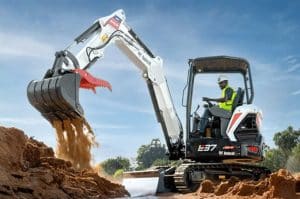
Bobcat is particularly popular with rental companies and contractors who need something tough and attachment-flexible. Good build quality and a deep parts ecosystem make ownership straightforward.
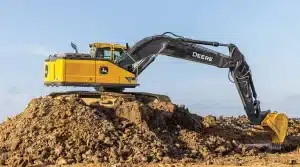
John Deere compact excavators stand out for operator comfort. The cab ergonomics are well-designed, the hydraulics operate smoothly, and the resale value remains consistently high in the secondary market.
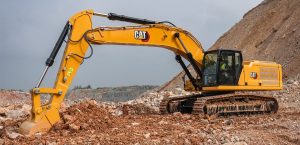
Cat (Caterpillar) brings the same reputation for durability that the brand carries across its entire equipment lineup. Priced higher than most competitors, but the machines earn that premium in hard conditions.
Typhon Machinery is a brand worth paying real attention to, particularly if you’re a smaller contractor or landscaper entering equipment ownership for the first time. Typhon Machinery builds compact excavators that deliver genuine performance without the inflated price tag that comes with the legacy names.
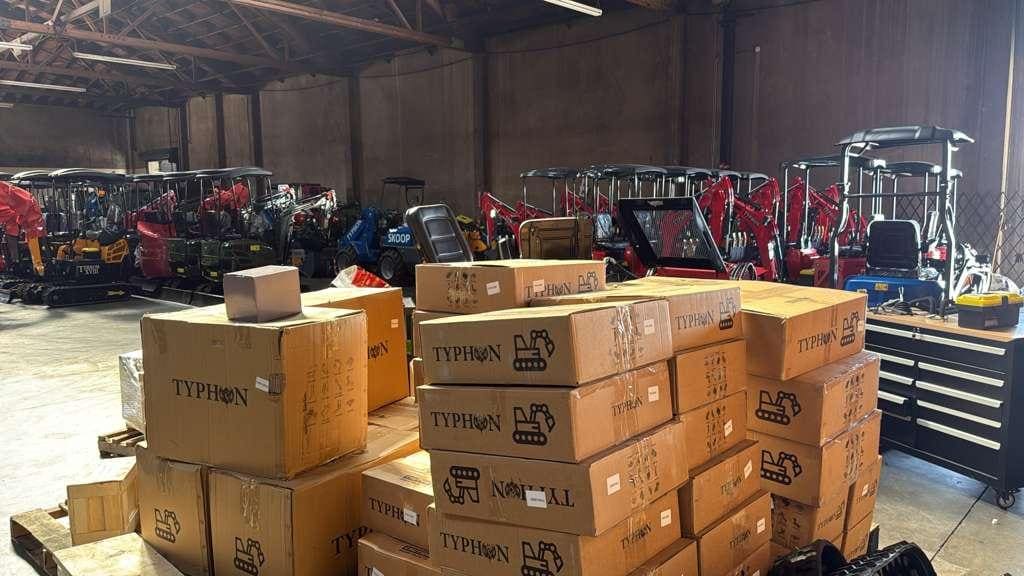
Their mini excavator lineup has surprised a lot of first-time buyers who walked in expecting to make compromises—and found they didn’t have to make nearly as many as expected. For anyone weighing whether to buy new with a warranty or settle for a used machine out of budget necessity, Typhon Machinery sits right in that gap and fills it well.
Yanmar, Takeuchi, Doosan, and Volvo all produce solid compact excavators with loyal followings and excellent service infrastructure. Any of them is a reasonable choice with the right dealer behind it.
One thing worth saying again regardless of brand: local dealer support matters more than most buyers think about upfront. A machine without accessible service becomes a liability fast when something needs attention during a busy stretch.
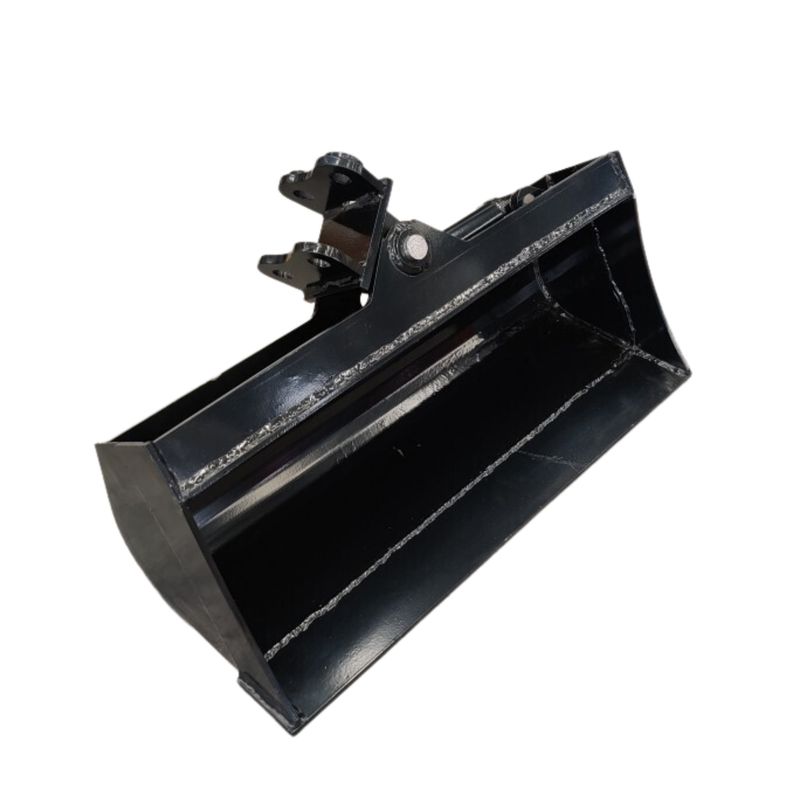
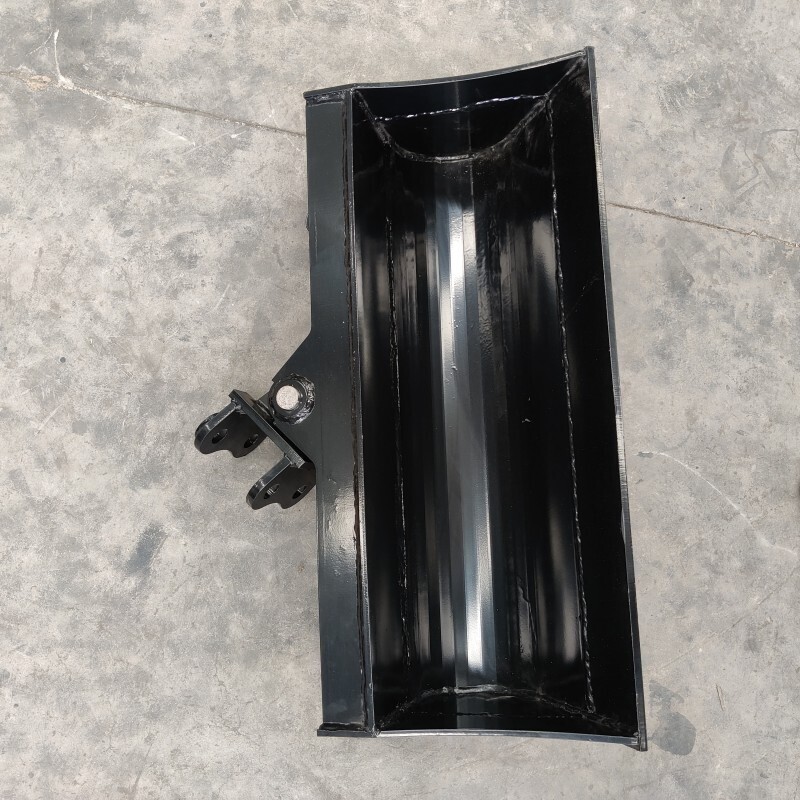
Mini Excavator Attachments in the USA
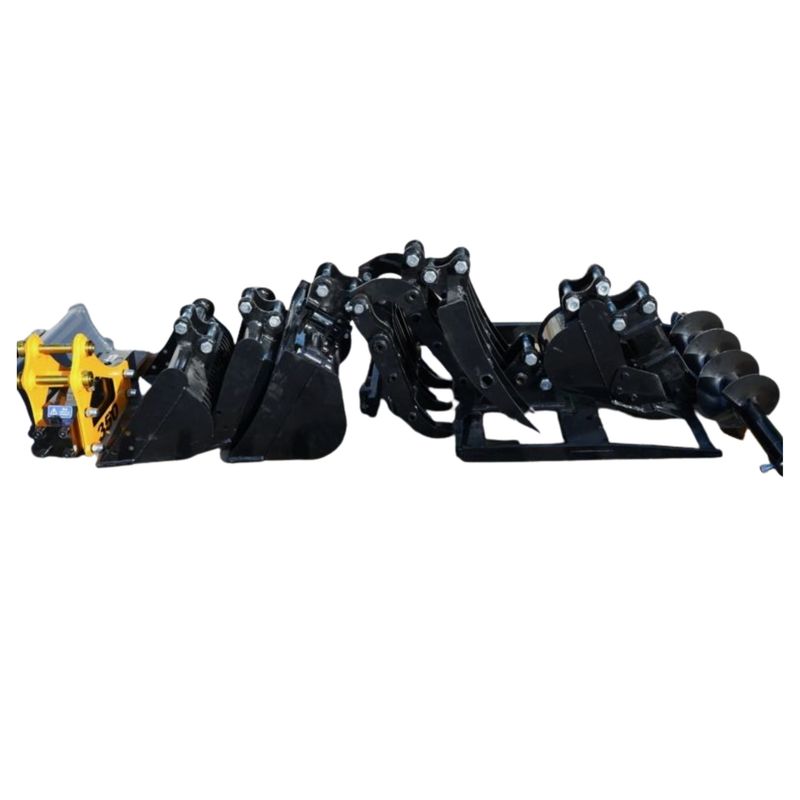
Unlock the full potential of your mini excavator by equipping it with versatile attachments that cater to various tasks. These essential add-ons not only enhance the efficiency of your compact excavator machine but also expand its capabilities, making it a valuable asset for a multitude of applications.
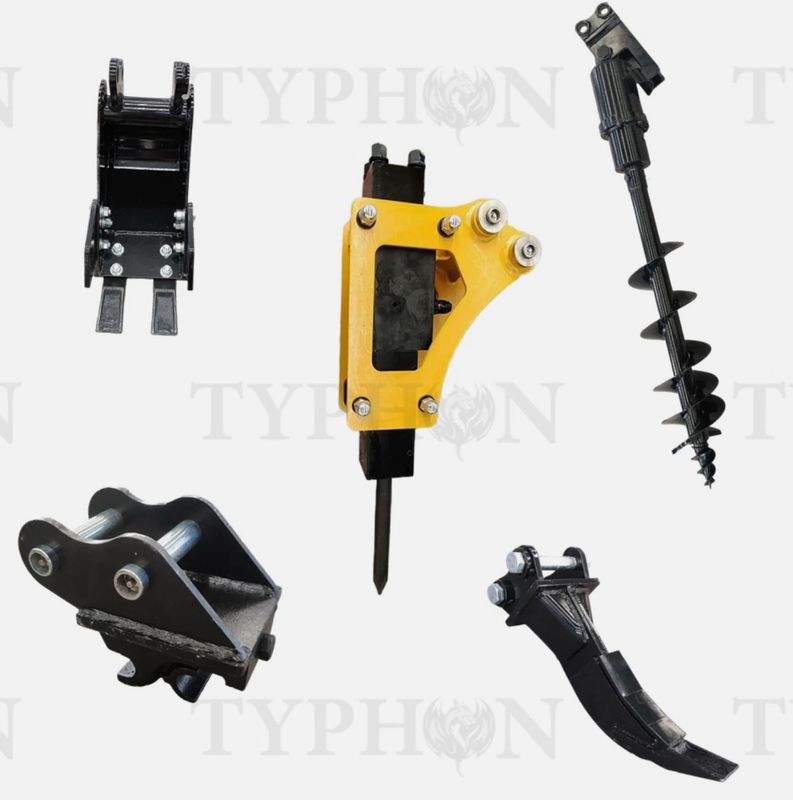
Essential Mini Excavator Attachments
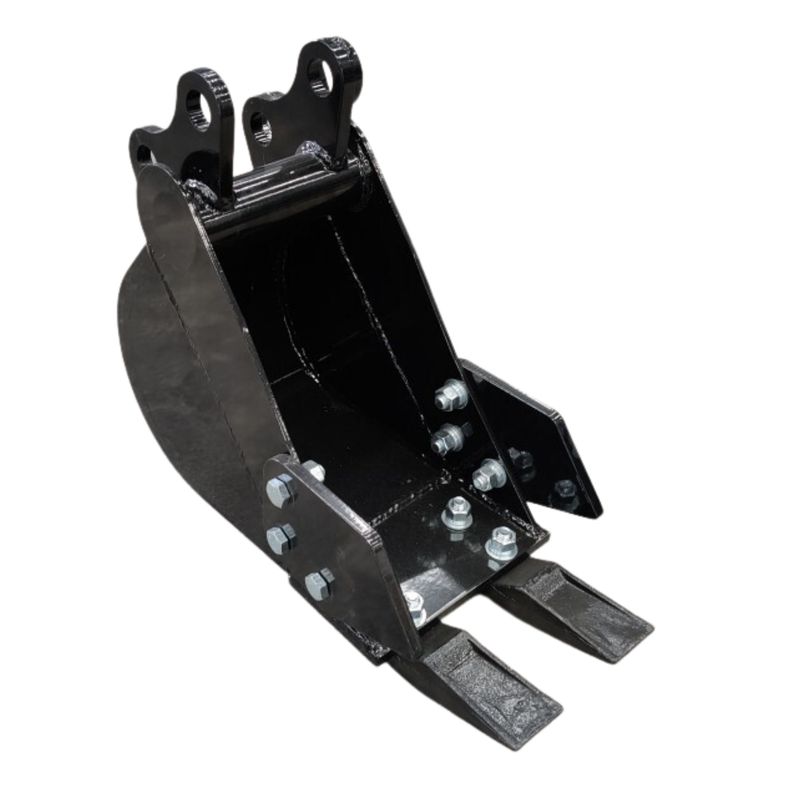
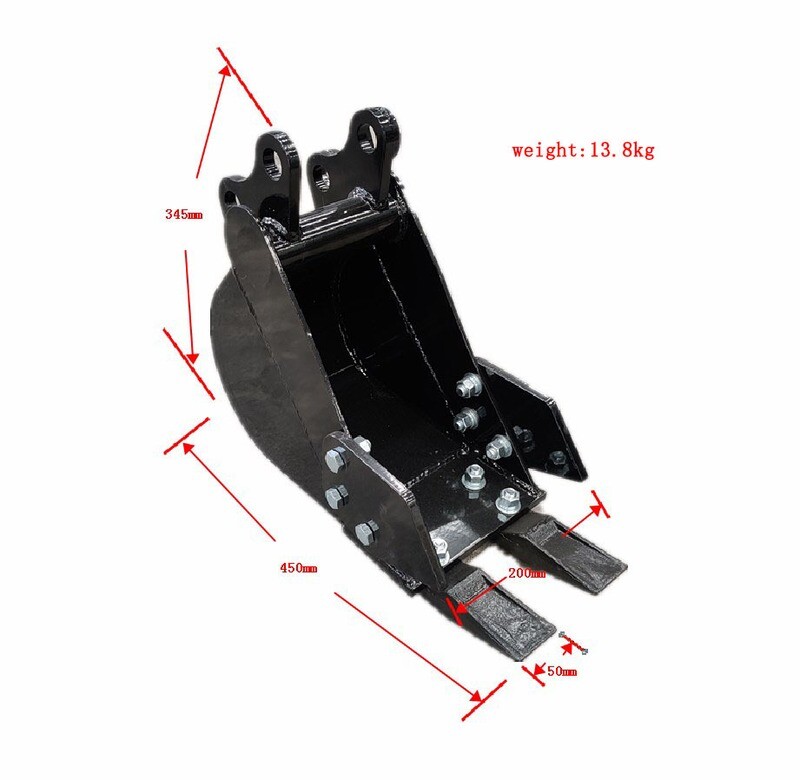
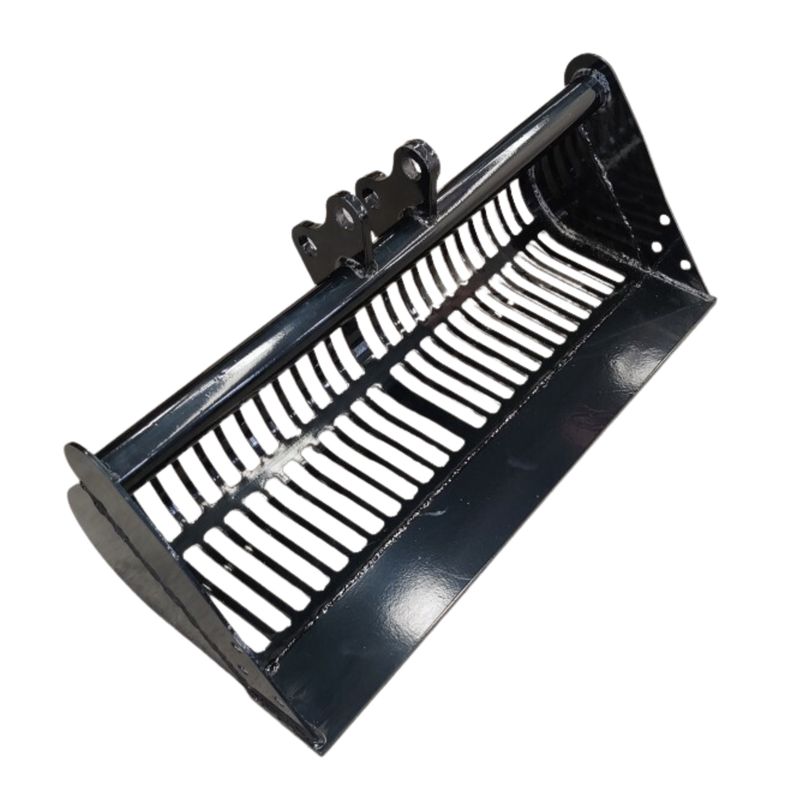
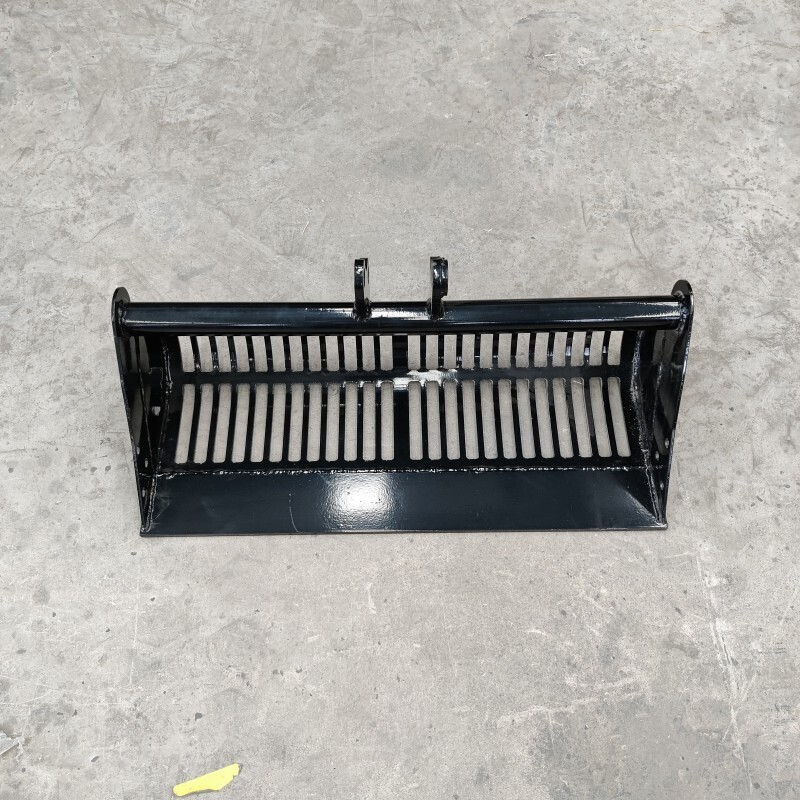
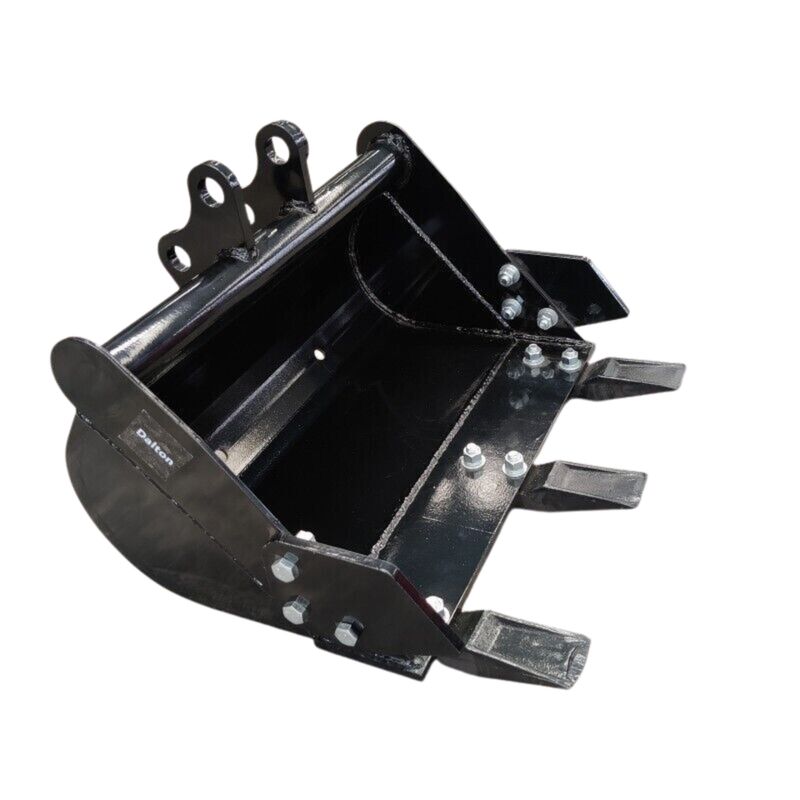
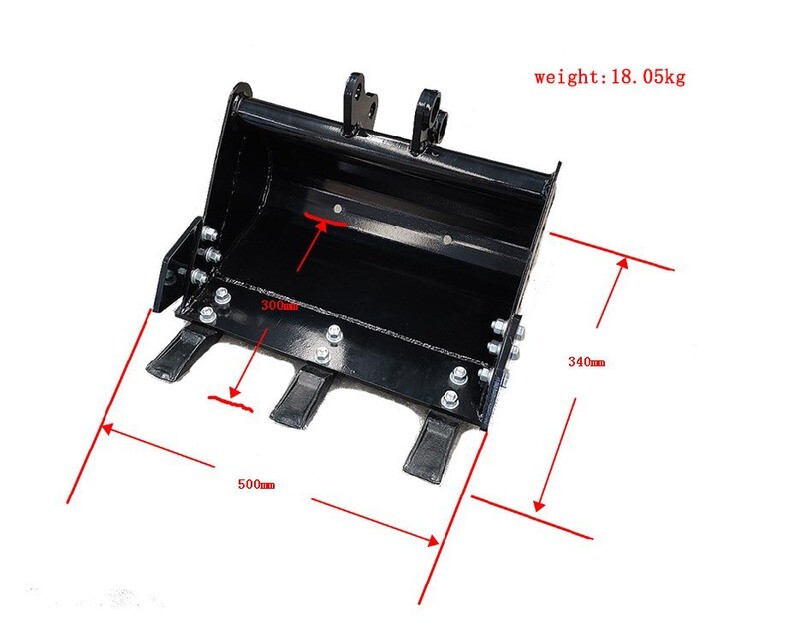
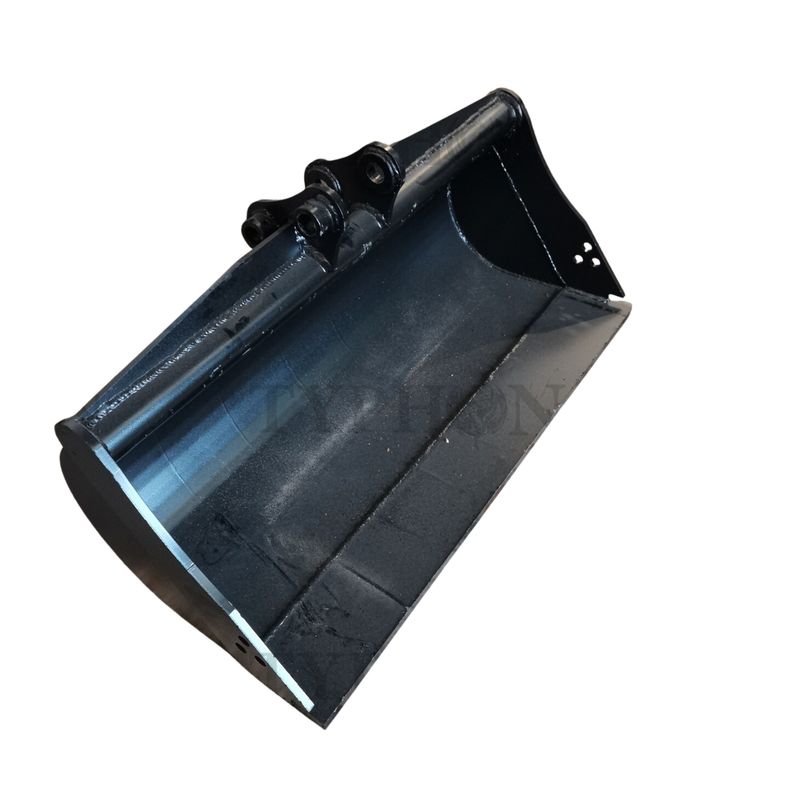
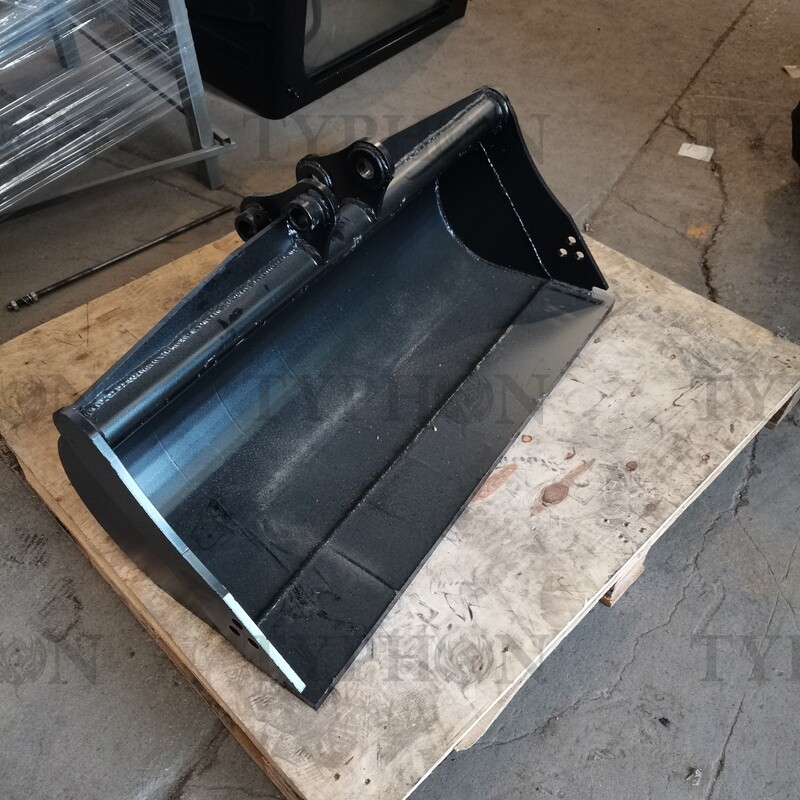
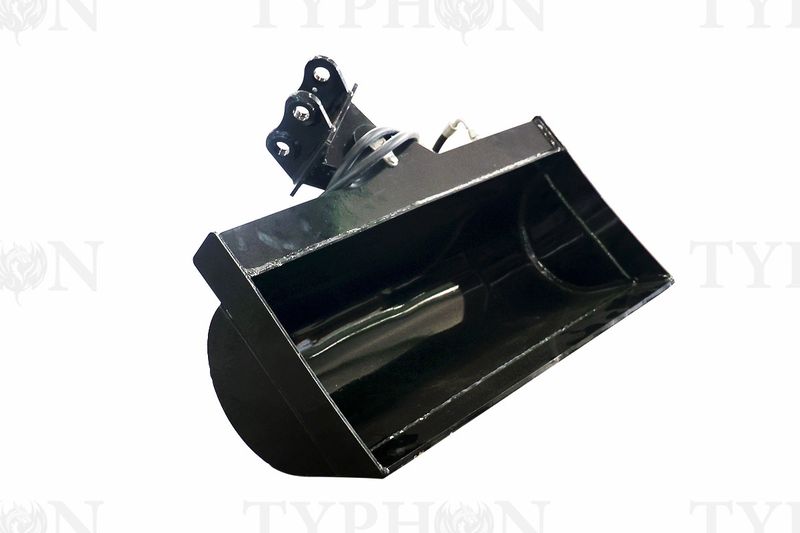
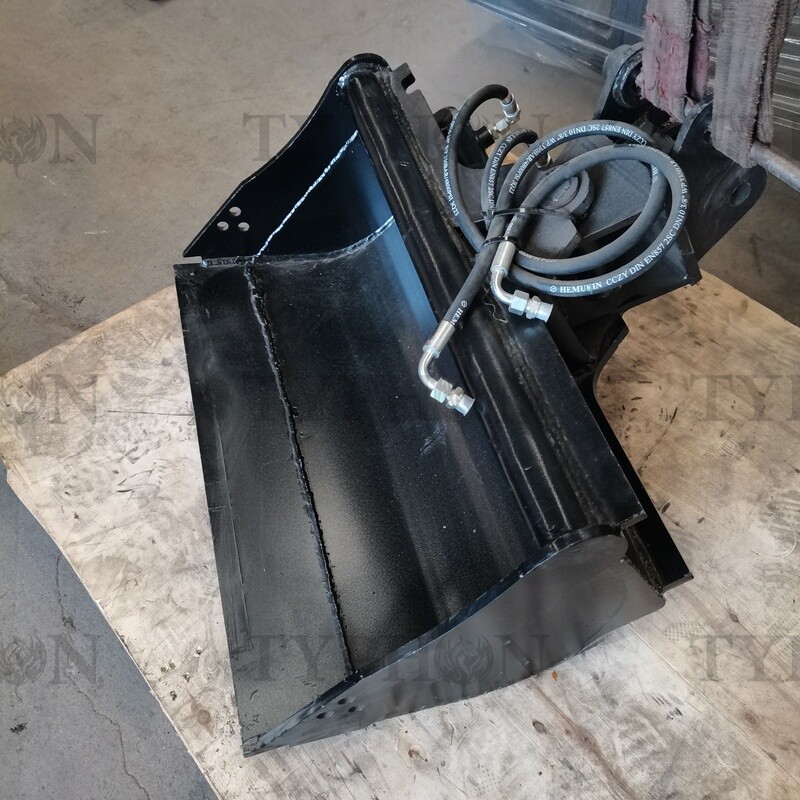
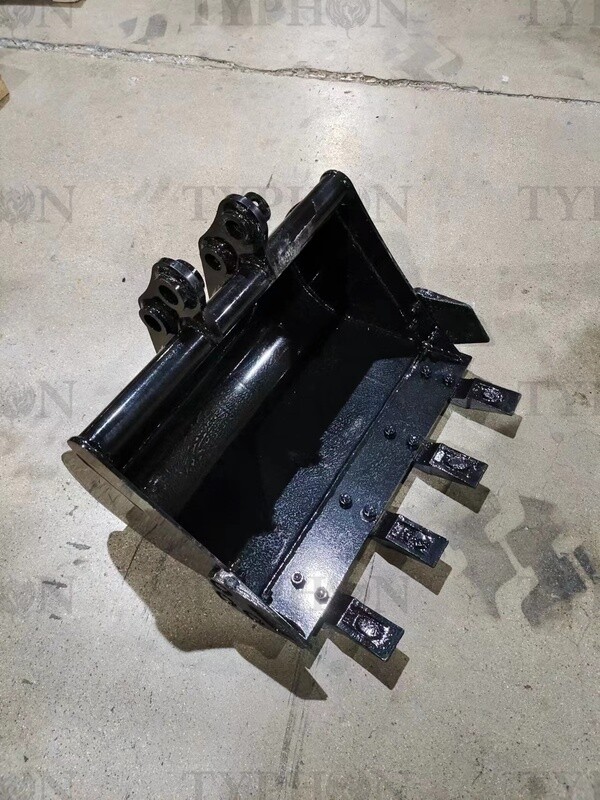
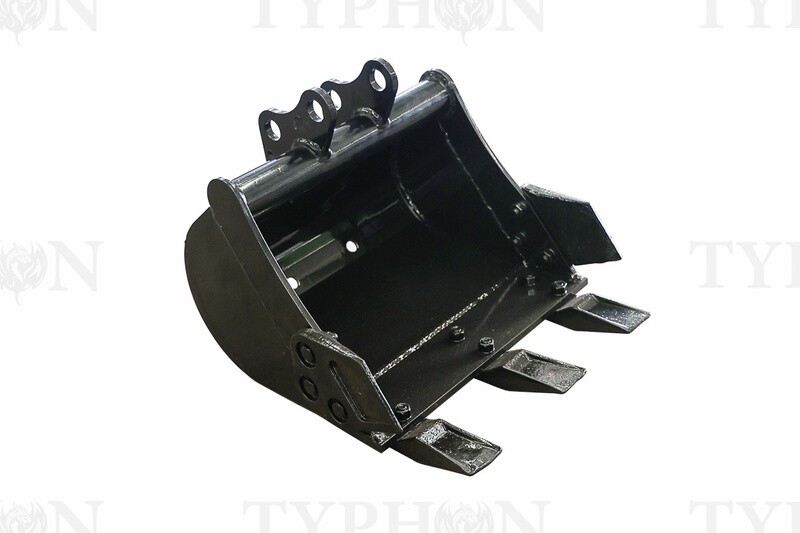
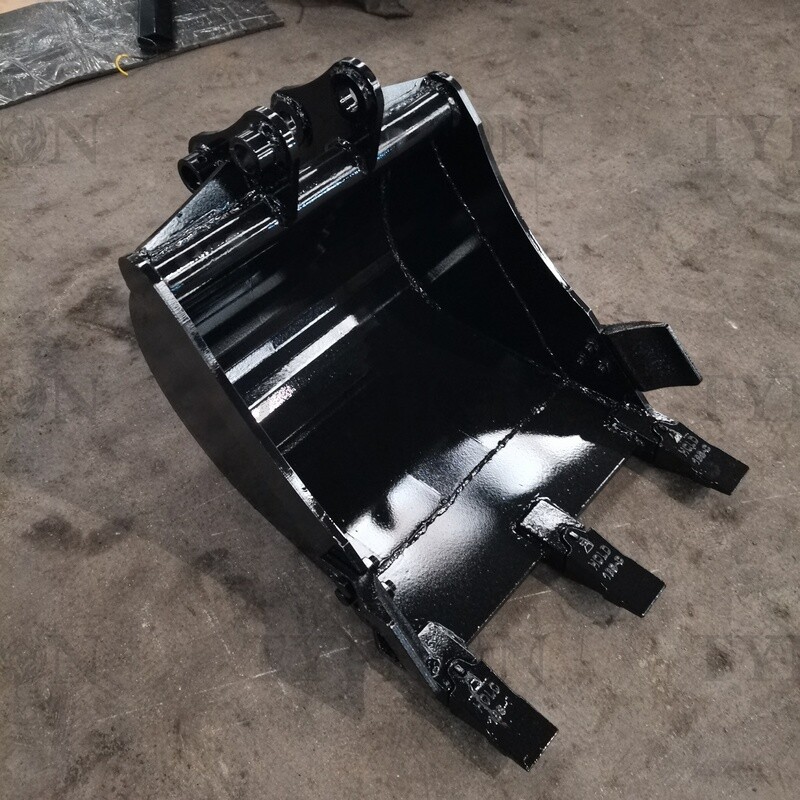
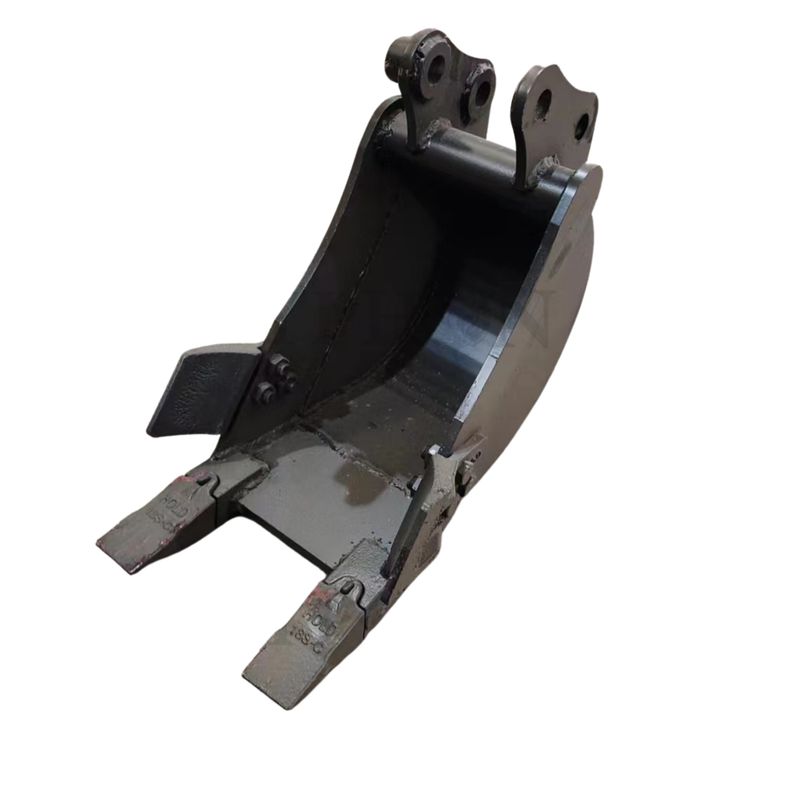
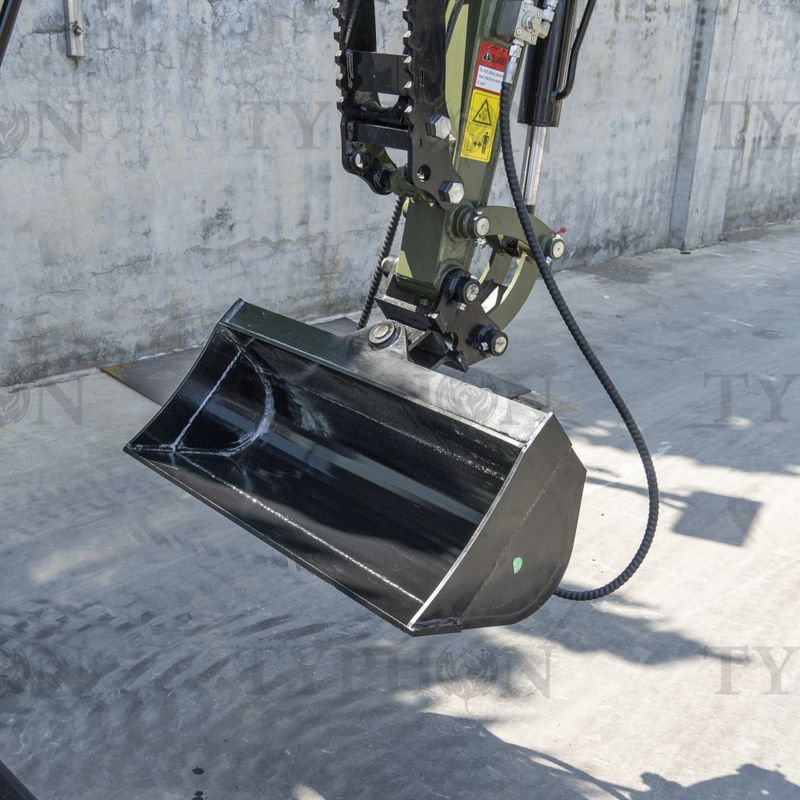
1. Buckets
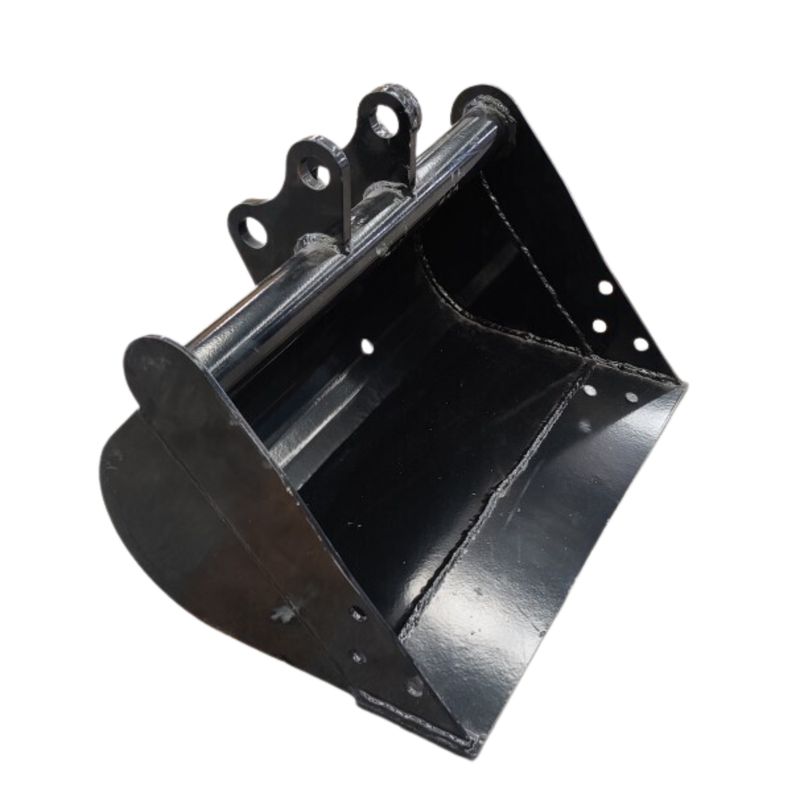
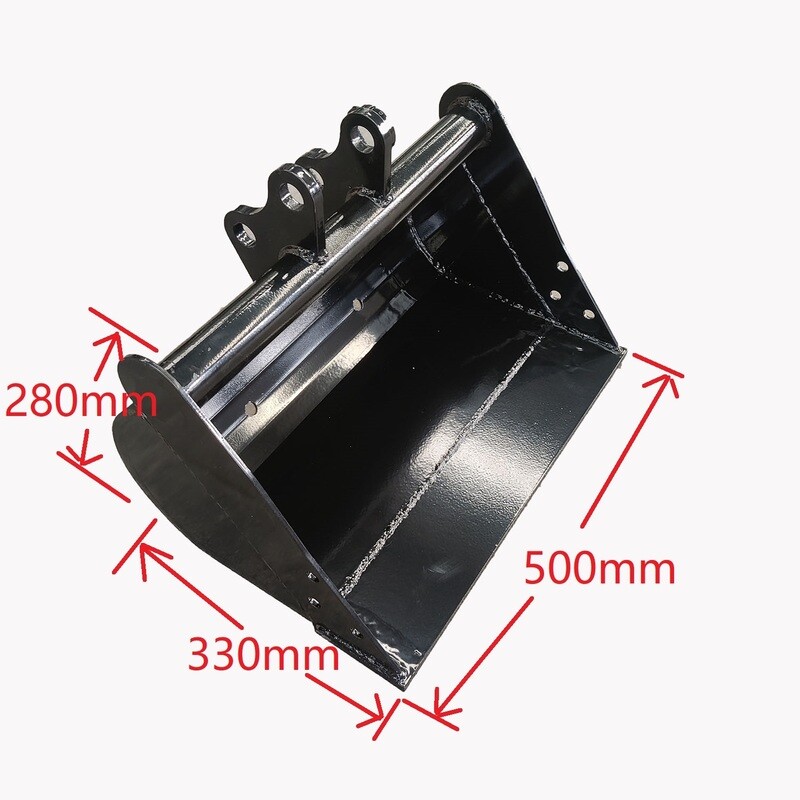
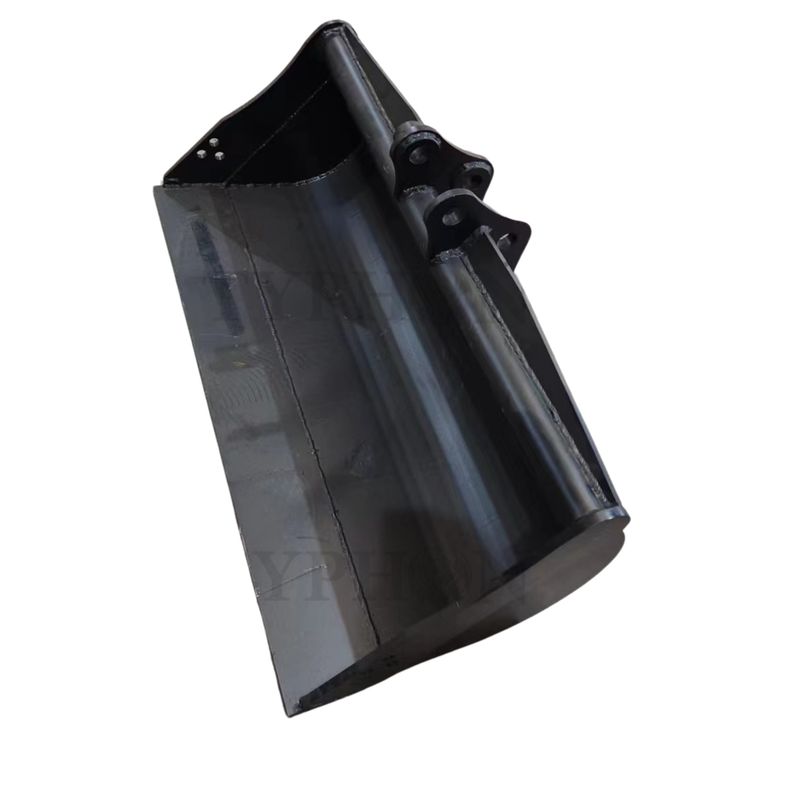
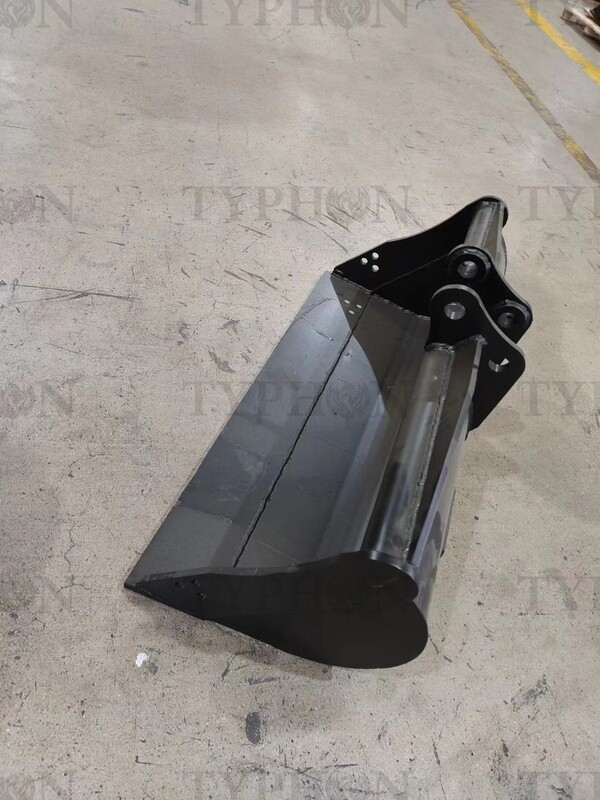
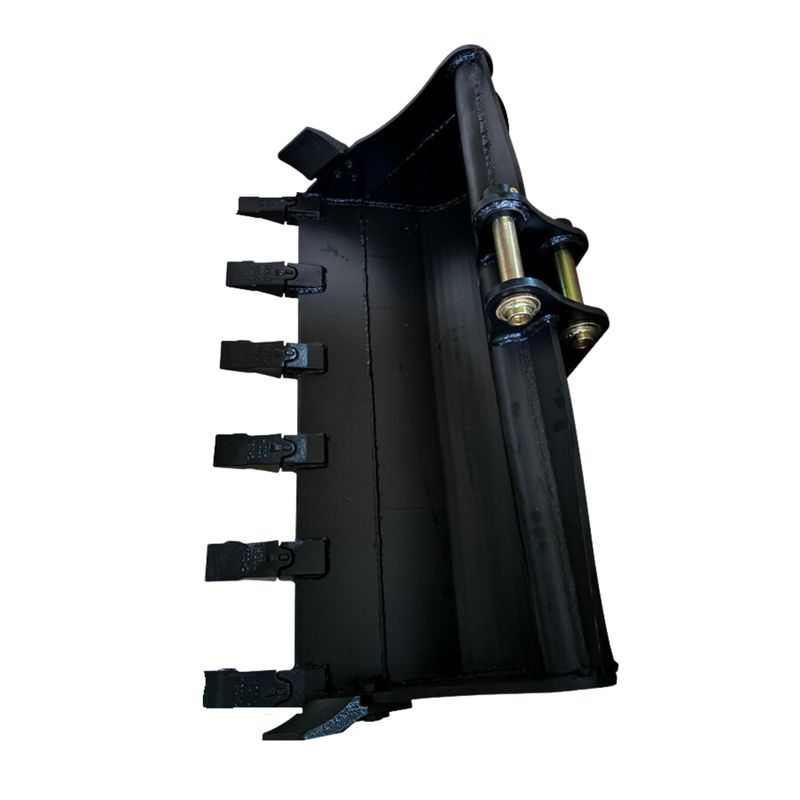
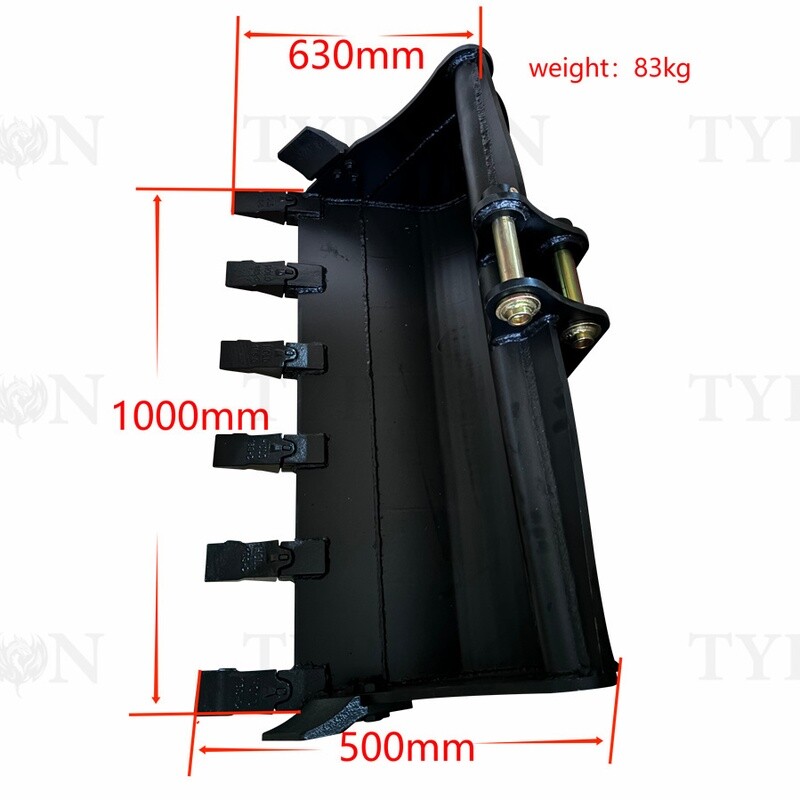
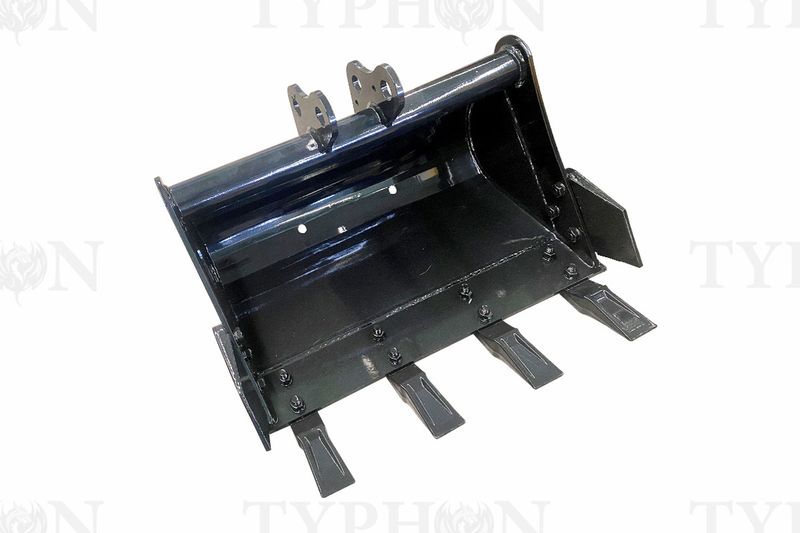
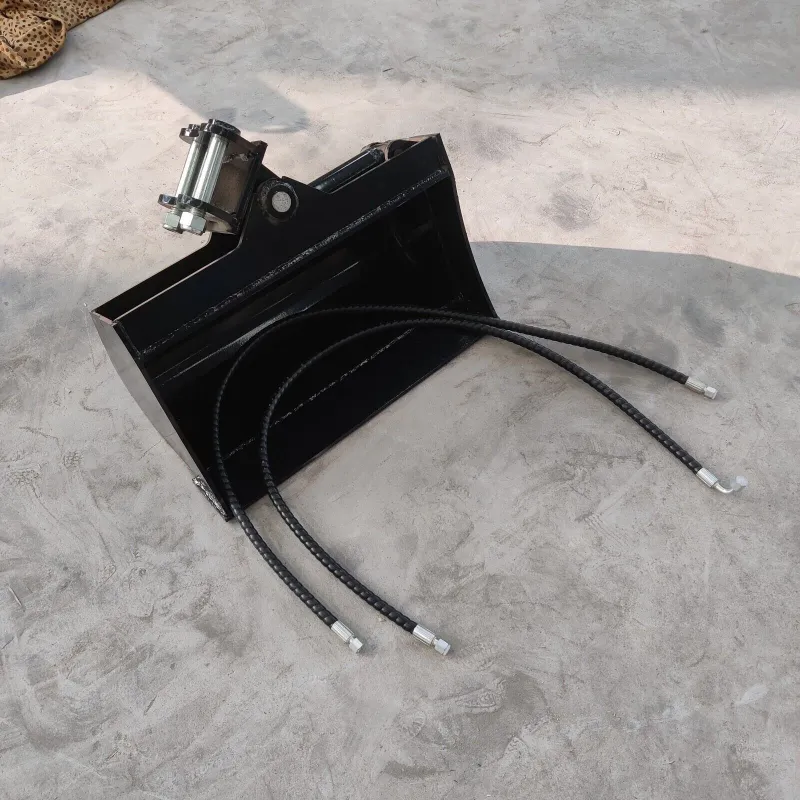
Buckets are the workhorses of mini excavators, serving purposes such as digging, grading, and scooping materials. Available in different sizes and configurations, they are a fundamental mini crawler attachment for various earthmoving tasks.
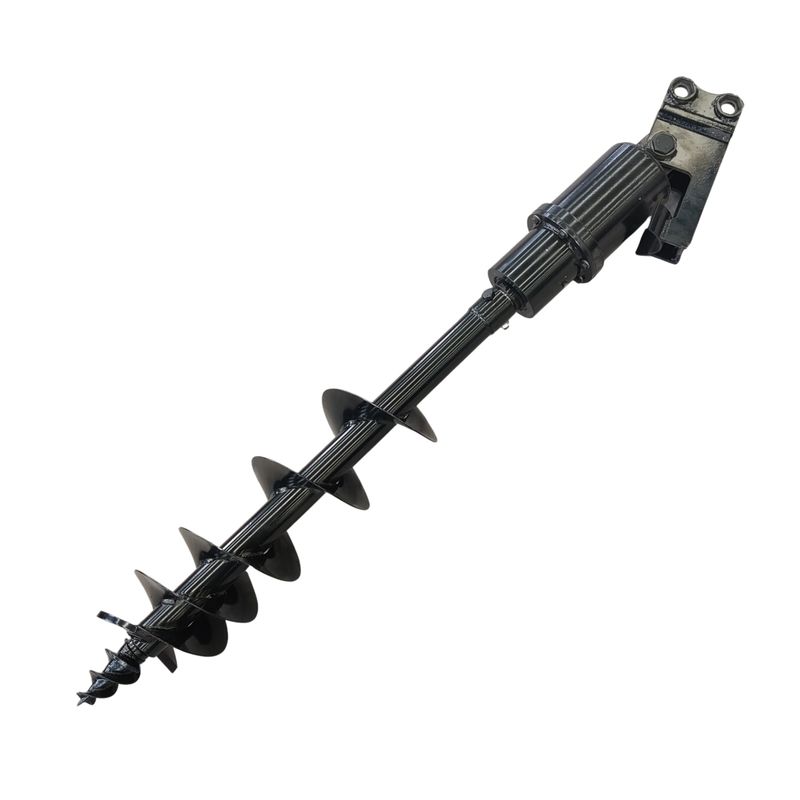
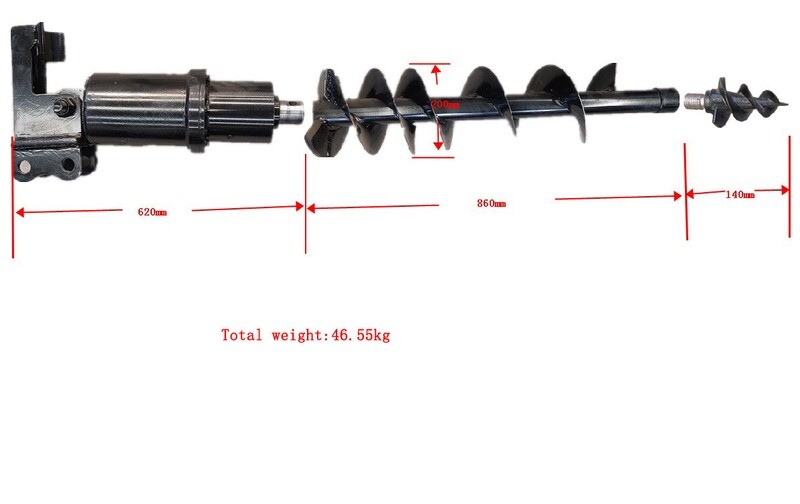
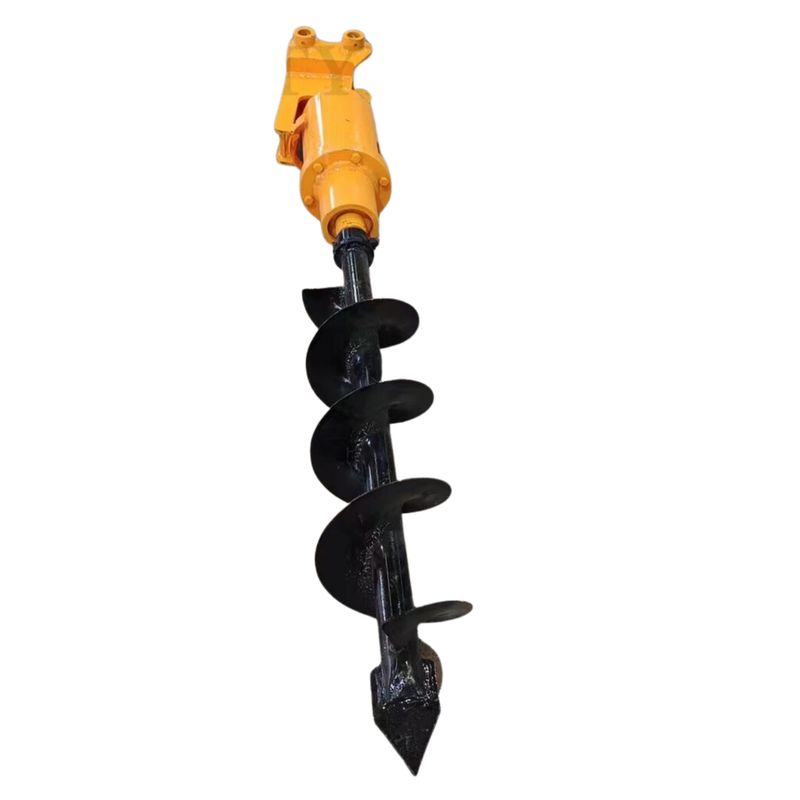
2. Augers
For drilling tasks, such as creating holes for fence posts, trees, or utility poles, augers are indispensable. Mini excavator auger attachments offer precision and efficiency in various soil conditions.
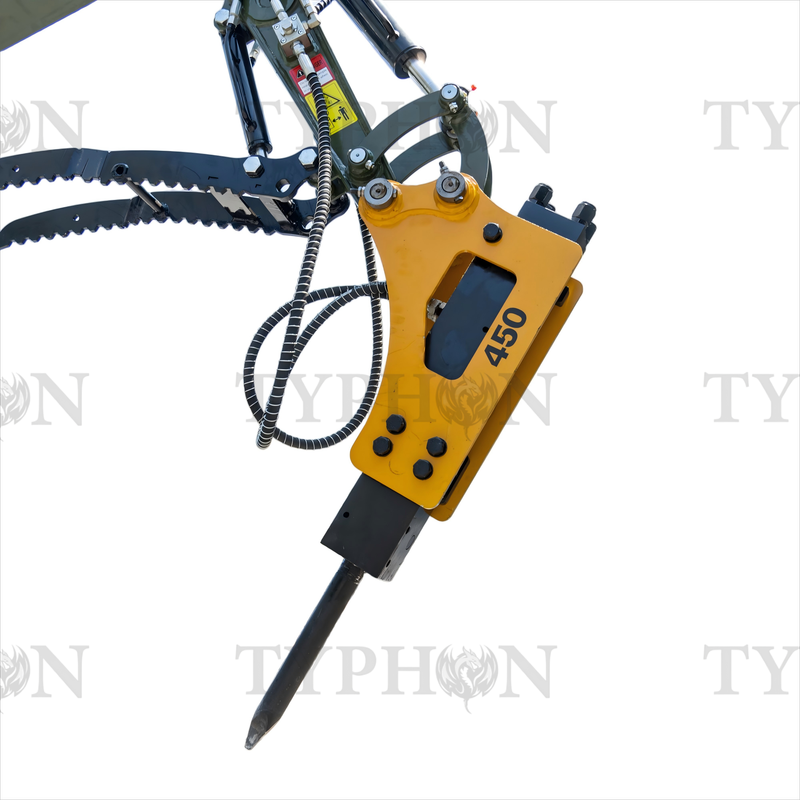
3. Hydraulic Hammers / Concrete Breakers
When it comes to demolition and breaking through tough surfaces like concrete or asphalt, breakers are the go-to mini excavator attachments. They enable efficient and controlled breaking, enhancing the versatility of your mini excavator.
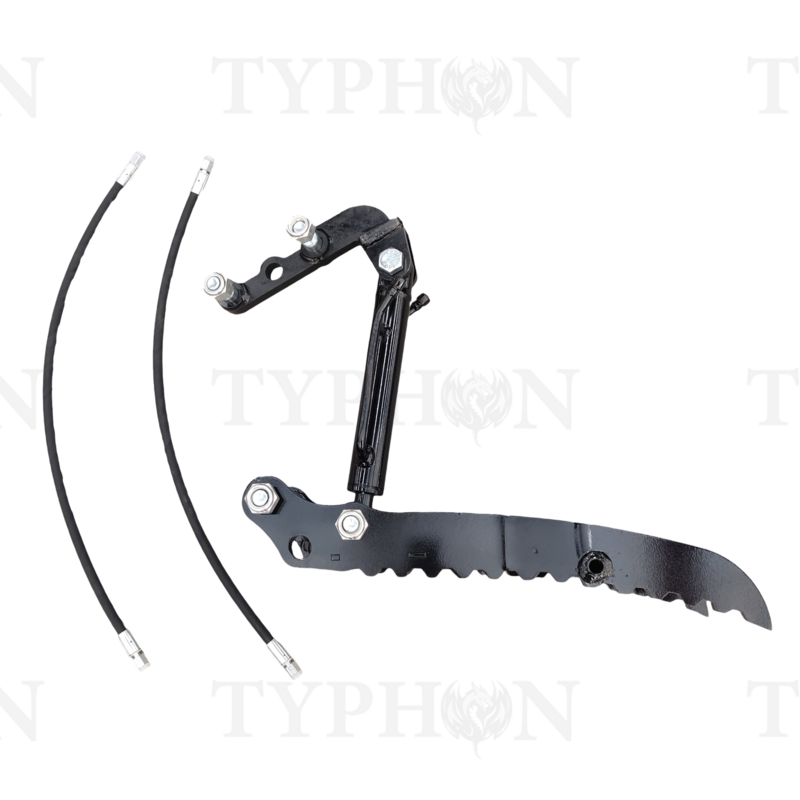
4. Thumbs
Thumbs provide mini excavators with the capability to pick up and manipulate objects, including rocks and logs. This attachment is invaluable for tasks that require a delicate touch and precise control.
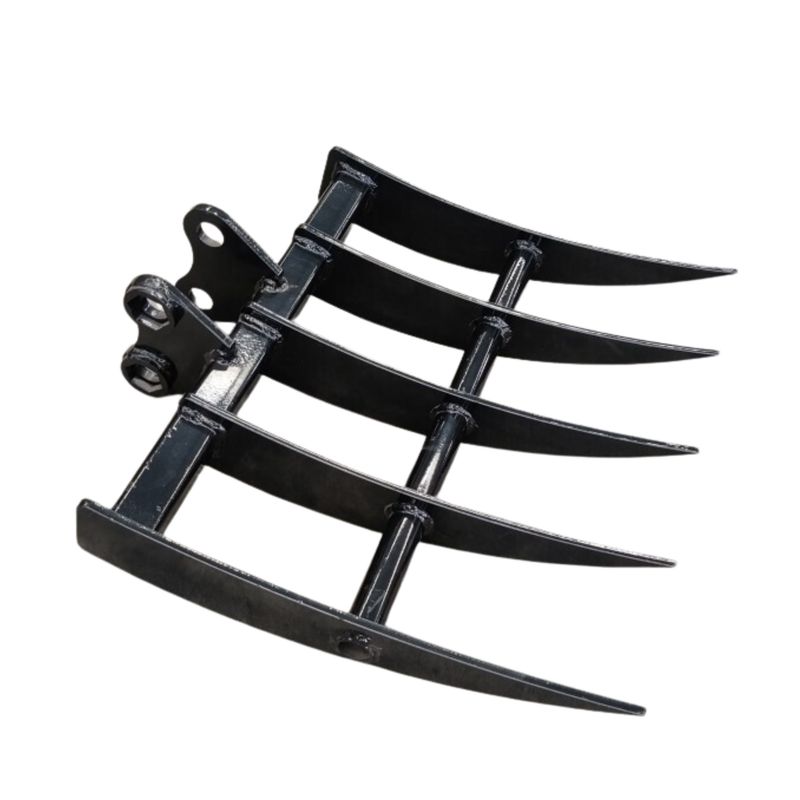
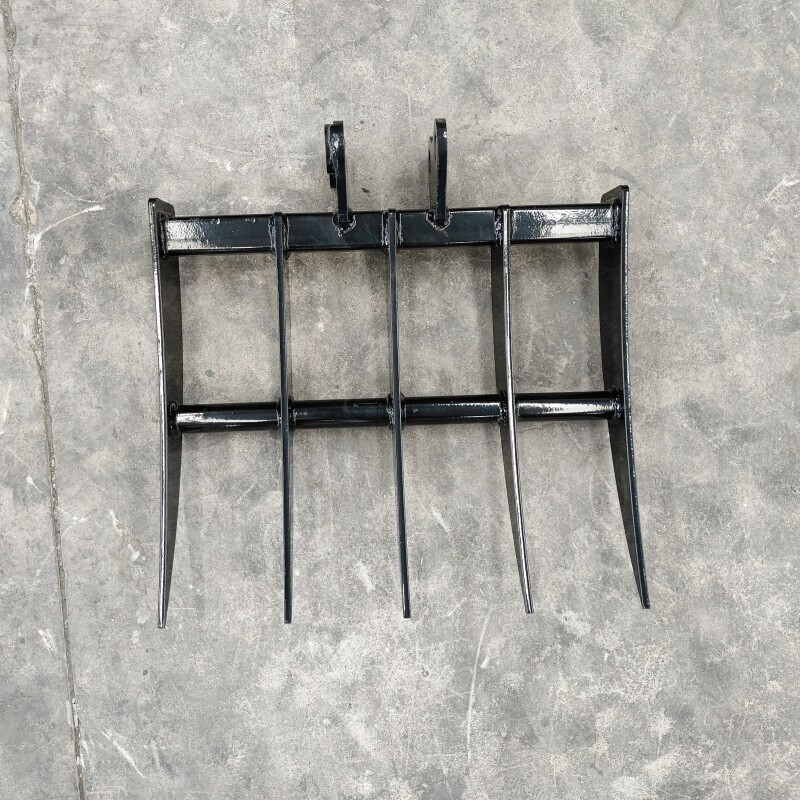
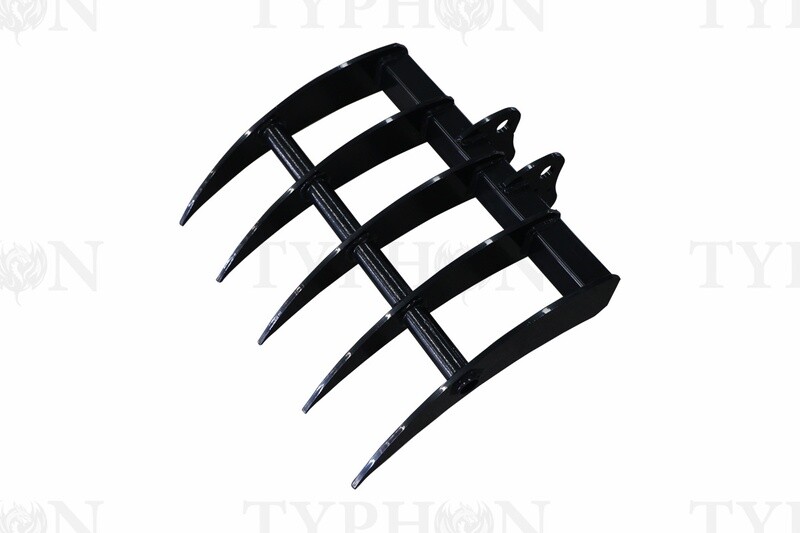
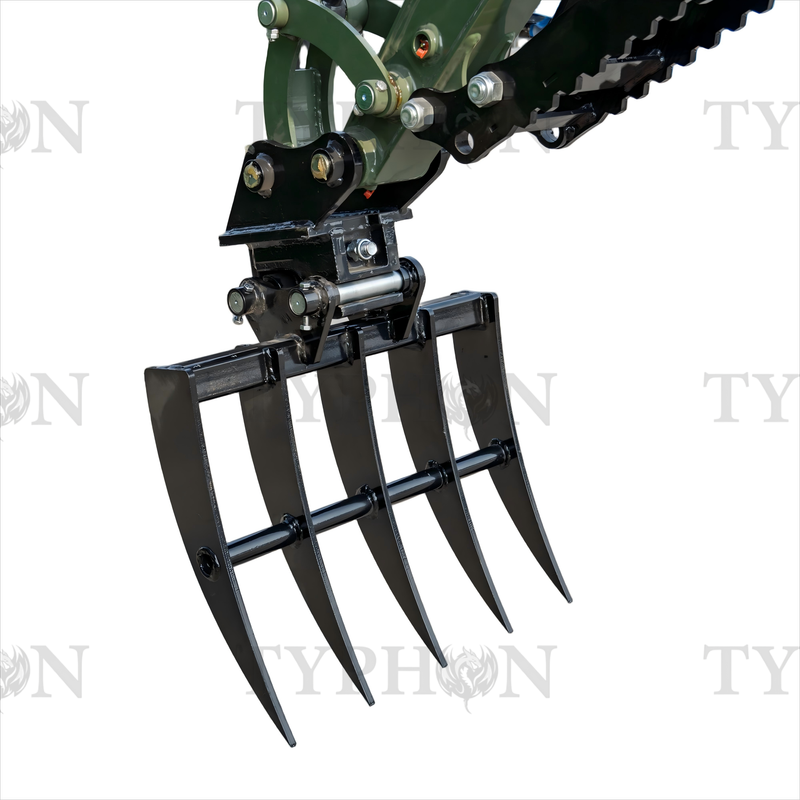
5. Rakes
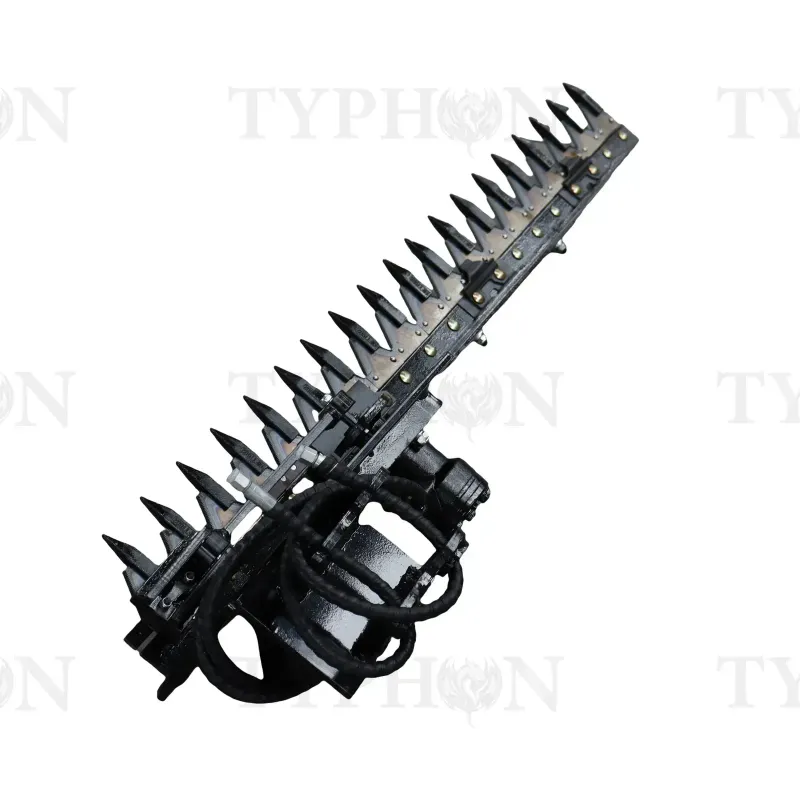
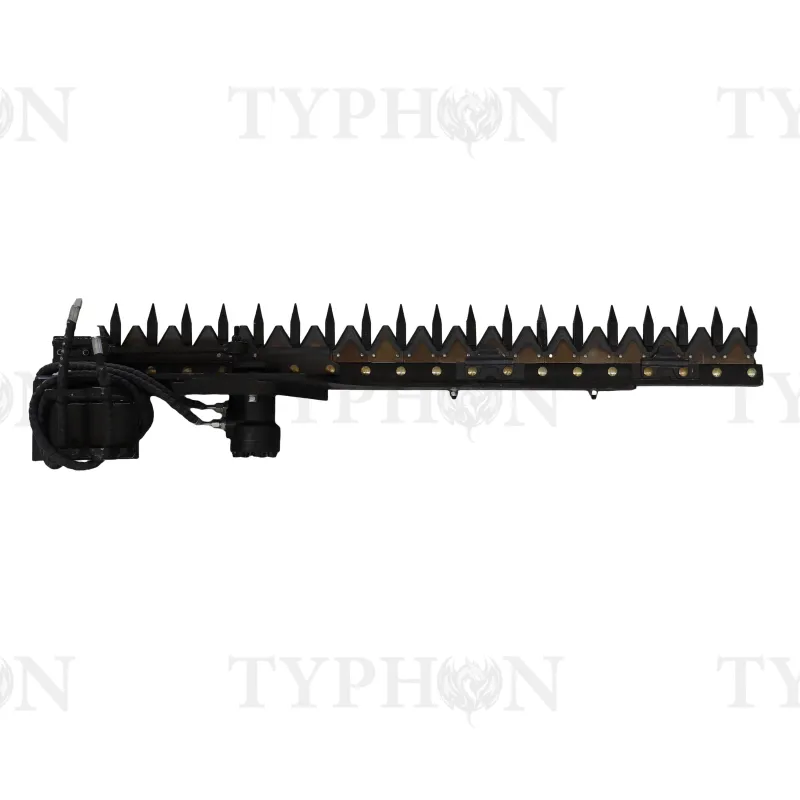
Clearing debris and preparing soil for landscaping or agricultural activities becomes seamless with rake attachments. They efficiently gather and remove unwanted materials, leaving a clean and prepared surface.
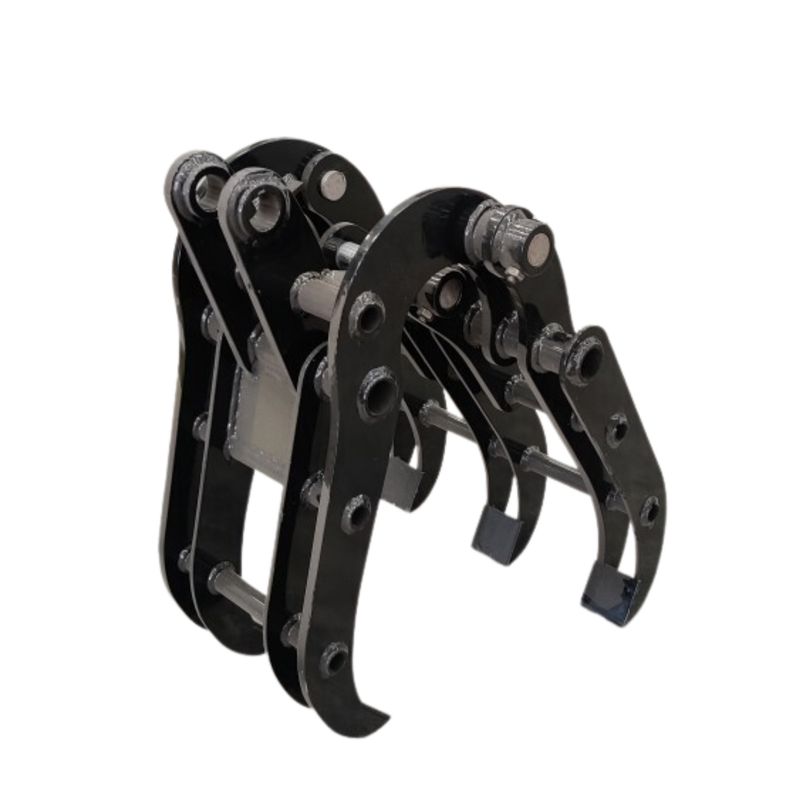
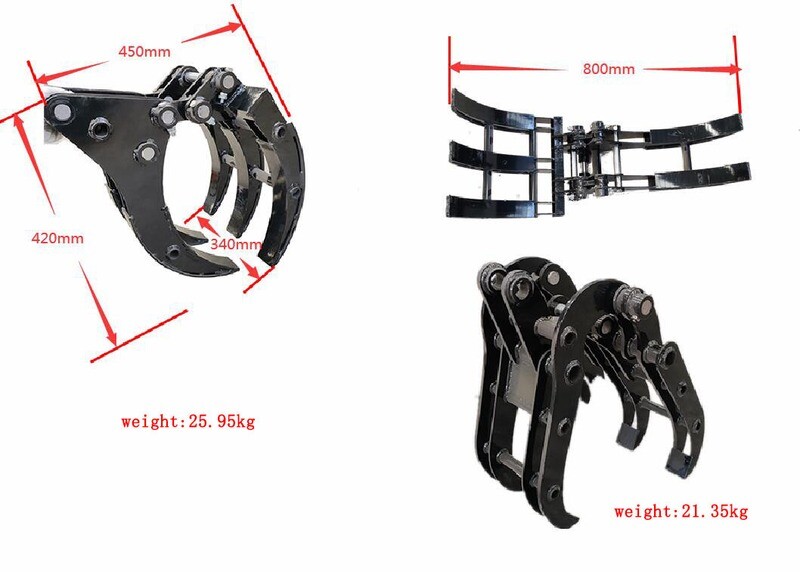
6. Grapples
Handling irregularly shaped objects, such as rocks and logs, is made easy with grapple attachments. Their design allows for a secure grip and controlled movement, ensuring safe and efficient material handling.
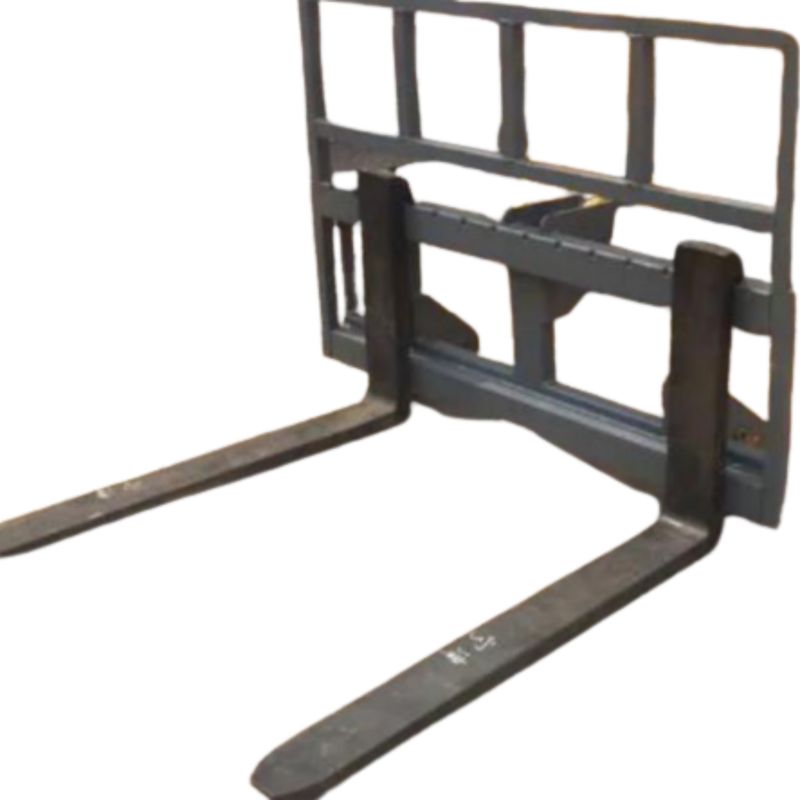
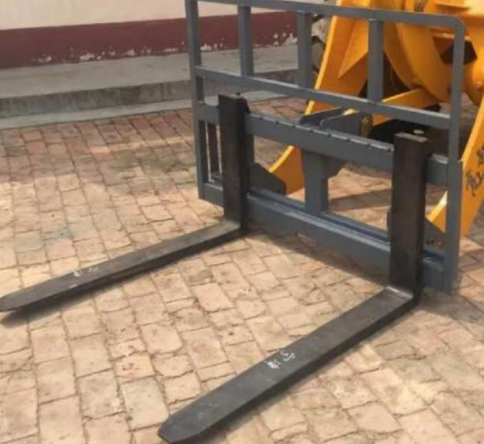
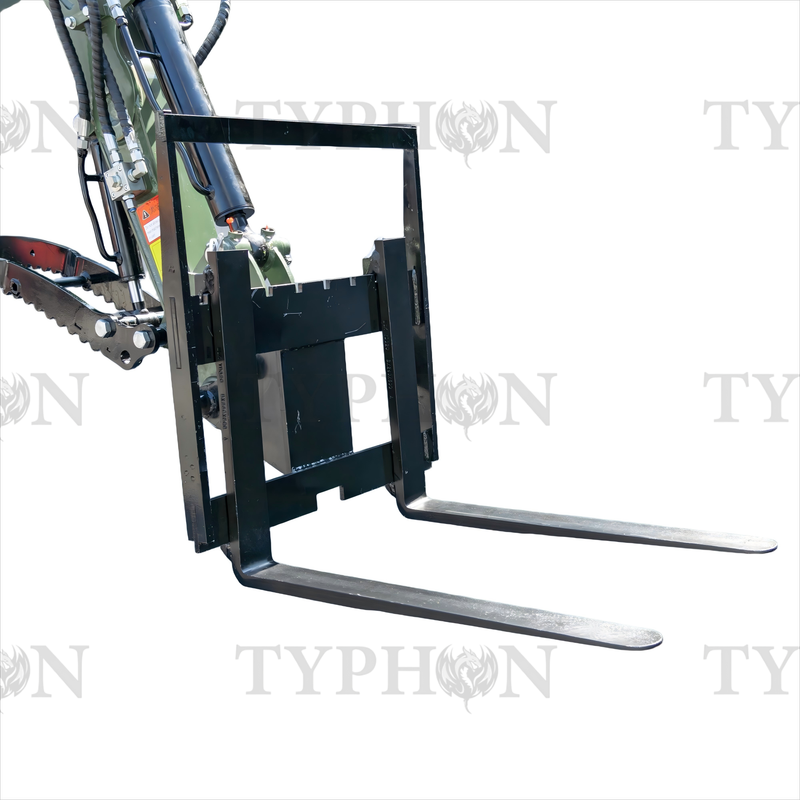
7. Pallet Forks
For handling and transporting pallets and large objects, pallet forks are the attachment of choice. They provide stability and control, making loading and unloading tasks swift and hassle-free.
Explore the Possibilities
Whether you're in construction, landscaping, or agriculture, mini excavator attachments offer a myriad of possibilities. Tailor your machine to the specific needs of each job, and witness the enhanced efficiency and productivity that come with these essential add-ons.
Unleash the Full Potential – Mini Excavator Attachments for Every Task.

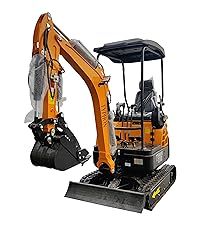








The Specs That Actually Matter When You’re Comparing Models
Spec sheets can be overwhelming. Here are the numbers that genuinely affect how the machine performs for you.
Operating weight directly affects digging capacity and how the machine handles heavy material. Heavier machines generate more force.
Digging depth tells you how far below ground the excavator can reach. Most compact machines handle 6 to 14 feet. Know your project requirements before settling on a model—this one matters more than people realize until they’re short by a foot.
Breakout force measures how much force the bucket can apply against resistance. This is what matters most in compacted clay, dense soil, or rocky ground. More breakout force means the machine pushes through instead of stalling.
Engine horsepower runs from around 10 HP on micro models to 65+ HP on larger compact machines. More horsepower generally means more hydraulic capacity too, which opens up attachment options.
Hydraulic flow rate determines what attachments you can effectively run. If a tiltrotator or high-frequency hammer is in your plans, verify the machine’s hydraulic output before you buy.
Tail swing radius — zero tail swing costs slightly more. In tight urban or residential environments, it pays for itself almost immediately.
If You’ve Never Run an Excavator Before—Read This Part
Operating a mini excavator for the first time feels awkward for the first hour or so. Then something clicks. Here are the practical things that actually make a difference in the early going.
Call 811 before you dig. That’s the utility location service in the US. Hitting a gas line or live electrical cable is dangerous and expensive. This step is genuinely non-negotiable.
Match the bucket to the job. A narrow trench bucket is built for pipe work. A wide general-purpose bucket moves more volume on open excavation. The wrong bucket for the job works like using the wrong tool for anything—it functions, but not well.
Think about machine stability. Compact excavators can tip on uneven ground with a loaded bucket extended at full reach. Know where the machine is sitting, and work downhill when you have a choice.
Stop overfilling the bucket. It feels productive, but it stresses the hydraulics and slows your actual cycle time. Three-quarters full, smooth and consistent—that rhythm is genuinely faster over a full day than constantly maxing out the load.
Stick to the maintenance schedule. Hydraulic fluid, engine oil, and track tension—check them consistently. Mini excavators work hard. The operators who take care of them get years more useful life out of each machine.
Buy or Rent — An Honest Way to Think Through the Decision
Rent if you have a single project, if you’d use a machine fewer than 25 days a year, or if you’re not yet sure which size and type actually fits your workflow. Renting also lets you try different machines before locking in a purchase decision.
Buy it if you’re running a compact excavator on a regular basis—50 or more days a year—or if having it available without lead time would let you take on work you currently turn away. Ownership also means building an attachment inventory over time, which multiplies what the machine can do.
Consider Typhon Machinery if you’re buying new for the first time. One of the real hesitations for first-time buyers is the sticker price. Typhon Machinery’s compact excavator lineup makes ownership genuinely accessible without pushing you toward the used market if you’d rather have a new machine with a warranty behind it.
For contractors somewhere in between, a quality used compact excavator in the 1,500 to 3,000-hour range from a reputable brand often hits the best balance of upfront cost and remaining capability.
The Honest Bottom Line
The mini excavator has become one of the most relied-upon machines in construction and landscaping for a straightforward reason: it does real work in real spaces. Not every job site has room for a full-size excavator. Nearly every job site has room for a compact one.
If you’re a contractor, the right mini excavator expands the scope of jobs you can take on and makes the ones you already do faster and more profitable. If you’re in landscaping, it replaces a stack of specialized equipment that you used to rent job by job. If you’re a homeowner with a serious project, renting one for a weekend will permanently change how you think about what’s achievable.
Take time with the specs. Please consider which attachments are truly necessary for your work. Check who the local dealer is for whatever brand you’re considering. And whether you go with an industry name that’s been around for decades or a sharp, value-oriented brand like Typhon Machinery, make sure the machine matches the work—not just the price tag.
The right compact excavator, well-maintained and properly equipped, earns its keep from the first day it hits a job site.
Mini Excavator FAQ — Quick Answers to the Questions That Come Up Most
What’s the smallest mini excavator available? Mini excavators start under 1 ton. Some models weigh under 900 kg and are narrow enough to fit through a standard doorway—which matters a lot for indoor demolition or heavily restricted access work.
How deep will a mini excavator dig? In the 2 to 6 ton class, most compact excavators reach between 8 and 13 feet (2.5 to 4 meters) depending on the arm configuration and specific model.
Can you haul a mini excavator on a regular trailer? Yes. Most compact excavators are transported on a tandem-axle trailer rated for the machine’s weight. Confirm the trailer capacity and use the excavator’s designated tie-down points, and you’re set.
How many hours will a mini excavator last? A well-maintained machine from a quality manufacturer typically runs 8,000 to 12,000 hours before needing serious work. Some machines, consistently serviced, push well past that.
Is operating a mini excavator difficult to learn? Not particularly. Most people get the fundamental movements—digging, swinging, and dumping—within the first few hours of seat time. Precision grading and complex attachment work develop over weeks and months of practice, but the basics are accessible faster than most beginners expect.
Ready to figure out which compact excavator is right for your next project? Compare a few models in the size class your work actually calls for, have a real conversation with your local dealer about attachments, and don’t overlook newer brands like Typhon Machinery if getting strong performance at a fair price is part of the equation. The right machine is out there.