Skip to content
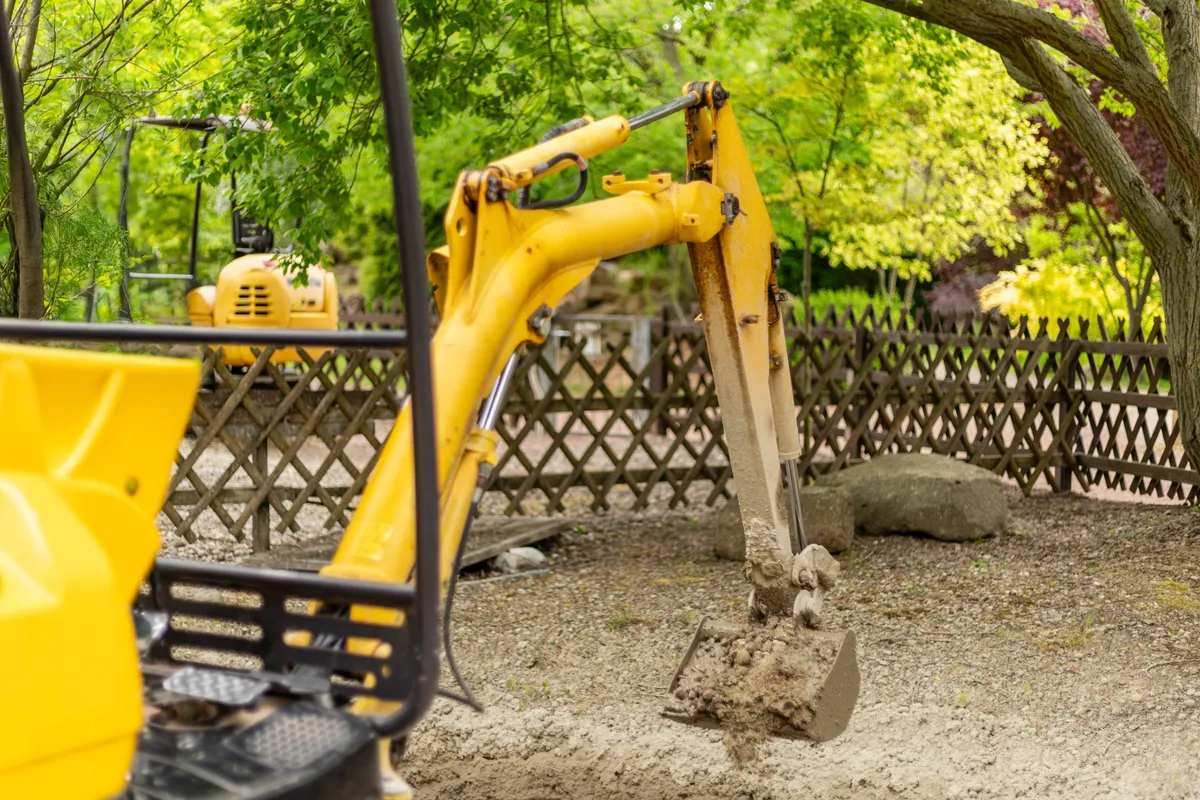
There is a reason contractors across the country keep coming back to the mini excavator, it fits where full-size machines cannot, costs a fraction of what larger equipment demands, and handles a surprisingly wide range of work without breaking a sweat. Whether you are a seasoned contractor or a first-time buyer trying to figure out what your next job actually needs, understanding what these compact machines can really do changes the way you think about your equipment lineup.
Small Footprint, Serious Output
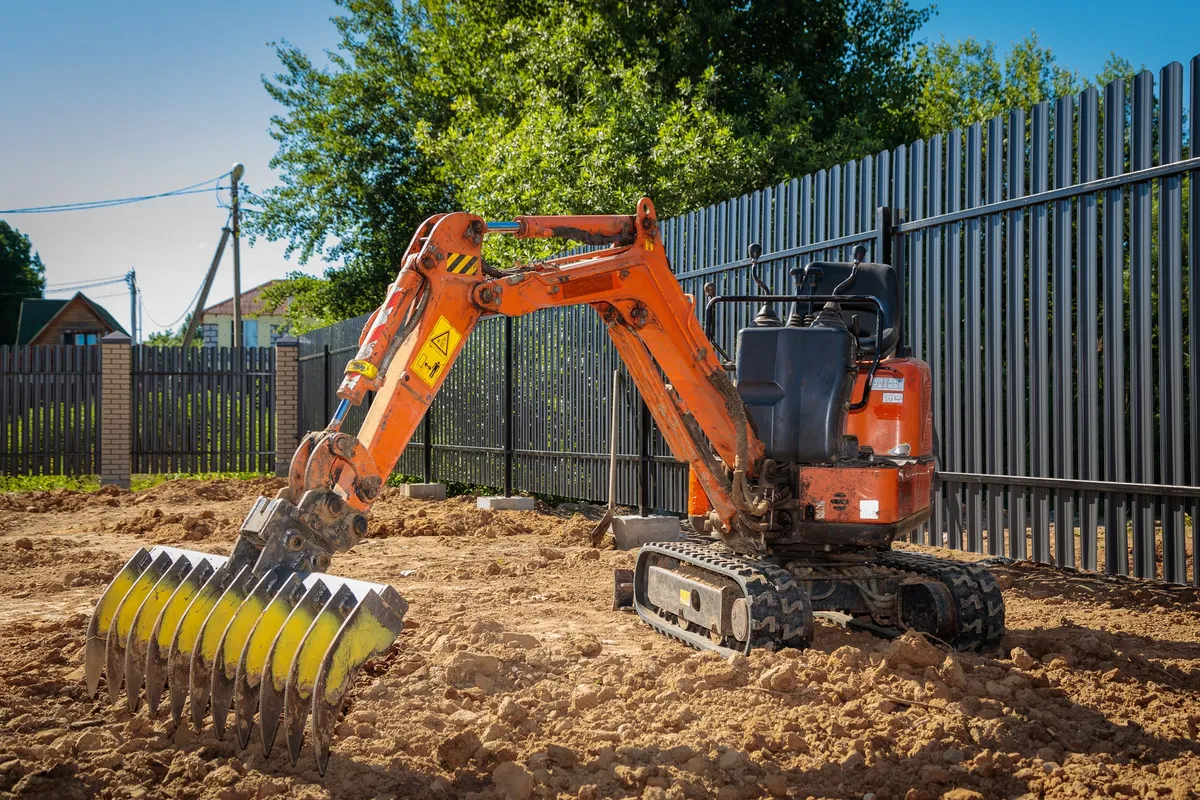
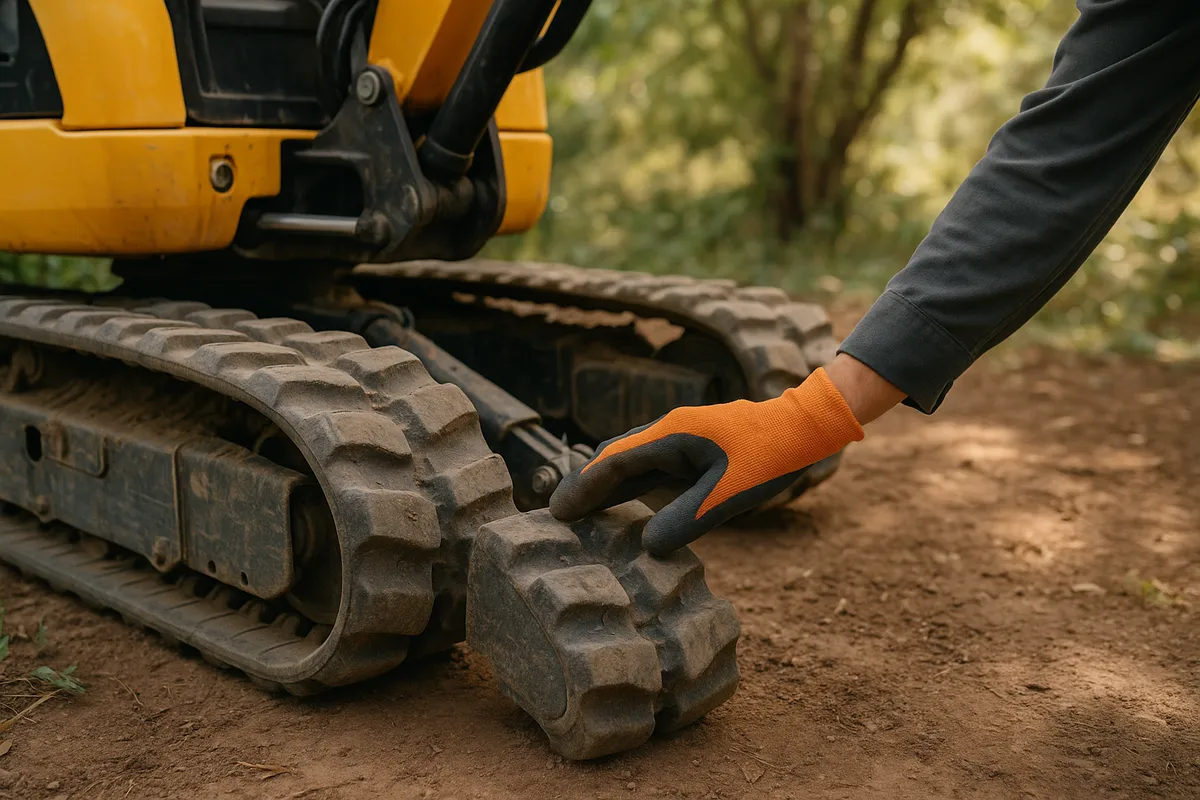
One of the biggest misconceptions buyers bring to the table is that compact means limited. It does not. These machines dig trenches, grade land, clear debris, install drainage systems, and handle demolition work on tight job sites where a full-size excavator would be completely impractical. Landscapers love them. Utility crews rely on them. Residential contractors keep them on the trailer almost every single day.
The real advantage is access. Backyard projects, narrow alleyways, indoor demolition work, and sites with strict ground pressure requirements, these are exactly the conditions where a compact digger earns its keep. If you have ever watched a crew struggle to maneuver a massive machine into a confined space, you already understand the value of going smaller without sacrificing capability.
For anyone curious about what these machines can actually accomplish on a real job site, small-scale construction projects using compact excavators covers a wide range of practical applications worth reviewing before you buy.
Attachments Turn a Good Machine Into a Great One
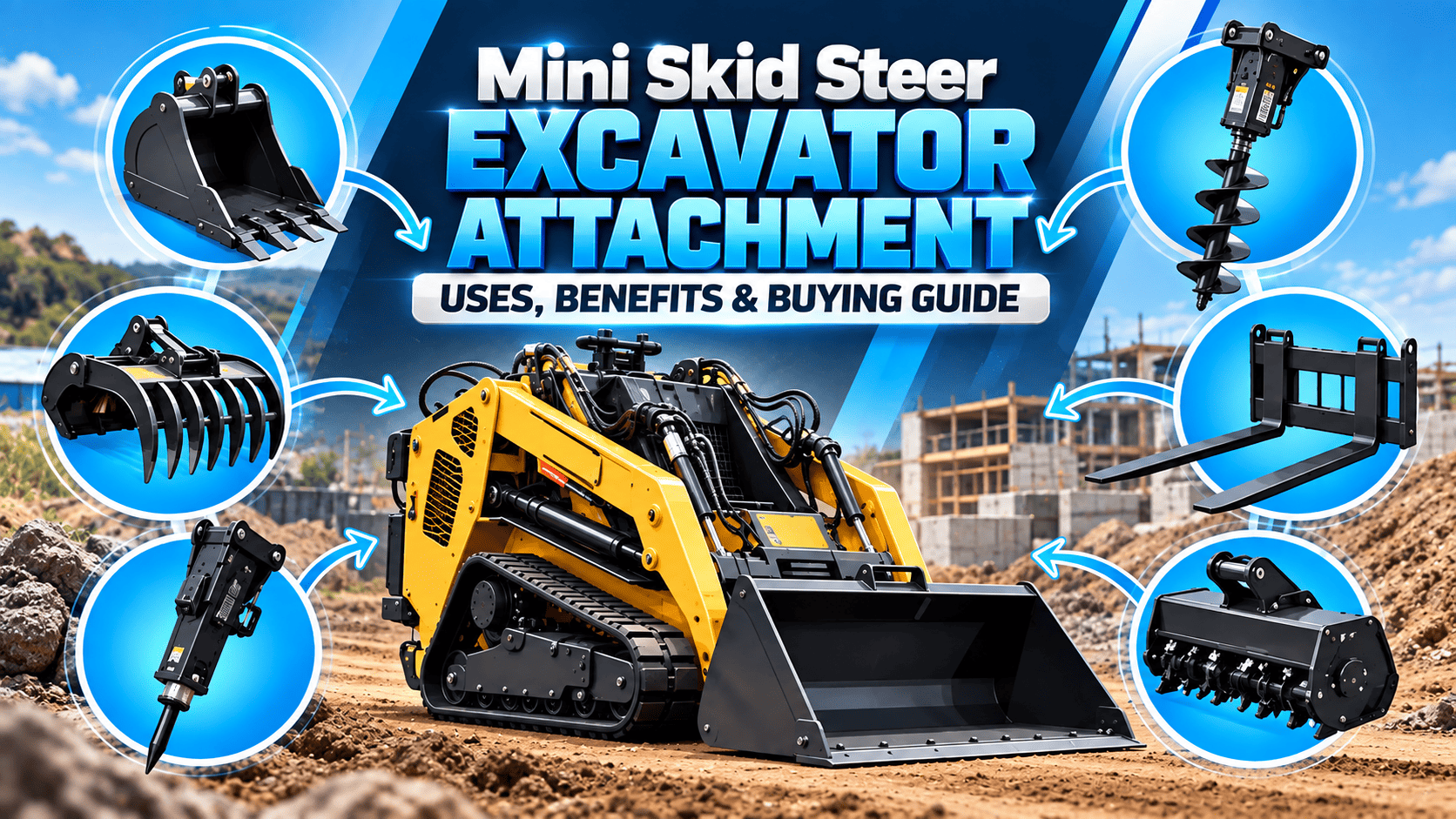
Buying the machine is just the beginning. Where compact diggers truly separate themselves from the competition is in their attachment versatility. Auger bits for post holes. Hydraulic breakers for concrete demolition. Grapple buckets for debris handling. Tilt rotators for precision grading. The right attachment does not just add convenience, it replaces the need for an entirely separate piece of equipment on many job sites.
Smart buyers think about attachments before they finalize their machine purchase. The hydraulic flow rate, auxiliary circuit configuration, and coupler compatibility on the base machine all determine what you can run. Skipping that research upfront is one of the most common and costly mistakes new buyers make. If you want to get the most out of your investment, boosting productivity with the right attachments is required reading.
Customers who have gone through this process often say the same thing after the fact, they wish someone had walked them through attachment compatibility before the purchase, not after. That kind of guidance makes a real difference, and it is something Typhon Machinery takes seriously when working with buyers at every experience level.
Picking the Right Size Is More Important Than Most People Realize
Compact excavators come in a range of sizes, and the difference between a one-ton machine and a six-ton machine is not just weight, it is dig depth, reach, lifting capacity, and transport logistics. Getting this wrong costs money in both directions. Too small and you are making twice as many passes on every job. Too large and you are paying for a machine that cannot get into half your job sites.
The general rule is to match the machine to your most demanding regular work, not your most demanding occasional work. If ninety percent of your projects involve residential landscaping and utility work, buying a machine sized for commercial excavation is an expensive mistake. Think about dig depth requirements, typical bucket size, and how you plan to transport the machine between sites.
Weight also matters for trailer and tow vehicle requirements. A machine that exceeds your transport setup creates compliance headaches and safety risks before the first bucket of dirt is ever moved. Getting the sizing conversation right from the start saves a significant amount of frustration down the road.
Financing and Getting Into the Right Machine Without Overextending
One of the most practical conversations in the compact equipment world right now is about how buyers are actually getting into machines. Outright purchase still makes sense for established operations with consistent cash flow. For everyone else, newer contractors, growing businesses, or operators adding a second or third machine, equipment financing has become a genuinely smart path forward.
Spreading the cost of a quality machine across manageable monthly payments lets contractors keep working capital available for materials, labor, and the unexpected costs that show up on every job. The key is working with a dealer who understands the equipment side of the equation, not just the paperwork. Knowing the real-world value and longevity of the machine you are financing matters as much as the interest rate.
Typhon Machinery works with buyers at all stages of that process, from first-time purchasers trying to figure out which model fits their work to experienced operators looking to expand their fleet without tying up capital. The goal is always the same: get the right machine into the right hands at terms that actually make sense for the business.
Compact excavators have earned their place as one of the most versatile and cost-effective tools in the construction and landscaping world. The buyers who get the most out of them are the ones who take the time to match machine size, attachment capability, and financing structure to their actual work, not just what sounds impressive on a spec sheet.
Frequently Asked Questions
How do I know if I’m buying a machine that’s too small or too large for my work?
The article’s rule is straightforward: size the machine to your most demanding regular work, not the biggest job you might take on once or twice a year. If most of your projects are residential landscaping and utility work, a machine sized for commercial excavation is money wasted on capacity you rarely use. Think about dig depth requirements, typical bucket size, and how often you actually need that extra reach before committing to a size.
What should I check on the base machine before buying attachments?
Three things matter most: hydraulic flow rate, auxiliary circuit configuration, and coupler compatibility, and the article specifically calls skipping this research one of the most common and costly mistakes new buyers make. An attachment that looks right on paper may not run correctly on a machine with mismatched hydraulic specs. Work through attachment compatibility before you finalize the purchase, not after the machine is already sitting in your yard.
Is financing a compact digger actually a smart move, or is it better to just buy outright?
It depends on your situation, outright purchase still makes sense for established operations with steady cash flow, but financing is a genuinely practical path for newer contractors, growing businesses, or operators adding a second or third machine. Spreading the cost across monthly payments keeps working capital available for materials, labor, and the unexpected costs that show up on every job. The article also points out that understanding the machine’s real-world value and longevity matters just as much as the interest rate you’re offered.
What kinds of job sites are these compact machines actually built for?
The article lists backyard projects, narrow alleyways, indoor demolition work, and sites with strict ground pressure requirements as exactly the conditions where a compact digger earns its place. Landscapers, utility crews, and residential contractors are specifically called out as the operators who rely on them most consistently. The core advantage is access, getting into spaces where a full-size machine would be completely impractical.
Can the right attachments really replace separate pieces of equipment on a job site?
According to the article, yes, that’s one of the main points made about attachment versatility. Auger bits, hydraulic breakers, grapple buckets, and tilt rotators are all cited as examples of tools that can eliminate the need for an entirely separate machine on many jobs. The catch is that none of that works if the base machine’s hydraulics and coupler setup aren’t compatible with what you want to run.
Get Directions to Typhon Machinery
🎧 Listen to this as a podcast
Also on Apple Podcasts, Spotify, and Amazon Music.