Skip to content
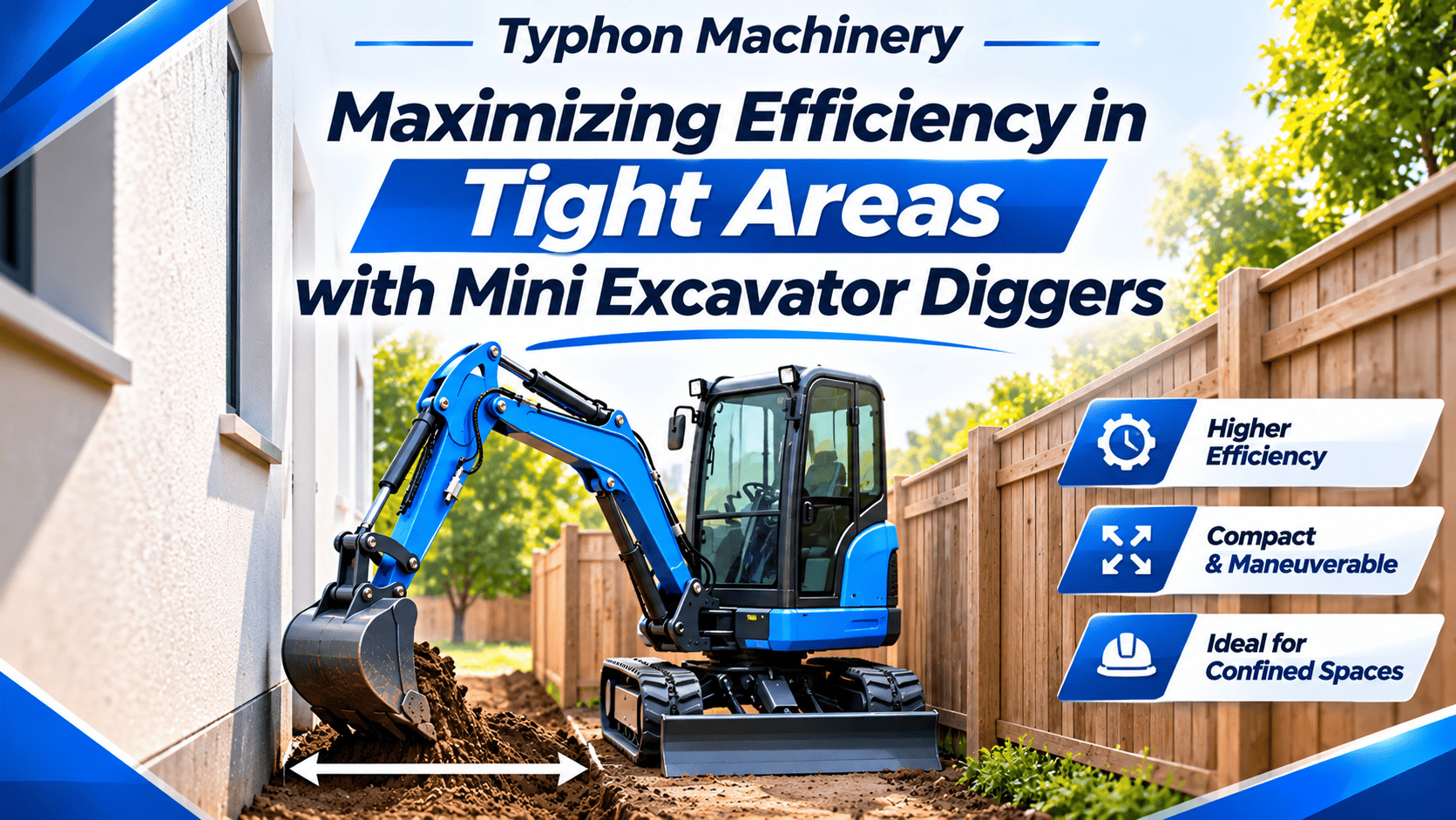
There’s a reason contractors, landscapers, and property owners keep coming back to mini excavator diggers as their go-to solution for confined-space work. These compact machines punch well above their weight class, handling trenching, grading, demolition prep, and utility work in spots where full-size equipment simply cannot go. If you’ve been wondering whether a smaller machine can actually get serious work done, the short answer is yes. The longer answer is what this article is about.
Small Footprint, Serious Output
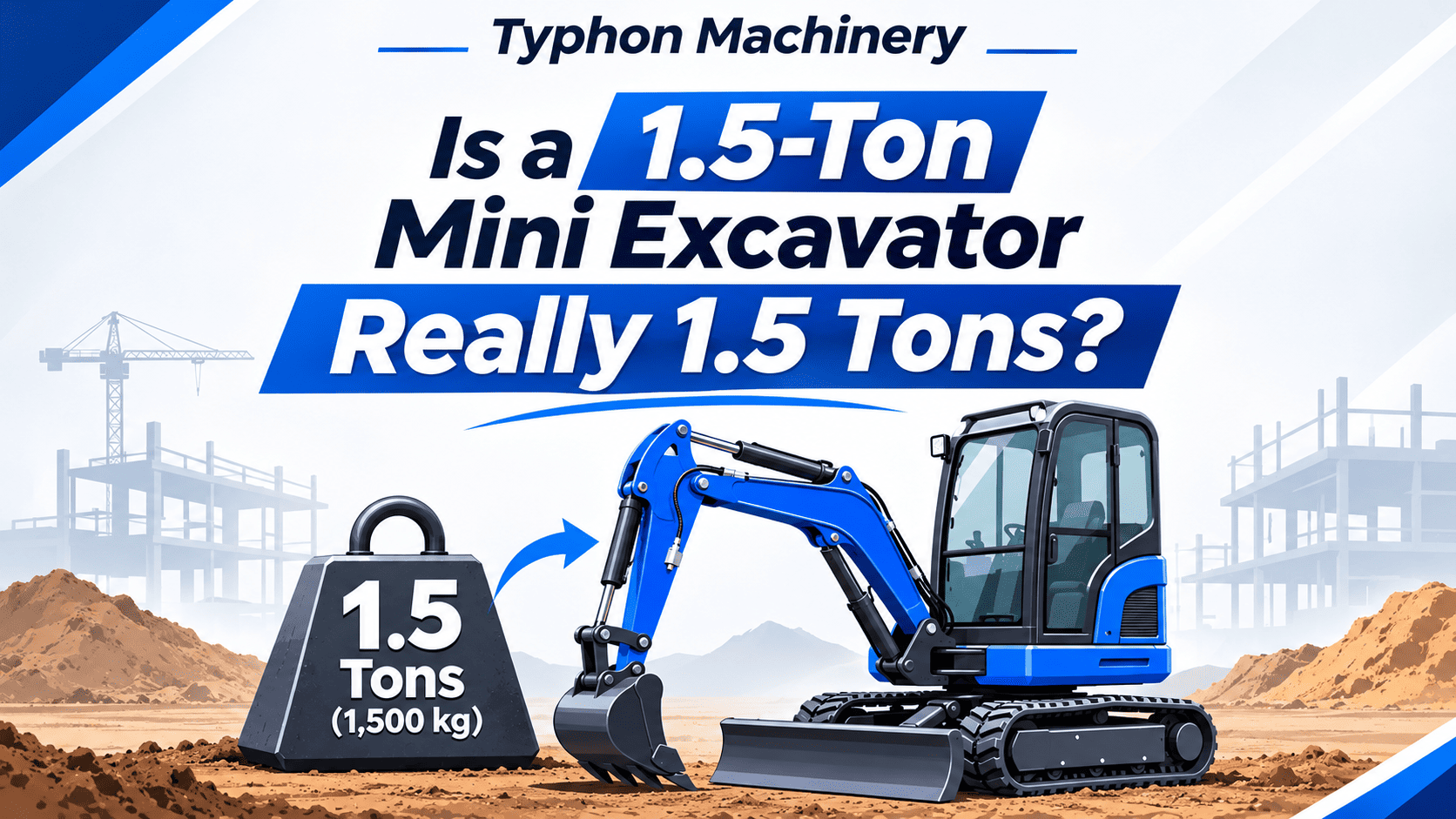
The biggest misconception people carry into their first compact excavator purchase is that smaller means weaker. It doesn’t. A well-built 1-ton or 2,500-pound machine can move meaningful amounts of earth in a single shift. The key is matching the machine’s operating weight and bucket capacity to the actual demands of the job, not just grabbing whatever’s available on a dealer lot.
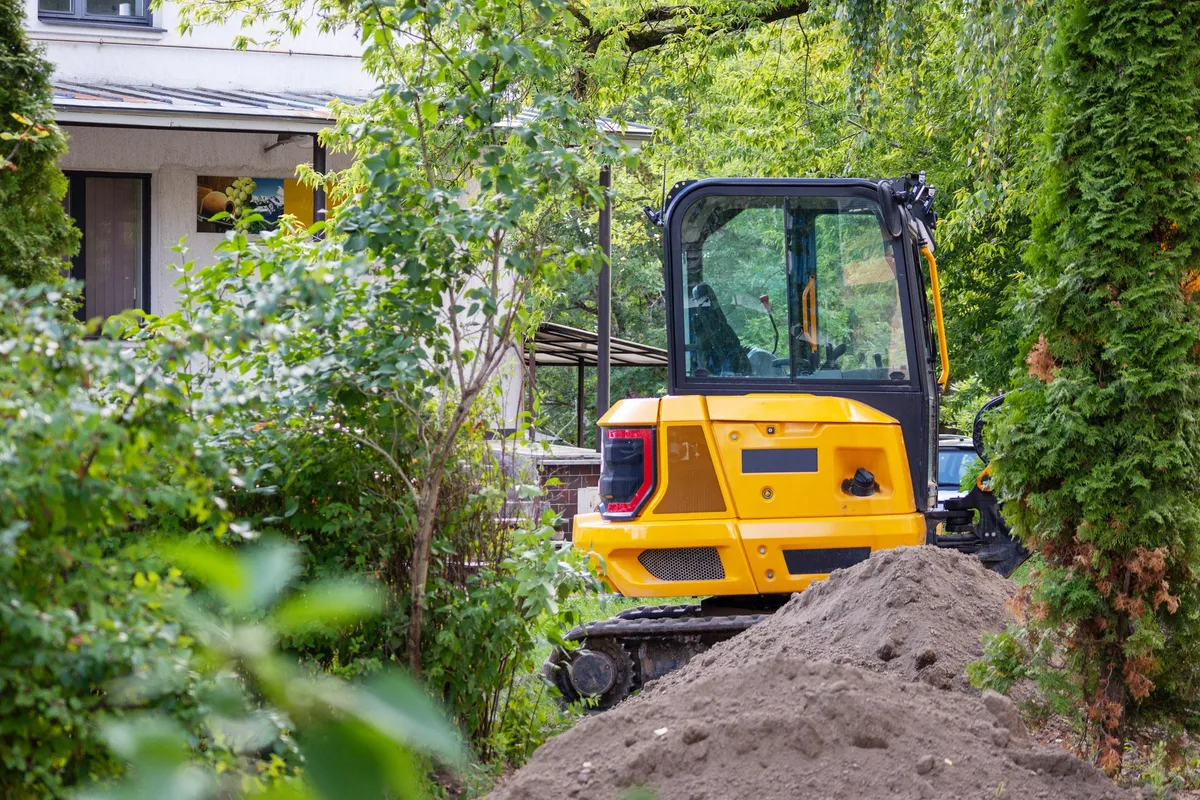
Tight residential backyards, narrow utility corridors, and fenced-in commercial properties all share one thing: limited access. A compact tracked digger can squeeze through a standard gate opening, operate on soft or uneven ground without tearing up finished surfaces, and still deliver the digging depth and breakout force needed for real excavation work. That’s not a compromise, that’s engineering working in your favor.
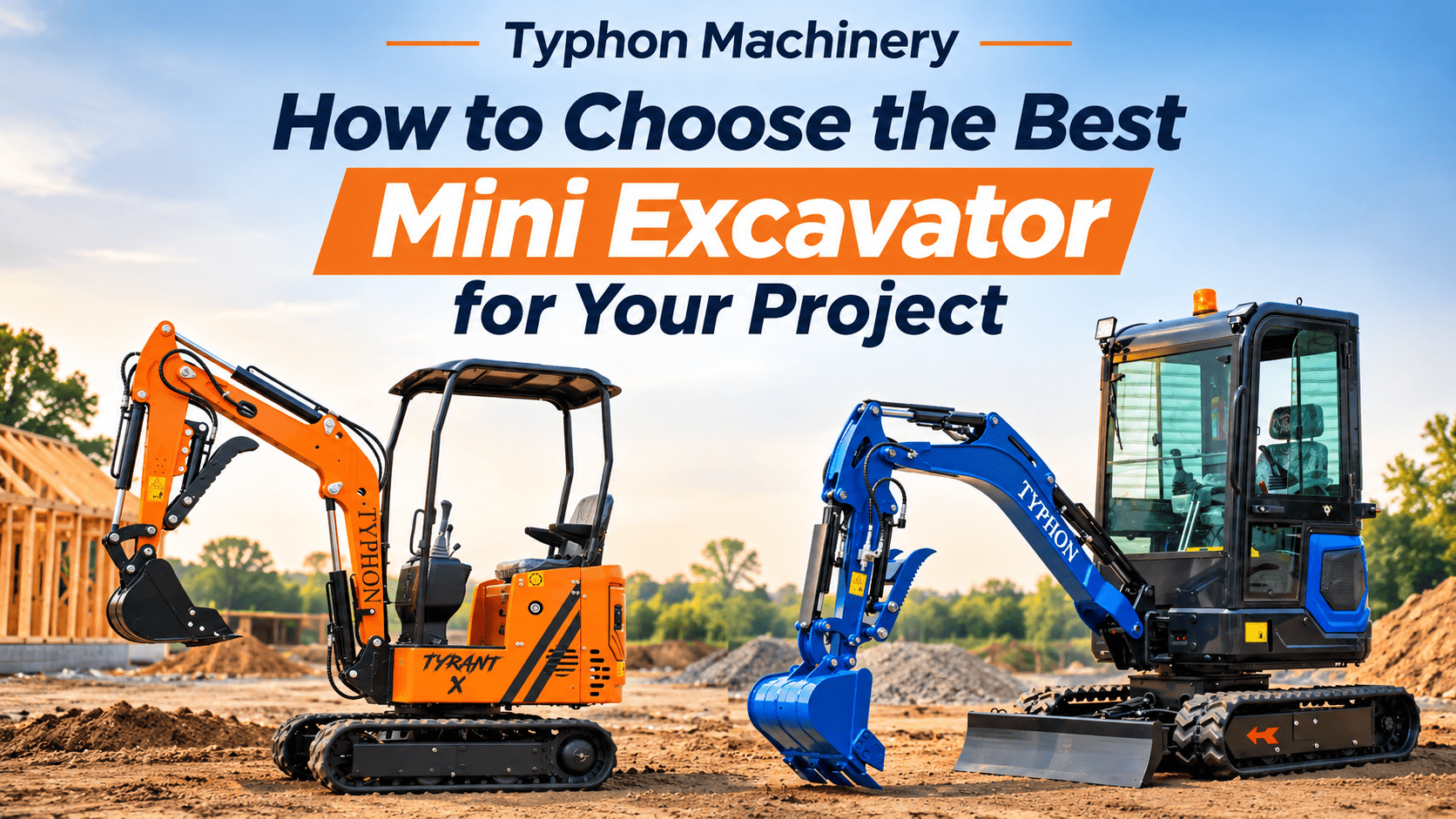
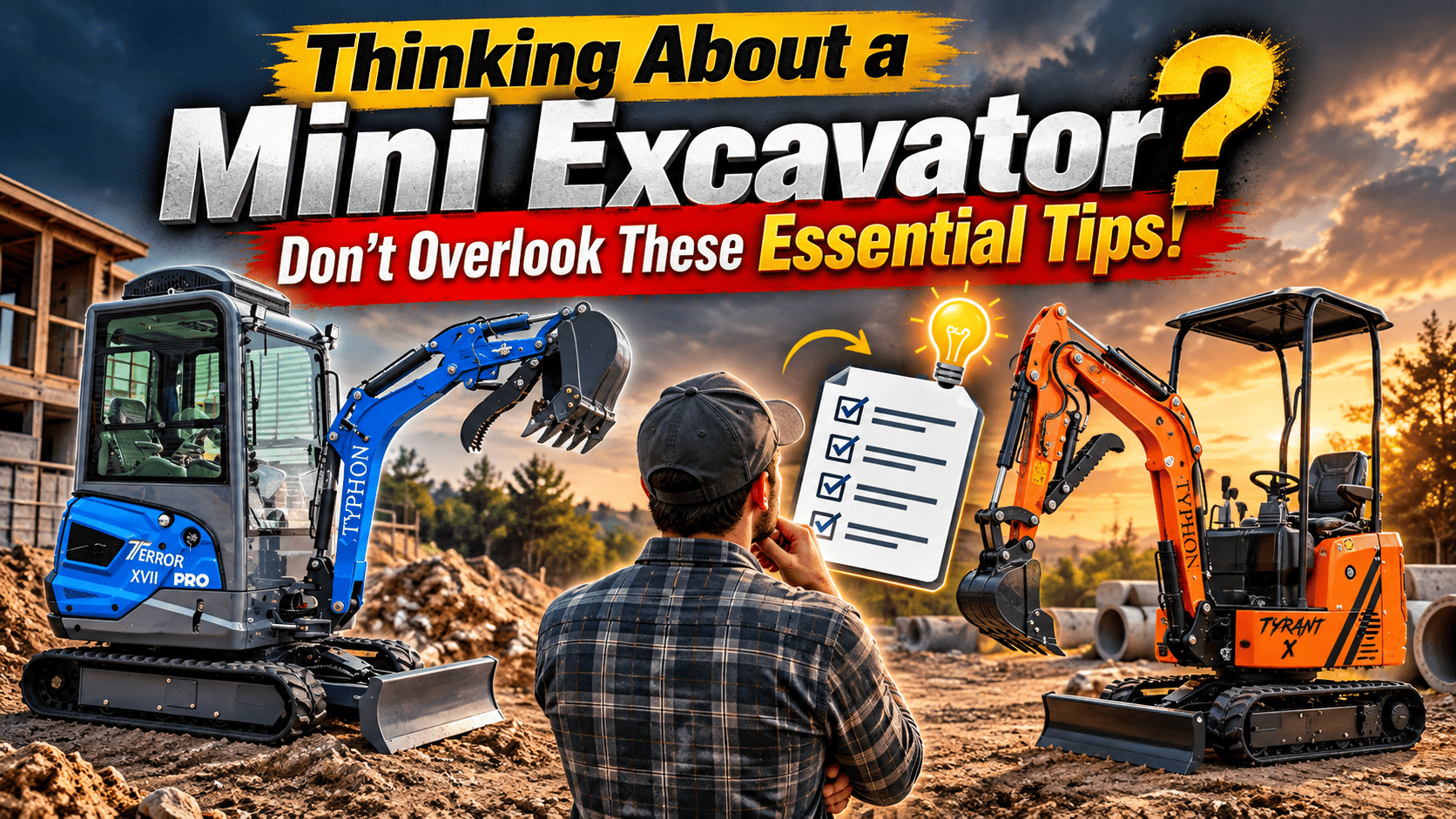
For buyers exploring their options, the TYPHON Terror X Storm is a solid example of what a 1-ton machine with a 380mm wide bucket can accomplish across garden work, farm applications, road maintenance, and park projects. It’s a practical, capable option for operators who need versatility without the bulk.
The Attachments You’re Probably Not Using
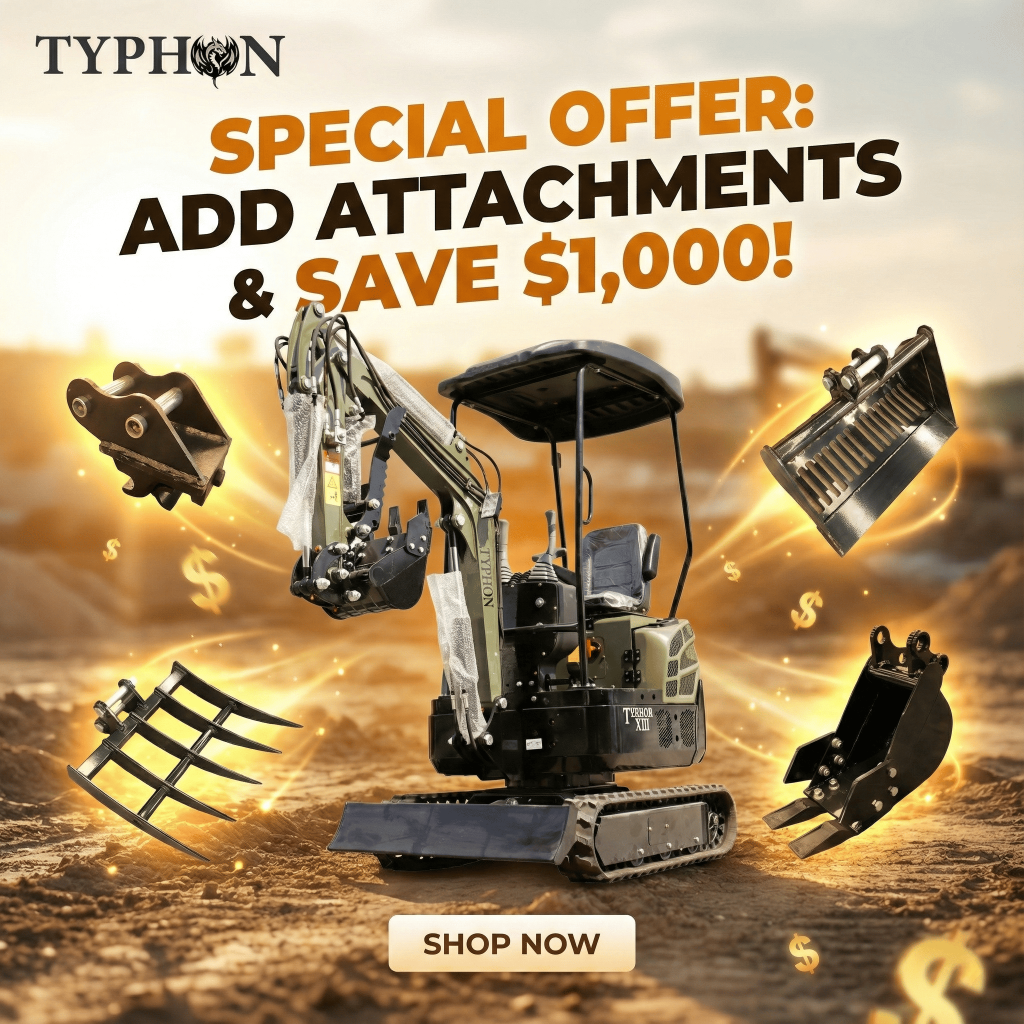
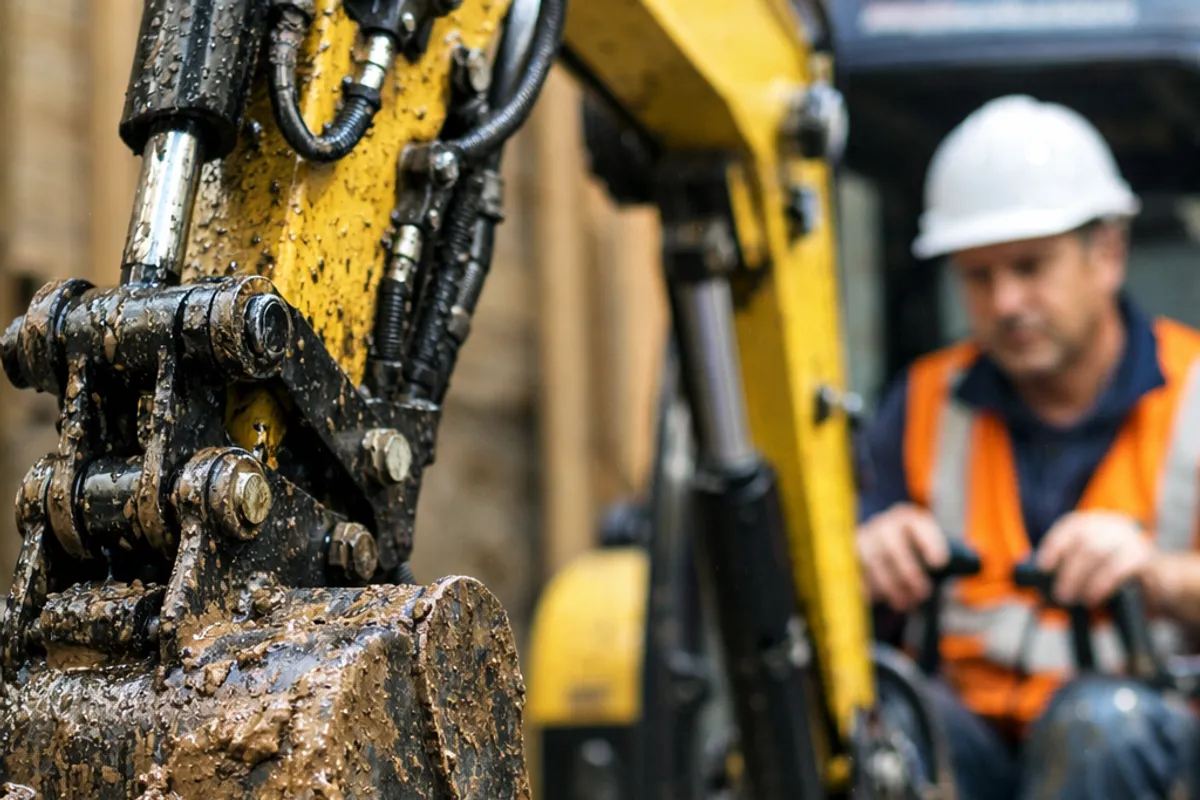
Here’s where a lot of buyers leave money on the table. They purchase a compact excavator, use the standard bucket for every job, and never realize the machine was designed to do far more. Auger attachments for post holes and tree planting, hydraulic breakers for concrete and rock, grading blades, and thumb attachments for debris handling, these accessories transform a single machine into a multi-tool that can handle a full week of varied work without swapping equipment.
The attachment question deserves serious thought before you buy, not after. If you’re planning to drill, break, or grab as often as you dig, make sure the machine you choose has the auxiliary hydraulic flow to support those tools. Buying the wrong base machine and then discovering it can’t power the attachments you need is a frustrating and expensive lesson. For a thorough breakdown of what’s available and how to match attachments to your work, this guide on excavator attachments covers the full picture.
Operators who’ve spent time with these machines consistently say the same thing, the attachment capability is what separates a compact excavator that earns its keep from one that sits underutilized between jobs.
Cabin vs. Canopy: It’s Not Just About Comfort
One decision that catches first-time buyers off guard is the choice between an enclosed cabin and an open canopy design. It feels like a comfort preference, but it’s actually a productivity and safety question.
An enclosed cabin protects the operator from rain, dust, debris, and temperature extremes. On a long workday, especially in unpredictable weather, operator fatigue drops significantly when the environment is controlled. That translates directly into better focus, fewer mistakes, and more consistent output through the afternoon hours when concentration typically slips.
A canopy design, on the other hand, keeps costs lower and works perfectly well in mild conditions or for shorter jobs. For operators running occasional weekend projects or seasonal landscaping work, the canopy option makes financial sense without sacrificing core performance.
The TYPHON Terror X offers a full cabin configuration at the 2,500-pound class, a meaningful option for contractors who work year-round and need that protection built into the machine from day one rather than improvised around it.
Getting the Buy Right the First Time
Typhon Machinery works with buyers across the country who are making this purchase decision, often for the first time. One pattern that comes up repeatedly in customer feedback is the regret of under-specifying. Buyers who chose the lightest, least expensive option available sometimes found themselves wishing they had stepped up to a machine with more digging depth, greater lift capacity, or better hydraulic performance once they were actually on the job.
That doesn’t mean you need the largest compact machine on the market. It means taking the time to map your actual job requirements, digging depth, material type, site access width, frequency of use, and attachment needs, before settling on a model. A machine that’s slightly more capable than your minimum requirement will serve you far longer than one you immediately push to its limits.
If you’re still working through the decision, this resource on choosing the right compact excavator for your project walks through the key variables in plain language. And if financing is part of the conversation, Typhon’s financing options are worth reviewing early, knowing what’s available can open up better equipment choices than a strict cash budget might allow.
The bottom line is straightforward: compact tracked machines have earned their place on serious job sites because they deliver real results in conditions where bigger equipment fails. The right machine, properly spec’d and equipped with the right attachments, will pay for itself faster than most buyers expect.
Frequently Asked Questions
Can a 1-ton compact excavator actually handle real excavation work, or is it only good for light-duty jobs?
A well-built 1-ton machine can move a meaningful amount of earth in a single shift, the article specifically points to the TYPHON Terror X Storm and its 380mm wide bucket as an example of what’s possible across garden work, farm applications, road maintenance, and park projects. The key is matching the machine’s operating weight and bucket capacity to your actual job demands rather than assuming smaller means weaker. If you spec it correctly for the site conditions, you’re not compromising, you’re letting the engineering work in your favor.
What should I check before buying attachments like augers or hydraulic breakers for a compact excavator?
Before you buy, confirm that the base machine has the auxiliary hydraulic flow required to actually power those tools, buying the wrong machine and discovering it can’t support your attachments is described in the article as a frustrating and expensive lesson. If you plan to drill, break, or grab materials as often as you dig, this needs to be part of the purchase decision upfront, not something you figure out after the fact. The article recommends reviewing a dedicated guide on excavator attachments to match the right tools to your specific work.
Is an enclosed cabin really worth the extra cost, or is a canopy design good enough?
It depends on how often and how long you’re running the machine, for year-round contractors putting in full workdays, an enclosed cabin reduces operator fatigue from rain, dust, debris, and temperature swings, which directly affects focus and output quality through the back half of the day. For occasional weekend projects or seasonal landscaping, a canopy design works fine and keeps costs lower without hurting core performance. The TYPHON Terror X offers a full cabin option at the 2,500-pound class, which the article flags as a meaningful choice for contractors who need that protection built in from day one.
How narrow of a gate or access point can a compact tracked excavator actually fit through?
The article states that a compact tracked digger can squeeze through a standard gate opening, which makes it practical for tight residential backyards, narrow utility corridors, and fenced-in commercial properties where full-size equipment simply can’t go. Beyond fitting through the opening, these machines can also operate on soft or uneven ground without tearing up finished surfaces, which matters a lot when you’re working inside a landscaped yard or near existing structures. That combination of narrow footprint and ground-friendly tracks is what makes them the go-to for confined-space work.
What’s the most common mistake buyers make when choosing a compact excavator for the first time?
According to customer feedback gathered by Typhon Machinery, the most repeated regret is under-specifying, choosing the lightest, least expensive option and then wishing for more digging depth, lift capacity, or hydraulic performance once actually on the job. The article recommends mapping your real job requirements before you decide: digging depth, material type, site access width, how often you’ll use it, and what attachments you’ll need. A machine that’s slightly more capable than your minimum requirement will serve you far longer than one you’re pushing to its limits from day one.
Get Directions to Typhon Machinery
🎧 Listen to this as a podcast
Also on Apple Podcasts, Spotify, and Amazon Music.