Skip to content
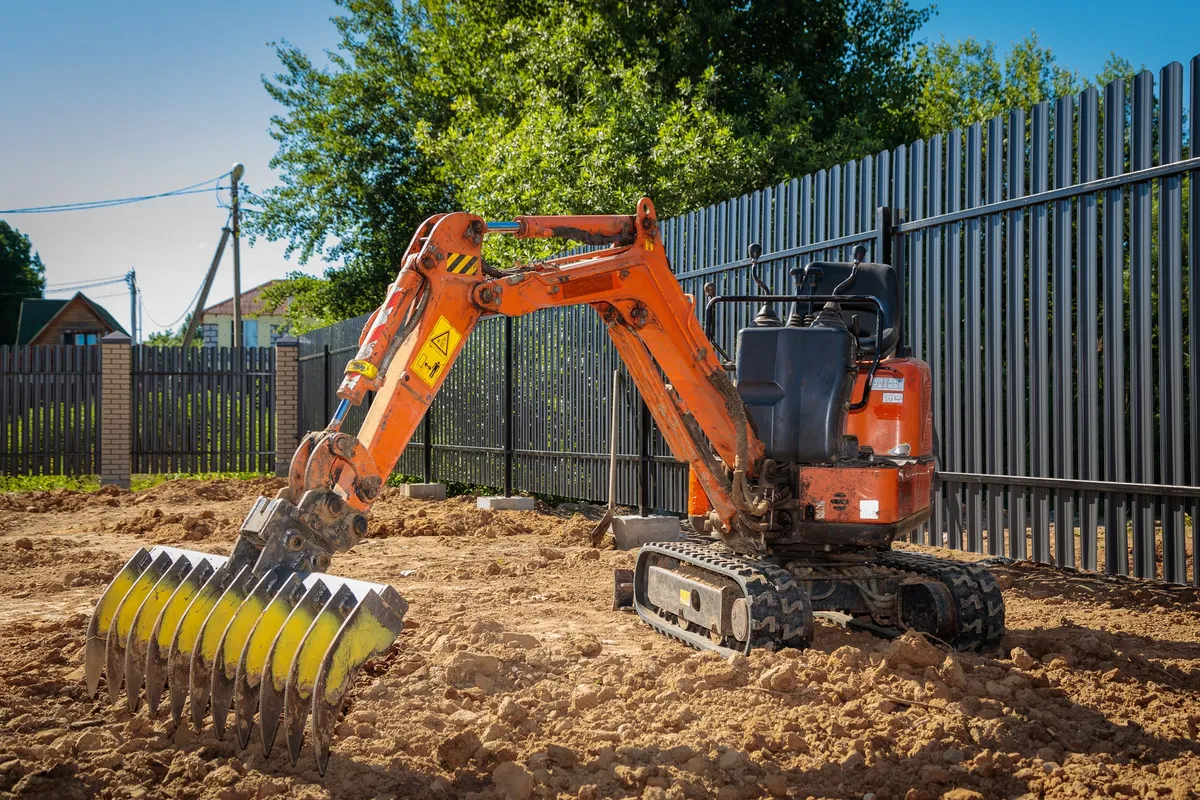
Shopping for the best mini excavator sounds straightforward until you’re standing in front of a lineup of compact diggers with a budget in one hand and a project list in the other. The machine that’s right for a landscaping crew digging irrigation lines is not the same machine a contractor needs for foundation work or utility trenching. Getting this decision right saves money, time, and a lot of frustration on the job site.
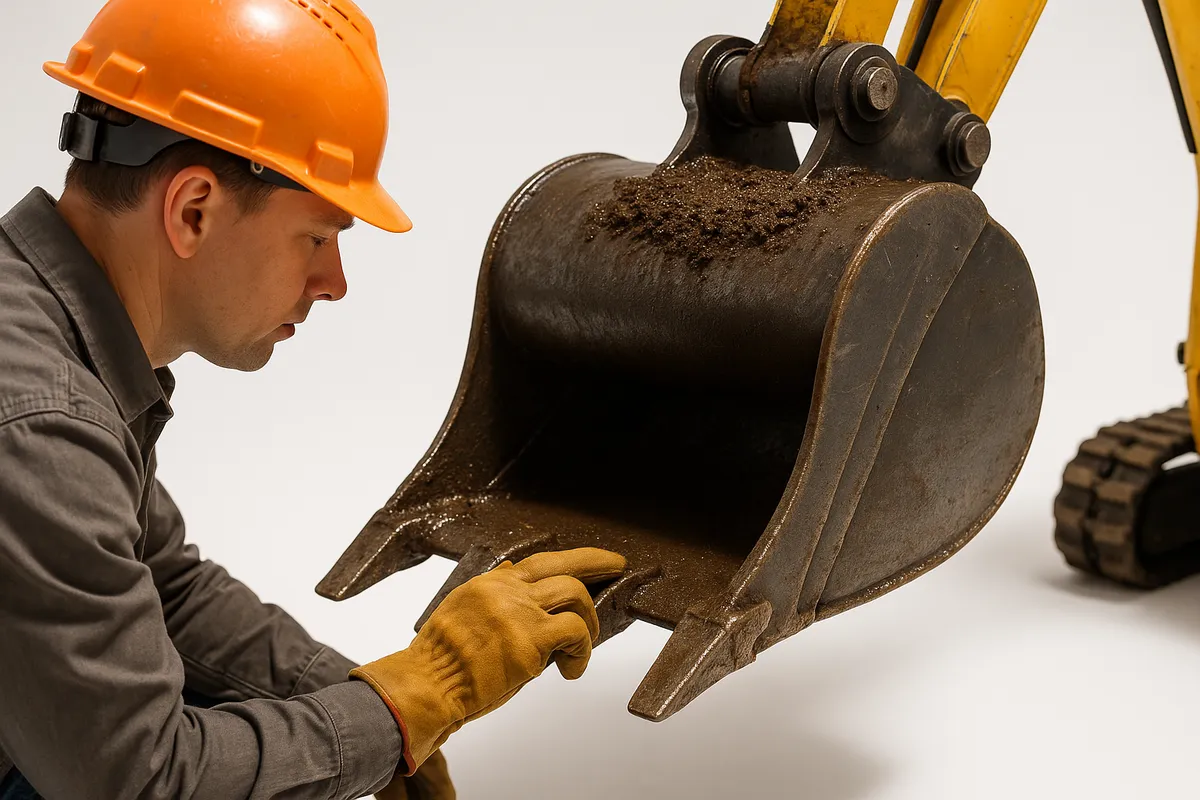
Size Isn’t Just a Number, It’s the Whole Strategy
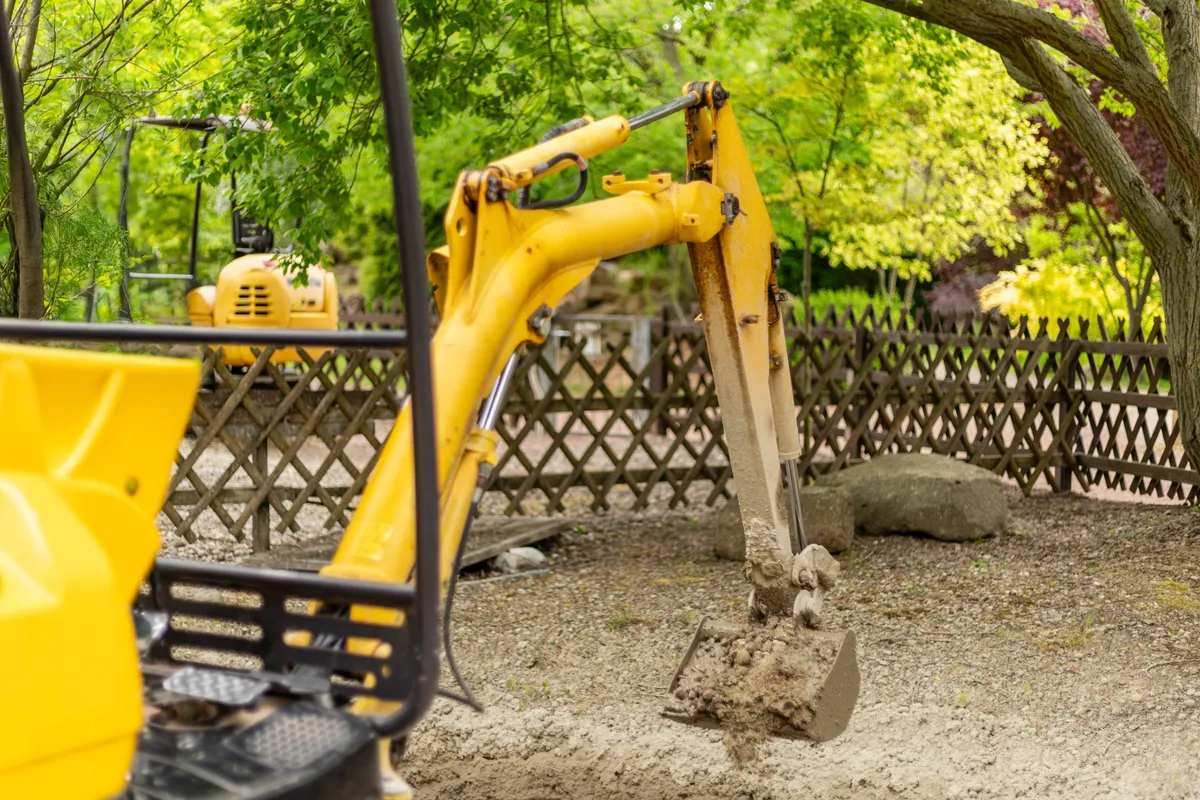
Most buyers focus on price first and machine size second. That’s usually backwards. The operating weight and dig depth of a compact excavator should drive every other decision you make. A 1-ton machine handles tight residential spaces and soft soil beautifully. A 2,500-pound machine gives you more reach, more bucket force, and the ability to take on harder ground without straining the hydraulics.
Think about the tightest access point on your job site. Can a standard machine get through a backyard gate? Will you be working near structures where a larger tail swing could cause damage? These aren’t hypothetical questions, they’re the difference between finishing a job cleanly and spending half your day repositioning equipment. If you’re working across a variety of small-scale construction projectshaving the right size from the start keeps your schedule intact.
Typhon Machinery offers a detailed breakdown of mini excavator sizes and how to match them to your projectwhich is worth reviewing before you commit to anything.
What the Spec Sheet Won’t Tell You
Horsepower and bucket capacity get all the attention in product listings. What buyers often overlook are the details that determine how comfortable and productive a machine actually is over a full workday.
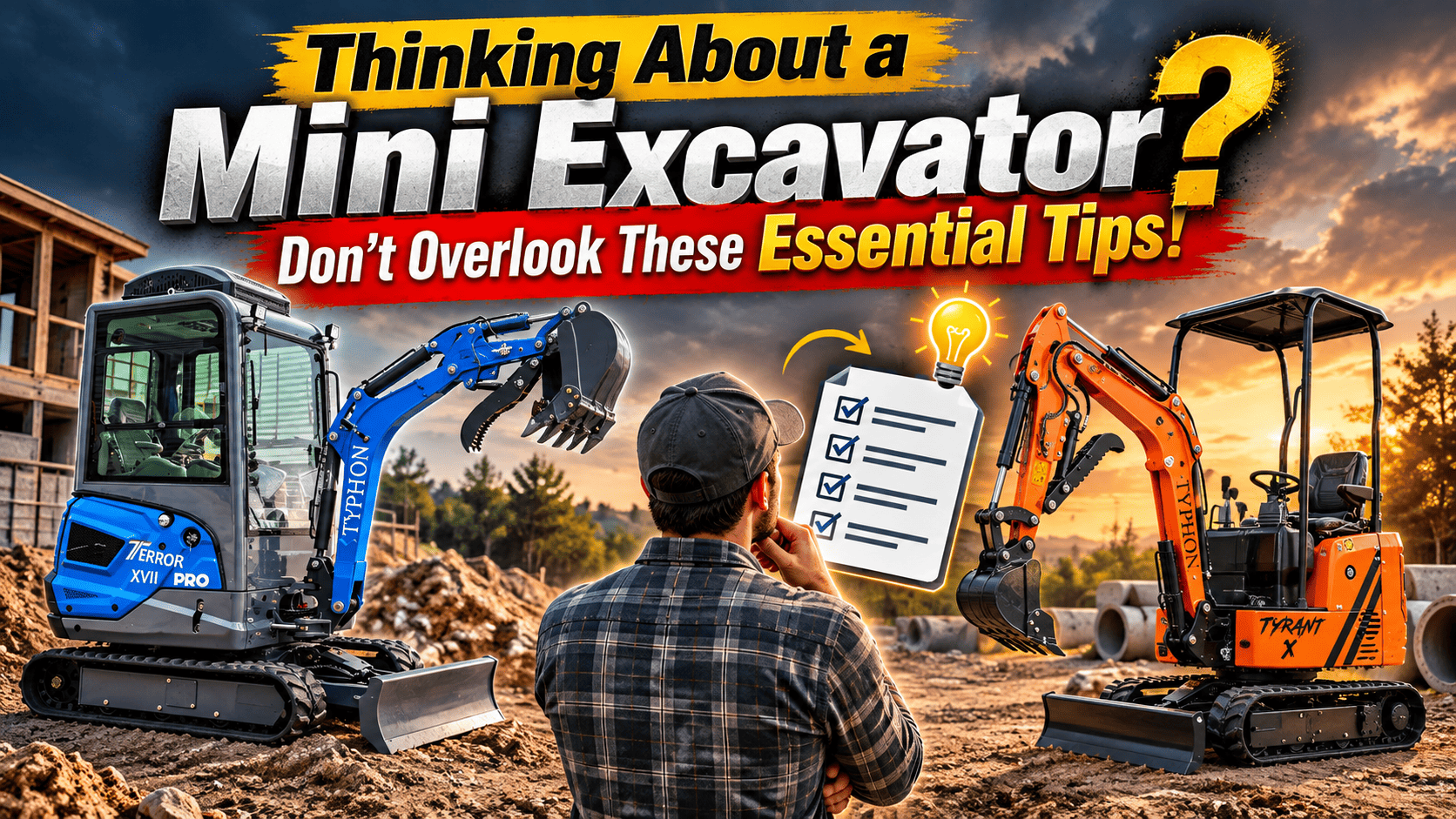
Operator comfort matters more than most people admit. A canopy protects you from sun and light rain, but a full cabin changes the experience entirely, especially on longer jobs or in unpredictable weather. The Typhon Terror X, for example, comes with a full cabin and a 380mm wide bucket, built for digging, drilling, and bulldozing across gardens, farms, parks, and road work. The Typhon Terror X Storm offers a canopy configuration for buyers who want that open-air feel without sacrificing overhead protection.
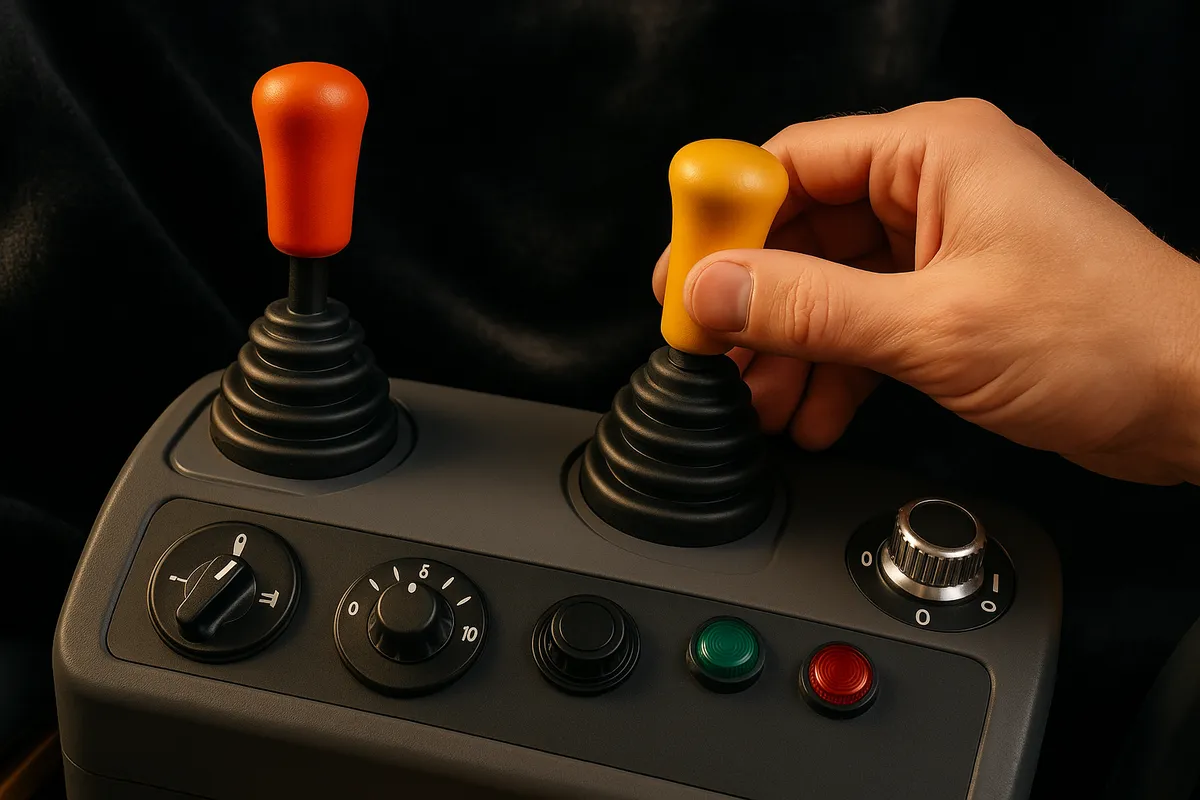
Control layout is another overlooked factor. Operators who’ve spent time on one control pattern often struggle to adapt to another under pressure. Before you buy, make sure the machine you’re considering matches how your team actually works. A few minutes of confusion during a precision dig can cost you far more than the price difference between two models.
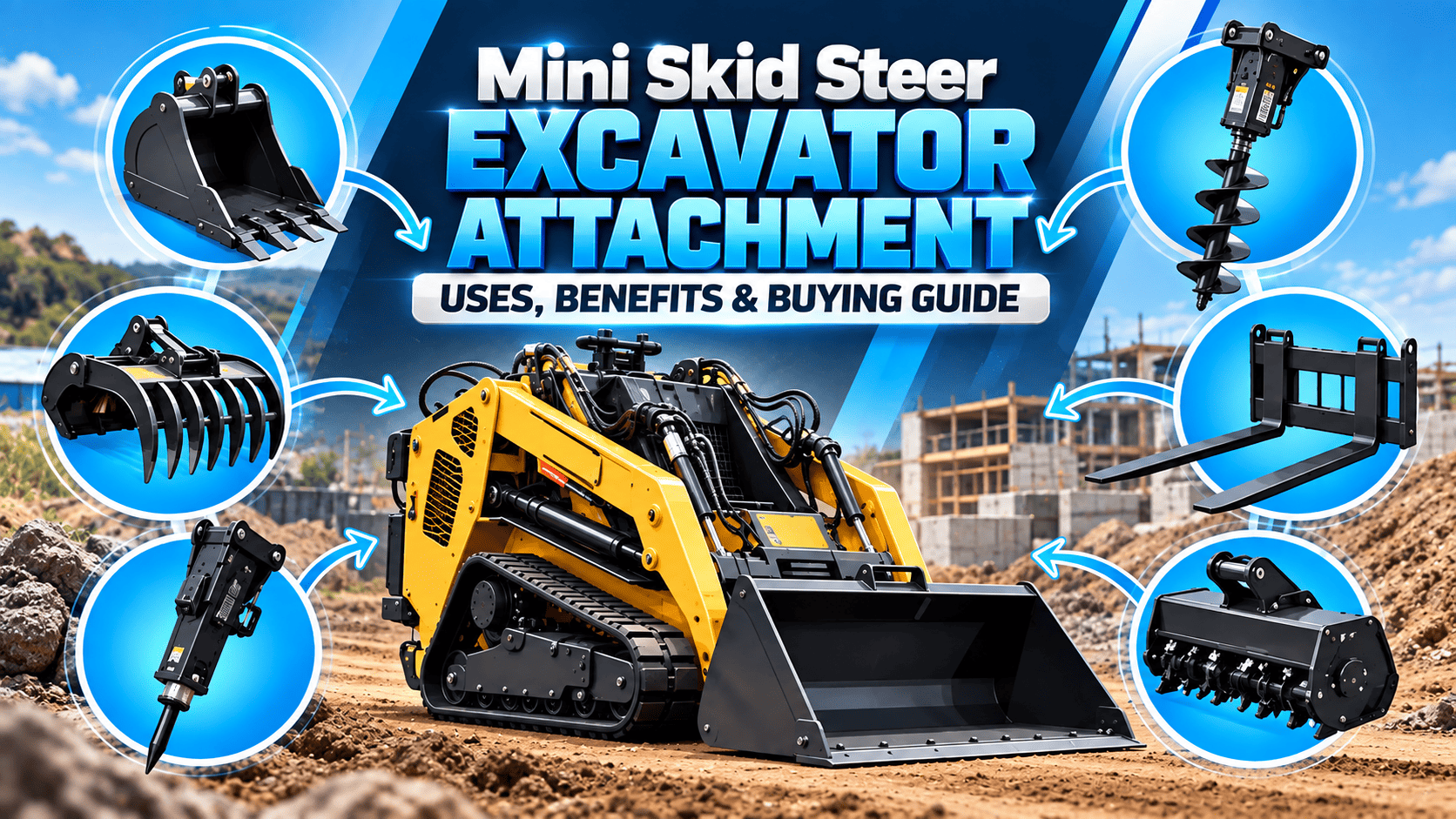
Attachment compatibility is the third thing buyers frequently ignore until it’s too late. Augers, hydraulic thumbs, compaction wheels, if you plan to run these, confirm the auxiliary hydraulic flow rates before signing anything.
New vs. Used: The Honest Trade-Off
Used compact diggers can look like a bargain on paper. Sometimes they are. More often, buyers discover that deferred maintenance, worn undercarriage components, and outdated hydraulic systems turn a “deal” into an ongoing expense. Hours on the meter tell part of the story, but the maintenance history tells the rest, and that documentation isn’t always available.
Buying new from a reputable dealer gives you a known starting point. You know what the machine has and hasn’t been through. Customers who’ve gone through Typhon Machinery frequently mention how much they appreciate the straightforward buying process and the confidence that comes with knowing exactly what they’re getting. That peace of mind has real value, especially for contractors who can’t afford unexpected downtime mid-project.
If budget is a genuine constraint, financing is worth exploring. Spreading the cost of a new machine over manageable payments often makes more sense than absorbing repair bills on aging equipment. Typhon offers financing options that make newer, more capable machines accessible without a massive upfront outlay.
Matching the Machine to the Work, Not the Other Way Around
One of the most common mistakes buyers make is falling in love with a machine and then trying to fit their projects around it. The smarter approach runs in the opposite direction. Start with your most demanding regular job and work backwards from there.
If your work involves trenching for utilities, you need dig depth and bucket width that can handle the required dimensions without multiple passes. If landscaping and grading dominate your schedule, maneuverability and blade control matter more than raw dig force. If you’re splitting time between both, a mid-range 1-to-2-ton machine with good attachment versatility is usually the practical answer.
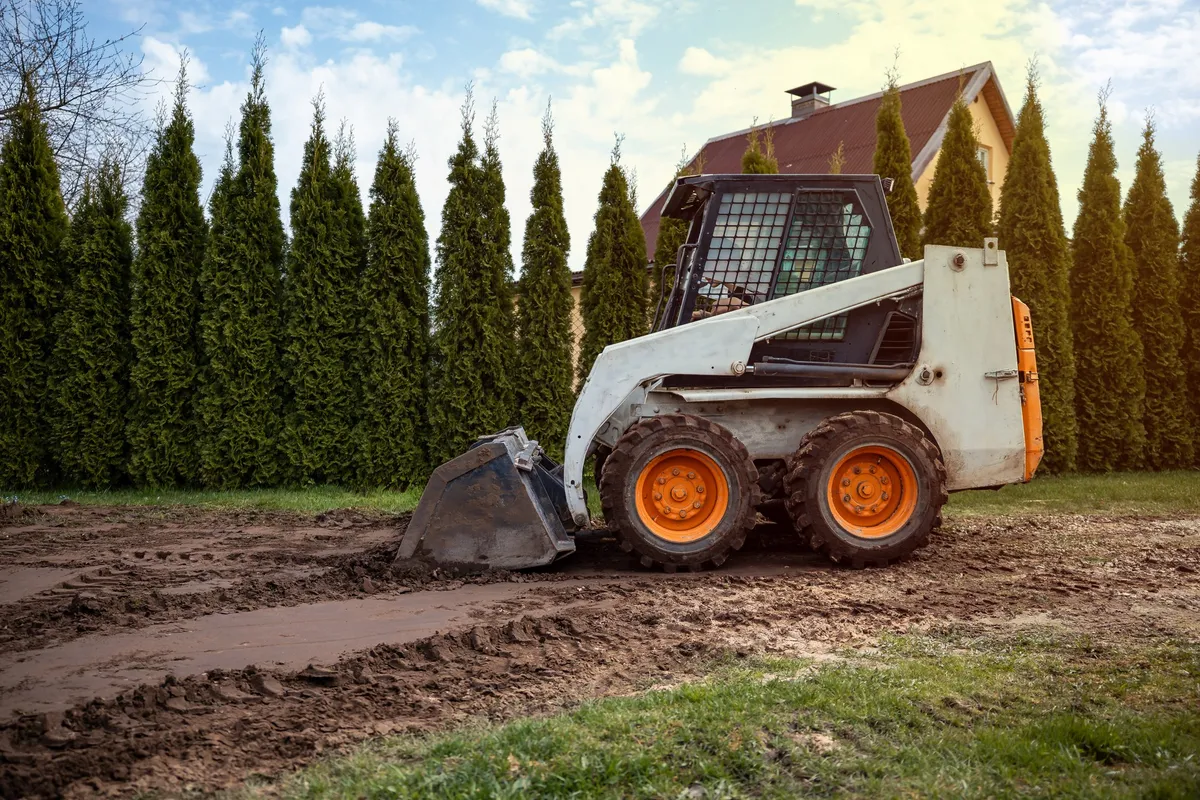
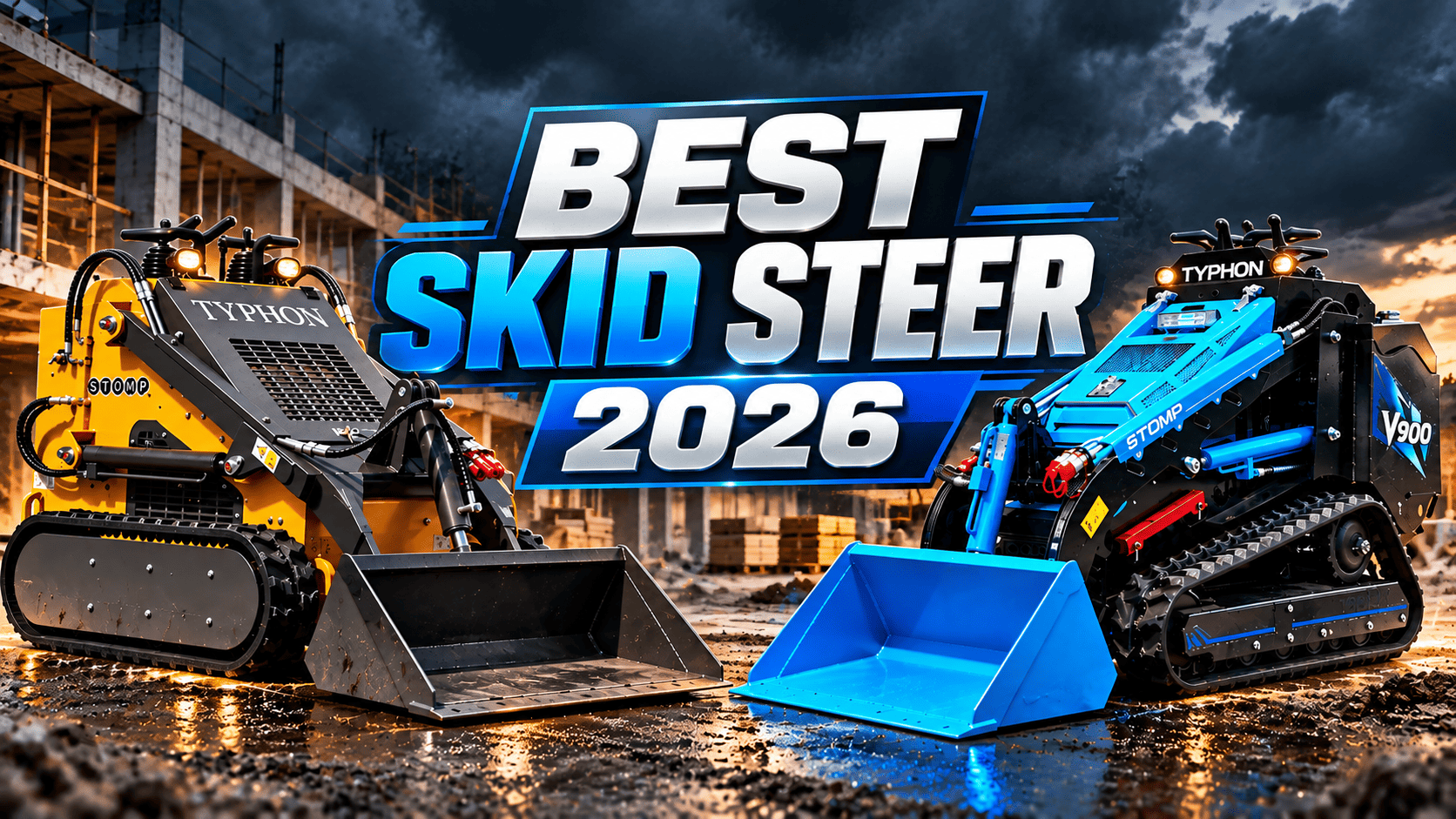
It’s also worth thinking honestly about whether a compact excavator is the right tool at all, or whether a skid steer might serve certain jobs better. The two machines complement each other well on larger sites, but for tight digging work with depth requirements, a compact excavator wins almost every time.
Browse the full mini excavator inventory to compare models side by side and find the machine that actually fits your workload, not just your wishlist.
Frequently Asked Questions
How do I know if a 1-ton or 2,500-pound machine is the right fit for my job site?
The article points to two deciding factors: the tightest access point on your site and the hardness of the ground you’re digging. A 1-ton machine handles soft soil and tight residential spaces like backyard gate access, while a 2,500-pound machine gives you more reach and bucket force for harder ground without straining the hydraulics. Start with those two conditions before you look at price or anything else on the spec sheet.
What’s the real difference between a canopy and a full cabin, and does it actually matter?
A canopy gives you overhead protection from sun and light rain, while a full cabin changes the experience entirely on longer jobs or in unpredictable weather. The Typhon Terror X comes with a full cabin, while the Typhon Terror X Storm offers the canopy setup for operators who prefer that open-air feel. If you’re running the machine for a full workday in variable conditions, that distinction matters more than most buyers expect.
What should I check on a used compact digger before buying it?
Hours on the meter only tell part of the story, the maintenance history tells the rest, and that documentation isn’t always available with used equipment. Worn undercarriage components and outdated hydraulic systems are common issues that turn an apparent bargain into an ongoing repair expense. If you can’t verify the full maintenance record, the risk of unexpected downtime mid-project is real.
If I plan to run attachments like augers or a hydraulic thumb, what do I need to confirm before buying?
You need to verify the auxiliary hydraulic flow rates on any machine you’re considering before you sign anything. Attachment compatibility is one of the most frequently overlooked details, and discovering a mismatch after purchase means either buying a different machine or limiting what you can run. Get the specific flow rate numbers from the dealer and match them against the requirements of the attachments you plan to use.
When does it make more sense to finance a new machine rather than buy a used one outright?
When repair bills on aging equipment are unpredictable, spreading the cost of a new machine over manageable payments often works out cheaper than absorbing those costs as they hit. Typhon offers financing options that make newer machines accessible without a large upfront outlay, which matters most for contractors who can’t afford downtime between jobs. The article’s point is straightforward: a known starting point with a new machine has real value that doesn’t show up in a simple price comparison.