Skip to content
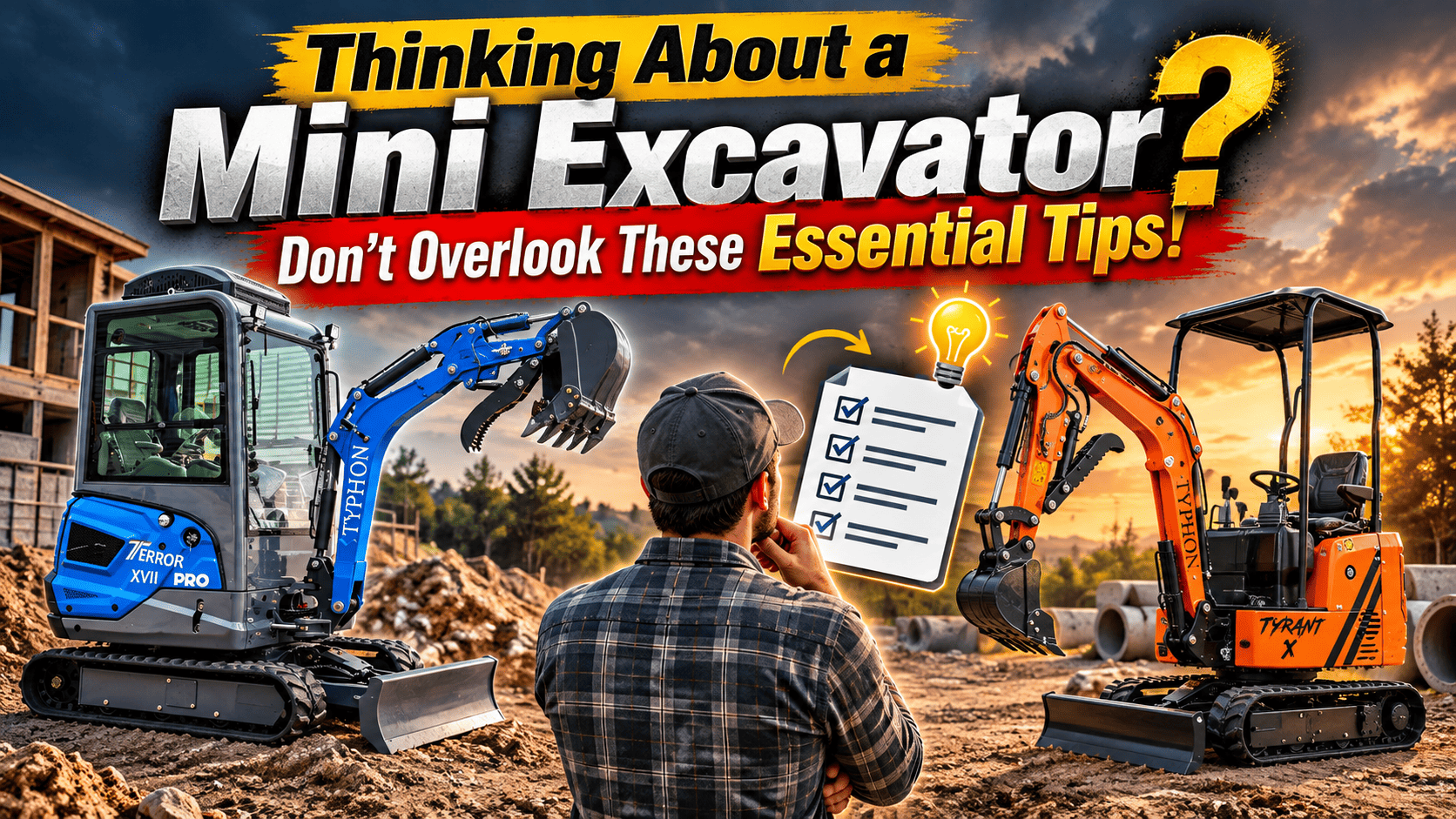
Buying compact digging equipment sounds straightforward until you’re standing in front of a machine that costs more than a used pickup truck and realizing you didn’t ask the right questions. A mini excavator is one of the most versatile pieces of equipment a contractor, landscaper, or property owner can own, but getting the most out of that investment starts long before the first bucket hits the dirt. Here’s what experienced buyers wish someone had told them earlier.
The Weight Class Question Changes Everything
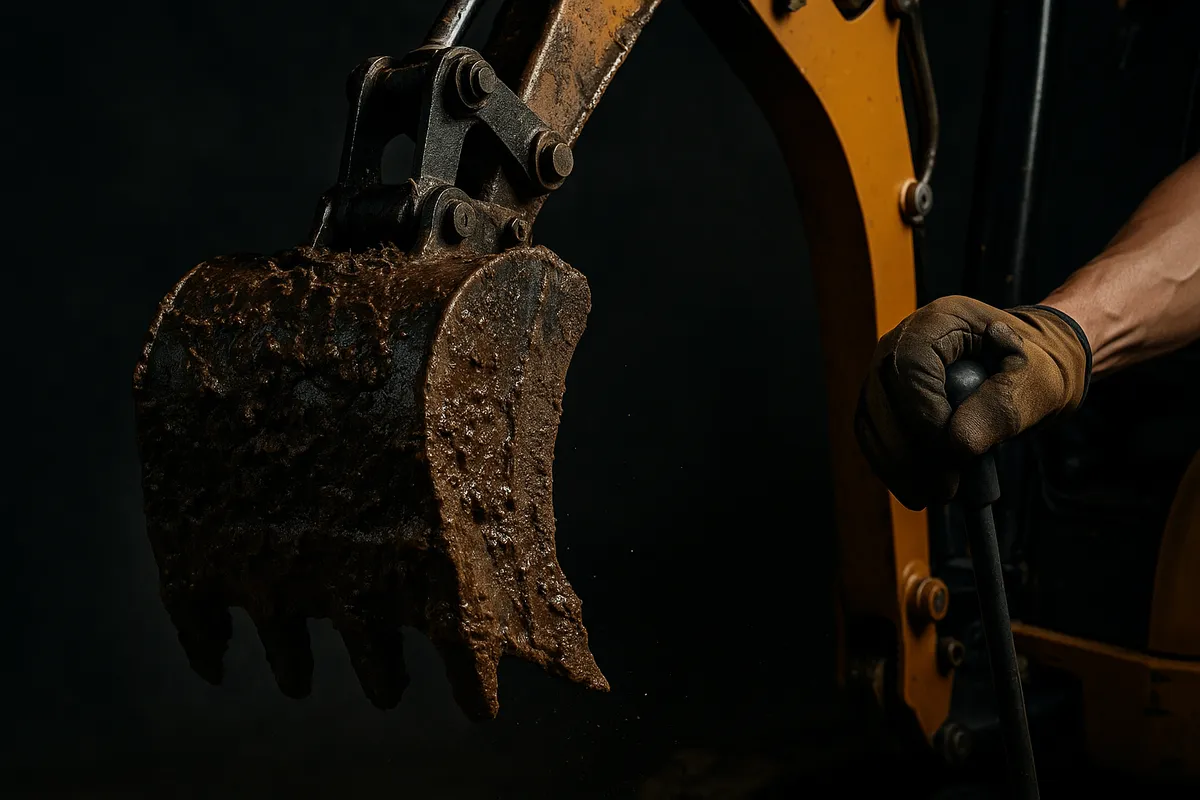
Most buyers walk in focused on horsepower. Veteran equipment operators will tell you the more important number is operating weight. The machine’s weight class determines what you can legally haul on a standard trailer, what kind of ground pressure it puts on soft soil, and whether it can fit through a backyard gate or narrow job site access point.
A one-ton compact digger, for example, is a completely different animal than a 2,500-pound machine, even if they look similar in photos. If you’re working on residential landscaping, utility trenching, or tight commercial spaces, a lighter machine often gets more done because it can actually get to the work. If you’re handling tougher excavation, road work, or farm projects, the added weight means added digging force and stability.
Before you commit to any model, map out the jobs you’ll be running it on for the next two to three years. That exercise alone will tell you more about what you need than any spec sheet comparison.
If you want a closer look at how size translates to real-world capability, this breakdown of what a 1-ton compact digger actually looks like in practice is worth a few minutes of your time.
Attachments Are Where the Real Value Lives
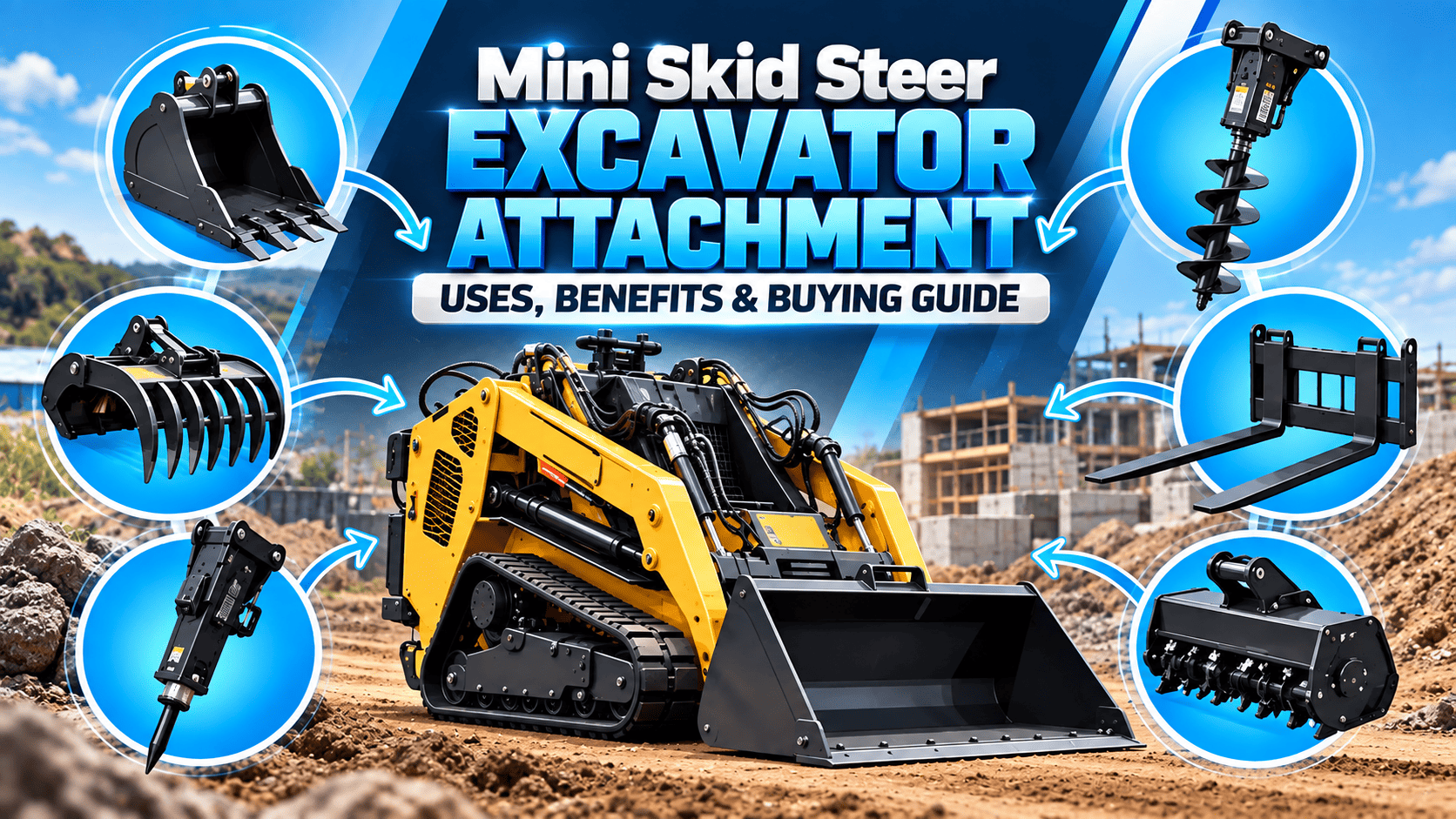
A bare machine with a standard bucket is only half the story. The reason compact excavators have taken over so many job sites is their ability to swap between attachments quickly, augers, hydraulic breakers, grading blades, compaction wheels, and more. The machine itself is almost like a platform, and the attachments are what make it earn its keep across different types of work.
The mistake buyers make here is purchasing a machine without checking attachment compatibility first. Not every compact digger accepts the same coupler system, and not every auxiliary hydraulic setup delivers the flow rate that certain attachments require. Buying a hydraulic hammer and then discovering your machine can’t power it properly is an expensive lesson.
Before finalizing any purchase, ask specifically about auxiliary hydraulic flow and pressure ratings, and confirm the coupler style. If you’re planning to run a variety of tools, this guide covering essential attachments for compact excavators lays out exactly what’s worth having and why.
Cabin vs. Canopy, More Than a Comfort Decision
Some buyers treat this as a luxury question. It isn’t. Whether a machine comes with a full enclosed cabin or an open canopy affects operator fatigue, year-round usability, and in some cases, resale value.
If you’re running equipment in cold weather, wet conditions, or on long daily shifts, a cabin-equipped machine keeps operators productive and safe. Canopy models work well in mild climates and shorter work sessions, and they typically come in at a lower price point. Neither is universally better, it depends entirely on how and where the machine gets used.
Typhon Machinery offers both configurations across its product lineup. The TYPHON Terror X comes with a full cabin for operators who need that enclosed protection, while the TYPHON Terror X Storm runs a canopy setup at a lighter weight class, a solid option for landscaping, garden work, and farm applications where full enclosure isn’t a priority.
Customers who’ve worked with Typhon Machinery consistently point to the straightforward buying process and the ability to get real answers about which configuration fits their specific situation, not just a push toward the most expensive option on the lot.
Don’t Skip the Ownership Costs Conversation
Purchase price is the number everyone focuses on. Operating costs are the number that actually determines whether the machine was a smart buy. Track wear, hydraulic fluid intervals, filter replacements, undercarriage inspections, these aren’t optional line items. They’re the difference between a machine that holds its value and one that starts costing you money at the worst possible time.
Compact diggers are generally lower maintenance than their full-size counterparts, but they’re not maintenance-free. Rubber tracks, in particular, wear faster on hard surfaces like asphalt and concrete. If your work involves a lot of pavement running, steel tracks or track pads may be worth the conversation at purchase time.
Getting familiar with your machine’s service intervals before problems show up is the smartest thing a new owner can do. These tips for maximizing compact excavator performance cover the operational habits that protect the machine long-term, not just how to run it, but how to run it right.
If financing is part of the picture, it’s worth exploring flexible options early rather than after you’ve already fallen in love with a specific model. Typhon Machinery offers financing options that make it easier to match the right machine to your budget without compromising on the features that actually matter for your work.
The buyers who end up happiest with their compact equipment purchases are almost always the ones who slowed down, asked better questions, and thought past the sticker price. Do that, and the machine pays for itself faster than you’d expect.
Frequently Asked Questions
How do I know if my trailer can legally haul the compact digger I’m looking at?
Operating weight is the number to check first, not horsepower, because it determines what you can legally pull on a standard trailer without needing a special permit or a heavier tow setup. A machine in the one-ton range and a 2,500-pound machine can look nearly identical in photos but put you in completely different situations at a weigh station or on a residential job site. Before you buy, confirm the machine’s operating weight and compare it against your trailer’s rated capacity and your tow vehicle’s limits.
What should I ask the dealer about hydraulics before I commit to a machine?
Ask specifically about auxiliary hydraulic flow rate and pressure ratings, because those two numbers determine which attachments the machine can actually power properly. Buying a hydraulic hammer or auger and then finding out your machine can’t deliver the flow it needs is an expensive mistake that happens more than buyers expect. Get those specs in writing and cross-reference them against the requirements of any attachment you’re planning to run.
Is a full cabin really worth the extra cost, or is it just a comfort upgrade?
It’s not just about comfort, a full enclosed cabin affects how many months a year the machine stays productive and how fatigued operators get on long daily shifts in cold or wet conditions. If you’re running the machine through winter or in rainy climates, a canopy setup can cut into your usable working days and push operators to quit earlier in the day. If you’re doing lighter landscaping or farm work in mild weather, a canopy model at a lower price point may cover everything you need.
How much should I budget for ongoing maintenance beyond the purchase price?
The article doesn’t give a specific dollar figure, but it flags track wear, hydraulic fluid intervals, filter replacements, and undercarriage inspections as the costs that actually determine whether the machine was a smart buy long-term. Rubber tracks wear down faster if you’re running the machine on asphalt or concrete regularly, so if that’s your situation, ask the dealer about steel tracks or track pads at purchase time rather than after the rubber is already shot. Getting familiar with the service intervals before problems show up is the move, not after something breaks.
How far out should I be thinking about the jobs I’ll use this machine for?
The article recommends mapping out the work you’ll be running it on for the next two to three years before committing to any model, because that exercise tells you more about what you actually need than comparing spec sheets side by side. A lighter machine might get more done on residential and utility work simply because it can reach the job site through a backyard gate or tight access point, while heavier machines bring the digging force needed for tougher excavation or farm projects. Skipping that exercise is usually why buyers end up with a machine that’s either too small for the work or too big to get where the work is.
Get Directions to Typhon Machinery
🎧 Listen to this as a podcast
Also on Apple Podcasts, Spotify, and Amazon Music.