Skip to content
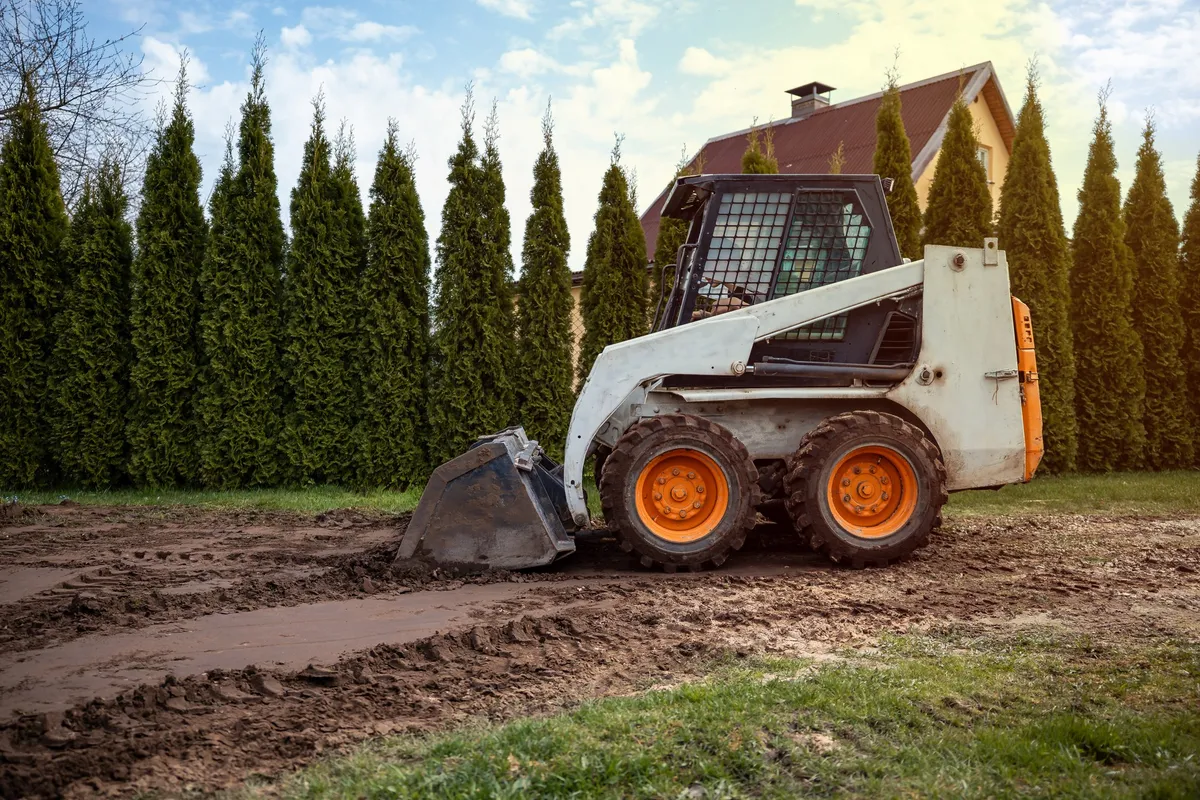
There’s a reason contractors keep coming back to the same piece of equipment job after job, and if you’ve ever watched a mini skid steer loader work through a tight backyard, a crowded job site, or a narrow corridor that a full-size machine couldn’t touch, you already know what that reason is. These compact machines punch well above their weight class, and for a growing number of operators, they’ve become the first piece of equipment loaded onto the trailer in the morning.
But owning one and actually getting the most out of one are two very different things. Let’s talk about what separates operators who maximize their efficiency from those who leave productivity on the table.
Small Footprint, Serious Output
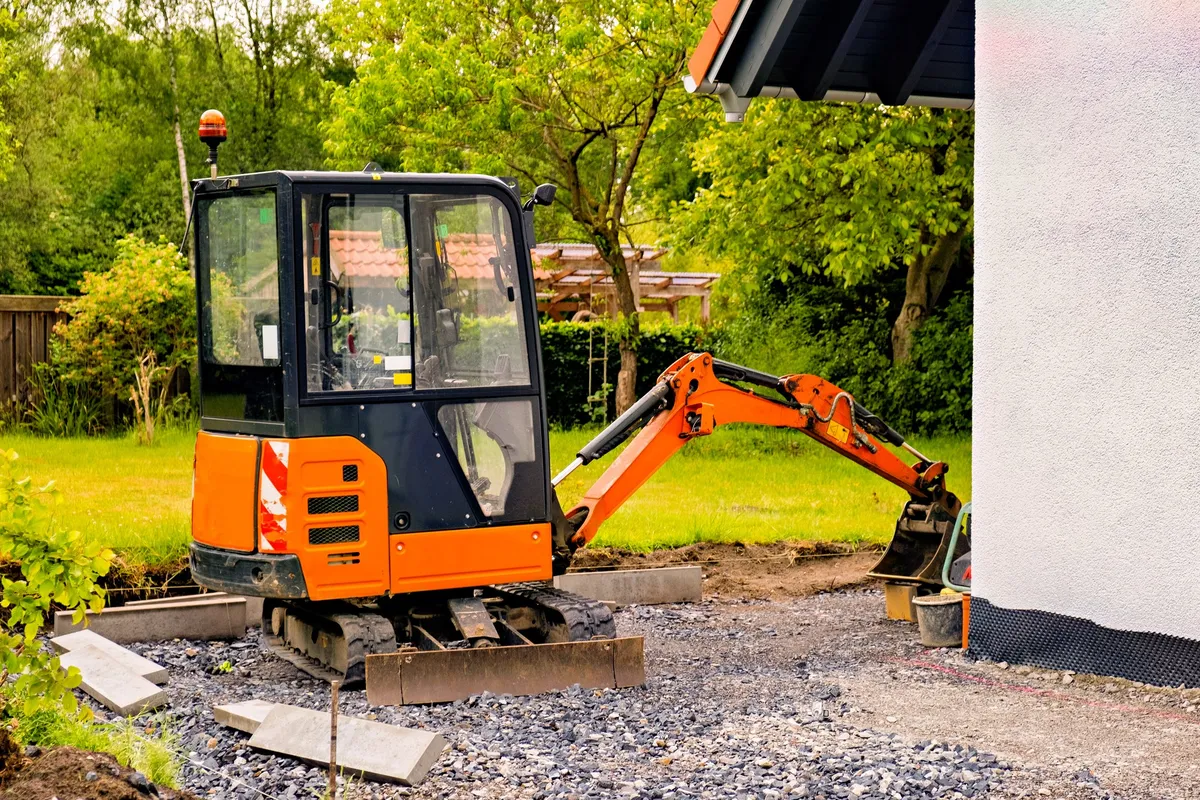
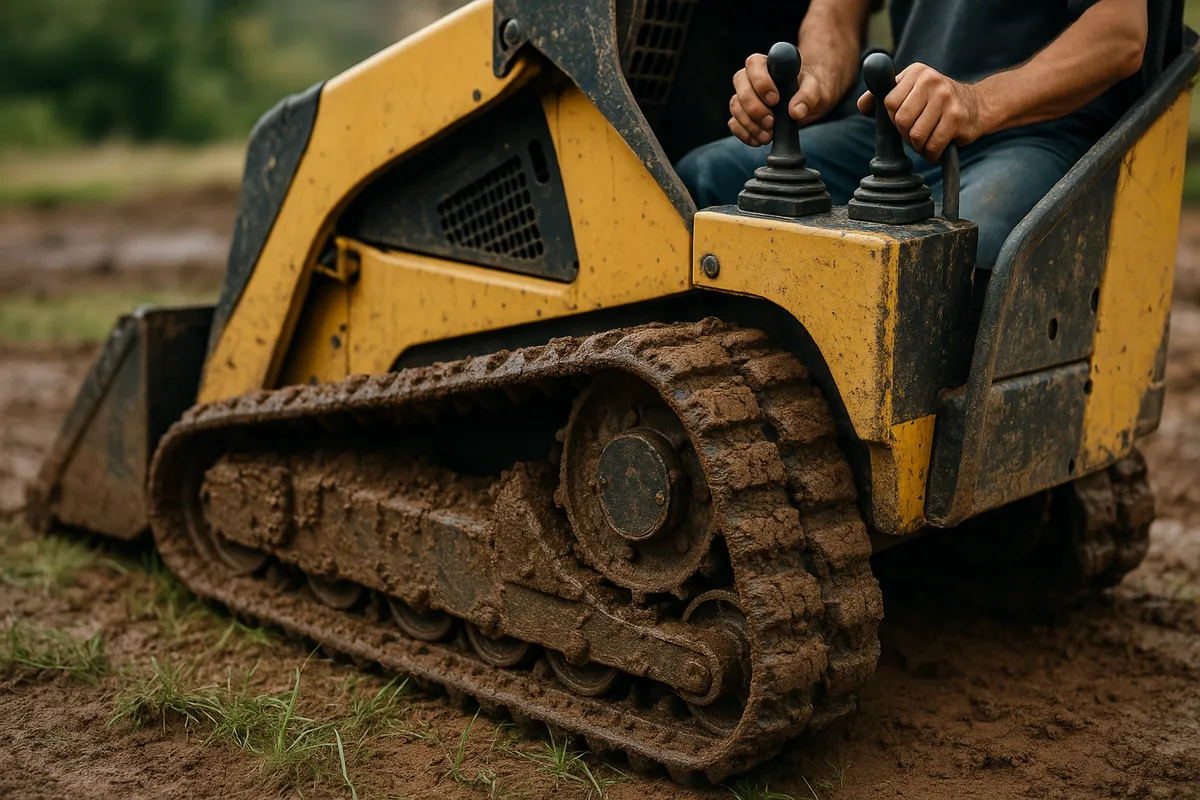
The biggest misconception about compact stand-on machines is that their size limits what they can accomplish. It doesn’t. What their size actually does is open doors, sometimes literally. These machines can access gated yards, narrow alleyways, interior spaces, and landscaped areas where a larger machine would cause more damage than it fixes.
For landscapers, utility contractors, and residential construction crews, that access is worth real money. You’re not hand-digging, you’re not renting specialty equipment for a single task, and you’re not sending a crew of three to do what one operator and one machine can handle. If you’ve ever wondered just what you can do with a compact stand-on machinethe honest answer is: more than most people expect.
The key is matching the machine’s capability to the job scope from the start. Operators who treat these machines like a smaller version of a full-size loader tend to underuse them. Operators who understand their specific strengths, maneuverability, attachment versatility, low ground disturbance, get dramatically more done per hour.
Attachments Are Where the Real Efficiency Lives
A stand-on compact machine without the right attachments is like a truck without a trailer. The base machine gets you there, the attachments are what actually do the work. This is where a lot of buyers leave money on the table. They purchase the machine, run it with a bucket for six months, and never realize they’ve been doing things the hard way.
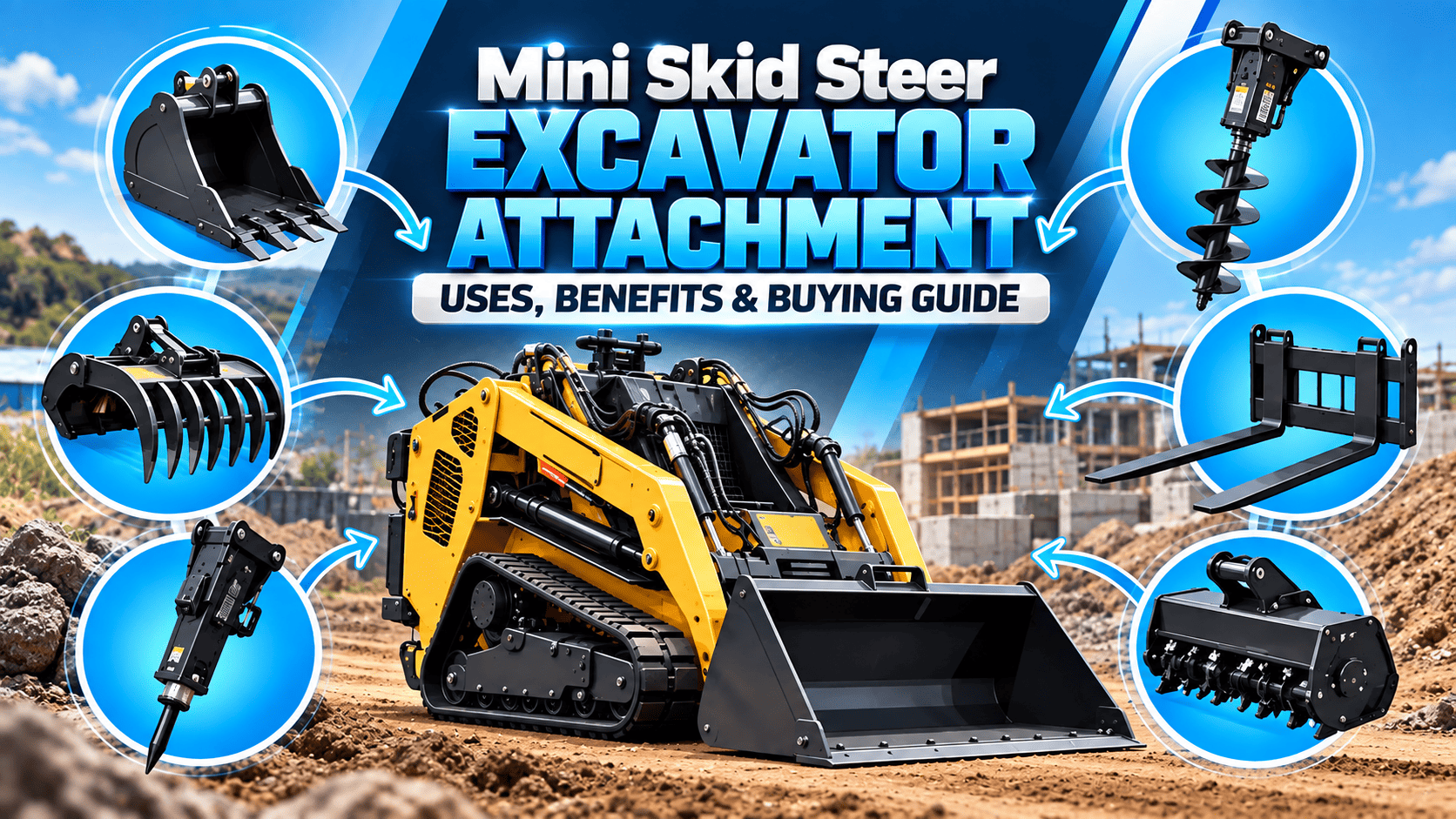
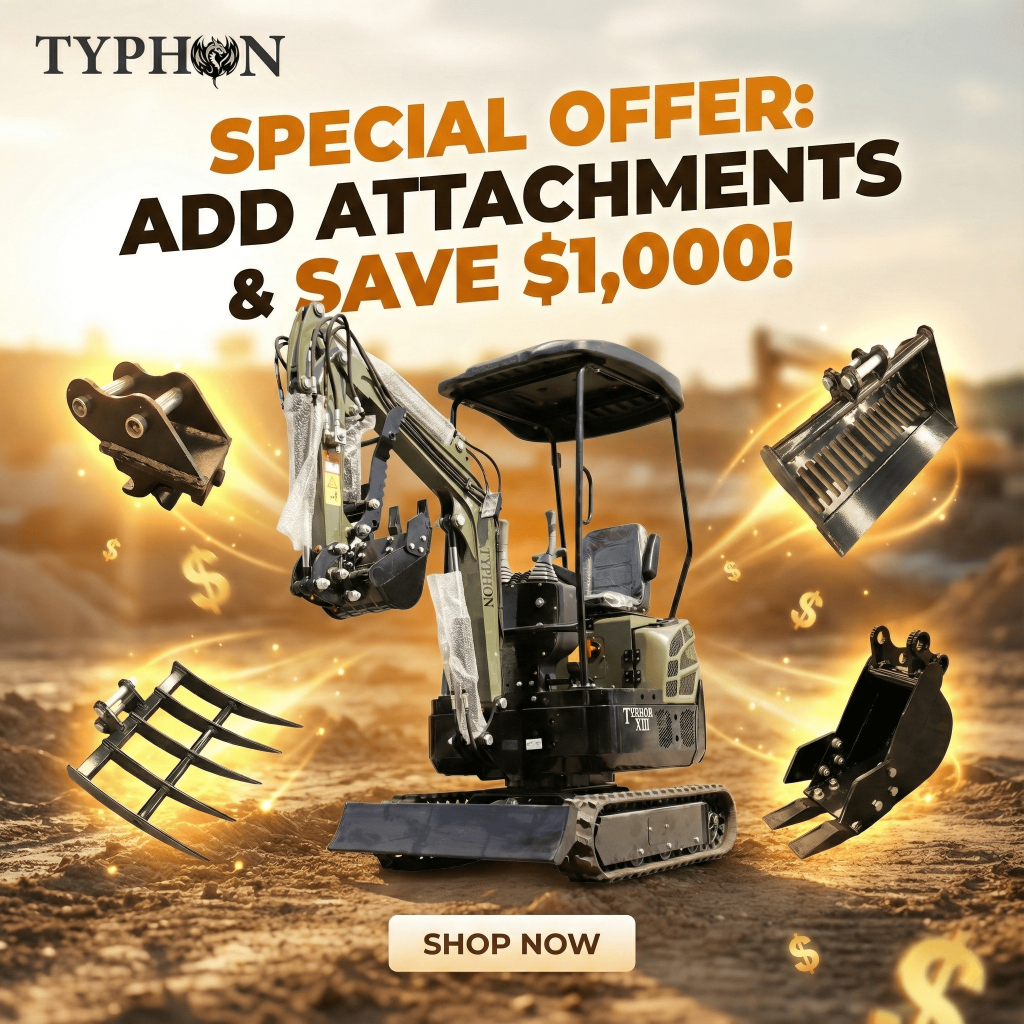
Augers, trenchers, brush cutters, pallet forks, grapple buckets, stump grinders, the right tool for the right job isn’t just a saying, it’s the difference between a one-day project and a three-day project. Typhon Machinery carries a wide range of attachments designed to boost your efficiency on the job siteand the variety available today means most contractors can cover multiple trades with a single machine.
Before you buy an attachment, think about your most common job types and work backward. What task is eating the most time? What are you currently doing by hand that a hydraulic attachment could handle in a fraction of the time? Those answers should drive your attachment decisions more than anything else.
Maintenance Isn’t Optional, It’s Part of the Efficiency Equation
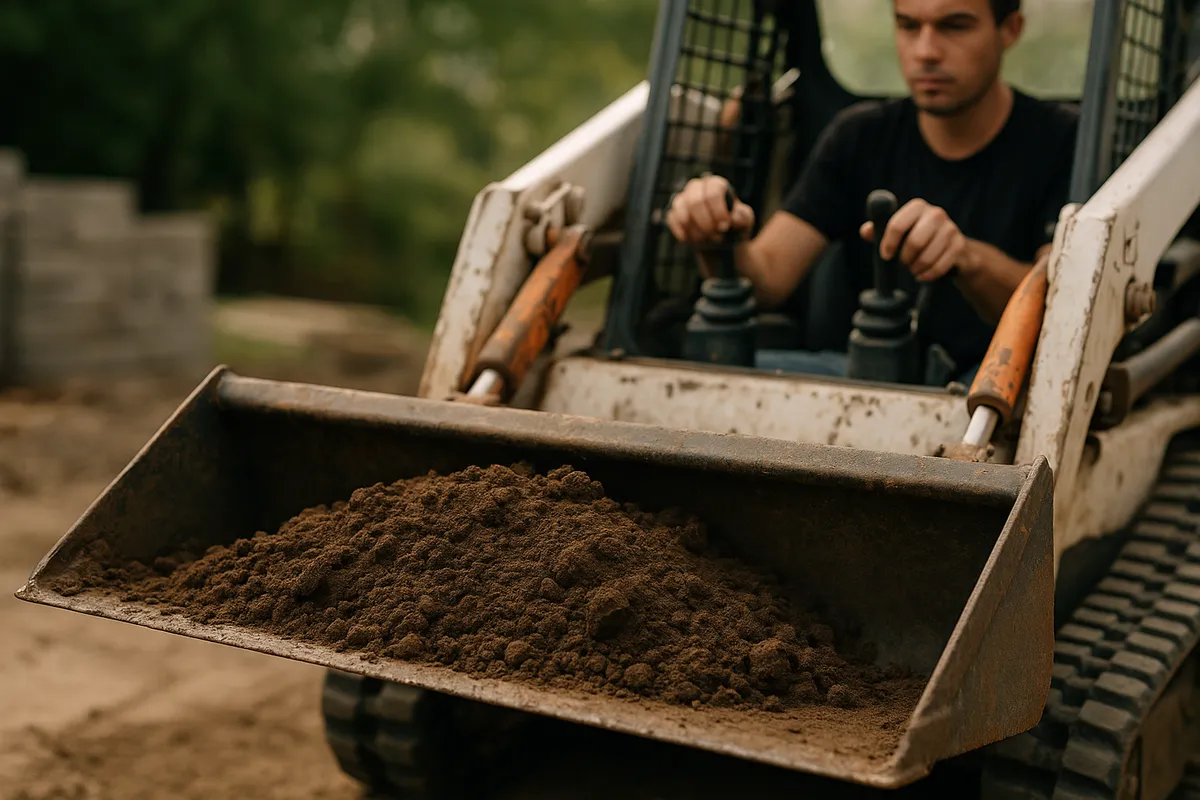
Here’s something experienced operators know that newer buyers often learn the hard way: a machine that’s down for repairs isn’t efficient at all. Skipping routine maintenance to squeeze more hours out of a machine is one of the fastest ways to turn a profitable piece of equipment into an expensive problem.
Fluid checks, filter changes, track tension, hydraulic system inspections, these aren’t just manufacturer suggestions. They’re the difference between a machine that runs strong for years and one that starts showing expensive problems well before its time. Following a structured maintenance checklist for compact loaders keeps small issues from becoming big ones and protects your investment over the long haul.
Customers who work with Typhon Machinery consistently mention how much they value having access to clear guidance on keeping their machines running properly, not just at the point of sale, but as an ongoing resource. That kind of support matters when you’re running a machine hard day after day.
Buying Smart From the Start Saves You Later
Efficiency doesn’t start when the machine arrives on the job site. It starts when you make the purchase decision. Buying the wrong size machine, the wrong horsepower rating, or a unit without the hydraulic flow to run your preferred attachments will cost you far more in lost productivity than the difference in purchase price ever would have saved.
Take the time to think through your typical job requirements. What’s the heaviest load you’ll regularly move? What attachments do you plan to run, and what hydraulic flow do they require? Will you be working primarily on hard surfaces or soft ground? These aren’t complicated questions, but they’re the ones that separate a smart purchase from a regrettable one.
If you’re still working through those questions, this guide to choosing the right compact stand-on machine walks through the decision-making process in practical terms. And if you’re ready to browse available inventory, Typhon Machinery’s compact loader lineup is a solid place to start, with financing options available for qualified buyers who want to get to work without tying up capital.
The bottom line is straightforward: the right machine, equipped properly, maintained consistently, and matched to the right jobs, will pay for itself faster than almost any other piece of equipment a contractor can own. That’s not marketing, that’s just what the numbers look like when you run them.
Frequently Asked Questions
What kinds of jobs actually benefit from using a compact stand-on machine instead of doing the work by hand or renting something bigger?
Gated yards, narrow alleyways, interior spaces, and landscaped areas where a full-size machine would cause damage are exactly where these units earn their keep. Instead of sending a crew of three to hand-dig or haul material, one operator with the right machine handles it, and that difference in labor cost adds up fast across a season.
Which attachments are worth buying first if I’m just getting started with one of these machines?
Work backward from your most time-consuming tasks, whatever you’re currently doing by hand or hiring out is the first attachment you should look at. Augers, trenchers, brush cutters, pallet forks, grapple buckets, and stump grinders are all common options, and the right one can turn a three-day project into a one-day project.
How do I know if a machine has enough hydraulic flow to run the attachments I want?
Before you buy, check the hydraulic flow requirements for the specific attachments you plan to run and compare that against the machine’s rated output, buying a unit that can’t supply enough flow means your attachments won’t perform the way they’re supposed to. This is one of the purchase decisions that costs operators more in lost productivity than the price difference between machines ever would have saved.
What maintenance tasks actually matter most for keeping one of these machines running reliably?
Fluid checks, filter changes, track tension, and hydraulic system inspections are the core items, skipping any of them to squeeze more hours out of the machine is how small problems turn into expensive ones. A machine that’s sitting down for repairs isn’t producing anything, so consistent maintenance is part of the efficiency equation, not separate from it.
Is there a point where a compact stand-on machine just isn’t the right tool for the job?
Yes, operators who treat these machines like a smaller version of a full-size loader tend to underuse them and sometimes push them into applications they’re not built for. The smart move is matching the machine’s capability to the actual job scope from the start, which means being honest about the heaviest loads you’ll regularly move and the ground conditions you’ll mostly be working on.
Get Directions to Typhon Machinery
🎧 Listen to this as a podcast
Also on Apple Podcasts, Spotify, and Amazon Music.