Skip to content
Best Mini Excavator Models for Sale in the USA: 2026 Buyer’s Guide
If you’ve started shopping for a mini excavator, you already know the problem: dozens of brands, a dozen size classes, and every listing claiming to be the “best” choice.
The truth is simpler than it looks. The right machine comes down to a handful of practical questions—how tight is your work area, how deep do you need to dig, how will you transport the machine, what attachments will you use, and what can you reasonably spend.
This guide walks through those decisions in plain language, looks at some of the mini excavator brands and models sold in the U.S. market, and gives you a framework for comparing options without getting lost in spec sheets.
What Is a Mini Excavator?
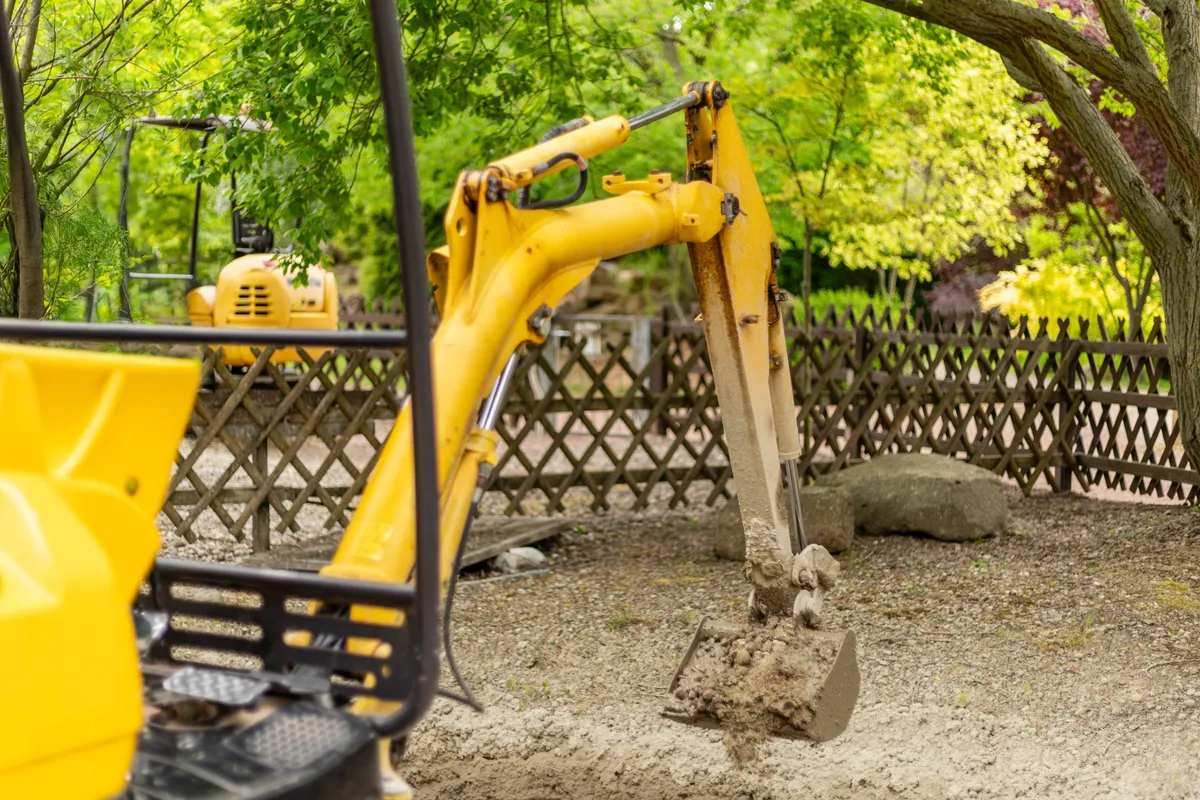
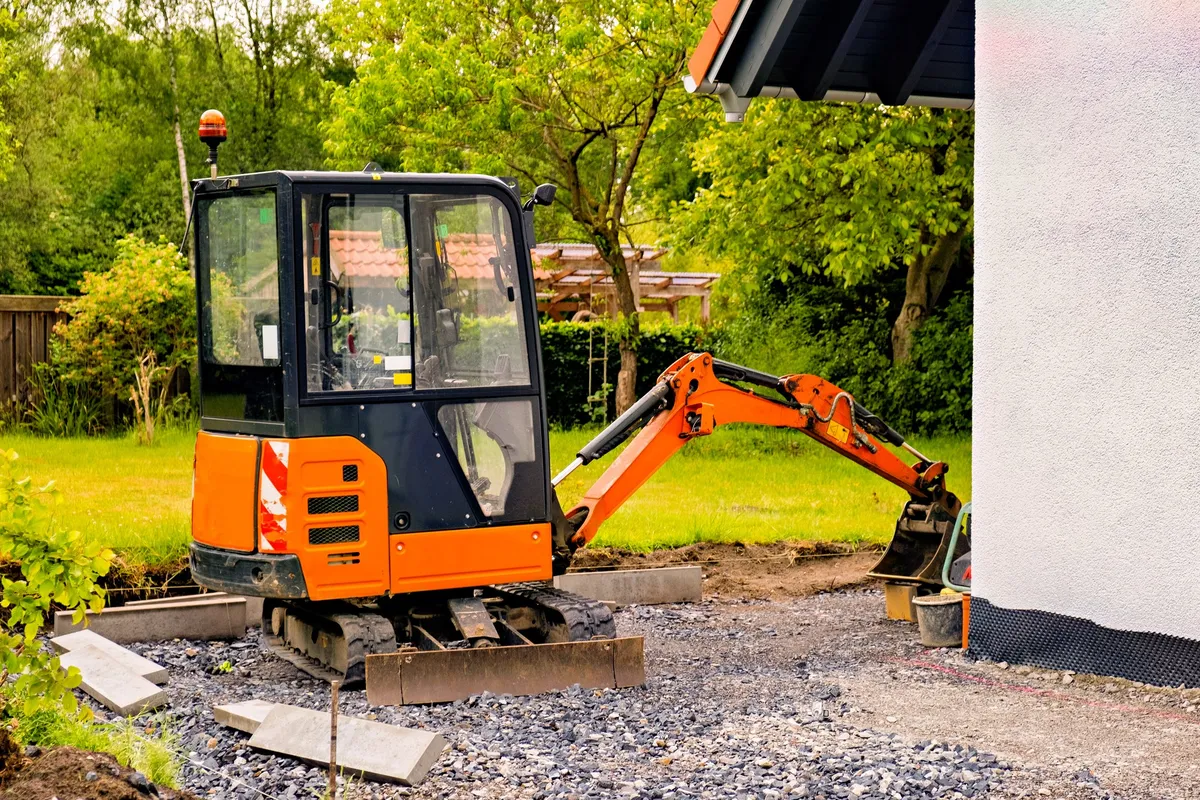
A mini excavator is a compact, tracked digging machine, generally under about 6 tons in operating weight, built to do many of the same jobs as a full-size excavator in a fraction of the space. The compact frame lets it work in backyards, narrow side yards, basements, and other spots a full-size excavator can’t reach.
Contractors, landscapers, utility crews, and property owners use mini excavators for trenching, foundation digging, grading, demolition prep, tree and stump removal, and general dirt work. When a job doesn’t call for the reach or lifting capacity of a large excavator, a mini excavator gets it done with less site disruption and a gentler footprint on lawns and driveways.
What to Look for When Choosing a Mini Excavator
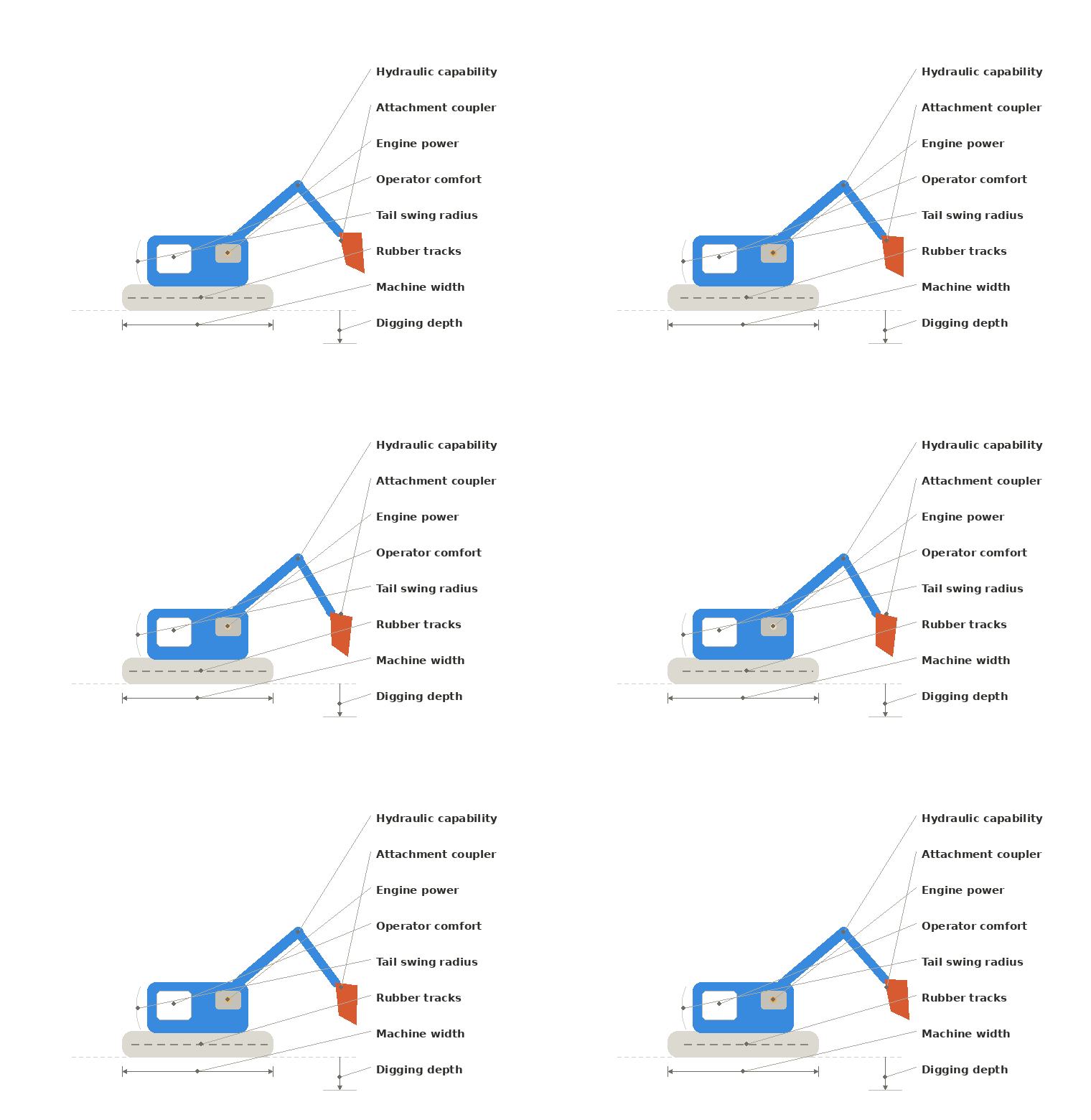
Operating weight is the starting point for almost every decision. Heavier machines generally offer more digging force and stability, but are harder to transport and can damage soft ground or landscaping.
Engine power determines how quickly the machine can move dirt and run attachments—more horsepower isn’t automatically better; it needs to match the hydraulic system and the work at hand.
Maximum digging depth tells you whether the machine can handle your deepest trench or footing, so check it against your actual project rather than just the size class.
Digging force (bucket breakout force) reflects how well the bucket pushes through compacted soil, clay, or roots—two machines of similar weight can differ here depending on hydraulic design.
Machine width is often overlooked until it’s a problem. A narrow chassis — sometimes under 40 inches — can fit through gates and side-yard access points a wider machine can’t, which is precisely why width is often the deciding factor over horsepower or weight for backyard work.
Tail swing describes how far the rear of the machine extends beyond the tracks when it rotates. Zero or reduced tail swing is worth prioritizing near walls, fences, or parked vehicles.
Hydraulic capability, including two-way or three-way auxiliary hydraulics, determines which attachments you can run and how well they perform.
Track type (rubber vs. steel) affects traction and ground damage; rubber is standard for residential work since it’s gentler on finished surfaces.
Attachment compatibility matters more than buyers expect—confirm hydraulic flow and coupler type match what you plan to use.
Transportability covers trailer weight ratings and whether your tow vehicle can legally haul the machine and trailer combined.
Operator comfort—seat quality, control layout, visibility, cab or canopy protection—matters more the longer you’re in the seat.
Maintenance and service support rounds out the list: parts availability and ease of routine maintenance shape ownership costs long-term.
Best Mini Excavator Models Available for Sale in the USA
There isn’t one mini excavator that’s correct for every buyer. The “best” model depends on job type, site conditions, and budget, so this section covers a range of options rather than crowning a single winner.
TYPHON Machinery
TYPHON Machinery is one of the brands selling compact construction equipment directly to U.S. buyers, with mini excavators spanning several size classes rather than a single model, from entry-level options up through heavier, feature-rich machines.
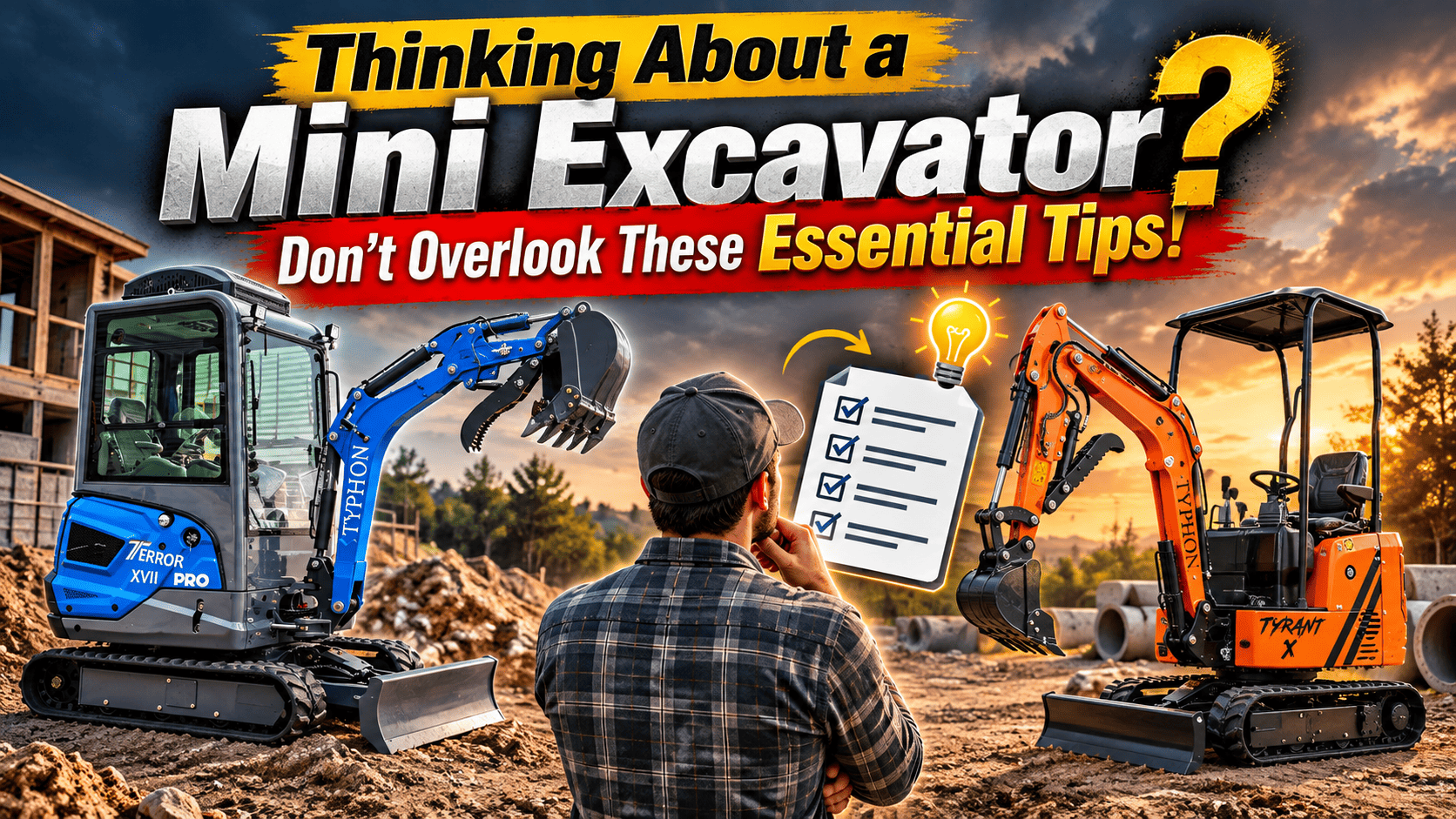
At the lighter end, the TYPHON TERROR XI STORM is an entry-level machine in the roughly one-ton class, with features like a swing boom, multi-way throttle valve, hydraulic thumb clip, and hydraulic oil cooler—extras not always standard at this price point.
The TYPHON TERROR XVII and newer TERROR XVII PRO are built around a Kubota D902 diesel engine, an EPA-certified three-cylinder unit. The PRO adds a pilot-control hydraulic system plus cabin and canopy options for buyers wanting more comfort without a larger machine.
The TYPHON TERROR XVIII sits around the 2-ton class and is sold in several trims (Lux, Prestige), generally on the same Kubota D902 platform, with a rated digging depth around 6.5 to 7 feet depending on configuration.
The TYPHON TERROR XIX and XIX STORM are positioned around 1.8 tons, with boom swing and retractable tracks for buyers needing more versatility on uneven or narrower sites, while the XIX Prestige trim adds a climate-controlled cabin.
Further up, the TYPHON TERROR X2 STORM moves into the 2.5-to-3-ton range, built around a larger diesel engine (Kubota or Perkins depending on configuration), for heavier digging while remaining trailer-transportable.
The TYPHON 18 FLEX / 18 FLEX PRO is marketed as a roughly 4,000-lb mini crawler excavator with broad attachment compatibility, for buyers wanting one machine for varied tasks.
TYPHON is worth evaluating if you’re focused on compact equipment, direct online purchasing, and attachment availability — but confirm current specs, warranty terms, and pricing directly with the seller, since configurations change over time.
Other Major Brands
Kubota builds mini excavators widely used across landscaping, utility, and general construction work and is well known for its diesel engines—the same engine family that appears in some TYPHON models. Its excavator lineup appeals to buyers who prioritize established dealer networks and parts support.
Caterpillar mini excavators are common on commercial job sites and suit contractors who value a large dealer network plus a broad attachment ecosystem.
Bobcat compact excavators are frequently chosen by rental fleets and contractors who want a wide range of size classes under one brand.
John Deere mini excavators are often selected by buyers already running other John Deere equipment, since shared service relationships and financing can simplify fleet management.
Takeuchi is well regarded specifically in this segment—the company has built compact excavators for decades and is a common reference point for tail-swing and hydraulic performance.
None of these brands is objectively “better” across the board; each suits a different buying priority: dealer proximity, attachment ecosystem, existing fleet, or budget.
| Model/Brand | Best For | Size Class | Key Consideration |
| TYPHON TERROR XI STORM | Entry-level buyers, light residential work | ~1 ton | Budget-friendly with above-average standard features |
| TYPHON TERROR XVIII | General residential and small commercial digging | ~2 ton | Kubota diesel platform, multiple trims available |
| TYPHON TERROR X2 STORM | Heavier digging, property development | ~2.5–3 ton | Larger engine, less tight-space maneuverability |
| Kubota mini excavators | Buyers prioritizing dealer support | Multiple classes | Strong parts and service network |
| Caterpillar mini excavators | Commercial contractors | Multiple classes | Large attachment ecosystem |
| Bobcat compact excavators | Rental fleets, varied job types | Multiple classes | Broad size range under one brand |
| Takeuchi mini excavators | Buyers focused on hydraulic performance | Multiple classes | Established reputation in this segment |
Best Mini Excavator by Job Type
Landscaping: Lighter machines in the 1-to-2-ton range, since most landscaping doesn’t need deep digging force and a smaller footprint protects lawns and hardscaping.
Residential construction: The 2-to-3-ton range balances digging depth for footings and utility work with a size that still fits standard trailers.
Utility trenching: Look for digging depth and a narrower bucket profile over maximum operating weight.
Farms and property maintenance: Medium machines with good ground clearance and versatility of attachments, because farm work alternates between digging, grading, and material handling.
Tight access jobs: Choose machine width and less or no tail swing over brute strength.
More extensive excavation work Larger mini excavators (3 tons and upwards) with greater digging force, accepting reduced maneuverability and heavier transport requirements.
The idea across all these categories: match the machine to the actual workload. Buying the largest excavator you can afford often creates more transport and access headaches than it solves.
How Much Does a Mini Excavator Cost in the USA?
Mini excavator pricing depends on several factors together rather than any single spec. Size and weight class is the biggest driver—moving up a ton or two typically means a meaningful jump in price.
Engine type and hydraulic sophistication (pilot vs. mechanical controls) also affect cost, and a cab with climate control costs more than an open canopy. Factory or bundled attachments add to the sticker price but can reduce what you’d otherwise spend buying separately.
New machines generally cost more upfront than comparable used units, and buying direct versus through a traditional dealer can shift pricing too. Warranty length, support, and delivery or freight charges round out total ownership cost.
Because pricing changes frequently and varies by seller, avoid treating any single number as “the average price.” Check current listings from the brands and dealers you’re considering.
New vs. Used Mini Excavator: Which Is Better?
New machines have a manufacturer warranty, the latest features available, and fewer unknowns around maintenance history, at a higher purchase price.
Used machines are lower cost up front and can be asignificant valuee if properly inspected, but they have more uncertainty around wear, past maintenance, and near-term repair costs.
If you’re considering a used mini excavator, check these before buying:
- Engine hours vs. overall condition
- Undercarriage and track wear (costly if neglected)
- Hydraulic cylinder seals for leaks
- Boom, arm, and bucket pin and bushing wear
- Evidence of major repairs or welds on structural components
- Service records, if available
- A cold start and full operational test
Do You Need Attachments?
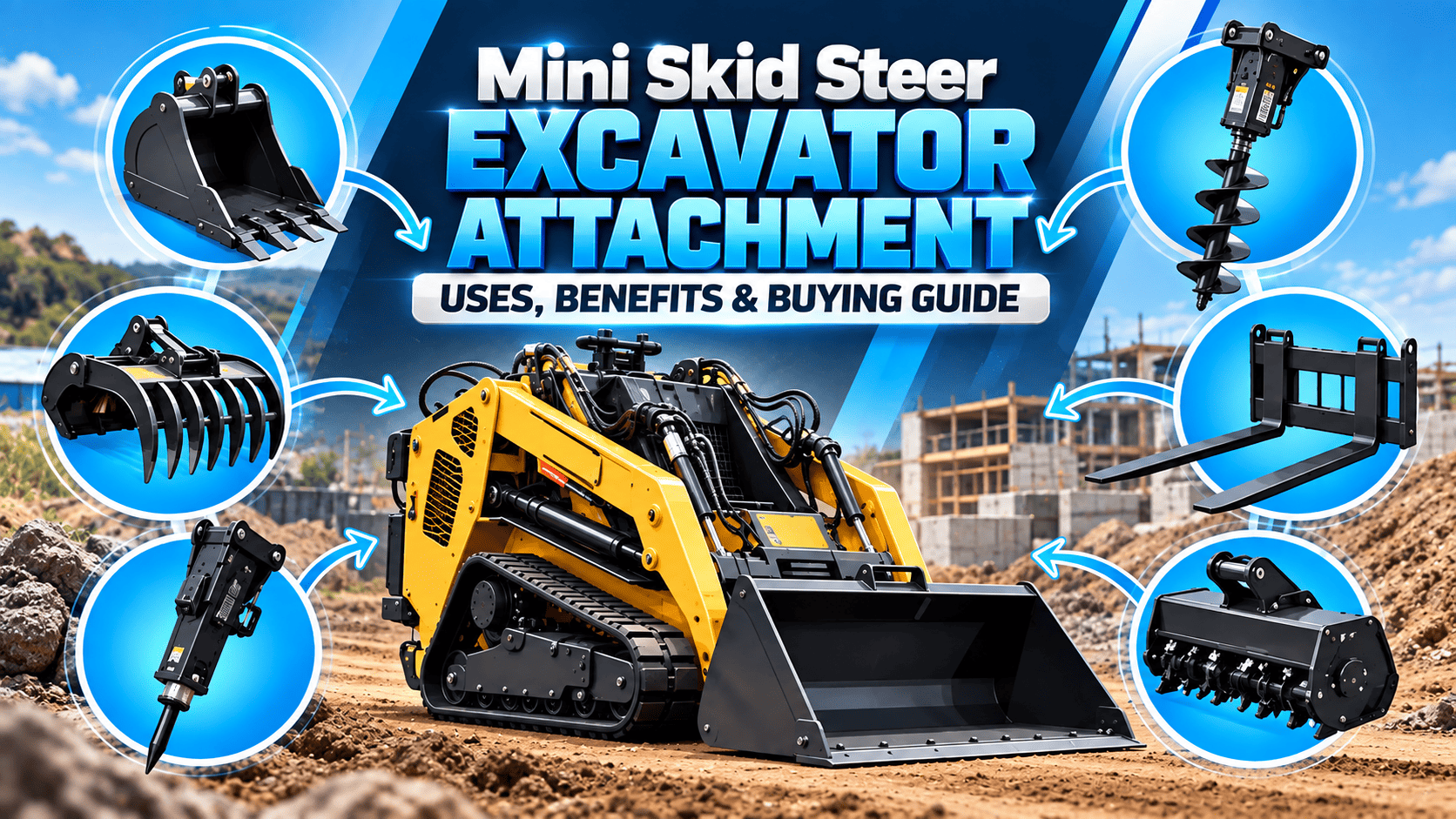
A mini excavator’s usefulness expands significantly with the right attachments. A hydraulic thumb lets the bucket grip and move debris, rocks, or logs. An auger turns the excavator into a post-hole or footing drill.
A hydraulic breaker handles concrete removal or rock breaking. A grading bucket is used for finish grading and site prep. A trenching bucket narrows the digging profile for utility and irrigation work. A grapple helps clear brush, debris, or landscaping material.
Before buying attachments, confirm your machine’s hydraulic flow rate and coupler type are compatible—mismatched hydraulics can limit performance or make certain tools unusable.
Frequently Asked Questions
What is the best mini excavator for the money? There’s no universal answer. For less demanding use, the 1-to-2-ton class of entry-level machines from brands such as TYPHON, Kubota, or Bobcat are generally good value, but more serious work could require a larger, more expensive machine.
What size mini excavator is best for residential work? Most residential projects—landscaping, small trenches, foundation touch-ups—are well served by machines weighing 1 to 3 tons, a good compromise between digging capability and maneuverability around homes and yards.
How much does a mini excavator cost in the USA? Prices range widely depending on size, engine, features, and condition. Instead of relying on an average number, please check current listings for the size class and brand you are interested in.
Are mini excavators good for landscaping? Yes. With their small size, rubber tracks, and precise controls, they are ideal for grading, planting beds, and drainage work that would be hard to do with a full-size excavator.
What should I look for when buying a mini excavator? Focus on operating weight, digging depth, machine width, tail swing, hydraulic capacity, and attachment compatibility—fitted to your real job, not just size.
Is a new or used mini excavator better? New machines come with warranty coverage and fewer unknowns, but used machines can be a better value if inspected thoroughly. What’s best will depend on your budget and risk appetite.
What attachments can I use with a mini excavator? Typical attachments include hydraulic thumbs, augers, hydraulic breakers, grading buckets, trenching buckets, and grapples, provided your machine’s hydraulic system can handle them.
Final Thoughts
Selecting the right mini excavator is more about the right machine for the job, not necessarily the biggest or most feature-laden machine. “There are a lot of factors that go into it—job requirements, digging depth, site access, attachment requirements, budget, and long-term service support.
TYPHON Machinery is one of many compact machine options available to buyers in the U.S. market. In addition to established brands like Kubota, Caterpillar, Bobcat, John Deere, and Takeuchi, buyers comparing compact machines can weigh each against the specific work they need done, rather than assuming one brand is automatically the right fit.
Compare specs, examine used equipment carefully, and check attachment compatibility in advance to save time and money after purchase.