Skip to content

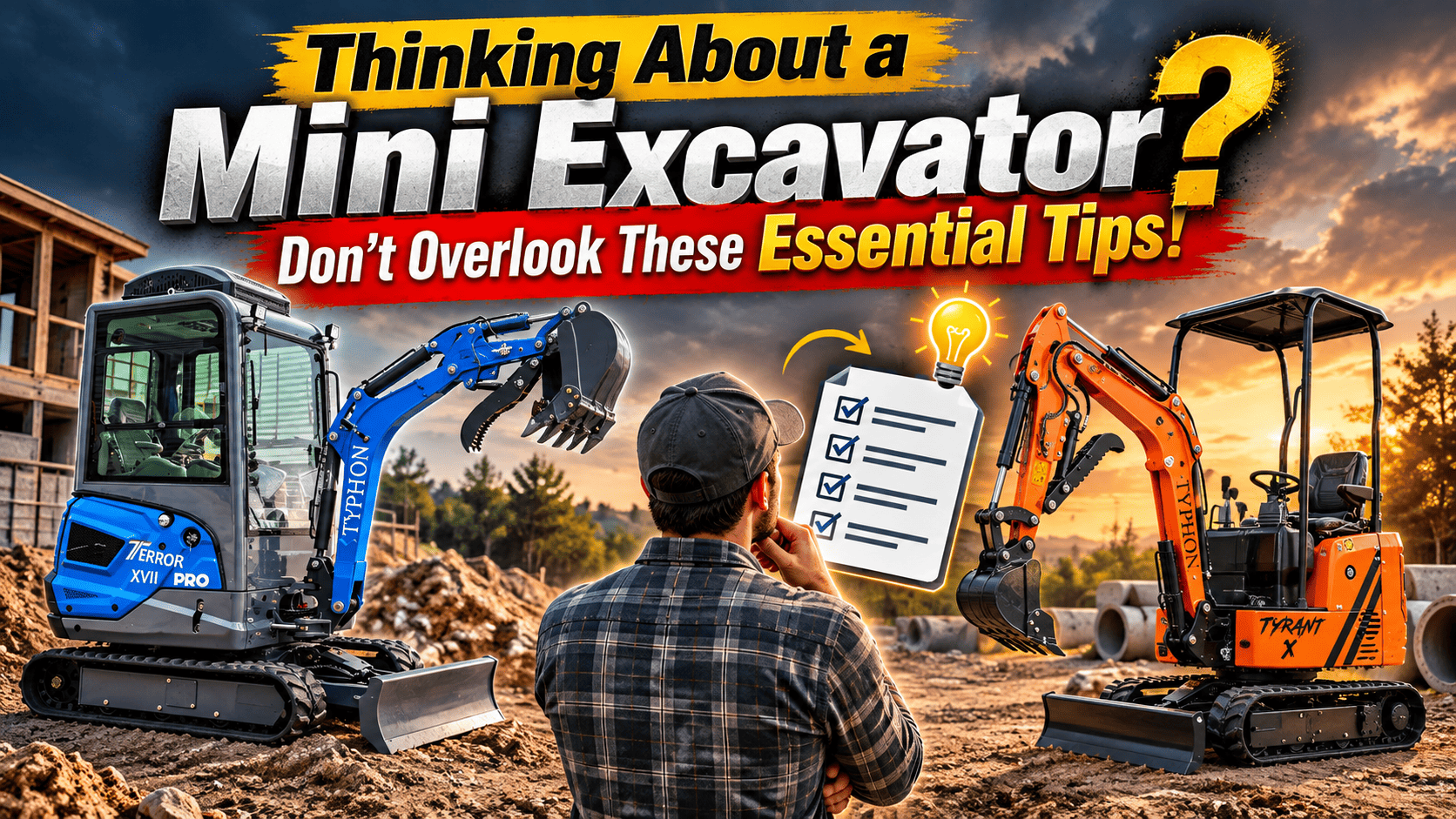
Buying a mini excavator is one of the smarter investments a contractor or small business owner can make, but only if you go in with your eyes open. Too many buyers rush the process, get dazzled by a low sticker price, or skip the due diligence that separates a solid machine from an expensive headache. These mistakes are common, they’re avoidable, and they can cost you thousands before the first bucket of dirt ever moves.
Falling for the Price Tag Without Doing the Math
A low purchase price feels like a win right up until the repair bills start arriving. This is the single most common trap buyers walk into. A compact digger priced well below market average is almost always priced that way for a reason, worn hydraulics, deferred maintenance, or hours that tell a story the seller isn’t volunteering.
Before you commit to any machine, pull the service records. Ask about hydraulic fluid changes, filter replacements, and track condition. If the seller can’t produce documentation, that silence is your answer. Maintenance history has a direct impact on long-term valueand skipping this step is how buyers end up spending more on repairs in year one than they saved on the purchase price.
The smarter move is to calculate total cost of ownership, not just the purchase number. Factor in expected maintenance, attachments, insurance, and financing. A machine priced $4,000 higher but properly serviced will almost always come out ahead over a two-to-three year window.
Buying the Wrong Size for the Work You Actually Do
Compact excavating equipment comes in a surprisingly wide range of sizes and weight classes, and the difference between a 1.5-ton and a 3.5-ton machine isn’t just physical, it’s functional. Buyers who don’t match the machine to their actual job mix end up either underpowered on demanding sites or dragging around more machine than the work requires.
Think about the jobs that pay your bills. If most of your work happens in tight residential yards, utility trenching, or landscaping, a smaller, zero-tail-swing model is going to outperform a larger unit every single day. If you’re doing foundation work or moving significant material volume, a heavier machine with more digging force earns its keep. There are solid, purpose-built options for small construction businesses that don’t require you to overspend just to get capable equipment.
Also consider transport. A machine that requires a larger trailer or a CDL to move adds real operational cost that buyers often forget to budget. Size decisions have downstream consequences, think through the full picture before you sign anything.
Ignoring Attachments Until After the Purchase
Here’s a mistake that sounds minor but isn’t: buyers focus entirely on the base machine and treat attachments as an afterthought. Then they discover the coupler system isn’t compatible with the thumbs, augers, or breakers they already own, or planned to buy. Suddenly they’re either buying a second set of attachments or working around limitations that didn’t have to exist.
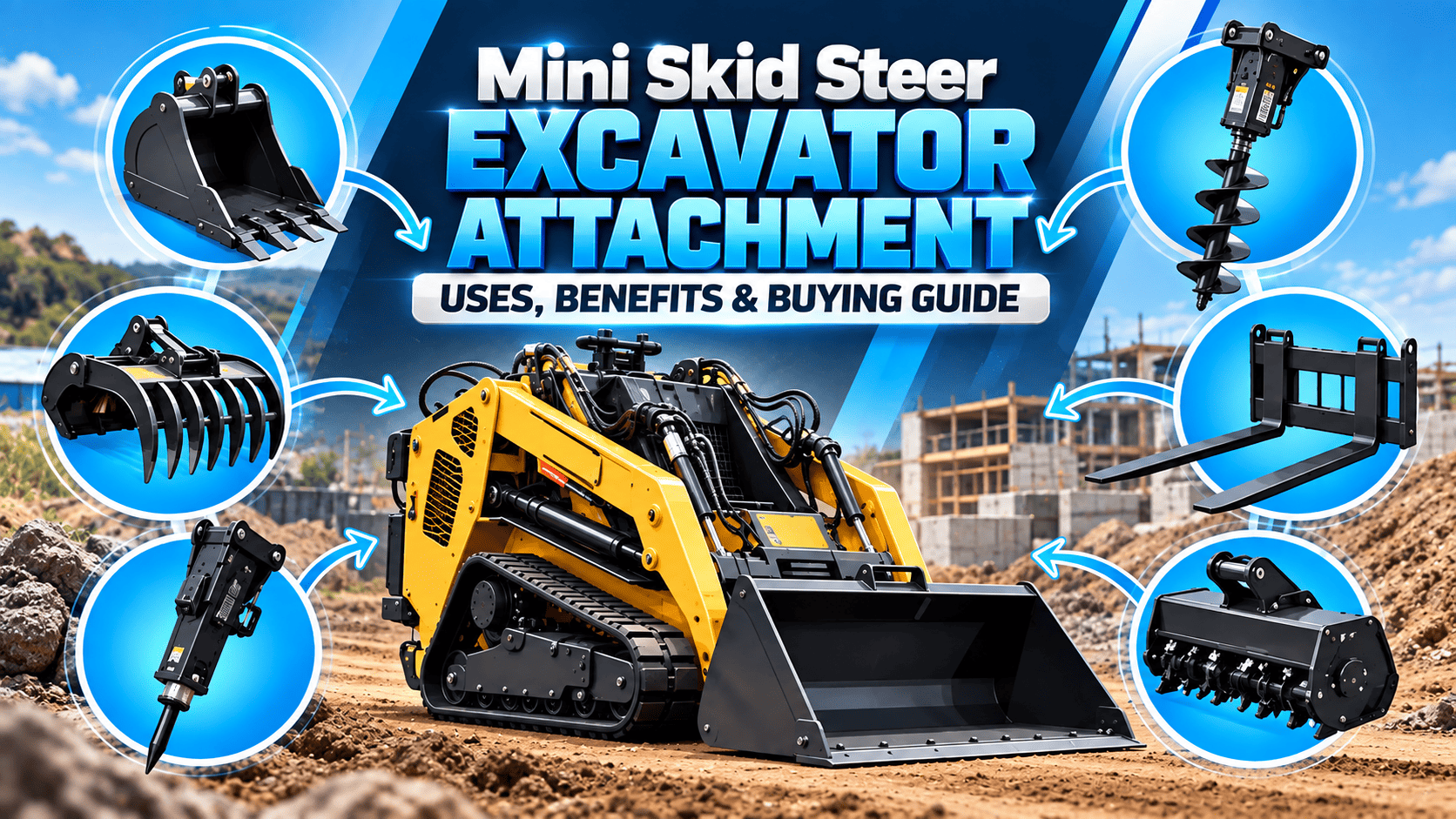
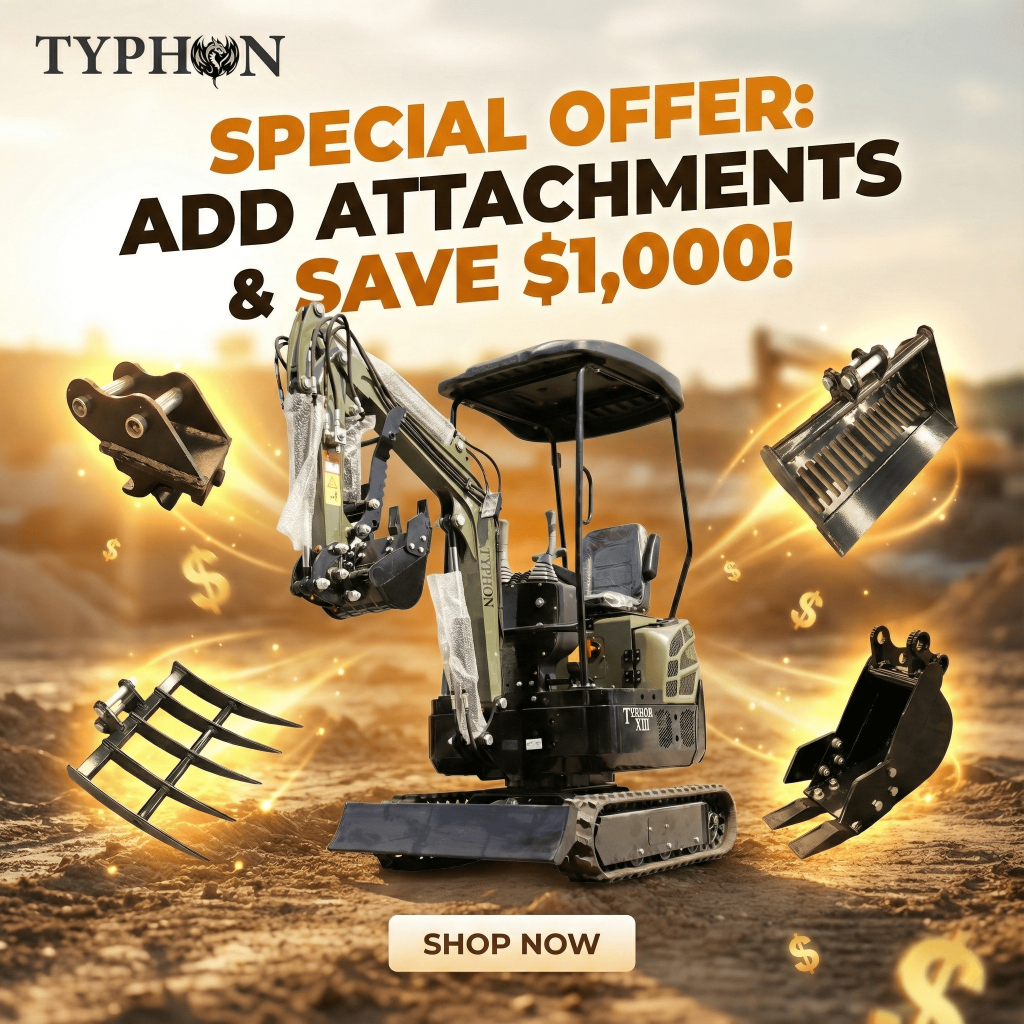
The attachment ecosystem around a compact digger is a big part of what makes it versatile enough to justify the investment. Understanding what attachments are available and how they connect should be part of your evaluation before you choose a machine, not after. Ask specifically about the coupler type, auxiliary hydraulic flow rates, and whether the machine supports high-flow attachments if you plan to run a mulcher or cold planer down the road.
At TYPHON Machinery, this is a conversation the team actively has with buyers before a purchase is finalized, because getting the attachment fit right from the start saves real money and real frustration later.
Skipping the Financing Conversation Too Early
A lot of buyers assume financing is something you figure out after you’ve picked a machine. That’s backwards. Walking into a purchase without knowing your financing options means you might be looking at the wrong machines entirely, either undershooting because you assumed cash-only, or overextending because you didn’t understand what terms were actually available to you.
Financing for heavy equipment has become more accessible than many buyers realize, especially for small businesses and independent contractors. Flexible terms, deferred payment structures, and competitive rates can make a well-equipped, properly maintained machine affordable on a monthly basis rather than a prohibitive lump sum. Exploring financing options early gives you a clearer picture of your real budget, and that changes which machines belong on your shortlist.
One sentiment that comes up regularly from buyers who’ve been through the process: they wish they’d asked about financing sooner, because it opened up options they’d already ruled out on assumption. Don’t let a number in your head eliminate machines before you know what’s actually possible.
Fall is also a practical time to revisit this, equipment demand shifts seasonally, and buyers who move when inventory is strong tend to get better selection and more room to negotiate terms.
The bottom line is straightforward: buying a compact excavating machine is a significant decision, and the buyers who come out ahead are the ones who slow down, ask the right questions, and treat the process like the business investment it actually is. The mistakes listed here aren’t rare, they happen constantly. Knowing them in advance puts you in a genuinely better position from day one.
Frequently Asked Questions About mini excavator
What size mini excavator do I need for my project?
The right size mini excavator depends on the scope and location of your work. For tight residential spaces like backyard landscaping or utility trenching near structures, a 1- to 3-ton mini excavator is typically ideal, while larger projects such as foundation digging or commercial site prep may call for a 4- to 6-ton model. Always consider the width of access points on your job site, as mini excavators range from under 3 feet wide up to 8 feet wide in their larger configurations.
How much does it cost to rent or buy a mini excavator?
Rental rates for mini excavators typically range from $200 to $600 per day or $800 to $2,500 per week, depending on the machine’s size and your local market. If you’re purchasing, new mini excavators generally range from $20,000 to $90,000, while quality used models can be found for $15,000 to $50,000 depending on age, hours, and condition. Buying makes more financial sense if you’ll use the machine regularly, while renting is cost-effective for one-time or short-term projects.
What attachments are available for a mini excavator?
Mini excavators are highly versatile machines that can be paired with a wide variety of attachments to handle different tasks. Common attachments include augers for post or pier drilling, hydraulic breakers for demolishing concrete or rock, grapples for debris handling, trenching buckets, grading blades, and compaction wheels. Most modern mini excavators feature a universal quick coupler system, making it fast and easy to switch between attachments right on the job site.
Can a mini excavator damage my lawn or existing landscaping?
Mini excavators are much lighter than full-size excavators, which significantly reduces the risk of ground compaction and turf damage, but they can still leave marks on soft or wet ground. Many models are available with rubber tracks instead of steel tracks, which are far gentler on grass, pavers, and finished surfaces. To further protect your lawn, consider laying down plywood or track mats along the machine’s travel path and scheduling work during drier conditions when the ground is firmer.
Do I need a special license or permit to operate a mini excavator?
In most states, no special operator’s license is required to run a mini excavator on private property, but operating one on public roads or job sites may require OSHA safety training or site-specific certifications. If you’re renting for a DIY project, most rental companies will provide a brief operational walkthrough, though we always recommend formal training for anyone new to operating heavy equipment. Additionally, before any digging project, you are legally required to call 811 (the national “Call Before You Dig” hotline) to have underground utilities located and marked to avoid dangerous and costly accidents.
Get Directions to Typhon Machinery
🎧 Listen to this as a podcast
Also on Apple Podcasts, Spotify, and Amazon Music.