Skip to content
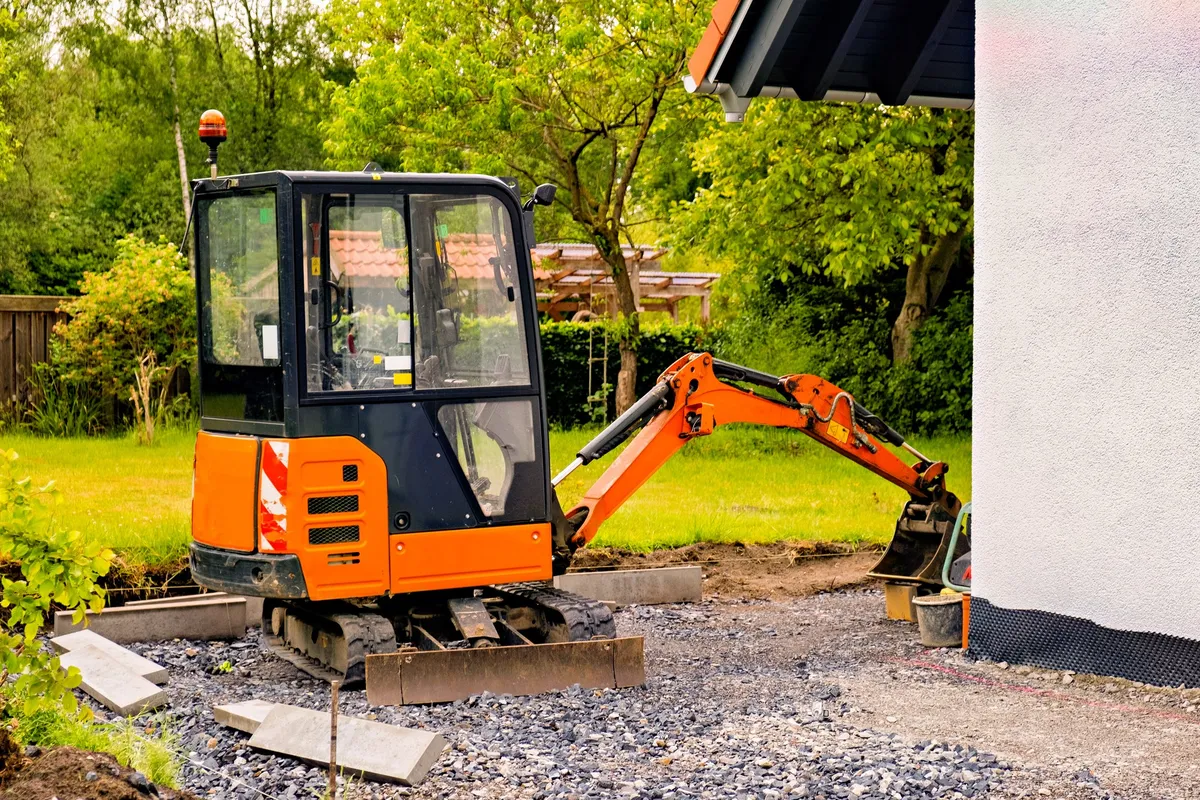
There’s a quiet shift happening on job sites across the country, and it starts with equipment choices. When contractors and property owners reach for a mini excavator instead of a full-size machine, they’re often thinking about access, cost, and convenience, but the environmental upside is just as real, and it rarely gets the attention it deserves. These compact diggers are doing more for sustainability than most people realize, and that story is worth telling straight.
Small Footprint, Big Difference on the Ground
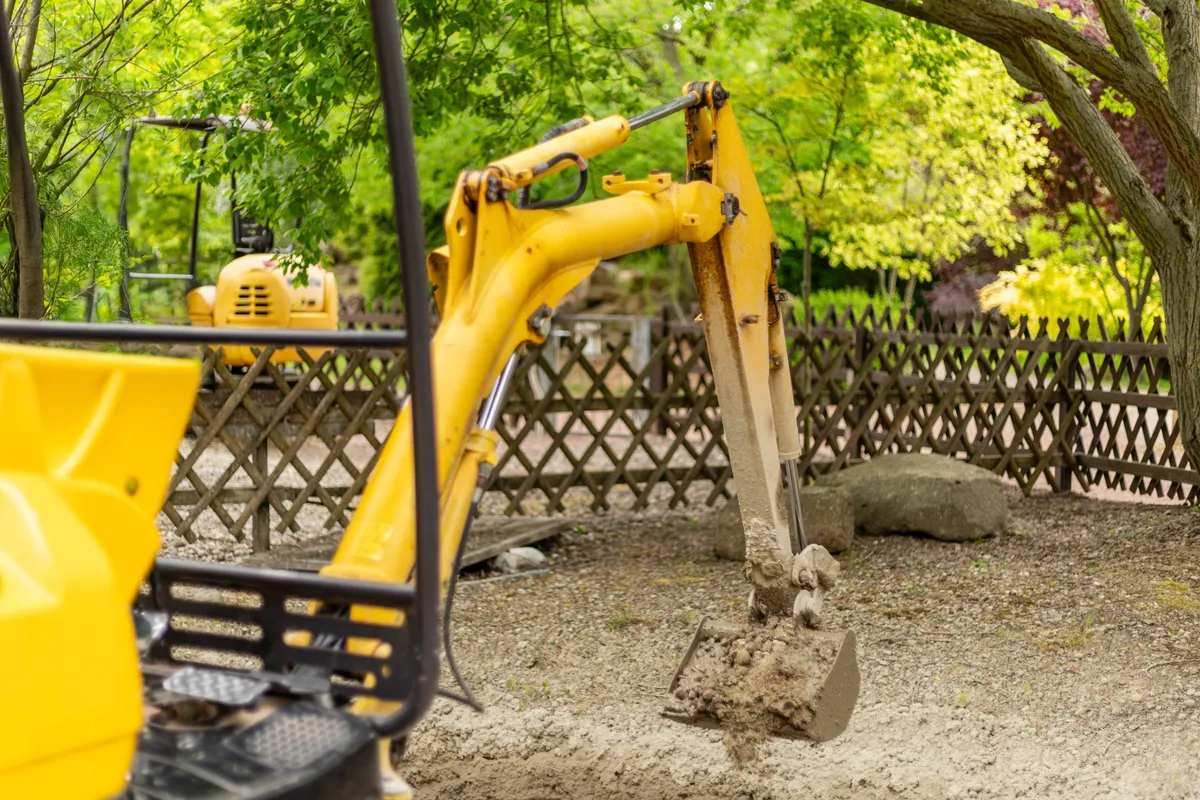
One of the most overlooked environmental advantages of compact excavating equipment is what it doesn’t do to a job site. Full-size machines compact soil aggressively, disrupt root systems, and can cause erosion issues that take years to correct. Smaller machines distribute weight differently. They move through tight spaces without tearing up surrounding vegetation, which matters enormously on residential landscaping projects, near tree lines, or on sites where ground disturbance needs to stay contained.
That reduced ground disturbance also means less remediation work after the job is done. Fewer disturbed areas mean less exposed soil, less runoff risk, and less material that ends up washing into drainage systems. When you add that up across hundreds of projects, the cumulative impact on local ecosystems is significant, even if no single job looks dramatic on its own.
If you’re working on tight or sensitive sites, it’s worth reading through the range of small-scale construction projects where compact diggers genuinely shinethe environmental logic applies across nearly all of them.
Fuel Consumption Tells a Story Diesel Defenders Don’t Want to Admit
Compact excavating equipment burns significantly less fuel than its larger counterparts. That’s not a marketing claim, it’s basic physics. A machine that weighs two to six tons and runs a smaller engine will consume a fraction of the fuel a 20-ton machine burns doing comparable work on a smaller scale. Less fuel burned means fewer emissions per hour of operation, and that adds up fast when a machine is running five or six days a week across a full season.
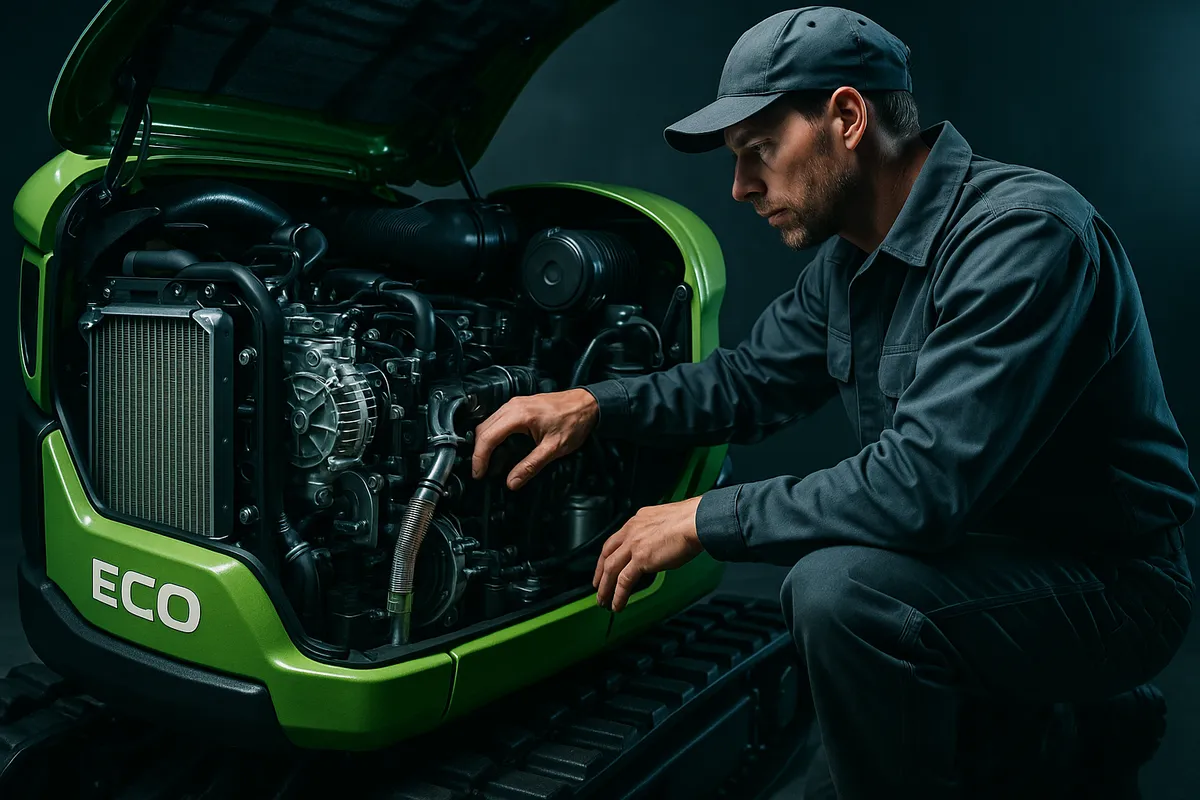
The conversation is getting more interesting as electric-powered options enter the market. The comparison between electric and diesel compact diggers is worth understanding before you buy, and this breakdown of electric vs. diesel options lays out the real-world differences without glossing over the trade-offs. For operators working in enclosed spaces, near sensitive areas, or on projects with strict emissions requirements, the electric case is becoming harder to ignore.
Even within the diesel category, newer engine technology has pushed emissions standards significantly lower than machines built a decade ago. If your current equipment is aging, that’s worth factoring into your environmental calculus, not just your maintenance budget.
Precision Work Means Less Waste, Full Stop
Bigger machines tend to move more material than necessary. It’s the nature of the equipment, when you’re operating something with that much power and reach, surgical precision is harder to achieve. Compact diggers are built for accuracy. Operators can work closer to structures, utilities, and existing landscaping without the margin-of-error buffer that large equipment demands.
That precision translates directly into less waste. Less over-excavation means less material that needs to be hauled away, processed, and disposed of. Fewer truck trips to and from a site mean less diesel burned in transport. Less material disturbed means less that ends up in landfills or spoil areas. The chain of environmental benefit runs longer than most people track.
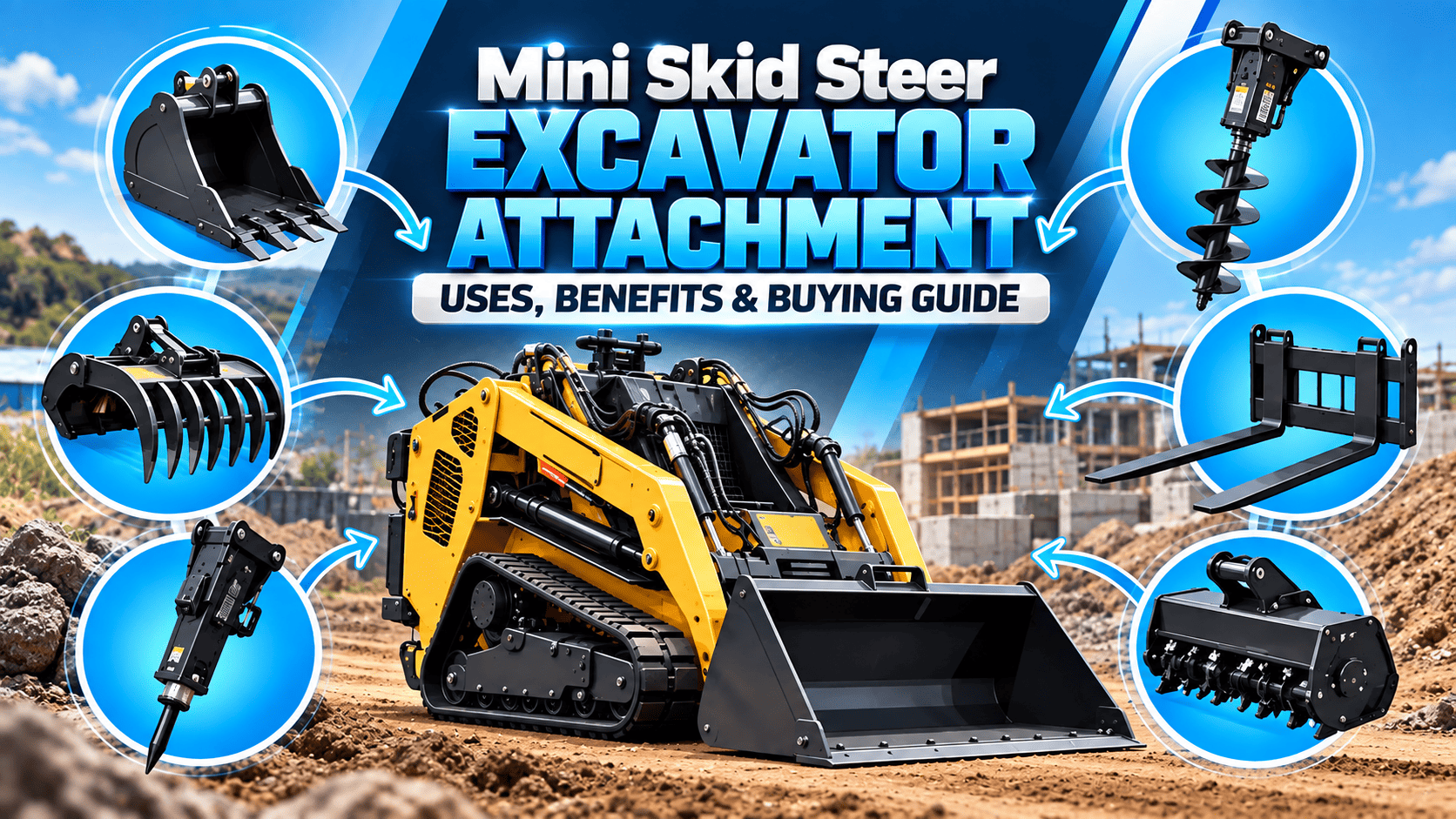
The attachment ecosystem around compact diggers amplifies this even further. With the right tools, augers, compactors, grapples, and more, one machine can handle multiple tasks with precision that reduces the need to bring in additional equipment. Exploring the full range of available attachments often reveals ways to accomplish more with less, which is exactly the kind of efficiency that benefits both the bottom line and the environment.
Longer Machine Life Is an Environmental Win Too
Manufacturing heavy equipment has a significant environmental cost, raw materials, energy, transportation, and industrial processing all carry a footprint before a machine ever turns a key. Getting more productive years out of a well-maintained compact digger is one of the most practical ways to reduce that footprint on a per-project basis.
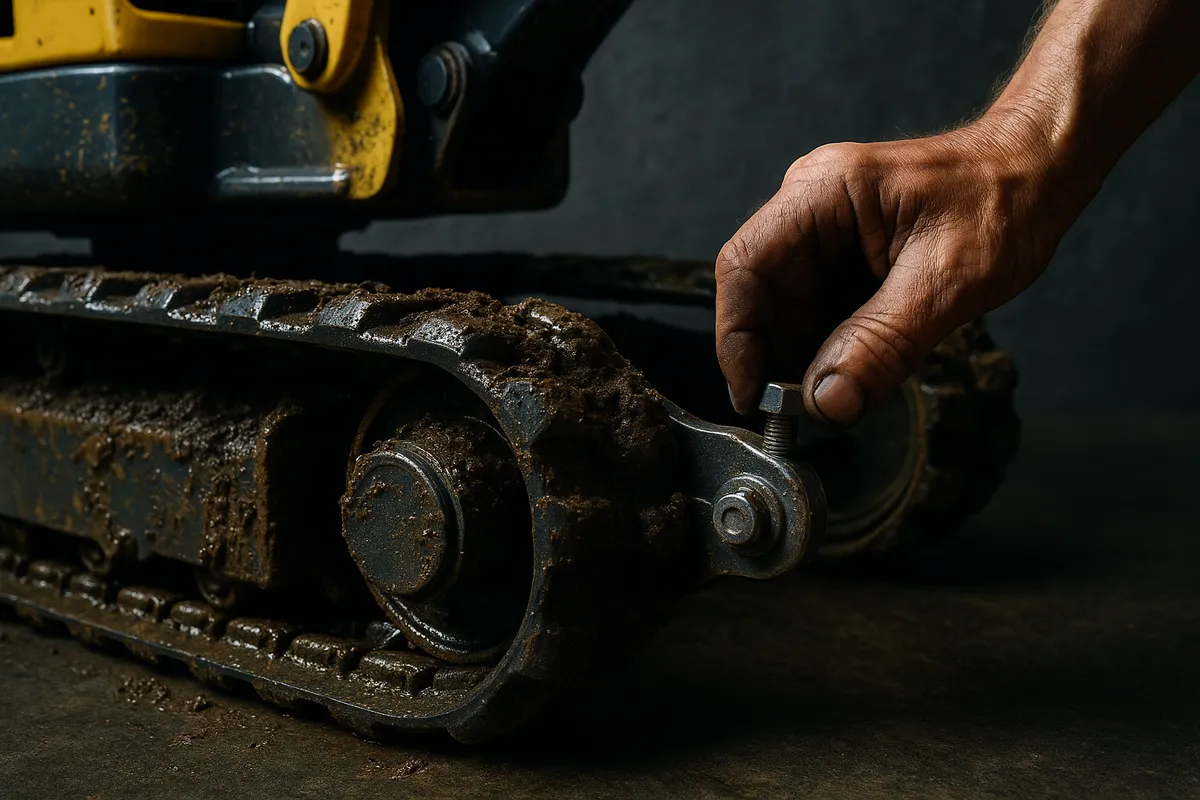
Maintenance isn’t just about protecting your investment. It’s about extending the useful life of a machine so the environmental cost of building it gets spread across more work. Operators who stay on top of fluid changes, hydraulic system health, and wear components consistently get more years out of their equipment than those who defer maintenance until something breaks. The team at TYPHON Machinery sees this pattern clearly, machines that come in well-documented and properly maintained hold their value and their working life far longer than neglected ones.
If you want to understand how maintenance decisions affect both resale value and long-term machine health, this look at maintenance costs and resale impact is a practical read. The environmental argument and the financial argument point in exactly the same direction: take care of the machine, and it takes care of you, and the job site, for longer.
Compact excavating equipment isn’t a perfect solution to every environmental challenge construction faces. But for contractors who are thinking seriously about their footprint, on the ground, in the air, and across the supply chain, choosing the right size machine for the right job is one of the most straightforward steps available. TYPHON Machinery carries a full range of compact equipment built to work hard and last, and you can browse current inventory here to find the right fit for your operation.
Frequently Asked Questions
How much less fuel does a compact digger actually burn compared to a full-size machine?
The article points to basic physics as the explanation, a machine weighing two to six tons running a smaller engine burns a fraction of what a 20-ton machine consumes doing comparable work at a smaller scale. That gap compounds quickly when equipment runs five or six days a week across an entire season, making the emissions difference significant over time. If your current compact machine is more than a decade old, newer engine technology has pushed diesel emissions standards considerably lower, so aging equipment is worth factoring into that calculation.
Does the reduced ground disturbance actually matter on a typical residential job, or is that overstated?
It matters most on sites where the surrounding area needs to stay intact, near tree lines, established landscaping, or anywhere erosion could become a problem after the crew leaves. Smaller machines distribute weight differently than full-size equipment, which means less soil compaction, less root system disruption, and less exposed soil that can wash into drainage systems. Less disturbed ground also means less remediation work once the job is finished, which saves time and reduces the secondary environmental impact of cleanup.
Are electric compact diggers actually practical yet, or are they still more of a niche option?
The article doesn’t call them a universal replacement, but it does say the case for electric is getting harder to ignore, particularly for operators working in enclosed spaces, near sensitive areas, or on projects with strict emissions requirements. The honest answer is that the trade-offs are real and worth understanding before you buy, rather than assuming electric is either the obvious choice or not ready for serious work. The article recommends looking at a direct comparison of electric versus diesel options to get a clear picture without the marketing spin.
How does using attachments connect to the environmental benefits the article is talking about?
The connection is efficiency, when one compact machine can handle multiple tasks using augers, compactors, grapples, and similar tools, you’re not bringing in additional equipment for each phase of the job. Fewer machines on site means less fuel burned, less ground disturbance, and fewer truck trips moving equipment in and out. The article frames it as doing more with less, which benefits both the project budget and the overall footprint of the work.
Why does keeping up with maintenance have anything to do with environmental impact?
Manufacturing heavy equipment carries a real environmental cost before a machine ever starts, raw materials, energy, transportation, and industrial processing all add up. When a well-maintained compact digger stays productive for more years, that manufacturing footprint gets spread across more work, which lowers the environmental cost on a per-project basis. The article notes that machines coming in with documented, consistent maintenance hold their working life and resale value far longer than ones where service gets deferred until something breaks.
Get Directions to Typhon Machinery
🎧 Listen to this as a podcast
Also on Apple Podcasts, Spotify, and Amazon Music.